
Reviewed · SAN BASILIO DE PALENQUE
Visit Palenque with natives : history, culture and ancestral legacy
San Basilio de Palenque is fascinating because you’re not just looking at history, you’re hearing it from the people who still live it today. I love two things most: the hands-on cultural activities and the way the tour shows ancestral knowledge in real places, like the medicinal patio. The main drawback to plan for is the heat, it can get intense, and you’ll be moving a lot with limited cool-down spots inside buildings.
This is the kind of tour where the details land because the storytelling is personal. On one day we had guides like Romeo and Royman, and the drive felt solid with people like Ignacio keeping everything on time. You also get the practical side handled, air-conditioned transport for getting there, bottled water, and lunch included.
If you’re short on time in Cartagena but still want something meaningful, this is a strong pick. You’ll spend about 6 hours 30 minutes, and you’ll do it as a private tour for your group only, so questions do not get lost in a crowd.
Key things you should know before you go
- Local guides shape the day, with community members leading or directly participating in each stop
- Ancestral medicine is hands-on, including traditional doctors and the plants they use
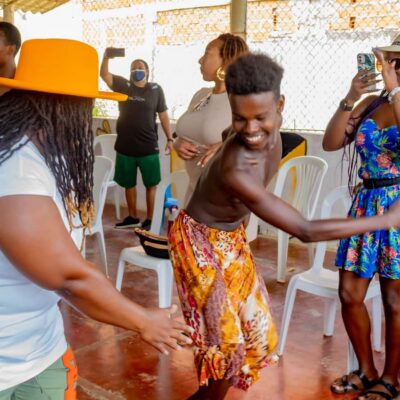
- Culture is interactive, from music and instruments to a short boxing class
- Murals are explained, so you’re not just taking photos, you’re learning what they mean
- Lunch is part of the value, with multiple meats plus a vegetarian option included
- Plan for heat, wear sneakers and bring water, shade, and something to cool off
San Basilio de Palenque: why this village matters
San Basilio de Palenque (usually just called Palenque) is one of the key places to understand African heritage in Colombia. The whole point of going is to see how a community built on survival, freedom, and cultural memory continues to carry its identity forward.
The tour frames Palenque in a way that feels grounded, not like a museum script. You start with a welcome that orients you to how the community sees itself, then you move through history, language, music, medicine, and everyday life. It’s a full circle approach, so by the end it makes more sense why Palenque still matters today.
If you like travel that connects past and present, this is your day. If you want zero emotion and only facts, you might still enjoy it, but you’ll probably feel something anyway.
More Historical Tours in Cartagena
- Cartagena: Historic Center and Getsemaní Shared Walking Tour
★ 4.9 · 2,716 reviews - Historic Center & Getsemaní Shared Tour in Cartagena
★ 5.0 · 620 reviews - San Basilio de Palenque History Tour
★ 5.0 · 301 reviews
Meeting the community at the Tourist Parador
Your first stop is the Tourist Parador, where you get a general description of the community and a proper welcome. Think of this as your reset point. You’re not rushing into landmarks yet. You’re learning the tone of the day and what you should pay attention to as you walk.
This is also where the tour earns points for being respectful. Instead of turning the first minute into a sales pitch, it sets expectations: Palenque is not a theme park. It’s people’s home and heritage.
Tip for you: treat the first stop like briefing time. Listen closely, then later you’ll catch references in murals, stories about resistance, and meaning behind music and rituals.
Benkos Bioho monument and the story of resistance
Next you’ll visit the Monument of Benkos Bioho. This part is short on clock time, but it packs major context. The guide connects Domingo Bioho, the maroon leader, with the legend and with the historical role Palenqueros credit him for.
What stands out here is how the narrative links leadership with action: Bioho arrived enslaved in Cartagena de Indias in the last year of the 16th century. From there, he is presented as someone who organized palenques, shaped military resistance, and helped lay the groundwork for political negotiation with colonial authorities.
In practical terms, this is why you should not treat this tour as just a cultural walk. You’re being given a framework for everything else. When you later learn about religiosity, medicine, music, and daily life, it all sits inside a story of resistance and preservation.
Simankongo House Museum: daily life, not just artifacts
Then you head to the Simankongo House Museum, a traditional-house setting with ancestral elements. This stop matters because it shifts you from big historical themes into the stuff people actually live with.
You’ll see how space and objects reflect culture and how everyday life grows out of inherited patterns. Even if you only catch a few details, you start building a sense of rhythm: what people valued, how they organized life, and what it meant to keep practices going.
Possible drawback: because this is a house-style stop, it can feel busy if you try to photograph everything. Slow down. Look with your eyes first, then take photos so the moment does not disappear.
More visits to San Basilio de Palenque:
- Tour De Palenque, Road to Emancipation.
★ 5.0 · 1,678 reviews - Freedom Tour of Palenque
★ 5.0 · 467 reviews - Cartagena: Palenque´s tour, dance show, lunch, pick-Up inclu
★ 4.7 · 182 reviews - Tour a san Basilio de Palenque desde cartagena
★ 5.0 · 123 reviews
Medicinal patio with traditional doctors and plants
At the Medicinal Patio, you meet the traditional doctors who explain the importance of ancestral medicine. The focus is not on generic wellness talk. You’re shown the plants used in traditional medicine, and the conversation centers on how that knowledge is passed and practiced.
This is one of the most meaningful stops for many people because it feels specific and local. You get the sense that this knowledge is not a performance for visitors. It’s functional and tied to real experience.
What to do: ask simple questions if your guide or translator is open to it. Even basic curiosity helps, like what a plant is used for or why certain remedies matter within the community.
Kombilesa Mi: music, instruments, and participation
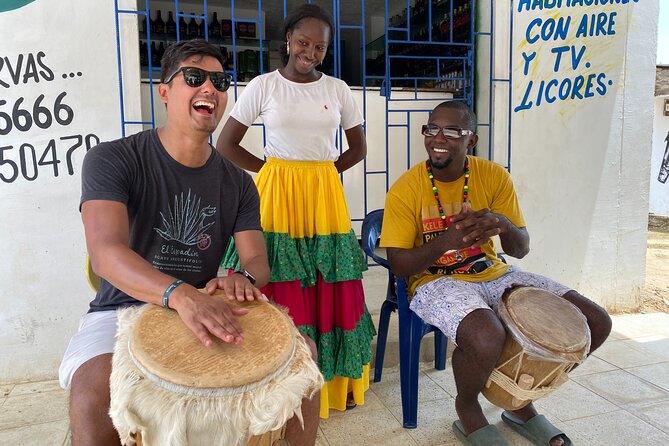
Next comes Kombilesa Mi, described as a cultural and musical movement of the community. You’ll have a chance to interpret the music and traditional instruments with figures from the group. This is not just watching.
In the reviews, this is often the part people call a highlight. The reason is simple. When you participate, you learn faster. Your brain grabs onto rhythm and sound in a way facts alone do not.
Practical note: bring a good attitude. If you do not have a musical background, no worries. The point is participation, not perfection.
Murals walk: learning meanings, then taking better photos
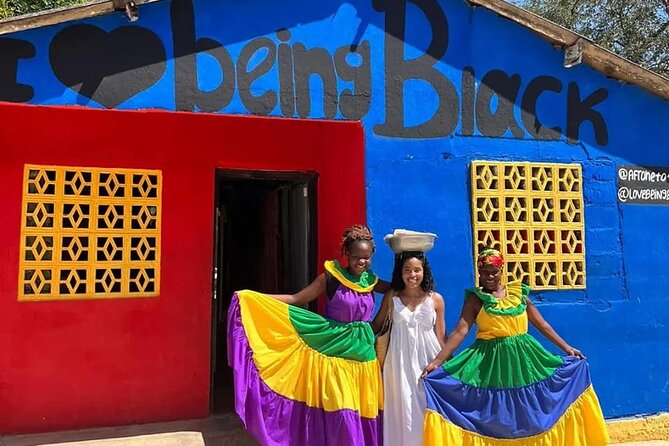
The Cultural Route of Murals turns street art into storytelling. You’ll walk through Palenque’s streets while learning what each identity mural means. Then you get time to take photographs that actually have context behind them.
This is a big upgrade compared with most “photo spots” tours. Here, you’re not just chasing color. You’re learning what symbols represent, then photographing in a way that respects the message.
If you’re the kind of traveler who likes to understand what you’re seeing before you shoot, this stop is a win.
Religiosity and Catholic influence: what changed, what stayed
The next stop is religiousness, where the tour covers the imposition of Catholic religion and the idea of true religiosity in Palenque. This is one of those sections where you’ll likely realize how history reshapes belief systems, but also how communities preserve what is meaningful to them.
Expect a thoughtful conversation, not a debate club. The tour tone is meant to help you see cultural continuity alongside colonial pressure.
Consideration: if religion topics make you uncomfortable, keep an open mind. The point is understanding lived history and identity, not judging beliefs.
Kid Pambele and a short boxing class
At the Kid Pambele monument, you learn about Antonio Cervantes Reyes, his importance in Colombian boxing, and his contribution to the community. The stop ends with a small boxing class.
This is a fun contrast to the rest of the itinerary. You get a history lesson, then you get bodies moving. It’s also a nice reminder that culture is physical. Boxing here is not just sport, it’s identity, training, and community pride.
What to expect: a quick lesson rather than a full workout. Still, wear sneakers. Your feet will thank you after a hot walking day.
Gastronomy: fish in coconut sumo, stove to bijao, and more
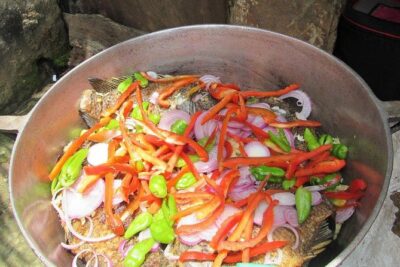
You finish with the community’s lunch, including fish in coconut sumo, plus fried chicken, steak meat, stewed pork, and a vegetarian option. The tour describes it as from the stove to the bijao, which signals how food is prepared and served in traditional style.
Food is one of the strongest points of this experience in the reviews. People often mention that the lunch is a standout meal, not just a filler stop. You’re also eating within the setting of community life, so it feels less like a roadside lunch and more like part of the day’s story.
If you have dietary restrictions, the vegetarian option is listed. For anything beyond that, you’ll want to check directly with the operator when you book, since the provided details only confirm vegetarian availability.
Price, timing, and how to make the day easier
The price is $102 per person for about 6 hours 30 minutes, with an air-conditioned vehicle and bottled water included. That’s not a bargain price, but it’s also not trying to be one. The value comes from what you get inside the price.
You’re paying for local access, guided storytelling, multiple community stops, and a full lunch. Each stop lists admission ticket as free, which helps you avoid surprise costs. And because the tour is private, you’re less likely to lose your place while questions are answered.
Timing matters too. Palenque days can be hot, and the tour is long enough that you’ll feel it. In reviews, people repeatedly recommend practical cooling gear: sneakers, water, and things like umbrellas, water spritzers, fans, or hats. If you want the day to feel comfortable instead of punishing, pack for heat.
One more small tip: one group suggested bringing small bills for tipping native representatives who teach parts of the culture. Not required by the tour details, but it’s a way to show appreciation in a community-to-community setting.
Who this tour suits best
This is a strong fit if you want more than a quick photo stop. You like learning culture through lived practices, and you enjoy interactive moments like music participation and boxing.
It also suits couples, solo travelers, and groups because the tour is private and guided through clear stops. If you enjoy deep context about African heritage in the Americas, the Bioho section alone gives you a foundation that makes the rest of the tour click.
If you hate walking, need full step-by-step accessibility details, or prefer very fast, low-emotion activities, you might want to consider what you can handle in heat and walking time. Most people can join, but comfort planning is still on you.
Should you book this Palenque experience with BenkosTour?
I’d book it if you want an authentic, community-led day in San Basilio de Palenque that goes beyond headlines. The interactive parts, the medicinal patio, the murals with meaning, and ending with lunch that feels truly local make it hard to replace with a generic tour.
Book with confidence if:
- You’re open to learning history through real community settings
- You can handle a hot day and some walking
- You want to participate, not just observe
Skip or rethink if:
- Heat and walking are major deal-breakers for you
- You only want passive sightseeing and zero participation
If you do book, come prepared for sun and sweat, bring water, and ask questions. This tour works best when you treat the day like a conversation, not a checklist.
Recently reviewed around Cartagena
- Trendy Cartagena photo/ Video Tour★ 2.9 · 4 reviews
- Playa Blanca Baru from Cartagena City Center★ 4.0 · 4 reviews
- Sunset in Cartagena Bay with Boat Dances and Bar★ 5.0 · 4 reviews
- Taste Cartagena: Street Food and Full City Tour with Expert Guide★ 4.5 · 4 reviews
- Colombian Fruits and Paila Ice Cream Tasting★ 5.0 · 4 reviews
- Private Transfers Airport and Hotels in Cartagena★ 5.0 · 4 reviews
- Mud Volcano and Day Trip in Hotel with Lunch★ 5.0 · 4 reviews
- private tours cartagena de indias★ 4.5 · 4 reviews
San Basilio de Palenque, compared.

Palenque´s tour, dance show, lunch, pick-Up inclu
Read our review →
Tour a san Basilio de Palenque desde cartagena
Read our review →
Browse the lists this tour appears in