
Reviewed · SAN BASILIO DE PALENQUE
Cartagena: Palenque Tour and Road to Emancipation
San Basilio de Palenque is one of those places that makes the past feel close. This tour takes you from Cartagena to a town that has kept its identity for more than 400 years, shaped by African roots and carried into the present.
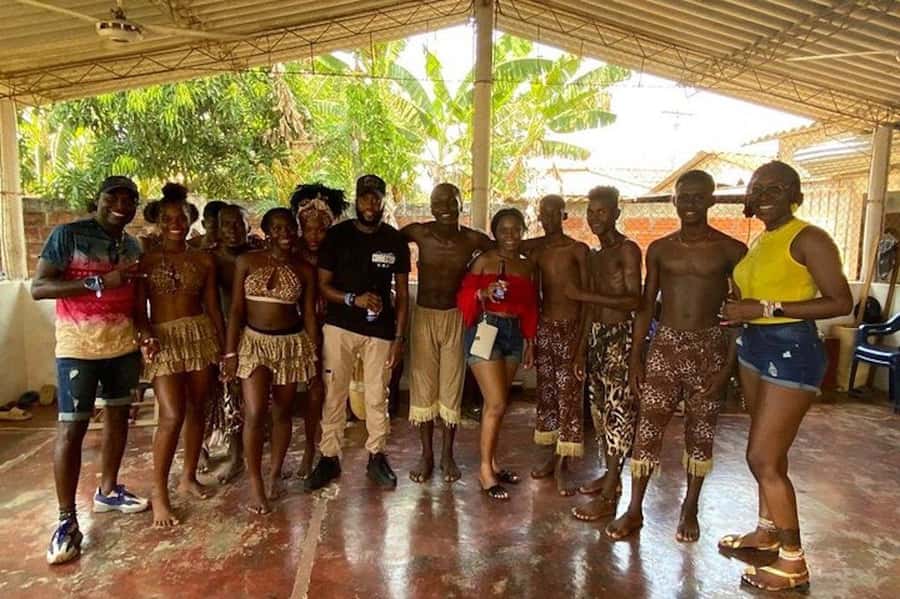
I especially love the way you get hands-on culture, not just pictures. You’ll play drums, learn traditional dance steps, and get a taste of Bantu words from Guinea and Congo through the bilingual guidance of Romeo, with local support from people like Damaso. I also like that lunch is part of the visit, so you leave with a fuller sense of daily life, not only a show.
The main drawback is timing. Pickups pull from all over Cartagena, and the ride plus hotel stops can stretch the day, so bring patience and energy.
Key highlights you should care about
- Drums and dance participation: you join in, instead of watching from the back row
- Bantu language moments: you’re taught specific words from Guinea and Congo
- Multiple Palenque stops: town square, Kombilesa mi house, rap group, museum house, Palenque Viejo, and traditional medicine
- Local lunch included: typical Palenquero food served at the end of the day
- Road to Emancipation storytelling: slavery and resilience are addressed honestly
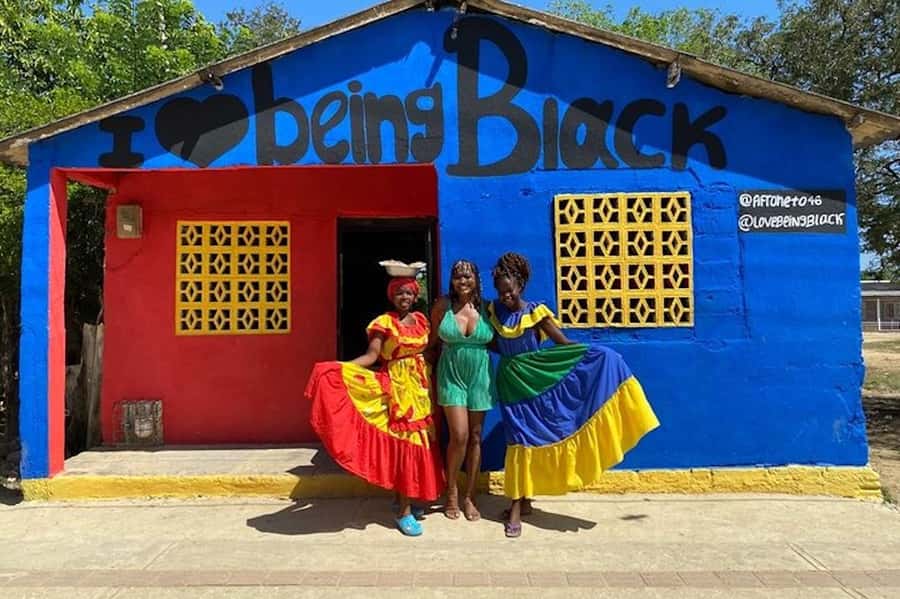
- A memorable photo pause: quick stops for pics at the YO AMO A PALENQUED letters
A 400-Year Corner of Africa You Can Actually Step Into
The best part of the Palenque experience is simple: you’re not just reading history, you’re in the living place where that history kept going. San Basilio de Palenque sits in Bolívar, and the tour frames it as a connection to African ancestors and the roots of Palenque culture. That connection is the spine of the day.
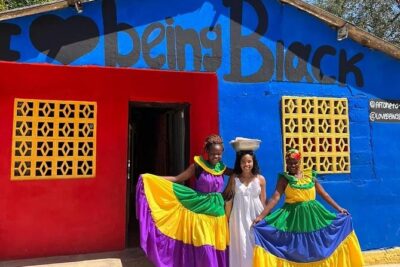
Even before the formal stops, the tour sets you up to pay attention. The guides orient you to what you’re about to see, and the tone is clear: this is about identity, survival, and creativity. One reason people keep mentioning this trip is that the story does not get softened. The sensitive topic of slavery is treated honestly and candidly, then it moves toward what people built afterward: community, language, dance, and pride.
You’ll also notice the day is designed for participation. The dance show is not just a performance for visitors. You learn steps and join in, including drumming. If you can handle a bit of embarrassment and keep smiling, this part is fun in a real way.
More visits to San Basilio de Palenque:
- Tour De Palenque, Road to Emancipation.
★ 5.0 · 1,678 reviews - Freedom Tour of Palenque
★ 5.0 · 467 reviews - San Basilio de Palenque History Tour
★ 5.0 · 301 reviews
Romeo and Damaso Lead With Culture, Language, and Real Involvement
A lot of tours say they’re cultural. This one tries to make the culture tangible fast. The bilingual live guide team (Spanish and English) explains what you’re seeing as you go, and that matters because Palenque is not a museum village. It is a community with people who still carry knowledge.
You’ll get language learning built into the flow. The tour includes a guide teaching you some words in Bantu language from Guinea and Congo. It’s short, but it’s meaningful. You’re not learning for a test, you’re learning to recognize how language is part of identity.
And then there’s the rhythm. You’ll enjoy the dance show and learn the traditional dance steps while you play drums. This is where the tour earns its value, because it gives you a role, not just a seat. Even if you feel uncoordinated, you’ll still get something from it, since the goal is participation and respect, not perfection.
From the feedback, Romeo and the local team do a strong job of connecting the history to the present. You also get that sense that the real experts are the Palenque community members, including dancers, artisans, and curanderos. The tour feels like it’s introducing you to people, not extracting a “cultural product.”
The Stops Inside Palenque: Square, Kombilesa mi, Rap, Museum House, Palenque Viejo
Once you reach San Basilio de Palenque, the day becomes a sequence of purposeful stops. The tour is described as about a 5-hour visit in Palenque, and those stops are paced to keep the story moving.
Town square stop and a feel for community life
The first big checkpoint is the town square. This is where you get oriented fast. The square stop matters because it gives context. Palenque is about community space, social identity, and continuity. It’s also the kind of place where you can see how the day’s activities fit into regular village life.
A few more Cartagena days worth comparing
- Cartagena Island Hopping: 5-Stop Rosario Islands Tour with Lunch
★ 4.5 · 4,903 reviews - Cartagena: Historic Center and Getsemaní Shared Walking Tour
★ 4.9 · 2,716 reviews - Cartagena: Rosario Islands Catamaran with Lunch and Snorkel
★ 4.5 · 2,479 reviews - Full-Day Rosario Islands Including Barú, Bocachica & Playa Blanca
★ 4.0 · 1,729 reviews
House of Kombilesa mi
Next you’ll visit the house of Kombilesa mi. This stop is important because it keeps the tour rooted in local tradition, not a staged version. You’re seeing a home-based cultural anchor, which helps you understand that these traditions are lived, taught, and carried forward.
Folkloric rap group and modern voices
You’ll also stop at the folkloric rap group. This is one of the more interesting contrasts on the itinerary. It signals that Palenque culture is not trapped in the past. People use contemporary music forms while keeping local themes and identity at the center.
Museum house and historical memory
Then comes the museum house. The purpose here is to give structure to the story you’re already absorbing through dance and conversation. If you’re the type who likes a place where the history is organized and explained clearly, this is a key stop.
Palenque Viejo
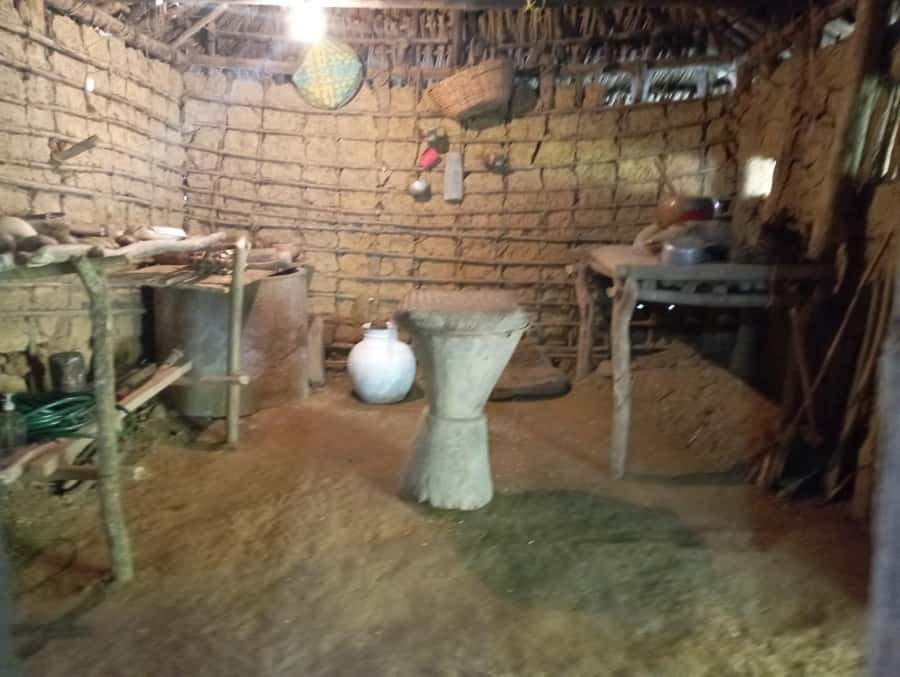
The tour continues on to Palenque Viejo. This is one of those names that makes you want to lean in, because it suggests older layers of the settlement and legacy. Even without going into extra details, the stop works as a reminder that Palenque’s identity has been maintained through generations, not invented recently for tourism.
Traditional medicine
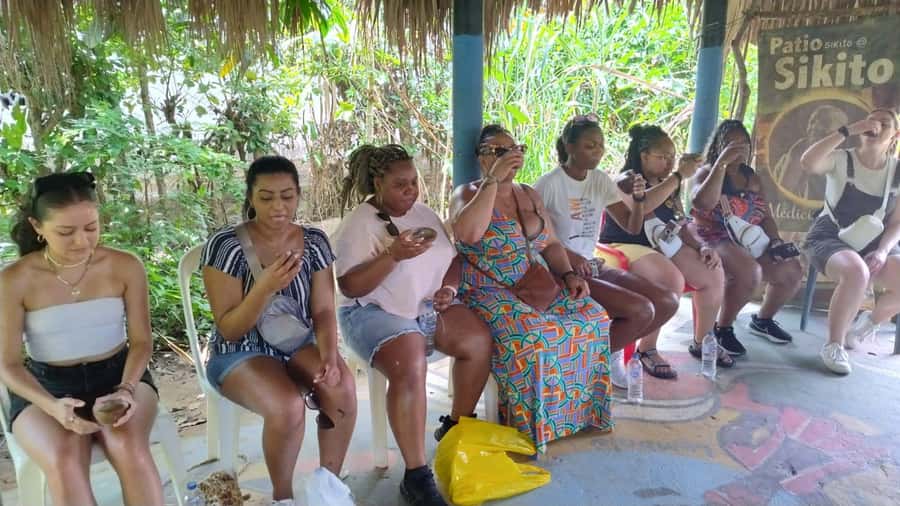
Finally, there’s a stop related to traditional medicine. One review mentioned a herbalist’s explanation reinforcing how knowledge is passed down and used to serve the community. This is a different kind of learning than dance or language, but it fits the same theme: heritage as living practice.
Road to Emancipation: What You Learn and Why the Delivery Matters
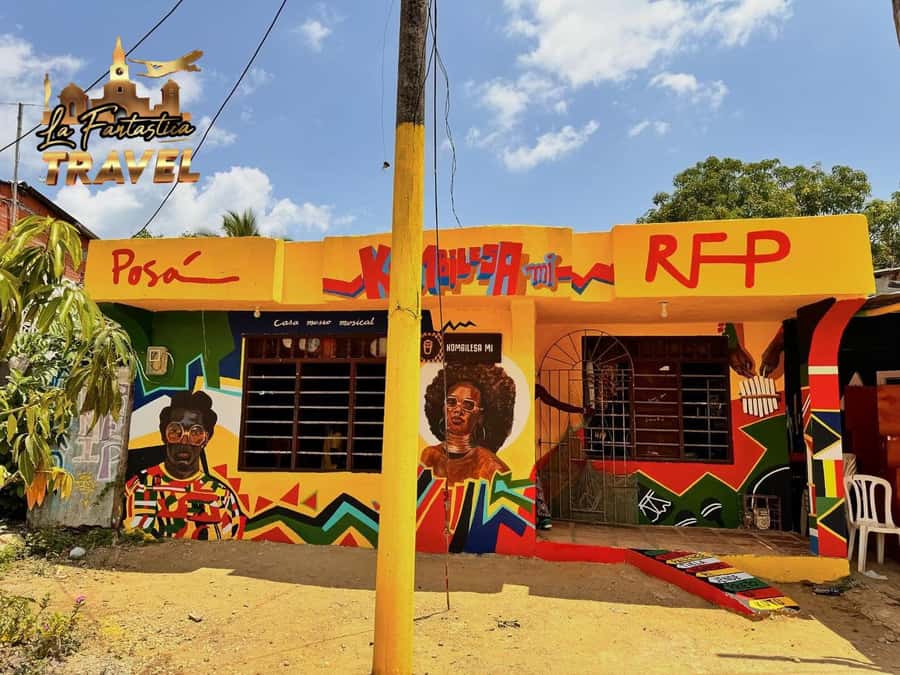
This tour’s name is Road to Emancipation, and that is not marketing fluff. You’re guided through the history of the first free people of America, connecting Palenque’s story to African roots and the long path from oppression to self-determination.
The most useful thing here is how the tour handles the topic. One guide story emphasized that slavery is addressed honestly and candidly. That tone matters because it prevents the “only happy parts” version of history. You come away understanding that freedom was won under brutal conditions, and then protected through community strength.
What you’ll likely remember most is the mix: history, culture, and everyday joy in the present. Several comments highlight the joy of young people in Palenque as a highlight. That contrast is powerful. It turns emancipation from an abstract word into something you can see in how people live today.
Lunch in Palenque: Typical Palenquero Food and Smart Ways to Order
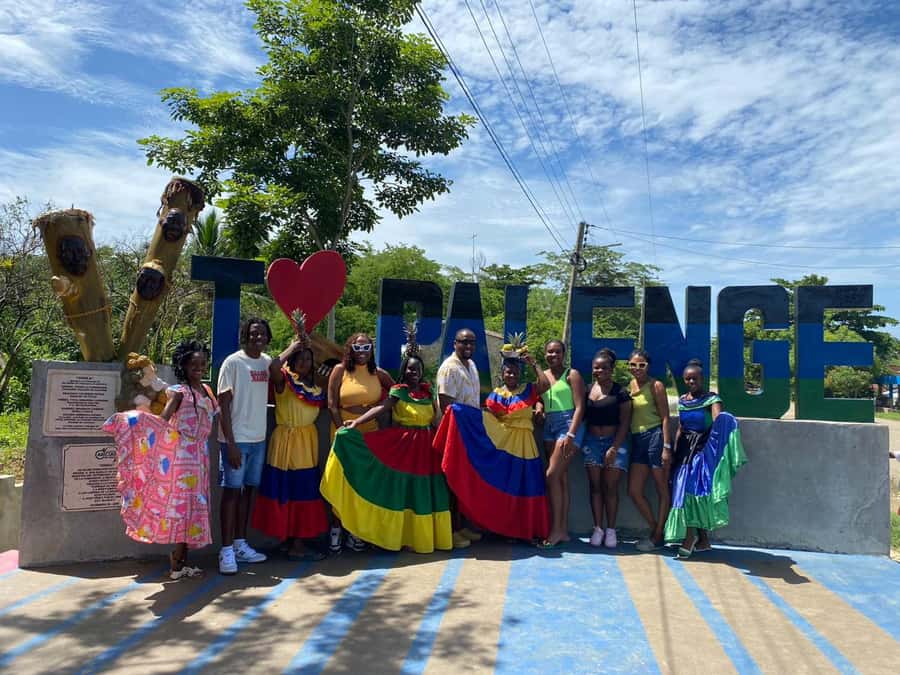
Lunch is included, and it lands at the end of the Palenque visit. That timing is good. By then, you’ve done the walking and the activities, and you’re ready to eat without rushing.
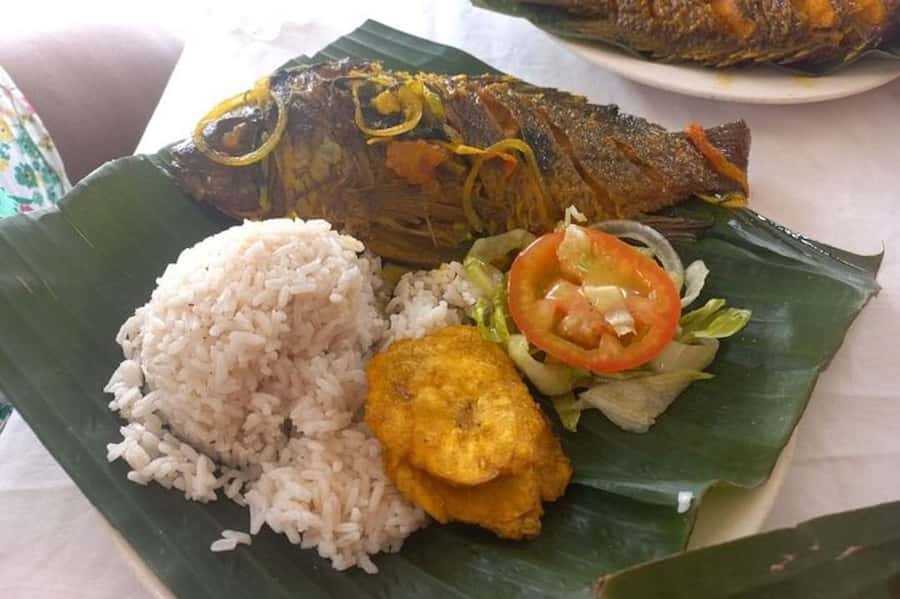
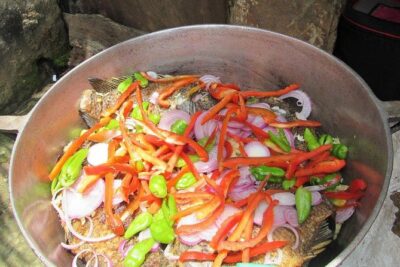
You’ll have a delicious typical Palenquero dish. One review mentioned fish cooked in coconut milk, and another noted chicken options, plus a sugar cane juice drink. If that matches what’s being served on your day, you’re in for comfort food with local character.
Practical tip: bring tip money if you plan to take photos or you feel moved by the performers and guides you meet. Several reviews say tipping is part of the respectful exchange in the village context, especially after dance participation and learning sessions.
Also, consider your sun tolerance. It’s hot, and one review noted umbrellas were provided for people who did not bring one. Still, I’d pack light sun protection if you’re sensitive to heat.
Cartagena Pickup Timing: Where You Start Matters More Than You Think
This tour’s rhythm is shaped by pickup. Your exact start time depends on where you’re staying, and that affects the total day.
If you’re in the historic center, pickup is at 8:00 AM at the Clock Tower. If you’re in Bocagrande, Castillo Grande, or Laguito, pickup is between 8:20 AM and 8:45 AM. If you’re in Marbella, Cabrero, Crespo, Cielo Mar, or any hotel in Cartagena’s northern zone and Manzanillo del Mar, pickup is between 8:50 AM and 9:30 AM. If you’re staying in Manga and the island of Barú, you should arrive at the Clock Tower at 8:00 AM.
Why this matters: hotel-to-hotel stops can add time. Even though the tour is listed as 6 hours, a couple of reviews point out that pickup can be longer because many people are collected across the city. So plan to be ready early, and do not schedule anything right after the end of the tour unless you like chaos.
Good news: the transport is described as air-conditioned, and you’ll have bottled water provided. For comfort, I still suggest bringing a light layer for the ride. Cold air can surprise you after a warm morning.
Price and Value: What You Get for $108 per Person
At $108 per person, this isn’t the cheapest way to see Palenque from Cartagena. But it also isn’t just a scenic outing. You’re paying for structure, bilingual guiding, and a set of experiences that connect multiple parts of Palenque culture in one half-day plus.
Here’s the value breakdown in plain terms:
- Transportation plus guiding: air-conditioned vehicle, private transportation, and a native bilingual guide (Spanish and English).
- Performance and participation: a dance show where you learn steps and play drums.
- Learning moments: Bantu word instruction and guided context across several Palenque stops.
- Food included: lunch is part of the price, not an add-on later.
One review criticized the overall cost as too expensive for what it is, and that’s a fair viewpoint if you only want a casual visit. But if you want the full story, you’re getting it here. You’re not just looking at a town, you’re receiving guided context, cultural participation, and a meal.
If budget is tight, consider the trade: cheaper trips sometimes cut learning or remove parts of the cultural program. This one keeps the key elements together.
Who This Tour Fits Best (and Who Might Want to Skip It)
I think this tour is a strong match if you:
- want a culture-forward experience with participation (drums and dance)
- care about history that connects Africa to Palenque and addresses emancipation directly
- like tours where the guide helps you understand what you’re seeing as you go
- are happy with a longer morning due to pickup across Cartagena
You might want to think twice if:
- you dislike structured group schedules, especially early pickups
- you want a quick “look and leave” photo stop with minimal interaction
- you’re sensitive to long days caused by hotel pickup logistics
If you’re the type who enjoys meeting local people and supporting their craft respectfully, you’ll probably feel the day click.
Should You Book This Palenque and Road to Emancipation Tour?
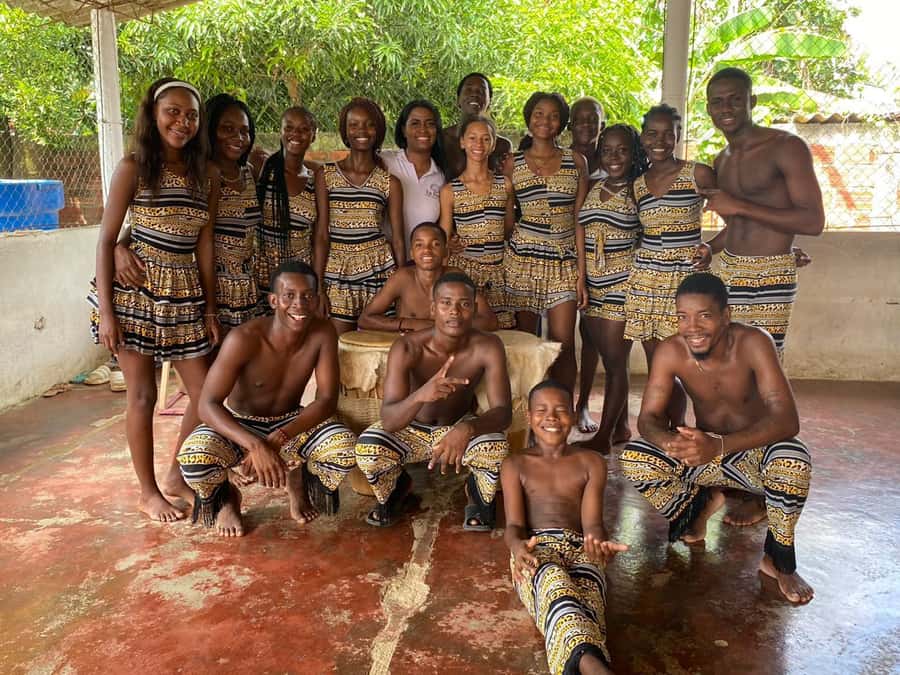
If your goal is to go beyond a basic excursion and actually learn how Palenque culture works, yes, I’d book it. The combination is the selling point: drums and dance participation, Bantu language basics, multiple meaningful stops (square, Kombilesa mi, rap group, museum house, Palenque Viejo, traditional medicine), plus lunch.
Two practical cautions: go in with patience about pickup timing, and bring energy for joining in. If you do that, this is the kind of day that sticks.
FAQ
How long is the Cartagena to Palenque tour?
The tour duration is listed as 6 hours, with the Palenque visit stop lasting about 5 hours.
What is included in the tour price?
It includes air-conditioned vehicle transportation, private transportation, a native bilingual guide, a dance show, lunch (almuerzo), bottled water, and the lunch itself.
Do I need to speak Spanish to go on the tour?
No. The live guide works in Spanish and English.
Where is the pickup meeting point in Cartagena’s historic center?
For guests staying in the historic center, pickup is at 8:00 AM at the Clock Tower.
How do pickup times work for neighborhoods outside the historic center?
Pickup times vary by area. Bocagrande, Castillo Grande, and Laguito are picked up between 8:20 AM and 8:45 AM. Marbella, Cabrero, Crespo, Cielo Mar, and hotels in the northern zone and Manzanillo del Mar are picked up between 8:50 AM and 9:30 AM. Guests staying in Manga should arrive at the Clock Tower at 8:00 AM.
Does the tour include lunch and a dance performance?
Yes. The tour includes a dance show and lunch, and these are noted as included.
Is there free cancellation?
Yes. Free cancellation is offered up to 24 hours in advance for a full refund.
Recently reviewed around Cartagena
- Trendy Cartagena photo/ Video Tour★ 2.9 · 4 reviews
- Playa Blanca Baru from Cartagena City Center★ 4.0 · 4 reviews
- Sunset in Cartagena Bay with Boat Dances and Bar★ 5.0 · 4 reviews
- Taste Cartagena: Street Food and Full City Tour with Expert Guide★ 4.5 · 4 reviews
- Colombian Fruits and Paila Ice Cream Tasting★ 5.0 · 4 reviews
- Private Transfers Airport and Hotels in Cartagena★ 5.0 · 4 reviews
- private tours cartagena de indias★ 4.5 · 4 reviews
- Mud Volcano and Day Trip in Hotel with Lunch★ 5.0 · 4 reviews
San Basilio de Palenque, compared.

Palenque´s tour, dance show, lunch, pick-Up inclu
Read our review →
Tour a san Basilio de Palenque desde cartagena
Read our review →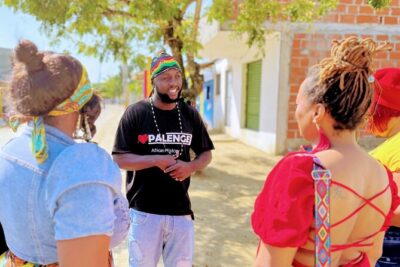
Visit Palenque with natives : history, culture and ancestral legacy
Read our review →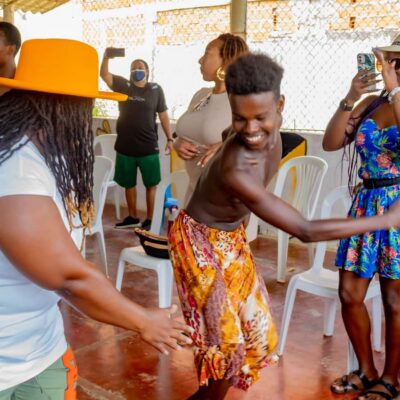
Browse the lists this tour appears in