
Reviewed · SALSA DANCING
Shared Tour Cali’s Salsa, Graffiti & Resistance Experience
Cali’s salsa is more than dance moves. This tour connects the city’s most famous rhythm with street art and social movements, so you see how music, joy, and resistance became a popular lifestyle.
I especially like the storytelling focus and the way guides such as Christian or Cristian explain salsa through history and everyday culture. I also love that you get real street scenes, including salsa murals and activism messages, not just a lecture in one spot.
One consideration: it’s a walking tour that covers about 8 km over roughly 150 minutes, and it is not suitable for wheelchair users. If you hate long walks or you go without hydration, you’ll feel it.
Key Things To Know Before You Go
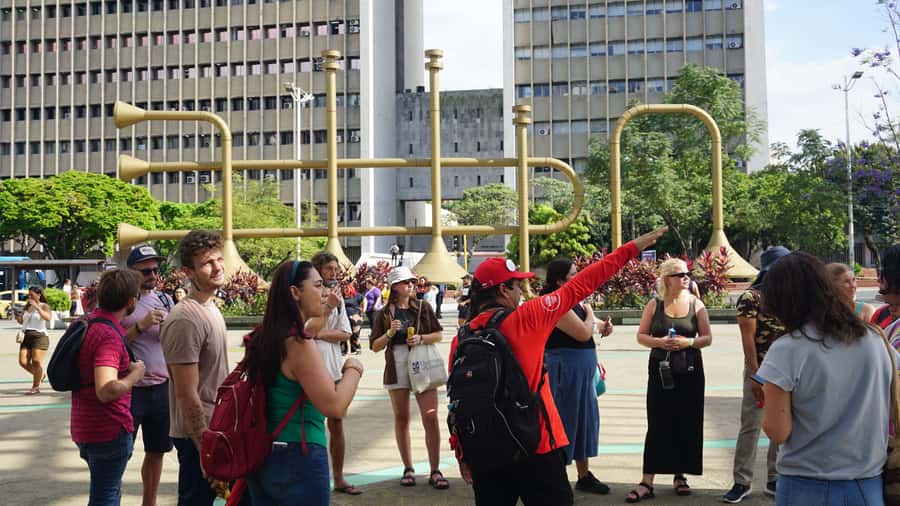
- Plazoleta Jairo Varela red umbrellas mark your easy meeting point before the walk starts
- 150 minutes that move fast, with resting stops, and a total walk of about 8 km
- Salsa as cultura popular with African emancipation and social movements woven into the story
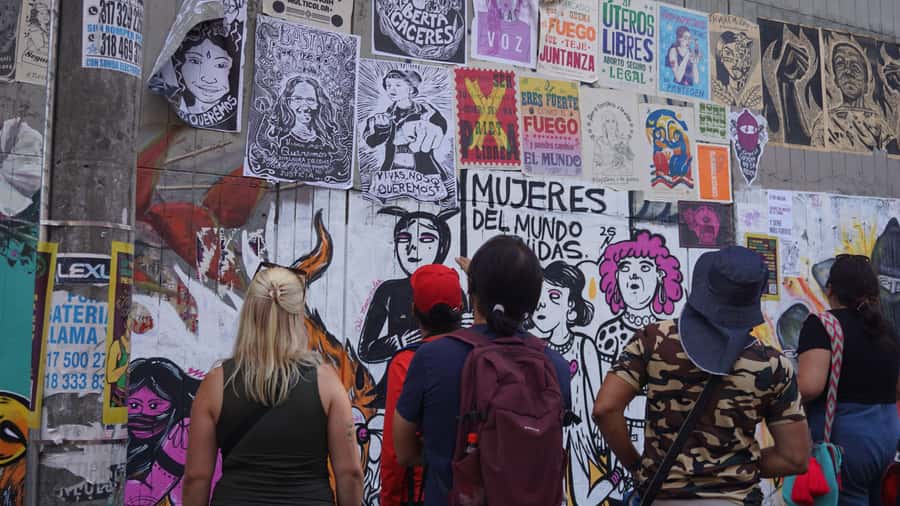
- Murals side-by-side: salsa tributes near more radical activist messages
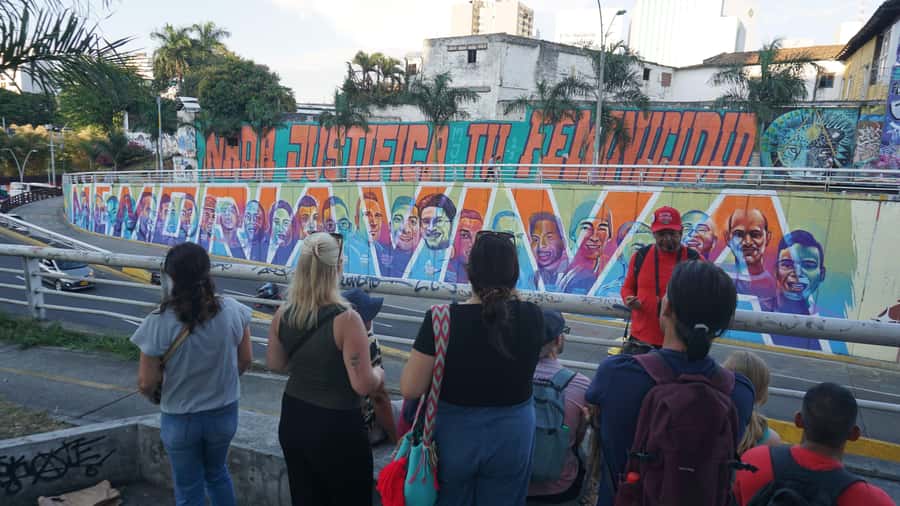
- Graffiti Monument to victims N21 brings the resistance theme into focus
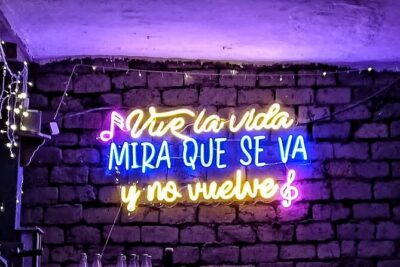
- Salsa cult bar recommendations help you turn what you learned into a night plan
Cali’s Salsa, Graffiti, and Resistance in About 2 Hours
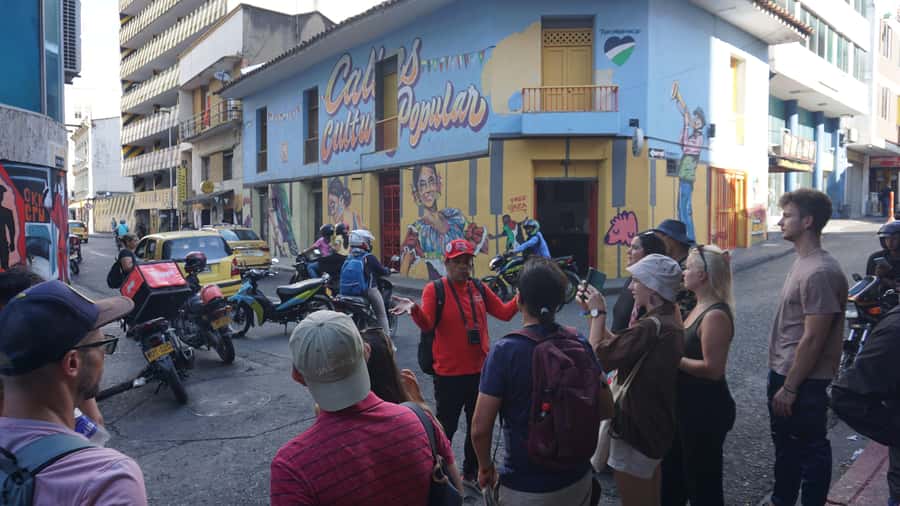
Cali calls itself the salsa capital for good reason. The city has a specific energy, and on this tour you’ll feel it as a mix of nightlife, street creativity, and social urgency. What makes this experience interesting is the angle: you’re not only learning about salsa technique or where to party, you’re learning why salsa became part of cultura popular and why it can carry messages about revolution, love, and protest.
The best part is the pacing. You’re on foot for around 150 minutes, but the tour is built around stops that each say something different. One location might highlight salsa’s musical roots. Another might point you toward murals that honor singers, composers, and dancers. Then you’ll switch gears and face more activist graffiti that reminds you Cali’s creativity also grew alongside social struggles.
You’ll leave with a new lens for salsa. Instead of treating it like a style you learn in a studio, you’ll see it as a social language, something the city uses to connect people and express collective feelings.
More Salsa Dancing in Cali
- Historical Shared Tour Salsa, Graffiti & Resistance in Cali
★ 5.0 · 107 reviews - Salsa Bar Hopping in Cali
★ 4.5 · 43 reviews - Salsa & Music Tour of Cali
★ 5.0 · 42 reviews
From Plazoleta Jairo Varela to an 8 km Social Walk
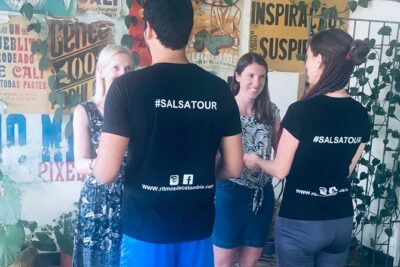
You’ll meet right at Plazoleta Jairo Varela, look for the red umbrellas, and start from the heart of the experience. From there, you’ll walk through neighborhoods tied to Cali’s musical identity, with resting stops along the way. This matters because the tour lasts about 150 minutes, not a quick 45 minute hop. The guide has time to talk, you have time to look, and the stops are part of the rhythm.
Plan for about 8 km on foot. That’s a big enough distance that comfortable shoes are non-negotiable. The tour also visits some crowded areas, so keep your belongings close and your head on a swivel. It’s not unsafe in a scary way, it’s just normal big-city practicality, plus the fact that salsa nightlife culture draws people.
Transportation to and from your hotel is not included, and there are no taxi detours planned. You’re walking, and that’s part of the point. You get streets, colors, and wall messages, not just a view from a vehicle.
How Salsa Became Part of the Popular Culture, Not Just a Genre
Here’s the worldview shift this tour is aiming for: salsa is not only a sound. It’s a historical process and a social legacy. The tour frames salsa through African emancipation and the cultural contributions that ancestors carried into new communities. That thread matters because it explains why salsa feels communal. It’s built for connection, storytelling, and shared movement.
You’ll also hear how salsa traveled and changed. The story includes its beginnings in the Caribbean Antilles, its big musical mixes, and its definition and growth through New York. Then, crucially for Cali, you’ll see how the city’s salsa boom years (between the 60s and 80s) shaped what people came to recognize as the Cali sound and style.
When the guide talks about lyrics as social manifestos and emotional history, the meaning sticks better than a list of facts. You start noticing how salsa can hold multiple truths at once: romantic and political, joyful and urgent. That’s why murals matter so much in this tour. They turn a lesson into something you can point at.
Plazoleta de la Caleñidad: Where Cali’s Identity Shows Up in Public
One of the tour’s anchor stops is Plazoleta de la Caleñidad. This is where the tour leans into the idea of local identity. Cali is often described through nightlife and salsa technique, but caleñidad is bigger than dance. It’s about the city’s attitude, how people relate to one another, and how culture turns into a daily vibe.
Expect the guide to connect salsa to everyday life, not just performance. You’ll hear why salsa is treated as a popular lifestyle and how social movements can grow from the same energy that fills dance floors. This stop is useful because it gives you a framework early. Once you understand what the guide means by cultural belonging, later murals and street messages hit harder.
More salsa nights in Cali:
- Friday Night Street Salsa and Bar Crawl in Cali, Colombia
★ 4.5 · 24 reviews - Friday Salsa Pub Crawl in Cali
★ 4.9 · 23 reviews - RiCo Salsa Tour: Cali Real
★ 5.0 · 15 reviews - Cali Salsa Tour: Learn the history, dance and play instruments
★ 5.0 · 14 reviews
Calle del Pecado: The Street of Flavor and the Joy Side of Resistance
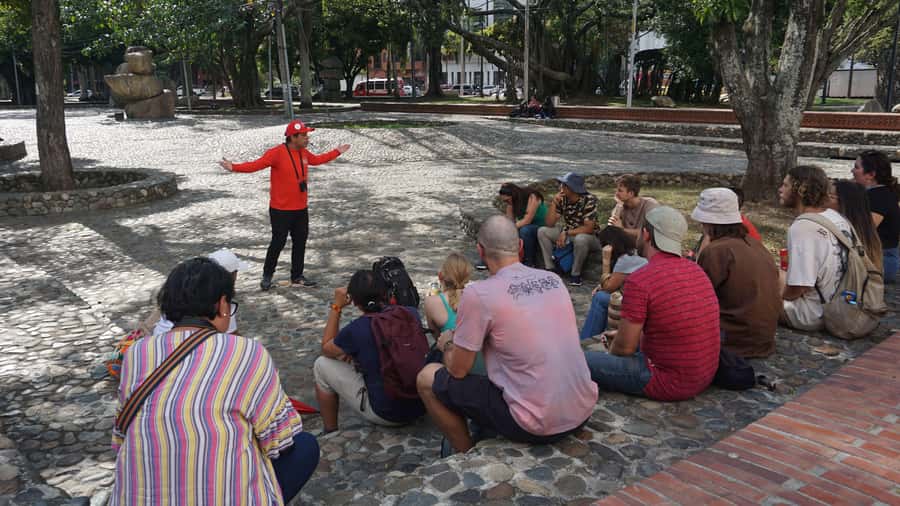
Then you’ll head to Calle del Pecado, also called the street of flavor. The name sounds playful, but the point of the stop is deeper than that. It’s where the tour acknowledges the salsa side most visitors first notice: the thrill, the movement, the nightlife personality.
What I like about this stop is that it keeps the tour honest. If you only treated salsa as politics, you’d miss why people keep dancing. Calle del Pecado helps balance the story, showing how joy, desire, and community energy exist alongside struggle.
For you, this matters because it stops the tour from becoming heavy all the way through. It gives you a place to breathe, take photos, and then refocus when the tour turns more activist.
The River Boulevard Curve: Rhythm You Can See in City Shape
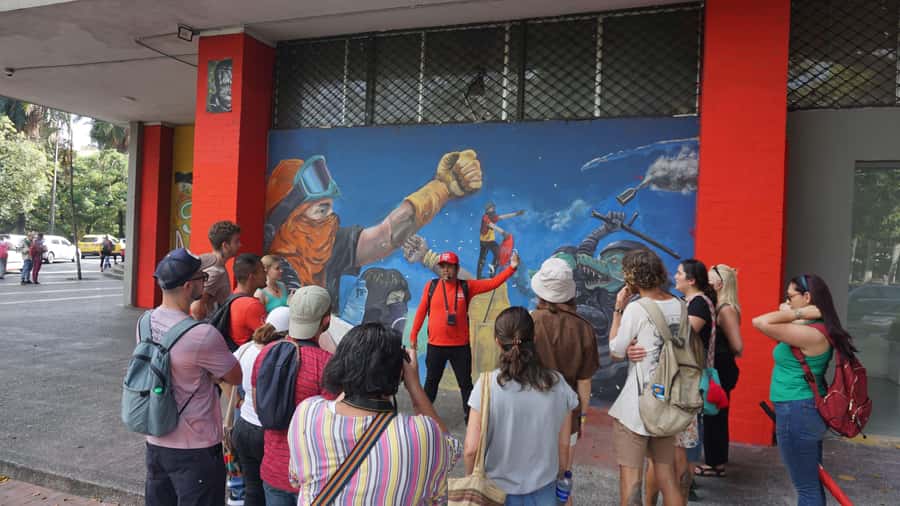
The tour includes the Curve of the River Boulevard. This kind of stop is important because it reminds you that culture lives in space. The guide uses the city layout to explain how Cali’s rhythm feels physical, like it’s embedded in how people gather and move.
I’d use this moment to slow down. Look at the street art, notice how people flow through the space, and listen to how the guide connects that to salsa’s social function. It’s one of those stops where the explanation helps you see the city as a living stage, not a backdrop.
If you rush here, you’ll miss the value. This stop works best if you pause, take a few photos, and let the guide’s connection between environment and culture land.
World Cup Tunnel and 5th Avenue: Urban Symbols and Musical Memory
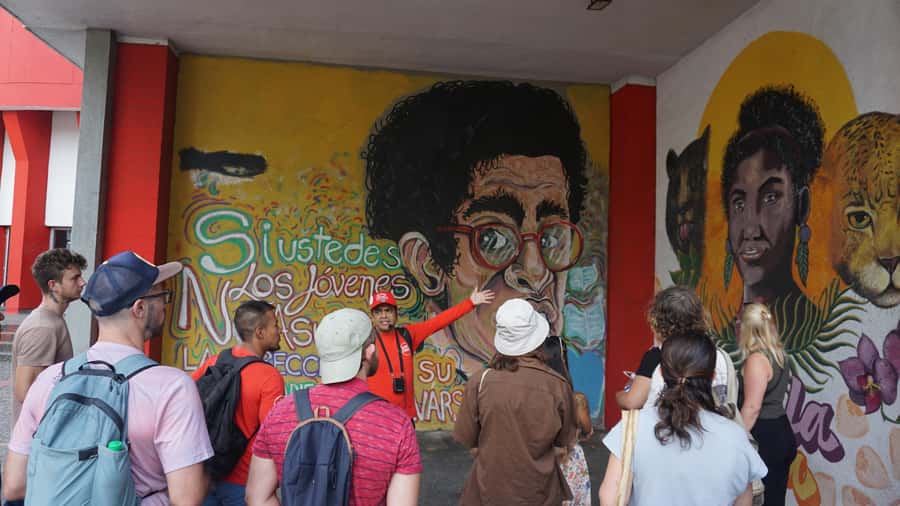
Next up: World Cup Tunnel and 5th Avenue. These stops lean into how Cali marks memory through public spaces. The guide links street locations with the broader story of salsa culture and the way the city carries identity through places people pass every day.
Tunnels and avenues can feel like “just infrastructure” if you’re not listening. But on this tour, they become symbolic. The guide uses them to show how music and social life overlap in the city fabric, not only in clubs.
Practical tip: tunnels and corridors can change sound and light, so your photos might look better if you give yourself a moment to find the angle. Also, keep water in mind. You’re still walking, and the tour covers a lot over two hours.
Graffiti Monument to Victims N21: When Art Turns Into a Message
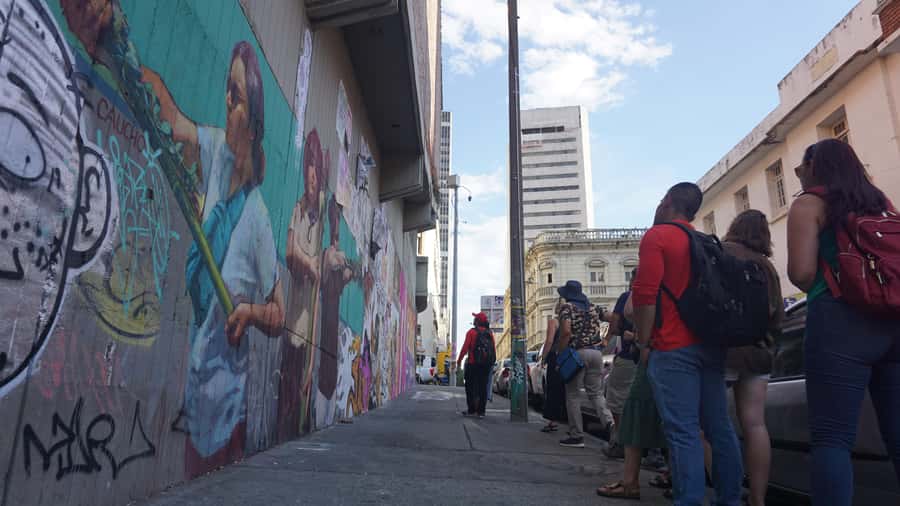
Then comes one of the most meaningful stops: the graffiti monument to victims N21. This is where the resistance theme stops being theoretical. You’ll see art that honors people and points toward social struggle.
Expect a respectful tone here. The tour frames murals as tools of both remembrance and protest. And because the tour later (and earlier) shows salsa tribute murals, you start noticing something: salsa characters can be painted right near more radical messages. That contrast is the entire lesson. Cali’s art does not exist in a bubble.
For you, this stop is a reminder to look at the walls closely. Don’t just take a quick photo and move on. Read what you can, listen to the guide’s context, and try to understand the message behind the paint.
Cult Salsa Bars: Turning What You Learned Into a Night Plan
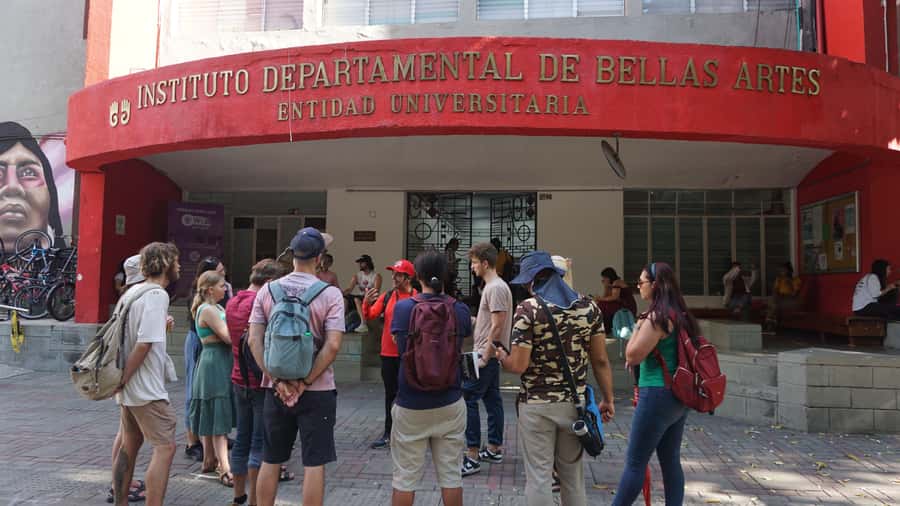
Toward the end, the tour points you toward cult salsa bars. The guide’s job here is not to sell you on one place, but to help you connect what you learned on the streets with where you can actually feel it at night.
You’ll also have the chance to think about your next steps with a more informed mindset. If salsa history and social meaning now feel real to you, you’ll likely pay different attention in a bar or club. You might watch how people move together, how the music becomes a conversation, and how the energy shifts when the room commits to the rhythm.
This is a smart value add. A lot of tours leave you inspired but directionless. Here, you get recommendations for where to go after the walking part ends.
Price and Value at Around $13 for a Guide-Led Walk
At about $13 per person for roughly 150 minutes, the value is strong for a few reasons.
First, you get a professional local guide with accurate knowledge of Cali’s salsa history and its connection to cultura popular. That kind of context is where many bargain tours fall short, because they treat salsa as trivia. Here, the guide frames salsa as a historical and social process.
Second, the tour includes the key sightseeing elements you want for this theme: salsa movements tied to Cali’s story, active street art murals, and the specific murals and messages that connect music to resistance. You’re not paying extra for entrances or tickets, and the tour avoids places that create sudden additional charges.
Third, there are partner benefits if you show a free walking tour map from the guide network. You don’t need to think about this as a discount hunt. Think of it as a way the guides help you keep momentum after the tour.
So yes, it’s inexpensive. But it’s also structured like a real guided experience, not a casual wander.
Who This Tour Fits Best, and Who Should Skip It
This tour is a great fit if you want more than a nightlife tour. You should enjoy it if you like:
- learning how culture connects to history and social life
- street art sightseeing that comes with context
- salsa as a living identity, not just a performance
It’s also good for people who plan to dance later. The tour sets you up to understand why Cali salsa feels the way it does, including how the city’s social struggles and community energy shaped the vibe.
Skip it, or at least think twice, if:
- you can’t walk about 8 km
- you need wheelchair-friendly access, since it is not suitable for wheelchair users
- you get irritated by walking tours without included food or drinks, because those are not part of the package
Bring water, wear comfortable shoes, and keep your expectations realistic. This is an active, street-focused experience.
What You’ll Take Away From Cali’s Rebel Salsa
The tour’s big payoff is the lens it gives you. You’ll understand salsa as a social movement with lyrics that can carry revolution, heartbreak, historical events, and manifestos. You’ll connect that to why Cali has such effervescence, why art shows up in public space, and why people use music as a tool of resistance.
And you’ll see how the city paints its identity. Salsa characters in murals can feel celebratory, then you’ll find activist messages close by. That pairing explains how Cali can be joyful and serious at the same time.
If you care about authentic travel, this style works. It shows how culture travels through the streets, and it helps you read Cali like a message you can walk through.
Should You Book This Salsa, Graffiti, and Resistance Tour?
Book it if you want an informed, street-level Cali experience that links salsa to social meaning. With a guided story, clear sightseeing stops, and recommendations for what to do next, you’ll leave with a practical plan and a better understanding of why Cali salsa is more than dance.
Skip it if you want a relaxed sit-down format, or if long walking is a dealbreaker for you. This is about movement, listening, and looking at walls as much as it is about music.
If you go in with an open mind and comfortable shoes, you’re likely to love how the city’s murals and salsa story fit together into one coherent feeling.
FAQ
Where is the meeting point?
Meet at Plazoleta Jairo Varela with the tour’s red umbrellas.
How long is the tour, and how much do we walk?
The tour lasts about 150 minutes (around 2 hours). You’ll walk about 8 km, with resting stops.
What is included in the price?
Included are a professional Beyond Colombia tour guide, history and connections between salsa and cultural popular revolution, sightseeing of representative salsa movements and street art murals, and recommendations for salsa cult bars. There may also be benefits and discounts with recommended partners if you show their Free Walking Tour Map.
What is not included?
Drinks, food, or souvenirs are not included. Transportation to and from your hotel is not included, and the tour is primarily walking with resting stops. Tickets or entrances are not included, and the tour is not an exclusive guide experience.
What languages are available?
The live tour guide runs in Spanish and English. There is also an optional audio guide in Spanish.
What should I bring, and is anything not allowed?
Bring comfortable shoes, a camera, and water. Smoking is not allowed.
Is this tour wheelchair accessible?
No. It is not suitable for wheelchair users.
More Graffiti Tours in Cali
- Medellin: Comuna 13 Graffiti Tour, Cable Car & Street Food
★ 4.8 · 9,046 reviews - Comuna 13 Graffiti Tour with Street Food
★ 5.0 · 7,503 reviews - Graffiti Tour: a fascinating walk through a street art City
★ 5.0 · 1,074 reviews - Graffiti Tour | Commune 13 guided by locals
★ 5.0 · 489 reviews
Recently reviewed around Cali
- Private Transfer from Cali Airport (CLO)★ 5.0 · 4 reviews
- Historical Walking Cali City Tour 3H★ 5.0 · 4 reviews
- Roundtrip Private Transfer from Cali Airport (CLO)★ 5.0 · 5 reviews
- Trekking & Rivering Reserve Pericos★ 5.0 · 5 reviews
- Cali: Bird Watching | Birding in the cloud forest at kilometer 18★ 4.5 · 5 reviews
- Private Tour in Cali with Salsa Class, Museums and Local Food★ 5.0 · 6 reviews
- Cali Mountain Bike Ride★ 5.0 · 6 reviews
- Alameda Market Food Tour★ 5.0 · 6 reviews
Salsa Dancing, compared.

Salsa & Bachata Nightlife Tour in Medellín with a Local Dancer
Read our review →
Historical Shared Tour Salsa, Graffiti & Resistance in Cali
Read our review →
Salsa Tour in Cartagena with admission Ticket to Café Havana
Read our review →

Browse the lists this tour appears in