
Reviewed · SAN BASILIO DE PALENQUE
Ethnotouristic route to Palenque first free town in America
Palenque de San Basilio is interesting because it is one of the rare living places in Colombia where African roots are not a museum story, they are part of daily life. This ethnotouristic day takes you from Cartagena into a community built by runaway enslaved people, where traditions like Palenquera language, funeral rituals, music, and healing practices still matter.
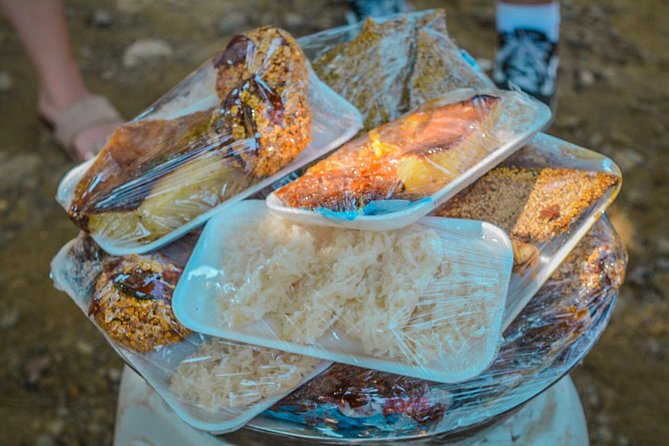
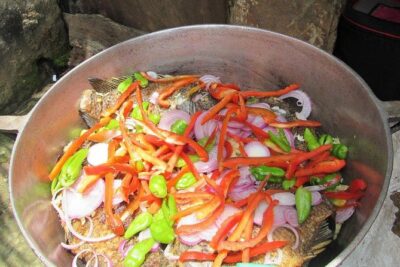
I especially like two things here. First, you get more than facts, you get context for how community ties work, including the kuagro age-group system and the social rules that keep people looking out for each other. Second, lunch is genuinely part of the experience, with local food sellers and dishes like fried fish with coconut rice and sancocho, plus refreshing drinks like sugar cane.
The main drawback to consider is simple: it gets hot, and the facilities can be basic. If you are unlucky with the van comfort or bathroom setup, the culture will still be worth it, but you need to plan smart.
Key highlights you will care about
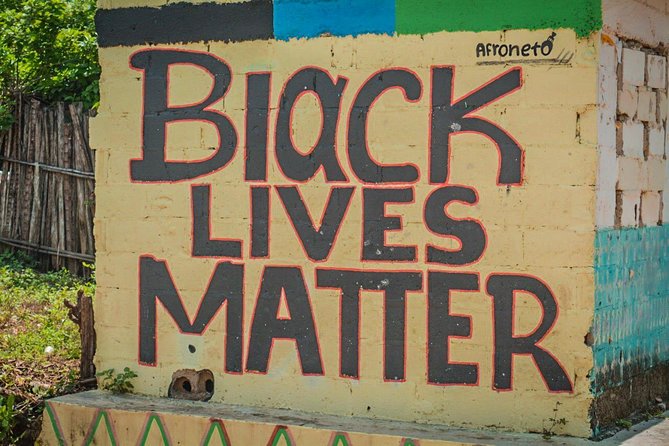
- Family and age-group culture (kuagro): how rights, duties, and solidarity shape everyday life
- Palenquera language: a Spanish-based Creole with Bantu grammar, still used to strengthen community
- Music beyond performance: songs for baptisms, weddings, and religious parties, plus instrument learning
- Medicinal hut visit: homeopathic-style remedies and local explanations of healing and spirit
- Lunch that tastes local: options often include fish, lentils, salads, or sancocho
- Bring cash and shade: small bills for vendors, plus a hat or umbrella for long outdoor stretches
Palenque de San Basilio, Cartagena style: what you are really signing up for
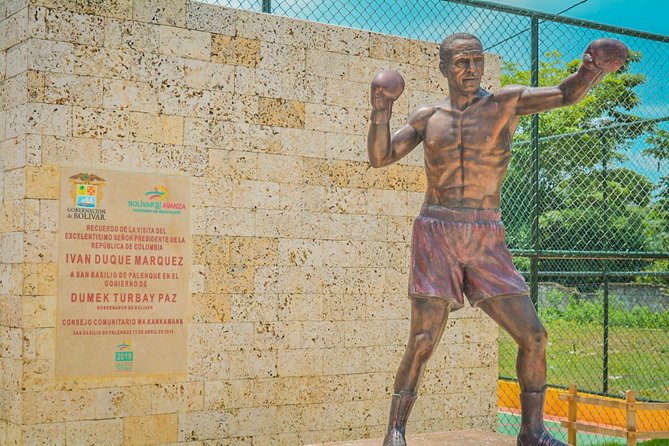
This is not a speed-through photo stop. You are spending a full day on an organized route, with the real focus on Palenque de San Basilio, a fortified refuge community known as palenques, founded in the 17th century by runaway enslaved people. Only San Basilio has survived to today, and that is why the visit feels different. You are not just learning about the past. You are meeting an active cultural space where traditions are practiced, explained, and shared.
In the community, daily social organization runs through family networks and age groups called ma-kuagro, also referred to as kuagro. The point is not theory. It is how people coordinate work and events, and how they support each other through major life moments like illness and funerals. The day gives you a window into that system, including how medical and spiritual practices frame life and death.
Music is also not treated as entertainment only. You will hear about and often see how collective celebrations use palenque musical expressions such as sitting Bullernege, Son palenquero, and Son de negro. These show up in events like baptisms, weddings, and religious gatherings. Even if you are not a music person, this helps you understand that culture here is organized around relationships.
More visits to San Basilio de Palenque:
- Tour De Palenque, Road to Emancipation.
★ 5.0 · 1,678 reviews - Freedom Tour of Palenque
★ 5.0 · 467 reviews - San Basilio de Palenque History Tour
★ 5.0 · 301 reviews
Price and value: what $79.73 buys you for 7 hours
At $79.73 per person for about 7 hours, the value comes from the combination of transportation time plus an organized, structured visit that goes beyond a quick walk. You are paying for a guided cultural experience in a community setting, not just for a bus ride.
Two parts drive the value. First, lunch is included. Multiple visitors mention homemade-feeling meals and very good portions, including fried fish with coconut rice and lentils and, for some, sancocho. Second, the admission ticket for the experience area is free, so the cost is mainly about guidance, access, and time.
What is not included is alcohol. So if you plan to drink, budget extra. You will also want some Colombian pesos for small purchases, vendors, snacks, and practical items. One clear theme from real-day experience is that local places may not take cards or other payment types, so bring cash before you arrive.
Getting there from Cartagena: timing, comfort, and heat
Start time is 8:00 am, and you can expect a morning departure with pickup from Cartagena. The ride itself is often around an hour once the group has gathered, but the day can still feel long because Palenque is not a stay-in-a-cooled-building kind of place.
Plan for heat. Reviews consistently emphasize that you should bring a large hat or an umbrella, plus sunscreen. Even when the tour has air-conditioned transport, once you are outside walking and standing in sun, you feel it fast.
Also consider comfort on the ride. Some people report the van or shuttle as fine, others say it was not comfortable or the AC was weak. If you are sensitive to cramped seating or hot air, pack patience, water, and something light to cover your shoulders.
Stop in Palenque de San Basilio: the 2-hour cultural visit that shapes the whole day
The core visit is San Basilio de Palenque, where the experience time connected to the main community visit is about 2 hours. This part is the reason the day is worth taking.
Here is what you can realistically expect, based on how the tour is commonly run:
A few more Cartagena days worth comparing
- Cartagena Island Hopping: 5-Stop Rosario Islands Tour with Lunch
★ 4.5 · 4,903 reviews - Cartagena: Historic Center and Getsemaní Shared Walking Tour
★ 4.9 · 2,716 reviews - Cartagena: Rosario Islands Catamaran with Lunch and Snorkel
★ 4.5 · 2,479 reviews - Full-Day Rosario Islands Including Barú, Bocachica & Playa Blanca
★ 4.0 · 1,729 reviews
1) A first look and easy entry: photos, landmarks, and introductions
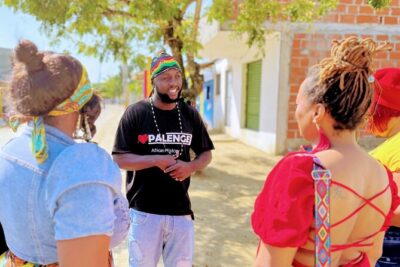
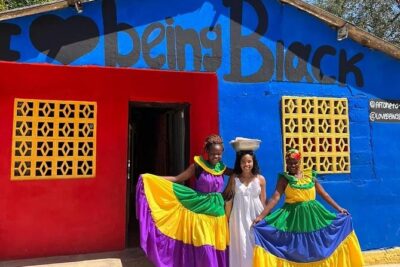
You typically begin with a quick orientation inside the community. Many days include a photo moment at a Palenque sign and then a short walk to get oriented. You will likely meet your guide and translator setup here, and this matters because Palenque is where the cultural details live.
2) Music school and traditional instruments
A frequent highlight is a stop at a music school, where you learn about traditional instruments and often catch an impromptu performance. This is a great stop for two reasons. It makes the musical names you hear in the explanations more concrete, and it shows how skills get passed on in daily teaching, not just during special events.
3) A traditional home experience
Another common segment is a tour of a traditional Palenque home. You might even get hands-on participation, like crushing traditional rice as part of the cooking or food preparation story. This is not about being perfect at it. It is about understanding how food work links to family life and community roles.
4) Medicinal hut and spiritual healing context
Then comes the medicinal hut visit. This is often described as a powerful part of the day because it connects healing, home remedies, and spiritual explanations. On some days, you may be offered a traditional alcoholic beverage as part of the presentation, along with information about homeopathic-style remedies and herbs you can buy.
This is one of the best reasons to take this tour instead of trying to DIY your way in. You get interpretation for practices that are not meant for a quick tourist checkbox.
5) Language, rituals, and daily community structure
Even when the tour pace feels a bit fast, you should come away with a sense of Palenquera language and how it helps reinforce social cohesion. You also learn about the cultural framework around life and death, including funeral rituals and the way different spiritual and cultural systems overlap.
If you are the type who loves “how people actually live,” this stop is for you. If you are expecting a tidy list of colonial dates, you might feel a little impatient. This is about living culture and systems.
The guide factor: English support, translator use, and who you might meet
Guides vary, and language support is one of the biggest practical differences day to day.
Some tours include guides who work smoothly in English. Names that show up in real experiences include Victor and Albert, both described as informative and friendly. If your guide is Spanish-only, you may get help through a translator and speaker setup. That can work well for smooth explanations, but if translations are unclear, you will miss nuance. One day can feel like a full conversation, another can feel like listening to a stream of phrases.
What you can do to fix this yourself: come with curiosity, not big demands for dialogue. Ask short questions. If you care most about one area, pick it in advance. For example: kuagro and social roles, Palenquera language, or medicinal practices. Then ask about that specifically.
Lunch in Palenque: why it is more than included food
Lunch is included, and it shows up in feedback as a top reason people feel happy after the tour. The meals are described as fresh and homemade-style, and visitors often note two things: portion and flavor.
Common mentions include:
- fried fish with coconut rice, lentils, and salads
- sancocho
- sugar cane drinks
This matters for your day because it gives you energy for the heat and walking. It also gives you a chance to buy something small from local food vendors, which supports the community economy beyond the tour fee.
One small caution: if you want water or extra drinks, have Colombian pesos ready. Cash tends to be the easiest way to handle it in the moment.
Bathroom, cleanliness, and other real-world stuff
Not every day is perfect. Some visitors report poor bathroom facilities and concerns about cleanliness. That does not erase the cultural value, but it does affect comfort.
My practical advice: go into this tour with the mindset of visiting a working community, not a polished tourist site. Use sunscreen, hydrate, and plan your bathroom needs. Also bring a small towel or wet wipes, just in case the facilities are basic.
What to bring (so the day feels easy instead of miserable)
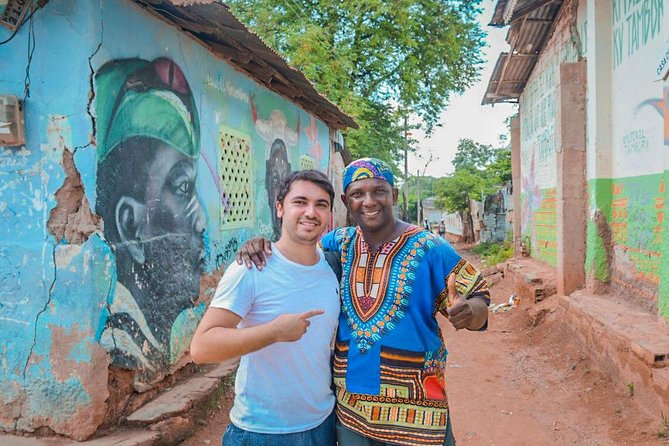
This is a heat-heavy, outdoors-heavy tour day. Pack for sun and small payments:
- a large hat and sunscreen
- an umbrella or light shade tool
- Colombian pesos in small bills for vendors and souvenirs
- a small snack for longer gaps
- basic comfort items like wet wipes or a small towel
If your plan is to buy herbs or small items from the medicinal hut area, have cash ready. Also plan on tipping where appropriate. Many people mention that small tips are part of the flow, including around toilets and certain stops.
Who this tour is best for
You will enjoy this most if you care about living Afro-Colombian culture and you like explanations tied to everyday life, not just architecture or ruins.
It is a great fit for:
- history-minded travelers who prefer culture over facts-on-a-timeline
- people interested in language and music traditions
- visitors who want a guided, respectful look at community practices
- couples and friends who are comfortable with a warm outdoor day
If you are hard to please about bathroom conditions, or you want a long English Q&A with deep back-and-forth, you may find the day too structured. In that case, come with a clear focus, and let the guided explanations do the heavy lifting.
Should you book this Palenque tour or skip it?
Book it if you want one strong day focused on Palenquera language, Afro-Colombian community structure, and practical stops like music and medicinal explanations, with lunch included. At this price point, the cost feels fair because you are buying guidance plus access to an active cultural space, not just transportation.
Skip it if you are expecting luxury comfort, spotless facilities, and nonstop English conversation. The ride can be less comfortable than you hope, and the bathroom situation can be hit or miss. Also, if you are very sensitive to heat, plan carefully or you may feel miserable.
My take: bring shade, bring cash, go with curiosity, and you will likely leave with more than photos. You will understand how culture keeps working in real life.
FAQ
How long is the tour from start to finish?
The tour runs for about 7 hours, starting at 8:00 am. The main Palenque experience time tied to the visit is about 2 hours.
Is lunch included?
Yes. Lunch is included in the tour price.
What admission or tickets are included?
The admission ticket for the Palenque experience is free.
Is alcohol included?
No. Alcoholic beverages are not included.
What fitness level do I need?
You should have a moderate physical fitness level, since you will be outdoors during the day.
Can I cancel and get a full refund?
Yes. You can cancel up to 24 hours in advance for a full refund. If you cancel less than 24 hours before the experience start time, the amount paid is not refunded.
Recently reviewed around Cartagena
- Trendy Cartagena photo/ Video Tour★ 2.9 · 4 reviews
- Playa Blanca Baru from Cartagena City Center★ 4.0 · 4 reviews
- Sunset in Cartagena Bay with Boat Dances and Bar★ 5.0 · 4 reviews
- Taste Cartagena: Street Food and Full City Tour with Expert Guide★ 4.5 · 4 reviews
- Colombian Fruits and Paila Ice Cream Tasting★ 5.0 · 4 reviews
- Private Transfers Airport and Hotels in Cartagena★ 5.0 · 4 reviews
- private tours cartagena de indias★ 4.5 · 4 reviews
- Mud Volcano and Day Trip in Hotel with Lunch★ 5.0 · 4 reviews
San Basilio de Palenque, compared.

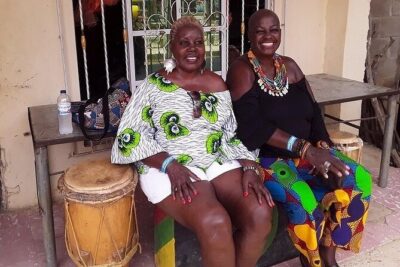
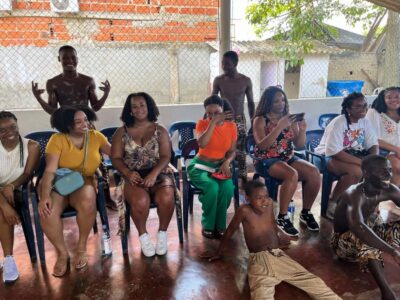
Palenque´s tour, dance show, lunch, pick-Up inclu
Read our review →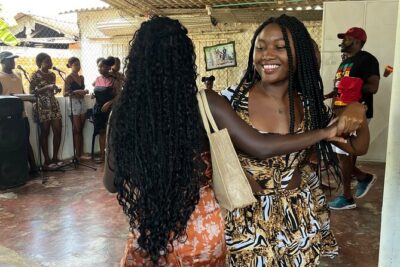
Tour a san Basilio de Palenque desde cartagena
Read our review →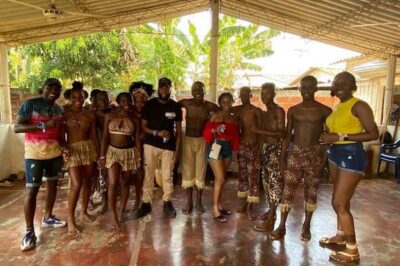
Visit Palenque with natives : history, culture and ancestral legacy
Read our review →Browse the lists this tour appears in