
Reviewed · SAN BASILIO DE PALENQUE
Visit San Basilio de Palenque with a Native
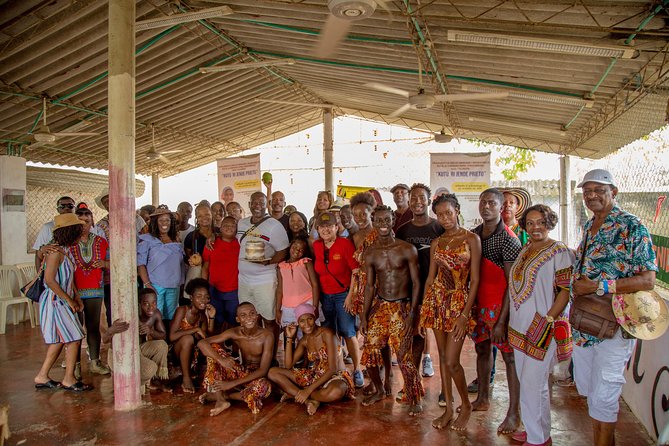
San Basilio de Palenque with a Native guide is one of those day trips where you don’t just watch culture, you see how people live it. You’ll travel from Cartagena, then spend the day in Palenque learning through family stops, music, dance, medicine, and food, with small group attention.
What I like most is that you’re not crammed into a crowd. This tour keeps the group to 10 travelers max, so guides like Pedro and Victor can actually talk with you and answer your questions. I also love the food setup here. Lunch goes beyond a basic meal, and you’ll sit down to grilled fish with sides like rice and avocados.
One thing to consider: timing depends on the day and the group. Reviews note the tour may start late if others are not there yet, and the day runs in heat, so bring patience and plan around sun exposure.
Key highlights you will actually feel
- Local hosting with names you can remember, including guides Pedro, Victor, Vic, and local hosts in Palenque
- Max 10 travelers, which makes the day feel personal instead of rushed
- A fort stop in Cartagena, tied to the city’s big historical footprint before heading to Palenque
- Hands-on culture moments, from boxing and dance spaces to music studios
- Family-made sweets and African-inspired food, including lunch with grilled fish, rice, and avocados
- Medicine and herbal education, shared by a local healer during the town visits
Why Palenque with a Native host feels different
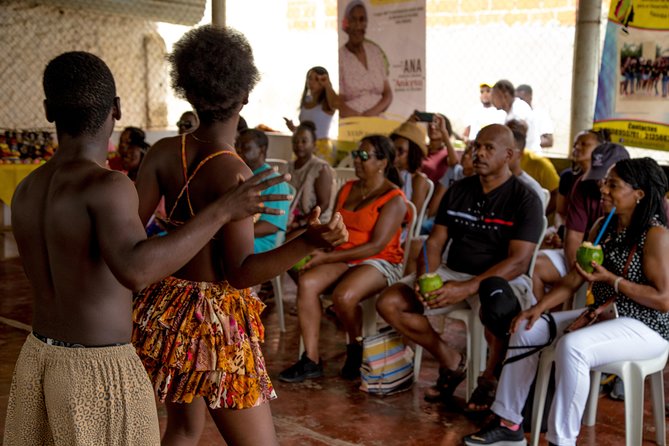
Cartagena has plenty of tours. Most are built around landmarks, photos, and moving on. Palenque is different because it’s about people, routines, and skills that have kept going.
What you get is a day where your guide keeps connecting the past to the present. You’ll hear stories tied to slavery and resilience, then you’ll watch how traditions show up today, whether that’s in music practice, dance, boxing, or food. It’s not just a lecture. It’s a guided path through real places in town.
The UNESCO angle matters too, because Palenque is known for cultural preservation tied to Afro-descended communities in Colombia. Still, the best part is how your hosts talk about life now, not only history on paper.
More visits to San Basilio de Palenque:
- Tour De Palenque, Road to Emancipation.
★ 5.0 · 1,678 reviews - Freedom Tour of Palenque
★ 5.0 · 467 reviews - San Basilio de Palenque History Tour
★ 5.0 · 301 reviews
Getting there from Cartagena: 3 departures and an 8-hour rhythm
This is an 8-hour day trip (approx.), and you can choose from three departure times during the day. That flexibility is handy because Cartagena days can be bright and hot. If you pick a departure that avoids the worst sun, you’ll feel better by the time you’re walking around Palenque.
You’ll also have a driver for the long ride out of Cartagena. That matters more than it sounds. It means you can focus on the scenery and conversation instead of the logistics of getting out of the city.
The tour starts at Inspiración Café de Origen in the Getsemaní area. It also returns you to the same meeting point at the end. Since it’s near public transportation, you’re not stuck if you need to adjust your route on your own.
Small group size is the real perk
The maximum of 10 travelers shows up in the quality of interaction. You’re not just passing through stops. You get time for questions, and guides can tailor the pacing if someone needs a slower walk or a moment in the shade.
First stop in Cartagena: the biggest fort in América
Before you leave for Palenque, you’ll make a stop at the biggest fort in América. This is a smart setup because it gives you context for Cartagena’s story before you shift to a different chapter of Afro-Caribbean and Afro-Colombian history.
Think of this as your mental warm-up. Forts explain how cities defended wealth, trade, and power. Palenque then shows what happened to Black communities under the shadow of the colonial system, and how culture survived and adapted.
One practical note: forts usually mean sun exposure and some walking on uneven areas. If you’re going on a hot afternoon departure, plan to use water often and take shade breaks when your guide offers them.
A few more Cartagena days worth comparing
- Cartagena Island Hopping: 5-Stop Rosario Islands Tour with Lunch
★ 4.5 · 4,903 reviews - Cartagena: Historic Center and Getsemaní Shared Walking Tour
★ 4.9 · 2,716 reviews - Cartagena: Rosario Islands Catamaran with Lunch and Snorkel
★ 4.5 · 2,479 reviews - Full-Day Rosario Islands Including Barú, Bocachica & Playa Blanca
★ 4.0 · 1,729 reviews
Arriving in San Basilio de Palenque: families, square time, and local talk
Once you reach Palenque, you’ll start with community contact right away. In the best part of the day, your guide connects you to a town host situation, often beginning at or near a family home. You’ll talk about the history of Palenque and slavery, then you’ll get a sense of how daily life continues in the same neighborhood spaces.
During one visit, the flow includes time near the town square as well. This matters because a square is where social life happens. It’s one of the fastest ways to understand what people do when they’re not performing for visitors.
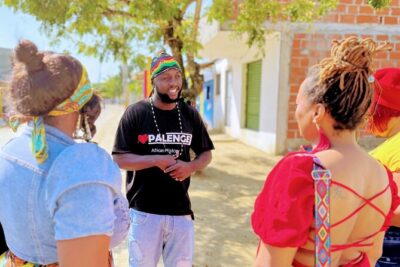
Guides in this experience include people like Victor, Vic, Pedro, Edwin, and local hosts who grew up in Palenque. When the person guiding you is from the community, the pacing feels natural. You’ll also notice guides know what questions visitors usually ask, and they answer in a way that makes the day easy to follow.
Walk stops with a local guide: past to present without feeling rushed
Expect a series of town stops that build on one another. You’ll move through key places where traditions show up as skills, not just performances.
A typical flow includes:
- a conversation that frames Palenque’s story and resilience
- walking through parts of town and pointing out how life works here
- short stops tied to specific crafts and practices
This is the part that makes the day feel more meaningful than a straight bus tour. Your guide does more than say facts. They link the facts to real locations and real people.
What can feel challenging?
This section involves walking and staying outside in the sun at times. The tour notes moderate physical fitness as the expectation. If you handle regular walking comfortably, you’ll likely be fine. If you get heat tired quickly, treat water and shade breaks as part of the plan, not an afterthought.
Boxing, dance studio, and music studio: the culture you can feel
One of the most praised elements is the set of activity stops. Instead of only watching, you get direct exposure to traditions in ways that visitors remember.
You may see:
- boxing connected to local identity and celebrated boxers from the area
- a dance studio where movement is part of tradition
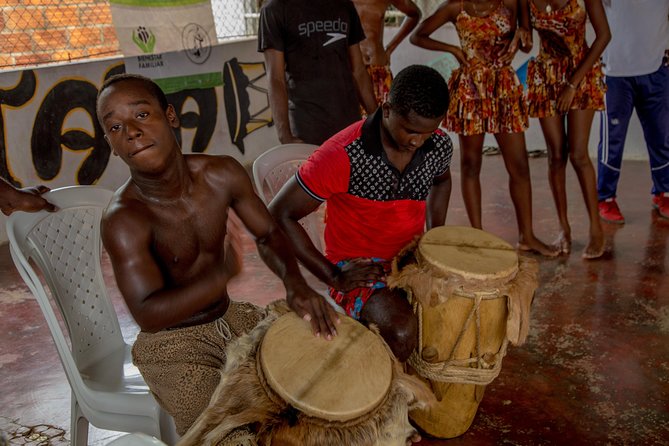
- a music studio where rhythm and practice are built into the community
In one of the guides described, Victor was especially good at keeping the day lively, taking photos and videos so you don’t have to micromanage your camera while still enjoying the moment. That kind of help reduces stress and helps you focus on what’s happening.
A small caution: some activity moments might not be long. This is a day trip with multiple stops. If you want to spend hours perfecting dance or training like a local, you might prefer a longer workshop style experience. Still, for most people, the mix of boxing, dance, and music makes the day feel complete.
Sweets by the family and the medicine man stop
This tour leans into everyday culture. That’s why sweets and medicine fit so well into the schedule.
Sweets made by family
You might visit a home where sweets are made, including a stop described as sweets made by aunt Roberta. Even if you do not speak Spanish fluently, these stops tend to be easy to understand because they’re hands-on and visual.
You get more than a snack. You see food as craft, and you learn why that craft matters in a community setting.
Medicine and herbal education
Another highlight is a stop connected to the medicine man, sometimes described as an herbalist. You’ll hear explanations about natural remedies and how traditional healing fits into community life.
I like this stop because it challenges the idea that culture is only music and dance. It’s also practical. It’s how people care for themselves. And it’s shared in a way that feels respectful, guided by a local practitioner rather than a generic demo.
Again, nothing here is labeled as a medical service, and your guide will frame it as local tradition. If you have health concerns, you still handle those with professionals, but you can learn the cultural context safely.
Lunch in Palenque: grilled fish, rice, and avocados
Lunch is one of the most consistently positive parts of the day. It often gets described as more filling than expected, and that’s important because you’ll be active and outdoors most of the day.
In the meals described, you’ll likely see:
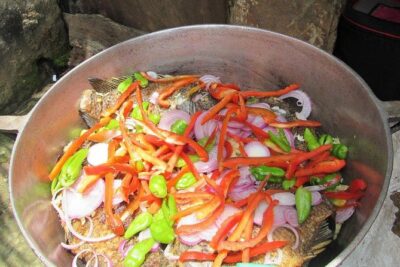
- grilled fish
- rice and avocados
- food that feels like it comes from local rhythms, not a tourist-only kitchen
If you have never eaten whole fish before, this is a good place to try it with guidance. Guides can help you navigate what’s on the plate and how locals eat.
Why lunch is a value win
With a day trip, you usually end up with a hurried meal near a bus stop. Here, lunch sits at the center of the experience. It gives you a pause after walking stops, and it keeps you connected to the community setting.
Price and value: what $115 really buys you
At $115 per person for about 8 hours, you’re paying for more than transportation. The value is in three places:
- Small group size (10 max). That alone usually raises the cost, because fewer people means more attention per person.
- Multiple culture stops. You’re not just going to one place and leaving. You get town walking, craft moments, medicine education, and activity spaces.
- A substantial lunch. When food is genuinely good and filling, that’s real value. Reviews specifically highlight that the lunch exceeded expectations.
This tour is priced for people who want a cultural day rather than a quick sightseeing hit. If you want museums only, you might prefer something else. If you want real daily life in Palenque, this is a strong fit.
What to pack and how to handle the heat
Palenque day trips run in the sun. You’ll be outside, and you’ll likely stand or walk for stretches.
My practical packing list:
- sunscreen and a hat
- a refillable water bottle
- comfortable shoes with decent grip
- light layers you can remove and add as the day warms up
- a small power bank, if you plan to take photos and videos during the music and dance moments
Also, give yourself a little buffer for timing. One review mentioned a late start due to waiting for other people. It’s not the kind of thing you can control, but you can control your expectations: arrive with patience, not a rigid schedule.
Who should book this Palenque with a Native tour
I think you should book if:
- you want Afro-Colombian culture in a community setting, not a staged show
- you like day trips that mix education with activities
- you value small group interaction and clear guidance
- you enjoy learning from local hosts like Pedro, Victor, Vic, or Edwin and seeing how traditions show up now
You might skip it if:
- you need a fully hands-off tour with zero walking
- you dislike outdoor heat and sun exposure
- you only want one single type of activity, like museums or only food
Should you book this tour?
If you’re visiting Cartagena and you want your day trip to feel human and grounded, this is a good choice. The standout reasons are the small group size, the hands-on stops (boxing, music, dance, sweets), and the thoughtful medicine and food moments led by local guides and hosts.
My final advice is simple: pick a departure time that fits your energy, bring sun protection, and treat the schedule as a cultural walk with breaks, not a clockwork checklist. If you do that, you’ll likely come away with memories that go beyond photos.
FAQ
How long is the San Basilio de Palenque day trip from Cartagena?
It lasts about 8 hours (approx.).
How many people are in the group?
The tour has a maximum of 10 travelers.
Where does the tour start?
The meeting point is Inspiración Café de Origen in Getsemaní, Cartagena de Indias, Bolívar, Colombia. The tour ends back at this meeting point.
Are there different departure times?
Yes, there are three departure times available throughout the day.
What fitness level is needed?
The tour asks for a moderate physical fitness level.
What is the cancellation policy?
You can cancel for free up to 24 hours in advance for a full refund. If you cancel less than 24 hours before the experience starts, the amount paid is not refunded.
Recently reviewed around Cartagena
- Trendy Cartagena photo/ Video Tour★ 2.9 · 4 reviews
- Playa Blanca Baru from Cartagena City Center★ 4.0 · 4 reviews
- Sunset in Cartagena Bay with Boat Dances and Bar★ 5.0 · 4 reviews
- Taste Cartagena: Street Food and Full City Tour with Expert Guide★ 4.5 · 4 reviews
- Colombian Fruits and Paila Ice Cream Tasting★ 5.0 · 4 reviews
- Private Transfers Airport and Hotels in Cartagena★ 5.0 · 4 reviews
- private tours cartagena de indias★ 4.5 · 4 reviews
- Mud Volcano and Day Trip in Hotel with Lunch★ 5.0 · 4 reviews
San Basilio de Palenque, compared.

Palenque´s tour, dance show, lunch, pick-Up inclu
Read our review →
Tour a san Basilio de Palenque desde cartagena
Read our review →
Visit Palenque with natives : history, culture and ancestral legacy
Read our review →Browse the lists this tour appears in