
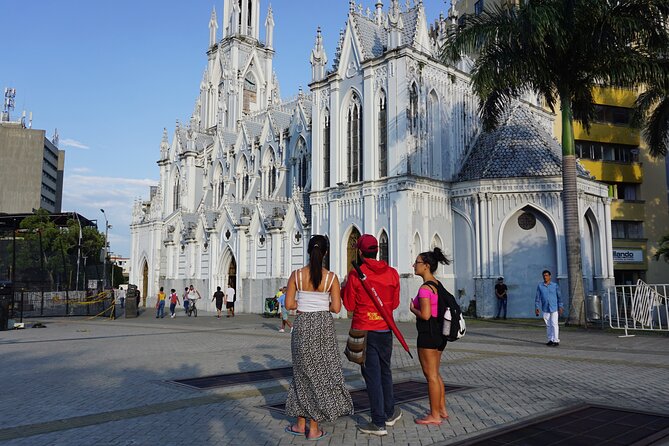
Reviewed · HISTORICAL TOURS
Shared Tour of the Historical and Cultural Center of Cali
Cali’s historical and cultural center is the kind of place where the streets teach you. This shared tour strings together museums, churches, plazas, and a few classic hangouts into one 3-hour route in the heart of the city. It is a practical way to get your bearings, without needing a full day of planning.
I especially like the way the tour links eras, starting with pre-Columbian roots at Museo Arqueológico La Merced and then moving to the famous gold world of Calima culture at Museo del Oro Calima. I also like the human side of it, because guides such as Juliana and Lem tend to bring local context and a calm pace that keeps the walk from feeling like a sprint.
One thing to keep in mind is that many stops are more about seeing the exterior and learning on the spot, and not all admissions are included. In other words, you will likely spend time inside only at certain places, so check what tickets are free vs not included before you go.
Key highlights you will feel fast
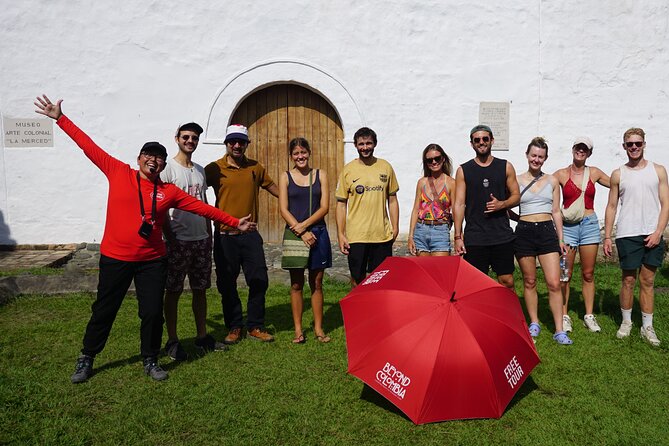
- Small shared group with a maximum of 10 travelers, so questions stay possible.
- Quick, focused stop format with about 12 minutes at each point, built for moving through the center.
- Pre-Columbian to colonial to modern culture, from La Merced to churches and the Cali cultural scene.
- Gold and art stop at Museo del Oro Calima plus Centro Cultural de Cali for creative programming.
- A couple of free-entry moments, including Museo Arqueológico La Merced and Plazoleta de San Francisco.
- Stops that match real life in Cali, including Calle del Pecado and the Jairo Varela salsa tribute area.
Why this Cali walking route makes sense for first-timers
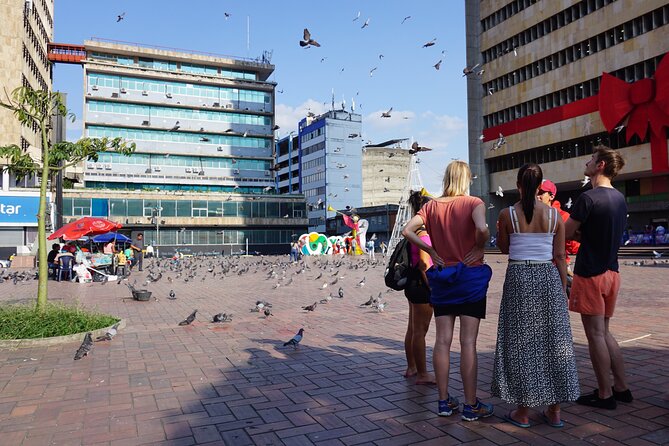
The biggest value here is not one landmark. It is the sequencing. You start in the archaeological story of the Valle del Cauca, then you shift into colonial-era architecture, and you end with places tied to music, performance, and nightlife rhythms. That order helps you understand Cali as a city that layered cultures rather than switching themes randomly.
The route is also built for people who want structure. In three hours, you see enough variety to feel like you did something meaningful, while still keeping time for your own wandering afterward. It is a good fit when you arrive with big enthusiasm and only a limited window to explore.
Finally, the guides matter. The experience is led by a certified guide, and the better guides do two jobs at once: explain what you are seeing and translate the city layout into something you can remember. Names like Juliana and Lem come up because the tour tends to feel friendly, thoughtful, and well-paced when the guide is strong.
More Historical Tours in Cali
- Shared Tour Cali’s Historical Downtown
★ 4.8 · 143 reviews - Historical Shared Tour Salsa, Graffiti & Resistance in Cali
★ 5.0 · 107 reviews - Cali: Walking tour of the historic center
★ 5.0 · 69 reviews
Price and ticket reality: what your $14 gets you
The listed price is $14.00 per person for an approximately 3-hour shared tour, and it is typically booked around 9 days in advance. That early booking pattern usually means the guide slots fill up, especially during busier weeks.
Here is the key money detail: this tour is part of a Free Walking Tour concept, and what you pay in advance is equal to the suggested tip amount for the guide’s work. In practical terms, that means you are paying for the guiding and the route planning, not buying a package that covers every museum ticket.
So what should you budget for? Based on the stop breakdown:
- Museo Arqueológico La Merced is listed as free (admission ticket free).
- Plazoleta de San Francisco is listed as free (admission ticket free).
- Several other stops list admission not included, including Casa Arzobispal, Museo del Oro Calima, Centro Cultural de Cali, the Teatro Municipal Enrique Buenaventura, Iglesia de San Francisco, Edificio Bolsa de Occidente, St. Peter the Apostle Cathedral, Plaza de Cayzedo, Parque de los Poetas, Calle del Pecado, and Plazoleta Jairo Varela.
That does not mean every place charges. It means you should assume you may not have entry to interiors unless you pay separately. If you want maximum museum time, plan your extra spending around Museo del Oro Calima since that one is specifically called out as a key interior experience.
Getting oriented at Museo Arqueológico La Merced (Stop 1)
Your tour starts at Museo Arqueológico La Merced, at Cra. 4 #6-59, San Pedro. Even if you only spend a short window there, it sets the timeline. This is where you connect the region to pre-Columbian cultures in the Valle del Cauca.
Why this matters: most people land in Cali thinking about salsa first, then maybe music schools and nightlife. Starting with archaeology gives you a deeper baseline. You start noticing how culture shows up in objects, symbols, and craftsmanship, not just in performances.
The museum stop is listed at about 12 minutes, and the admission ticket is free. That is a nice bonus for value. If you are the type who loves reading wall labels, you might feel slightly rushed. If you are the type who likes “see, learn, move,” this time works well.
Tip: arrive ready to look up artifacts and patterns quickly. A short museum stop is about choosing a few highlights rather than trying to process every display.
Casa Arzobispal and the colonial story you can spot (Stop 2)
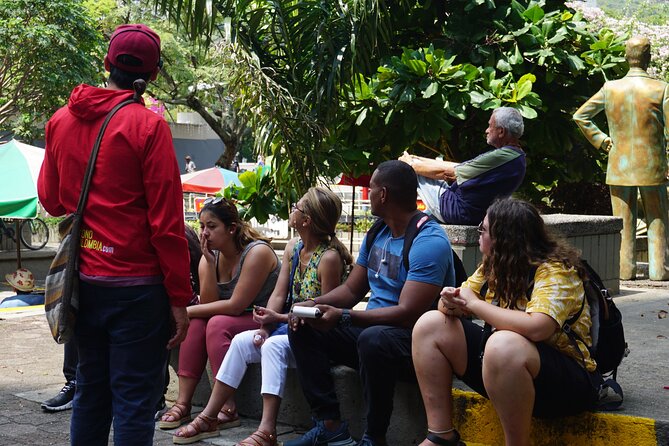
Next comes Casa Arzobispal, a majestic colonial building with gardens and a history that stretches across centuries. The tour frames it as a place you can use to imagine how city life used to function.
A quick exterior or courtyard look can be surprisingly effective here. Colonial architecture tends to have repeatable clues, like symmetry, stonework, and how spaces are arranged. When your guide points out what you are seeing, you start to read the building like a document.
The only caution is time. You get about 12 minutes, and admission is listed as not included. So think of this stop as a “learn what to notice” moment rather than a long interior visit.
A different kind of day out of Cali:
- A day to enjoy nature and have an adventure in the Jordan river
★ 5.0 · 469 reviews - Cali: City Tour | Guided tour around the city
★ 5.0 · 287 reviews - Street Food Tour
★ 5.0 · 157 reviews - The Cali Street Food Walking Tour
★ 5.0 · 81 reviews
Museo del Oro Calima: the gold stop that usually steals the show (Stop 3)
Then you hit Museo del Oro Calima, focused on exquisite gold pieces tied to Calima culture goldsmiths. This is the stop most people remember because it delivers a strong visual impact fast.
If you love craft, metallurgy, and symbolism, you will understand why. Even in a brief visit, you can recognize that these are not just shiny ornaments. They reflect design skill, cultural meaning, and a long tradition of working with gold.
Admission is listed as not included here, so factor that into your budget. If you are traveling on a tight budget, I would still prioritize this museum. It is one of the few stops where the “worth it” factor usually lands hard, because the payoff is immediate.
Practical note: museums often have rules about movement and photography. You may need to follow the guide’s flow, especially in a shared group.
Centro Cultural de Cali and what to expect from the programming vibe (Stop 4)
After gold comes the city’s creative side at Centro Cultural de Cali. This is described as a cultural reference where exhibitions, concerts, workshops, and artistic activities happen.
Here is the smart way to use this stop: treat it like a window into the way Cali cultivates art day-to-day. Even if the exact program changes, the location signals the city’s focus on culture as an everyday activity, not a rare event.
Admission is listed as not included, and the stop is about 12 minutes. That usually means you will get an orientation and highlights rather than a full program immersion.
Teatro Municipal Enrique Buenaventura: performance energy without the ticket rush (Stop 5)
At Teatro Municipal Enrique Buenaventura, you are getting an icon of local culture. The tour frames it as the scene for plays, concerts, and cultural events.
Even without going inside, you can get a feel for why this theater matters. The architecture, the presence of the building in the area, and what a theater represents in civic life are all part of the lesson. Your guide will likely connect it to how Cali shows itself through performance.
Again, admission is listed as not included, and your time is brief. If you are a theater person, you might want to plan a separate show later, after you understand where the energy is.
A short break that doubles as a city-view pause (Stop 6)
There is a breather stop at Parqueadero Público Cl7 Kr5. It is described as a strategic point for a short break, stretch, and enjoy a city view.
This is a good move in a walking tour, because it prevents the route from turning into “stop, start, stop, start” fatigue. If you need a moment to drink water or reposition your shoes, this is where you should do it.
No admission is required, and it is only about 12 minutes. Treat it as a reset, not an attraction.
Plazoleta de San Francisco and quiet center-of-city calm (Stop 7)
Then you reach Plazoleta de San Francisco, listed as free entry. This is described as quiet and welcoming, right in the historic center.
This kind of stop is underrated. After museums and major institutions, you get a chance to breathe. Plazoletas help you understand the rhythm of the city because people use them like living rooms.
If you like street photography, this is a decent place to pause. If you just want a calm moment and a snack break later, it still works.
Iglesia de San Francisco: details you can actually notice in 12 minutes (Stop 8)
Next is Iglesia de San Francisco, where you are promised architectural richness and interior details that surprise you with its history.
In a short stop, the trick is to look for the guide cues. Churches often have many layers, but a guide can point you toward the most meaningful features, like altarpieces, structural patterns, and how light plays on surfaces.
Admission is listed as not included, but churches often let you visit depending on rules and service times. Because your time is limited, be respectful and follow what the guide advises.
Edificio Bolsa de Occidente: the 20th-century economic signal (Stop 9)
At Edificio Bolsa de Occidente, you shift into the early 20th-century economic boom era. The tour presents it as symbolic, with architecture and history that make it interesting.
This is one of those stops that helps the whole tour feel grounded. Cali is not only colonial-era and salsa music. It also has periods of growth and modernization, and that is visible in buildings tied to finance and trade.
Since the stop is brief and admission is listed as not included, you are mostly learning to read the facade and understand why it mattered to the city’s development.
St. Peter the Apostle Cathedral: the religious center feeling (Stop 10)
Now you stand at St. Peter the Apostle Cathedral. The tour calls it the religious center of Cali, and that is the right lens for the stop.
The cathedral is imposing from outside, and inside you can feel why religion shapes city life. If the tour time lines up well, you might catch interior features the guide emphasizes.
Admission is listed as not included. If you want to see more inside than the short stop allows, you could plan a separate visit later when you have more time.
Plaza de Cayzedo: Cali’s heart in real-world terms (Stop 11)
Plaza de Cayzedo is described as Cali’s heart and the setting for historical and cultural events. This is a “people and place” stop.
Plazas like this usually work because of what happens around them, not because of a single monument. The guide can connect the square to how the city gathers and celebrates, and that makes the lesson stick.
No admission is needed per the stop list. It is about orientation and atmosphere.
Parque de los Poetas: a calmer break from the city center (Stop 12)
Next is Parque de los Poetas, a space dedicated to literature and poetry, perfect for relaxing and enjoying nature in the city center.
This stop gives the tour an emotional balance. You go from intense architecture and museums into a quieter zone where you can sit, slow down, and let your brain catch up.
Admission is listed as not included, but parks generally mean low friction for stopping and resting.
If you are traveling with someone who gets tired of museums, this is a good compromise stop.
Calle del Pecado and the food and bar street energy (Stop 13)
Then the tour shifts to Calle del Pecado, described as a street full of life and color, known for bars and restaurants.
This is where you learn how Cali eats and socializes. Even if you do not go in during the tour window, the guide can help you spot the kind of places to look for later when you want a meal or a drink.
Admission is listed as not included. This stop is more about direction and context than buying a ticket.
Practical tip: if you plan to eat here after the tour, consider going earlier rather than later, especially on days when the street gets louder.
Plazoleta Jairo Varela: salsa legacy in a place you can feel (Stop 14)
To wrap, you end at Plazoleta Jairo Varela, a tribute to the master of salsa. The tour describes it as ideal for enjoying live music and dancing.
Even if you only pass through during daylight, the significance comes through. Jairo Varela is a name tied to Cali’s musical identity, so landing the tour here makes the final impression make sense.
Admission is listed as not included. This is a good spot to transition into the next part of your day, whether you continue exploring, find dinner, or look for live music on your own.
How the route actually feels: pace, group size, and comfort
This is a shared tour with a maximum of 10 travelers, which helps it stay conversational. You are not stuck in a huge crowd where questions get lost. Also, the stop format of around 12 minutes per point keeps things moving, so you do not waste the tour window waiting around.
Still, it is a walking route through the historic center. Wear shoes you can stand in for a while. Bring a light layer, especially if you are sensitive to sun. The tour does not include snacks or lunch, so if you tend to get hungry, plan a meal before you start, then grab something after.
One more comfort note: the meeting point is at Museo Arqueológico La Merced, and the tour ends at the area of Museo Jairo Varela on Av. 2 Nte #60 a 2. That means you may not be right back at your hotel, but it can also be convenient if you are staying around Granada.
Public transportation is near the route, and service animals are allowed.
Guides and what makes the tour feel worth it
The best versions of this tour tend to have two ingredients: clear explanations and a pace that respects the group.
When the guide is strong, like Juliana or Lem, you get more than facts. You get connections, like why architecture shows power, why museums matter, and why salsa culture is not separate from the city’s identity. The result feels like you understand Cali after the walk, not just where you stood.
Also, the slower, comfortable pace makes a difference. In a short stop tour, it is easy for guides to rush you. A good guide helps you enjoy the place while still keeping the schedule.
Should you book this guided historical center walk?
Yes, if you want an organized way to see Cali’s layers in one half-day, this is a solid value. At $14, you are paying for a certified guide and a smart route, not for a full museum pass. If you are willing to budget a bit for ticketed interiors you care about, you will get your money’s worth.
Book it especially if:
- you are in Cali for the first time and want context fast
- you like learning through architecture, museums, and local culture stops
- you prefer a small-group pace instead of a big bus-tour feeling
Skip or adjust expectations if:
- you want long time inside multiple museums, because some stops are exterior or short
- you are on a strict budget for admissions, since many stops list not included
If you want to leave the tour with clear next steps, this one helps you do that. You will know where Cali history shows up, where to go for art and performance, and where to point your feet when salsa night calls.
FAQ
How long is the shared tour of Cali’s historical and cultural center?
It runs for about 3 hours, approximately.
What is included in the tour price?
A certified guide is included.
Are museum and site admissions included?
Some entries are free, including Museo Arqueológico La Merced and Plazoleta de San Francisco. Other stops list admission as not included, so you should expect to pay separately if you want to go inside.
Where does the tour start and end?
It starts at Museo Arqueológico La Merced, Cra. 4 #6-59, San Pedro, Cali. It ends at Museo Jairo Varela, Av. 2 Nte. #60 a 2, Granada, Cali.
How big are the groups?
The tour has a maximum of 10 travelers.
Is this tour refundable if my plans change?
Yes. You can cancel for a full refund if you cancel at least 24 hours before the experience starts.
Recently reviewed around Cali
- Private Transfer from Cali Airport (CLO)★ 5.0 · 4 reviews
- Historical Walking Cali City Tour 3H★ 5.0 · 4 reviews
- Roundtrip Private Transfer from Cali Airport (CLO)★ 5.0 · 5 reviews
- Trekking & Rivering Reserve Pericos★ 5.0 · 5 reviews
- Cali: Bird Watching | Birding in the cloud forest at kilometer 18★ 4.5 · 5 reviews
- Private Tour in Cali with Salsa Class, Museums and Local Food★ 5.0 · 6 reviews
- Cali Mountain Bike Ride★ 5.0 · 6 reviews
- Alameda Market Food Tour★ 5.0 · 6 reviews
Historical Tours, compared.
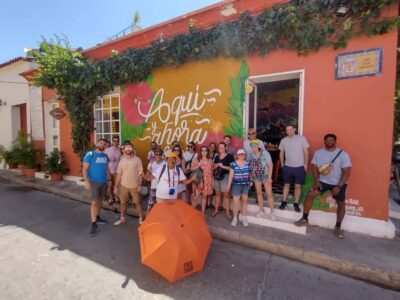
Historic Center and Getsemaní Shared Walking Tour
Read our review →
Shared Tour of the Historic Candelaria in Bogotá
Read our review →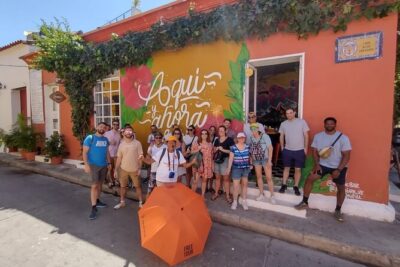
Historic Center & Getsemaní Shared Tour in Cartagena
Read our review →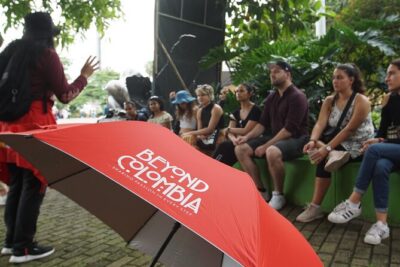
Shared Tour Historic Center of Medellin with Audio System
Read our review →
Medellín Essential: history & local life on E-bike
Read our review →
Medellin Historic Walking Tour with Expert Guide
Read our review →
Bogota Shared Gastronomy Tour in the Historic Center
Read our review →Browse the lists this tour appears in