
Reviewed · HISTORICAL TOURS
Shared Tour Cali’s Historical Downtown
Cali gets interesting when you realize the city’s story is physical, you can trace it in plazas, churches, theaters, and bridges. I like how this walk ties El Valle to everyday identity, and I like the way it uses salsa as a lens for politics, art, and resilience. The only real catch is the pace, you should expect a real walking day, about 7 km, and the route is not ideal if you want minimal exertion.
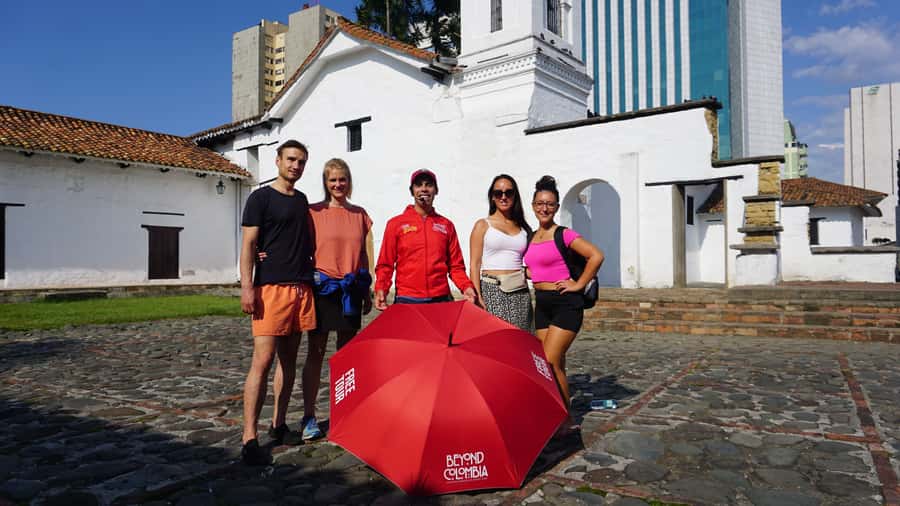
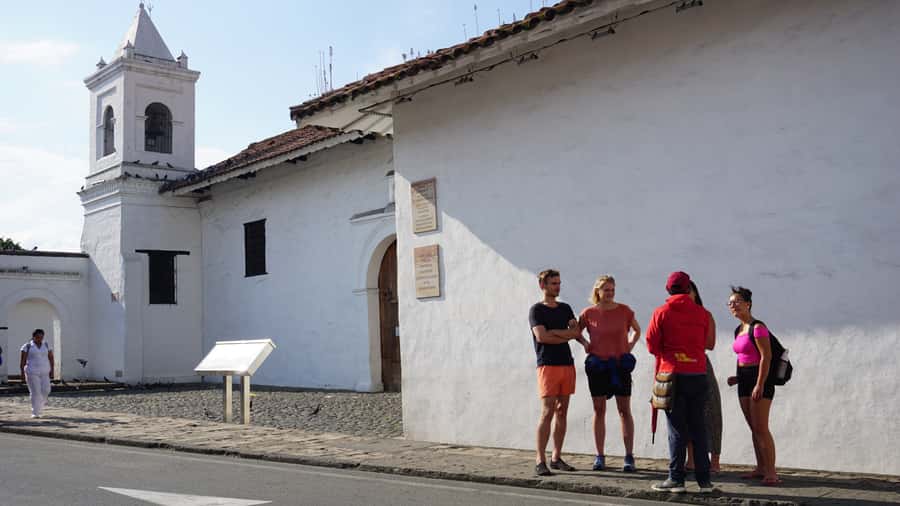
I also appreciate that Beyond Colombia runs this as a proper shared tour, with professional local guides (names you might hear like Cristian, Juliana, Fernando, Lem, or Adriana Alvarez). You’ll meet at the Museo Arqueológico La Merced, look for the red umbrellas, and then spend the next roughly 150 minutes moving through the most central landmarks.
Key things that make this Cali historical walk worth your time
- El Valle through time, how geography connects to how Cali grew
- African roots in daily culture, through food, music, and dance
- Salsa under pressure, including how La Feria de Cali grew during cartel-era turbulence
- Architecture as a map, churches, theaters, and plazas that explain the city’s shifts
- Soccer and salsa in the same conversation, plus the social impact of drug trafficking
- A guided, objective tone, meaning the guide aims not to take sides while discussing hard topics
The real idea behind Cali’s historical downtown tour
This is not a checklist tour. It’s a way to read Cali like a story written in public space. You start with the geography of the region, then you move into the cultural forces that shaped music, food, language, and even attitudes toward power. By the end, you’re not just saying Cali has salsa, you’re understanding why that salsa exists and what it did for people.
I like that the guide frames the city through multiple angles instead of one neat narrative. You get culture evolution through arts like literature, cinema, and theater, and you also get the social side, including revolts during and after the pandemic. It makes the walk feel grounded, because art is treated as a response to real life, not just decoration.
And yes, you’ll also hear about darker chapters. The tour openly connects drug trafficking to daily consequences, then balances it with how communities kept creating, dancing, and organizing. That balance is one reason the tour often lands well for visitors who want depth without propaganda.
More Historical Tours in Cali
- Shared Tour of the Historical and Cultural Center of Cali
★ 5.0 · 211 reviews - Historical Shared Tour Salsa, Graffiti & Resistance in Cali
★ 5.0 · 107 reviews - Cali: Walking tour of the historic center
★ 5.0 · 69 reviews
Meeting at Museo Arqueológico La Merced and getting started fast
The meeting point is clear: stand in front of the Museo Arqueológico La Merced, look for the Beyond Colombia team with red umbrellas. From there, you head into the historic center with a guide who keeps the group moving while still building in listening stops.
This is helpful for first-time visitors because you get oriented quickly. You’ll be walking through the parts of Cali that show up on postcards, but the guide will explain what those places meant during different eras. That matters, because the architecture and plazas only feel “pretty” until you learn why they were built and who they served.
It’s also a shared tour, so you’ll likely meet other people and travel as a group. If you like a lively pace where you can ask questions, this format fits. If you prefer silence and solo wandering, you may find the pace a bit active.
La Merced Church to Calima Gold Museum, where Cali’s origin story begins
The tour starts at La Merced Church area and passes by the Calima Gold Museum. This is where the story gets rooted in beginnings: you’ll hear about Santiago de Cali as the city’s early start point, and how socioeconomic development since the 17th century helped shape modern dynamics.
Why this matters for you: Cali is easy to misunderstand if you only see the music and ignore the long timeline behind it. When you connect the 17th-century growth to what you’re seeing now, the city feels more logical. Even if you don’t remember every date, you’ll remember the cause-and-effect, how early development set patterns that later influenced culture and inequality.
The museum stop is more than a quick glance. It’s used as a historical starting point so the rest of the walk feels like a progression, not disconnected stops.
Crossing River Boulevard and the core squares, how daily life became political
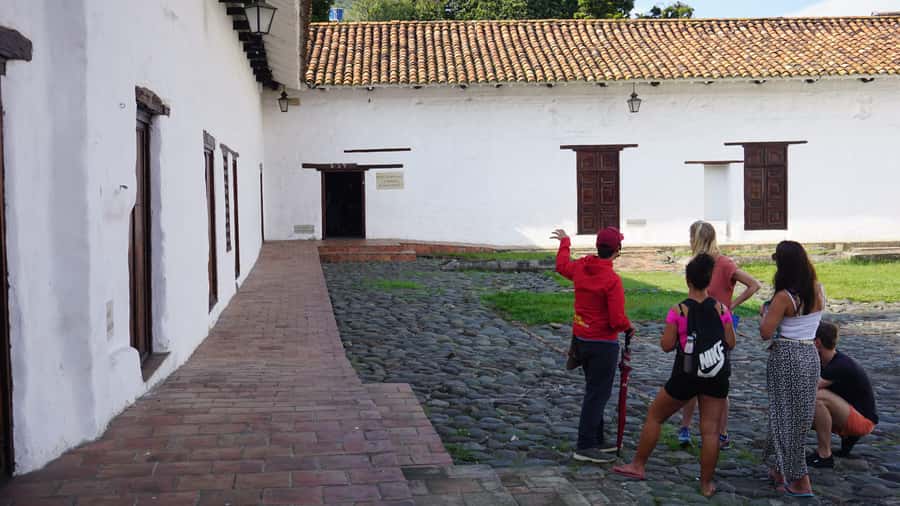
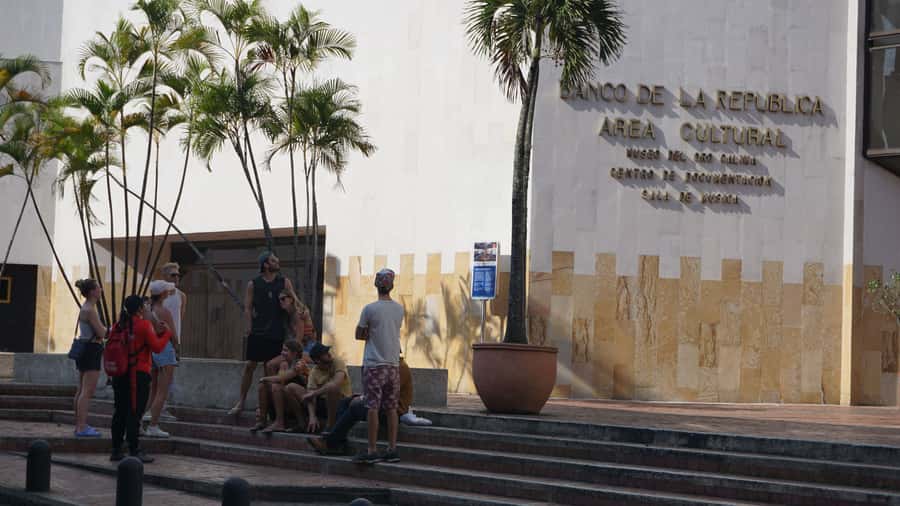
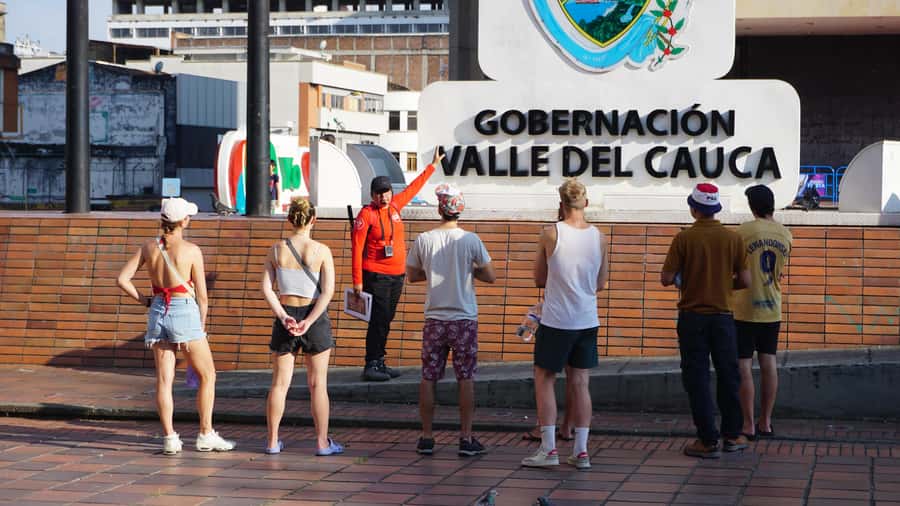
As you move through the central squares, the guide brings you into how public space works in Cali. You’ll cross or pass key areas like San Francisco Square, Cayzedo Square, Jairo Varela, and the Boulevard del Río area.
Squares are where social life happens, but in Cali they’re also where identities get performed. Soccer gets mentioned as part of the cultural fabric, and salsa is treated the same way, as something people use to belong and to express themselves. That’s a great framing for first-time visitors because it ties together two things you might think are unrelated.
A useful part of this section is the tour’s willingness to connect culture to consequences. The guide talks about the impact and incidence of drug trafficking in daily lives. That doesn’t mean the tour turns into fear-mongering, but it does mean you’ll understand why some artistic and social behavior looks the way it does. People didn’t just choose rebellion, they had reasons.
If you get tired easily, take note: this is a walking route with resting stops. It’s not constant movement, but you should plan your energy. The group covers about 7 km total.
A different kind of day out of Cali:
- A day to enjoy nature and have an adventure in the Jordan river
★ 5.0 · 469 reviews - Cali: City Tour | Guided tour around the city
★ 5.0 · 287 reviews - Street Food Tour
★ 5.0 · 157 reviews - The Cali Street Food Walking Tour
★ 5.0 · 81 reviews
Architectural icons you’ll actually remember, Municipal Theater and beyond
One of the best parts of this walk is how the guide uses buildings as teaching tools. You visit architecture that feels like a timeline of civic pride, changing taste, and public ambition.
Stops you should expect to see or discuss include:
- La Ermita (the Hermitage)
- Municipal Theater
- St. Peter’s Cathedral
- Jorge Isaacs Theater
- Puente Ortiz (the bridge)
Here’s the value for you: most walking tours point at facades and move on. This one treats architecture as a clue. You’ll hear why certain theaters matter in a city where music and performance are socially important. You’ll learn how religious and civic buildings helped anchor community life and how that anchor shifted as society went through conflict and renewal.
The bridge stop, Puente Ortiz, is also smart because it reminds you that the city is connected. You’re not only absorbing the past, you’re seeing how movement links neighborhoods and how people travel through the city’s stories.
La Feria de Cali, salsa during cartel-era pressure, and why rhythm became strategy
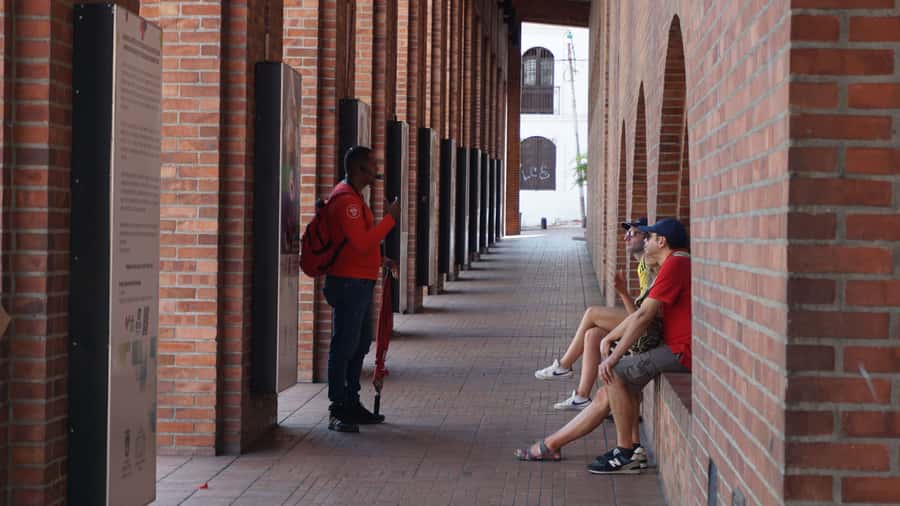
This tour doesn’t keep salsa in a feel-good box. It talks about how the salsa movement grew during cartel-era turbulence, including La Feria de Cali as a key reference point. That framing can surprise you if you only think of salsa as entertainment.
But it makes sense. When normal life gets disrupted, people still need gatherings, music, and release. Salsa becomes both expression and community structure. The guide ties that to broader cultural evolution, including how arts and performances reflect struggle and identity.
I like that the guide doesn’t treat salsa like a marketing slogan. Instead, it’s explained as part of a social system: who participates, how crowds gather, and how the city’s image gets built in public. For many people, that is the moment Cali stops being a destination and becomes a place with patterns you can recognize.
African ancestry, gastronomy, slang, and Pacific influence in plain talk
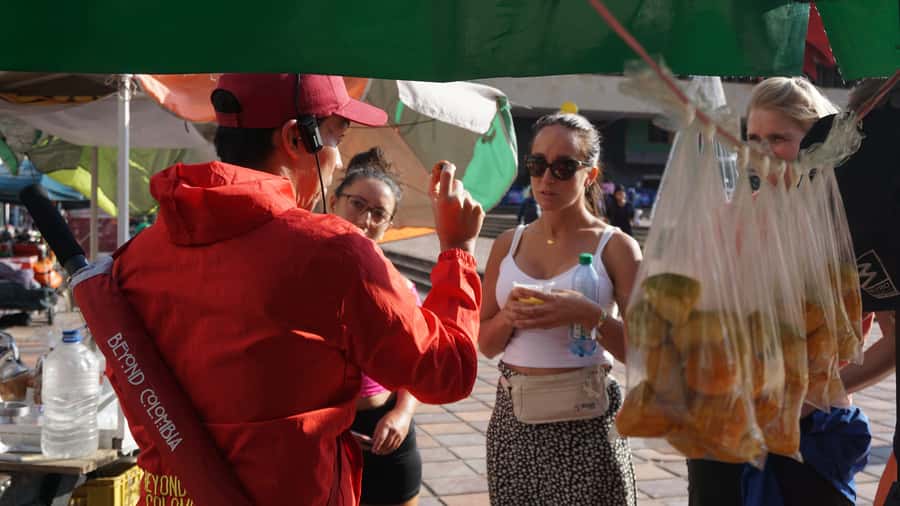
Another standout theme is the role of African slaves in shaping culture. The tour highlights how African roots nurtured gastronomy, music, and dance. It also connects this to the legacy left by Cali’s three ethnic groups, including the Pacific imprint you’ll hear referenced through local songs and cultural traits.
For you, this is the difference between a surface culture tour and a meaningful one. You’re not only hearing about music history in general terms. You’ll connect how food and dance show ancestry in everyday life. Even the mention of local slang matters, because language is where identity sticks around even when other things change.
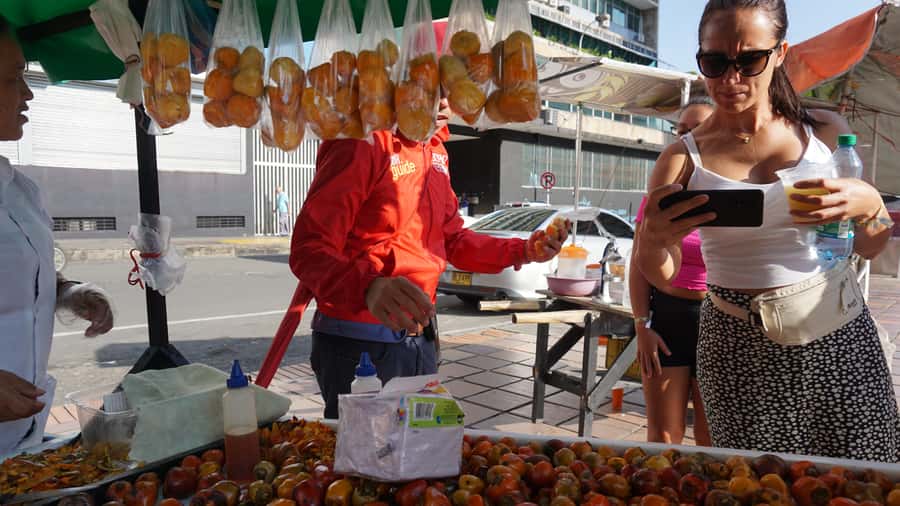
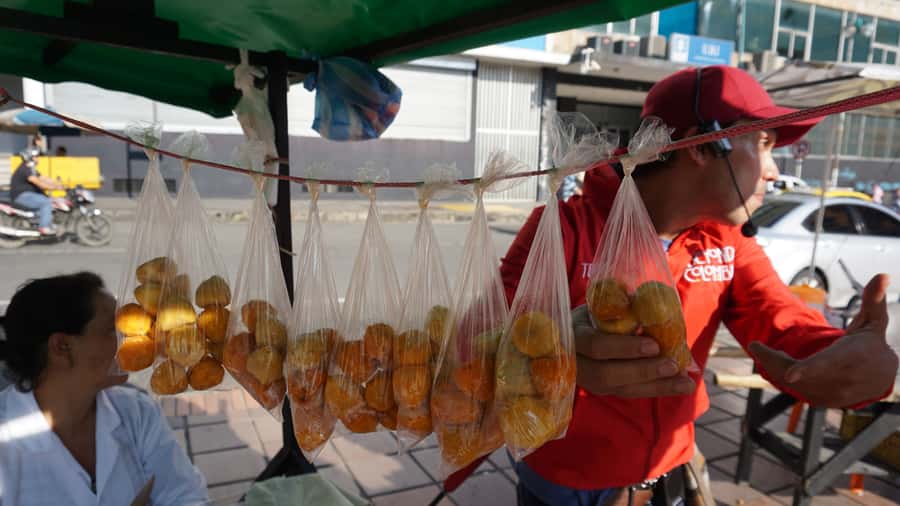
If chontaduro is available, you’ll also get a tasting. That’s a nice bonus because it turns the story into something you can taste, not just listen to.
Social revolts and pandemic aftershocks, why art kept moving
The tour includes social revolts during and after the pandemic. It also covers culture evolution through arts like literature, cinema, and theater. These are presented as part of a larger pattern: when society strains, people create and critique harder.
This section is valuable because it gives modern context. Cali isn’t frozen in a salsa postcard past. It keeps changing, and the tour helps you see that change as a continuation of the city’s older habits of resistance and reinvention.
One thing I respect is the promised objective approach, meaning the guide aims not to take sides while discussing sensitive topics. That approach won’t erase complexity, but it can help you make your own conclusions instead of being pushed.
What you should bring and how to survive 150 minutes of walking
Plan like you’re doing a serious half-day stroll. The tour lasts about 150 minutes (around 3 hours) and covers roughly 7 km. You’ll also make stops for listening.
Bring:
- Comfortable shoes (this is non-negotiable)
- Comfortable clothes
- Water or your preferred hydration
- Rain protection, umbrellas or capes, since weather can happen and you might want to stay dry
Not allowed:
- Alcohol and drugs
- Audio recording
- Party groups
Crowded areas are part of the route, so keep your belongings secure. This is not a luxury slow tour where you can casually stroll without thinking. It’s a guided walk, with a shared-group rhythm.
Also note: transportation to and from your hotel is not included, and you will walk on the tour. That’s normal for a historic center route, but it matters for planning your day.
Price and value: how $13 fits a real local-history experience
At $13 per person, the value is strong on paper for what you get: a professional guide from Beyond Colombia, a focused historic-center route, and practical local recommendations for lunch, coffee, souvenirs, and more. You also get a tasting option (chontaduro when available) and the guide’s effort to connect the dots across culture, music, and major social themes.
The most important part of value is not the ticket cost. It’s what you buy with your time. Here, your time is used efficiently, because the tour spends it on the places that structure the city’s identity. You’re not paying for random streets. You’re paying for interpretation of central landmarks, plus the guide’s ability to connect African influence, salsa culture, architecture, and social change.
If you’re trying to build a first impression of Cali that goes beyond nightlife, this is one of the better ways to spend a few hours. If you only want photos and minimal talking, a guided walking tour might feel long and talk-heavy.
Who this tour is best for, and who might prefer a different plan
This tour fits best if you:
- Want a guided understanding of Cali’s culture and history, without turning it into a lecture
- Like salsa but want the social and historical reasons behind it
- Enjoy walking through major landmarks like theaters, churches, and plazas
- Appreciate practical local recommendations for what to do next
You might skip it if:
- You need a low-walking day. The route is about 7 km.
- You want a strictly light, feel-good experience, because the guide addresses drug trafficking and discrimination topics.
- You’re over 70. This tour is specifically noted as not suitable for people over 70.
Should you book Shared Tour Cali’s Historical Downtown?
If you want Cali in context, I’d book it. The best argument is the balance: you get music and dance as a doorway into identity, but you also get the hard stuff explained in a straightforward, objective tone. For a $13 price point, the time value is excellent, especially because it includes guiding you through key central landmarks like La Merced and major theaters.
If you’re sensitive to long walking or crowded areas, plan a slower day around it, bring water, and wear proper shoes. If those are dealbreakers, look for a shorter or more accessible option.
If you’re flexible and curious, this is one of the most efficient ways to understand why Cali sounds the way it does, and why its people keep creating music and stories even when life gets complicated.
Recently reviewed around Cali
- 3 Days in Malaga Bay (Pacific Coast)★ 5.0 · 31 reviews
- Pance Waterfalls: Hike to discover the biodiversity of the valley★ 5.0 · 33 reviews
- Easy Birdwatching in Cali Colombia (4 Hours)★ 5.0 · 33 reviews
- Street Food Tour – Live A Unique Gastronomic Experience★ 5.0 · 34 reviews
- Rivering in The Danube (The Mermaid)★ 5.0 · 40 reviews
- Cali River Waterfall Tour (4 hours)★ 5.0 · 41 reviews
- Salsa & Music Tour of Cali★ 5.0 · 42 reviews
- Cristo Rey, Tertulia Museum and Downtown Cali City Tour★ 4.5 · 44 reviews
Historical Tours, compared.
Historic Center and Getsemaní Shared Walking Tour
Read our review →
Shared Tour of the Historic Candelaria in Bogotá
Read our review →
Historic Center & Getsemaní Shared Tour in Cartagena
Read our review →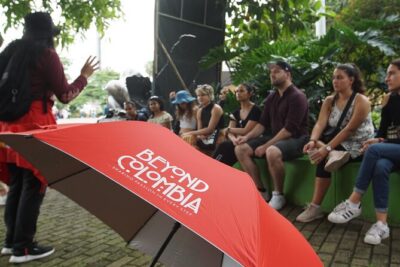
Shared Tour Historic Center of Medellin with Audio System
Read our review →
Medellín Essential: history & local life on E-bike
Read our review →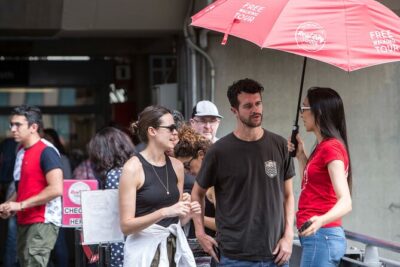
Medellin Historic Walking Tour with Expert Guide
Read our review →
Bogota Shared Gastronomy Tour in the Historic Center
Read our review →Browse the lists this tour appears in