
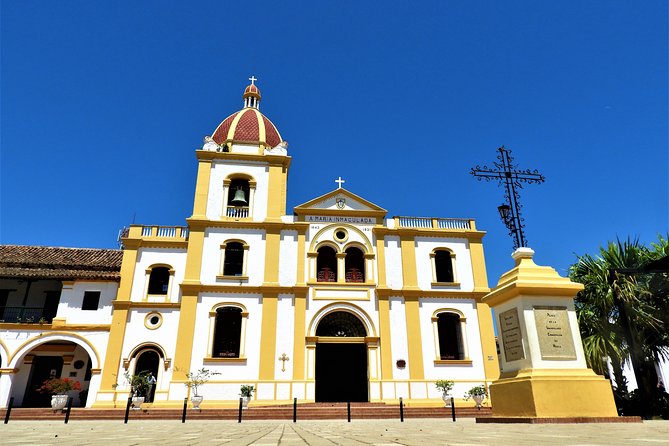
Reviewed · HISTORICAL TOURS
Private Half Day Cultural Tour of Historic Mompox
Mompox has a way of slowing you down, and this private half-day cultural tour is one of the most practical ways to do it without missing the city’s key stories. I like that the route feels customizable, so you can pause when the heat, photos, or coffee call. It also packs in the kind of “why does this place matter” context that makes the streets feel less like scenery and more like a living timeline.
Two things I especially liked: a stop at Casa de la Cultura, where you see both the pre-Columbian Malibu story and the colonial Momposina world side by side, and the guide-led walk through the church architecture and monuments that connect religious life to independence and local legends. When my mind tries to connect dots, this tour helps, fast.
One drawback to consider: several entrances are not included, so plan for small add-on fees like Casa de la Cultura and the Santa Bárbara tower. Also, some sites have limited access by day, so a couple of church stops might not line up perfectly with your schedule.
Key things you’ll notice on this Mompox tour
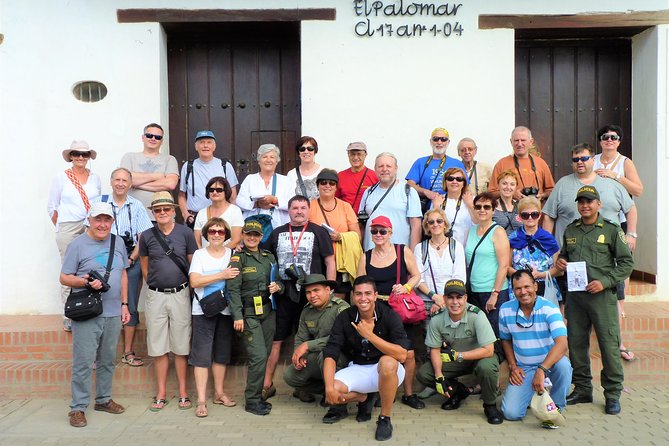
- Private, only-your-group pacing, with freedom to take breaks
- English-speaking guide who ties the sites to stories, myths, and everyday life
- Casa de la Cultura with two permanent rooms covering Malibu pre-Columbian culture and colonial Momposina life
- Riverfront plazas and monument stops that explain why the Magdalena River shaped the city
- Churches and convent buildings tied to Jesuits, Franciscans, and other Catholic traditions
- Bolívar-focused viewpoints, including a monument that explains how Mompox helped in the independence process
Why Mompox on foot feels like a time machine
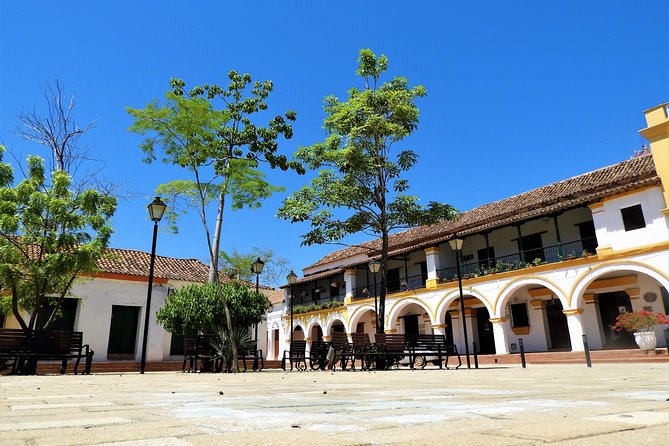
Mompox (on the Caribbean coast region of Colombia) is famous for architecture, but what makes it memorable is the way layers of time sit next to each other. In four hours, you get a concentrated walk through squares, churches, and old civic buildings, with a guide who connects the buildings to names, beliefs, and historical turning points.
I like the format because it is not a museum-only tour. You are out in the city, moving from one plaza to the next, seeing how locals use the same spaces visitors photograph. That matters in a place like Mompox, where daily life still happens right around the monuments.
If you want the short version of the value: this is a high-impact cultural sampler. You will see enough that later, when you spot a church tower or a riverside street, you actually know what you are looking at.
More historical tours in Caribbean Coast:
- Cartagena: Historic Center and Getsemaní Shared Walking Tour
★ 4.9 · 2,716 reviews - Shared Tour of the Historic Candelaria in Bogotá
★ 5.0 · 1,551 reviews - Historic Center & Getsemaní Shared Tour in Cartagena
★ 5.0 · 620 reviews
Pricing and value: what $25 buys, and what costs extra
At $25 per person for about four hours, the core value is your guide plus the structured route. The tour also includes a hydration and biosecurity kit, which is a small thing that still feels thoughtful when you are walking in warm conditions.
What is not included is just as important. You should expect optional add-ons for:
- Casa de la Cultura (3,000 COP)
- The Santa Bárbara church tower (3,000 COP)
- Colegio Nacional Pinillos, which may ask for a donation to help maintain the house
Most other stops are free to visit, including the plazas and major church exteriors, and several churches are described as accessible without an extra ticket. So your out-of-pocket costs will likely stay modest, but they can add up if both paid entrances are a priority for you.
One more logistics note: the tour offers pickup and is often arranged at a hotel reception point, but private transportation is not included. If you stay farther out or want to minimize walking in heat, you may want to plan your transport accordingly.
Casa de la Cultura, Freedom Square, and the Jesuit story you can actually see
The first stop sets the tone: Casa de la Cultura Historia de Mompox. This restored 18th-century house has the classic elements you want to notice, including a central patio, galleries, a gazebo, a backyard, and a cistern. It is the kind of place where the building itself is part of the lesson.
Inside, there are two permanent exhibition rooms:
- The Malibú Room covers pre-Columbian pieces connected to the Malibu indigenous culture that lived in Mompox before the Spanish conquest.
- The second room focuses on colonial Momposina culture, with images of prominent people, clothing, weapons, publications, and filigree tools.
If you care about understanding how a city became what it is, this stop earns its place early. You are learning the “before and after” so the later church and civic sites make more sense.
Then the route moves to Freedom Square, right in front of the San Carlos Convent. You will see the Monument to Freedom of French origin, along with plaques explaining the city’s independence. This is one of those moments where the guide helps you read the symbolism. It is not just a statue, it is a local claim to a larger story.
From there, you reach Palacio Municipal de San Carlos, described as the former Convent of San Carlos built in 1643. The building is associated with the Society of Jesus, including a science teaching school run by the Jesuits. Today it serves as the municipal mayor’s office, and it preserves colonial architecture. One practical note: access is enabled Monday to Friday, so if your day is off, your guide may adjust the pacing.
Churches and plazas: bell towers, pediments, and the Magdalena River viewpoint
Mompox church architecture is a big part of the reason people fall in love with the city, and this tour keeps the religious stops moving without turning it into a checklist.
You may stop at Iglesia de San Juan de Dios, built in 1545, known for a bell tower shape with Doric and Corinthian motifs. The caveat here is access: entry to the church is stated as not enabled every day. If it is open, you get the full architecture talk in front and with the guide.
Next comes Plaza San Francisco Mompox, a larger riverside square in front of the Church of San Francisco. Here you will learn about monuments, including the Sucre Monument and a Filigrana Monument, plus you get explained river context about why the Magdalena River mattered in colonial times.
The Iglesia de San Francisco is built in 1580 by the Franciscan order. This one is a treat for architecture lovers, because the design is described as unique in style, especially the central pediment finished at an acute angle and a broken-line profile with no known antecedents in the country. If the interior access is available on your day, you get to visit inside and listen to the guide.
After that, you shift toward the oldest core church area with Iglesia de la Inmaculada Concepcion in the Plaza Fundacional. Built in 1540, it is described as the largest and oldest in Mompox. The restoration in 1931 created its neoclassical look. Inside, you will find traditional images linked to Holy Week, and you can visit all spaces with guidance.
This is also where Plaza Real de la Concepción becomes more than a pretty square. The old market building is right there, and you can shop or at least browse local crafts like filigree, cabinetmaking, basketry, and fabrics. There is also a terrace viewpoint that is recommended for photography, letting you appreciate the river setting from above.
If you like capturing details, plan time for this area. It is the kind of stop where your camera roll ends up with more than river shots, you also get textures of craft and old-stone architecture.
A few more Caribbean Coast days worth comparing
- La Candelaria, Monserrate and Museums Bogotá Private City Tour
★ 5.0 · 1,567 reviews - Private Walking Tour in Cartagena Walled City & Getsemaní
★ 5.0 · 1,357 reviews - Bogota + Monserrate Private City Tour, Museums, Candelaria.
★ 5.0 · 1,015 reviews - Private Coffee Farm Tour in Medellin: Real Authentic Experience
★ 5.0 · 934 reviews
Colonial trade, legends on street corners, and the Black Poet’s legacy
Not every highlight is a monument. Some are the quiet street stories you might otherwise miss.
You may visit Plaza Del Moral, near Calle de la Albarrada, where several sites connect culture, economics, and independence. You will hear about the House of Candelario Obeso, the Black Poet and a precursor of black poetry in Momposina culture, including the legacy he left and his story of love and hate. The tour also points out the Old Customs Building, where taxes were paid during colonial times. Near that, there is El Puerto del Moral, tied directly to Simón Bolívar, described as the place where he disembarked during his first arrival in Mompox.
Then you get a street stop that feels more like wandering with purpose: Calle de la Sierpe and the Callejón de la Sierpe near Calle de la Albarrada. Here, you can see the Casa de los Ángeles, tied to the Legend of the Three Christs. This is the Catholic influence angle, but the bigger value is that the guide explains how Mompox uses oral tradition to keep meaning alive. The street itself is described as Andalusian-style with colonial and Republican houses, so it is photo-friendly without feeling like a staged attraction.
If you want a visual contrast from plain plazas, you might also stop at Callejón de las Tres Cruces with the Portales de la Marquesa. These houses, built in 1700, represent the opulence of wealthy Momposina families, associated with mayorazgos of the Marquises of Santa Coa and Torre Hoyos. It is a focused lesson in how power and architecture used to share the same zip code as the river.
Bolívar connections: monuments that explain why this city mattered
If Mompox had just been a pretty port city, it might still be worth visiting. But its independence story makes it feel essential.
The tour includes La Piedra de Bolívar, described as a monument of immense historical value because it establishes the relationship between Simón Bolívar and Mompox. The guide shares how Bolívar visited the city to receive help from wealthy Creole families, connecting the local elite to the independence process.
And the Bolívar theme shows up twice more. First, at Plaza Del Moral with El Puerto del Moral and the story of Bolívar’s first arrival. Second, at Bolivar Park, the Plaza de Bolívar built in 1910, with a bronze monument by Italian sculptor Pietro Tenerani. This is the heart of the city in a practical sense, where you see movement and everyday chores around the monument. The guide ties that daily rhythm back to the history of the place.
One small consideration: if you are short on time, the Bolívar stops can be the places you rush. Try not to. These are the moments where the guide helps you understand why Mompox is part of the independence narrative, not just a backdrop.
Santa Bárbara’s Baroque syncretism, San Agustín’s Cristo, and the quieter sacred corners
Religious Mompox is not just “look at churches.” It is about how design, symbols, and local beliefs blend. This tour gives you a strong mix of big icons and calmer, reflection-style visits.
At Santa Barbara Square, you will learn the story of the plaza and church, including the fact that the Mompox Jazz Festival takes place here. The square is also described as an area with abundant vegetation and a magical photography setting. It is a good breather after the louder streets.
The Church of Santa Bárbara is built in 1613 and described as the icon of Momposina architecture, especially for its marked Baroque style and the syncretism of Catholic and non-Catholic elements. One detail you may hear emphasized is the balcony of Barandaje Salomónico, described as unique in America. There is also a practical option to climb the tower for panoramic city views, with the tower entrance costing 3,000 COP and not included in the tour price.
Then comes one of the most meaningful stops on the list: Cementerio de Mompox (del Rosario), built in 1831. It is described as one of the most beautiful cemeteries in Colombia, known for elaborate architecture and a sense of mystique. The guide helps you interpret elements and symbols, and the spot is also praised for the peace created by surrounding vegetation. Even if you do not usually enjoy cemetery visits, this one is framed in a way that feels respectful and historically grounded.
Back in the sacred sweep, you may also see the Basilica de San Agustín at the Callejón de San Agustín. Built in 1606, it houses the Miraculous Christ of Mompox. Inside, the tour notes the Holy Sepulcher built in France in 1880 and the elaborate carpentry work of the pulpit, altarpiece, and coffered ceiling. This is the stop where the guide’s story-telling style matters most, because the details can otherwise blend together.
Finally, the route reaches Plaza de Santo Domingo and the Church of Santo Domingo de Guzmán. The plaza is described as the soul of the city, with residents often meeting to talk and share. The church is the second oldest in Mompox, built in 1544, and it contains the Virgin of the Rosary, described as the patron saint of the city, plus an altarpiece highlighted as elaborate armed carpentry.
If you are the type who likes a clear narrative arc, this section delivers it. You go from spectacle (Baroque and tower views) to meaning (Miraculous Christ and symbols) to daily life (Plaza de Santo Domingo).
Finishing touches: education, daily commerce, and how to make the most of the heat
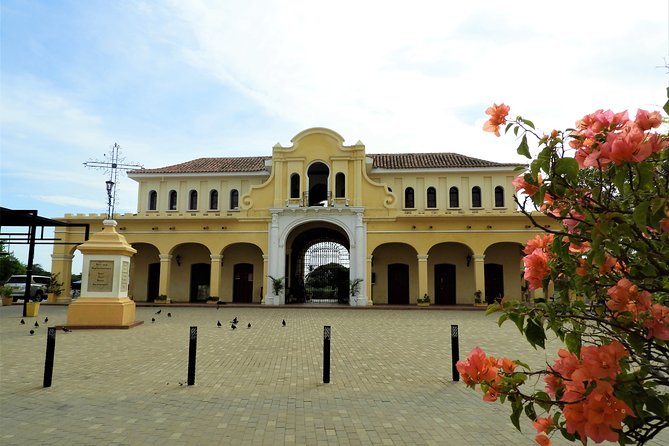
The last parts of the tour put Mompox back into a human scale, not just churches and monuments.
You may visit the Colegio Nacional Pinillos, completed in 1809 for teaching science in Mompox. The building is described as a double rectangular structure with Sevillian architecture. Inside, you can learn about the building’s uses over time and the role of education in independence. Entrance is not included, and you might be asked for a contribution or donation to help maintain the house.
Then you wrap up at Plaza de Bolívar, already mentioned as the daily movement heart of the city. It is the practical ending point, because you finish where people naturally live their day, not in a quiet corner that feels far away.
A real-world tip: heat can change your pace. One guide style name that comes up is Carlos, and people often recommend using a motorcycle taxi or tuk-tuk when it helps. This tour is structured as a walking route with short stops, but you can still cut fatigue by grabbing a quick ride between blocks if your legs need it.
Should you book this half-day cultural tour of historic Mompox?
Book it if you want the best return on time. This is ideal if you are short on time, because the route touches the city’s key cultural anchors in about four hours. It is also a strong choice if you care about how religion, colonial economics, and independence connect to the physical city.
Skip or think twice if you hate paying extra for entrances, since Casa de la Cultura and the Santa Bárbara tower both have listed fees. Also, if your travel day lands on a Monday-Friday mismatch, keep in mind that some access is limited, including the Palacio Municipal de San Carlos and certain church access.
If you do book, go in with one mindset: take your time with the guide explanations at the plazas and monuments. The buildings are gorgeous, but the real payoff is understanding what each place is saying.
FAQ
How long is the private half-day tour of historic Mompox?
It runs for about 4 hours.
Is this tour private?
Yes. It is private, meaning only your group participates.
What language is the tour offered in?
The tour is offered in English.
What’s included in the price?
Hydration and a biosecurity kit are included.
Are entrance fees included for all stops?
No. Casa de la Cultura costs 3,000 COP per person, the Santa Bárbara tower costs 3,000 COP per person, and Colegio Nacional Pinillos may involve a requested contribution or donation. Other stops listed as free include many plazas and churches, but paid entrances are not included.
Is pickup included?
Pickup is offered and is generally arranged at your hotel reception at the agreed time. Private transportation is not included.
What days are some sites accessible?
Access to Palacio Municipal de San Carlos is enabled Monday to Friday. Iglesia de San Juan de Dios is noted as not enabled every day.
What happens if weather is bad?
The experience requires good weather. If it is canceled due to poor weather, you will be offered a different date or a full refund.
Recently reviewed around Caribbean Coast
- Tour Isla del Encanto Cartagena★ 3.5 · 4 reviews
- The Native Expedition – Sierra Nevada (2 days Discovering Chorrerón waterfall)★ 5.0 · 7 reviews
- ATV Thrill Ride Near Cartagena Through Wildlife Trails and Nature★ 5.0 · 8 reviews
- Playa Blanca Barú Tour with Lunch and hotel pick up★ 3.0 · 8 reviews
- Horseback Ride Near Cartagena With Mountains, Wildlife and Forest★ 5.0 · 9 reviews
- Parrot & Macaw Volunteering in a Wildlife Reserve Near Cartagena★ 5.0 · 12 reviews
- UTV Safari in a Wildlife-Filled Nature Reserve Near Cartagena★ 5.0 · 36 reviews
- UTV Thrills & Horseback Ride at Wildlife Paradise Near Cartagena★ 5.0 · 44 reviews
Historical Tours, compared.
Historic Center and Getsemaní Shared Walking Tour
Read our review →
Shared Tour of the Historic Candelaria in Bogotá
Read our review →
Historic Center & Getsemaní Shared Tour in Cartagena
Read our review →
Shared Tour Historic Center of Medellin with Audio System
Read our review →
Medellín Essential: history & local life on E-bike
Read our review →
Medellin Historic Walking Tour with Expert Guide
Read our review →
Bogota Shared Gastronomy Tour in the Historic Center
Read our review →Browse the lists this tour appears in