
Reviewed · HIKING & TREKKING IN BOGOTÁ
Chingaza Siecha & Cuchillas Lakes Trek – 5 hours
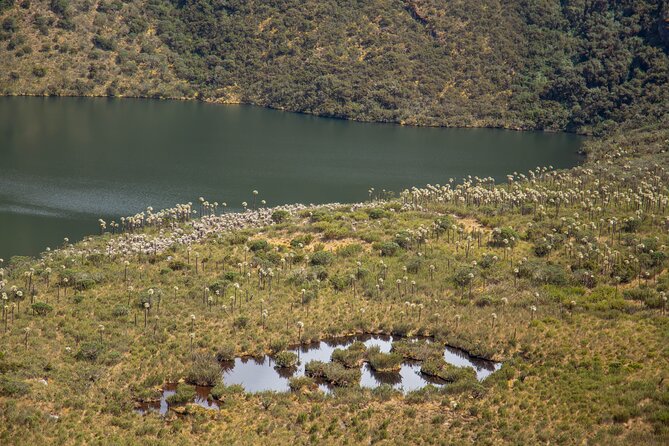
Chingaza National Park is the kind of place that makes Bogotá feel like a starting point, not the whole story. This Siécha and Cuchillas Lakes trek is interesting because you get a structured, no-logistics-stress outing right into the high páramo, where the air is thin and the scenery has a wild, science-teacher vibe.
What I like most is the small group size, capped at 9 travelers. You also get a certified park guide, plus admission, mandatory park insurance, and even a cheese arepa snack, so you spend more energy on the hike and less on running around figuring things out.
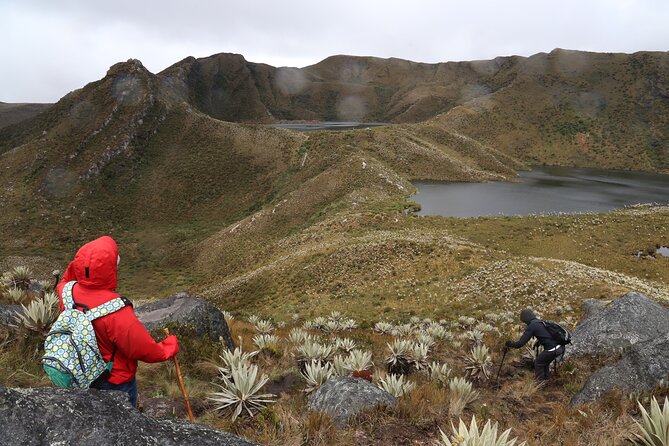
The main drawback to plan for is the difficulty level. This is genuinely high altitude and rough footing, with steep, uneven, often muddy trails and cold, fast-changing weather up near 3,800 meters.
Key things to know before you go
- High-altitude effort: 3,400 to 3,800 meters, with low air pressure above 3,000 meters
- Trek time plus logistics: about 5 hours of hiking, wrapped in an overall day of roughly 10 hours
- Certified guide, not just a driver: park guidance plus help with park check-in
- No plastics in the park: bottled water is not included, so bring a plan for hydration
- Small group attention: fewer people, more guide support on a tough trail
- Cold páramo weather: average around 10ºC, with rapid dips and sun that can still bite
Chasing Siécha and Cuchillas Lakes at 3,800 meters from Bogotá
If you love nature, you probably already know that Colombia has a lot of “look at that” moments. Chingaza gives you a different kind of payoff. This is not a gentle stroll through a pretty place. It is a high páramo trek where you move through a fragile ecosystem shaped by elevation, cold, sun, and wind.
The “worth it” factor here comes from how the hike combines effort and understanding. Your guide doesn’t just point out views. You get context on the paramo ecosystem and the human history tied to the area’s native communities and cultural practices. That combination is why this kind of trek feels memorable, not like a checkbox.
And yes, the drive from Bogotá can be long. But having round-trip transport and a small group makes the day feel orderly, like the hard part is the hike, not the coordination.
More Hiking & Trekking in Bogotá
- Colombia’s Tallest Waterfalls: La Chorrera Hike
★ 5.0 · 287 reviews - La Chorrera and Chiflon Waterfalls Private Hike Tour
★ 5.0 · 125 reviews - Las Moyas Morning Hike: Bogotá’s Best Skyline View + Local Guide
★ 5.0 · 87 reviews
The 10-hour day, and how the timing actually feels
The trek is listed as about 5 hours on the trail, but the full outing is closer to 10 hours including transport and the time around the stops. That matters because you are leaving Bogotá and then spending significant time at altitude, where every hour feels heavier.
Plan your day like an all-day commitment. Even if the hike itself is “just” 5 hours, you’ll feel the schedule from pickup to return. The tour starts at Parque de la 93 (Cra. 11a #93A – 22). Pickup is offered, and the team will wait up to 15 minutes past the pickup time. Late arrivals or no-shows forfeit payment, so set an alarm and treat pickup like it is the start of an important appointment.
Because the max group size is 9, you’re not getting shuffled through like a cattle call. But it’s still a shared day, so you should expect a bit of waiting at the park check-in stage and before you move between points.
A small note: the tour operates in English, which is a big deal on hikes like this. When the guide is explaining what you’re seeing, the details land better if you can follow every word.
Altitude and trail conditions: the real challenge is the air and the ground
This is a high-difficulty trek. The park sits at altitude, and your body notices. The key numbers to focus on are:
- Starting around 3,400 meters
- Reaching up to 3,800 meters
- About 400 meters of elevation gain overall
- Low air pressure effects above 3,000 meters
There is also a practical way to think about effort: each hour hiking at high altitude is roughly equivalent to two hours at sea level. That line is not just trivia. It’s your cheat code for pacing yourself. If you feel like you’re working hard after an hour, you’re probably doing it at about twice the “normal” effort.
The trail itself is another challenge. It’s uneven and steep, and it tends to be muddy most of the time. That combination means you will need to watch your footing, not just your breathing. Good grip matters. Slow steps matter. If you try to power through, you’ll get tired faster and you’ll likely slip more.
Weather also plays hardball. Average temperature in the páramo is around 10ºC, but it can drop down to 5ºC quickly depending on cloud cover. Then, if the sun hits, temperatures can rise to around 16ºC. Translation: you can get a cold start, a warm middle, and a chilly finish in the same day. Bring clothing you can layer and adjust.
Best planning months by rain pattern:
- Wettest: May to Aug
- Driest: Jan to Mar
If you’re going during wetter months, expect mud and slick footing to be part of the program.
Stop 1: Siécha Lakes, where the páramo comes alive
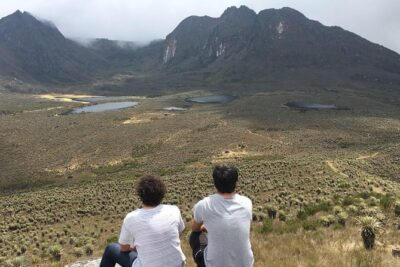
Your first stop is the Siécha Lakes area. This is the core of the trek, and it’s where your guide’s storytelling really makes sense. At these altitudes, the páramo ecosystem is shaped by cold nights, intense sun, and tricky moisture. You’ll get explanations that help you recognize what’s surviving in conditions most plants can’t handle.
On a clear day, the views are a big part of the magic. And even when it’s cloudy, the experience can still feel special because you’re moving through a high-elevation world that looks and behaves differently than lower mountains around Bogotá.
What makes this stop worth your energy is the combination of:
1) physical payoff from climbing and moving over rough ground, and
2) mental payoff from understanding what the guide is pointing out.
You’ll want to pace yourself here. Take breaks when you need them, especially early on when you’re still warming up at 3,400 meters. Keep your steps short. Use poles if you have them. The goal is steady progress without getting out of breath so early that the rest of the trek turns into survival mode.
If you’re experienced, you might feel capable, but don’t let confidence trick you. Altitude reduces your margin for error.
More hiking around Bogotá:
- Hike to Colombia’s Tallest Waterfall: La Chorrera & El Chiflón
★ 5.0 · 85 reviews - Sumapaz Páramo Private Hike Tour
★ 5.0 · 52 reviews - Hiking to the largest paramo on earth : Sumapaz
★ 5.0 · 49 reviews - From Bogota: La Chorrera Waterfall Guided Hike
★ 4.9 · 46 reviews
Stop 2: La Calera, a practical reset on the way back
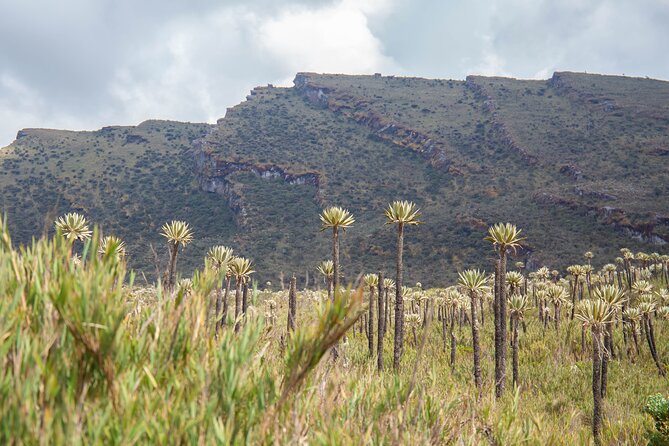
After the lakes trek portion, you reach La Calera. This is less about “one big view moment” and more about resetting your day before you return.
In practical terms, La Calera is a useful place in the itinerary because it breaks the ride rhythm. By the time you arrive, you’ve already worked hard in thin air. Having a structured second stop helps the day feel paced instead of abrupt.
Don’t treat the second stop as your time to go wild with energy. Think of it as an opportunity to:
- rehydrate calmly
- adjust layers if the temperature shifts
- check your footing and shoes before you move further back to Bogotá
Also remember a key park rule: no plastics allowed in the park. Since bottled water isn’t included, you should assume you’ll be responsible for bringing enough water in a reusable way, and then you can refill only if there is a spot where the operator recommends or where park rules allow.
Why the guide and small group make this hike better
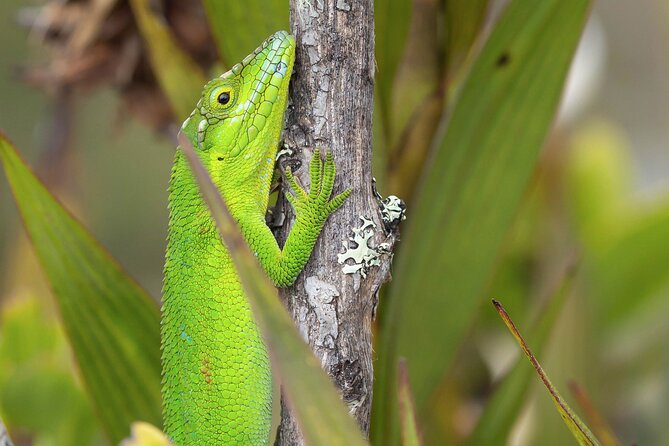
With hikes in protected areas, the difference between “I did a trek” and “I learned something” is usually your guide. Here, you get a certified park guide, and the experience includes park admission and mandatory park insurance. That means you’re not just paying for a person to walk with you, you’re paying for proper access and instruction.
The small group size, max 9 travelers, matters on a tough trail. You’re more likely to get answers to your questions, and the guide can notice when someone is struggling with altitude or footing. It also helps with pacing, because you’re not waiting around for ten different skill levels.
Language is another practical win. The tour is offered in English, and that helps a lot when the guide is explaining paramo ecology and the cultural history tied to the area. When you understand what you’re looking at, you feel more connected to the hike, not just tired from it.
And then there’s the “easy logistics” layer. Pickup is offered, and the experience ends back at the meeting point near Parque de la 93. That reduces decision fatigue, which is huge on a day when you’re already dealing with altitude.
What to wear and pack for cold, mud, and fast weather swings
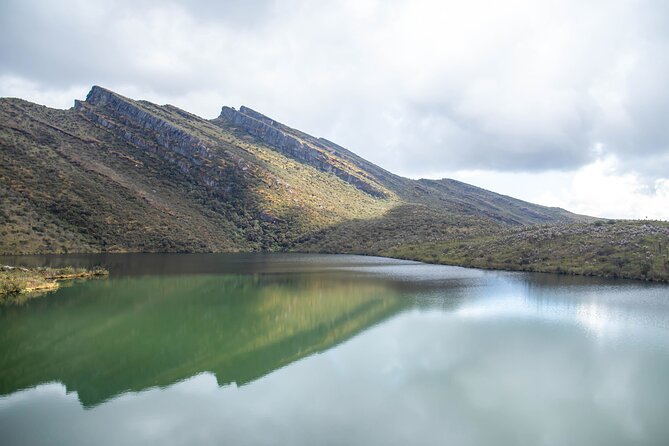
The páramo is not a place to dress like it’s only slightly cold. Expect wet trails, cold air, and sun that can change how you feel quickly.
You should dress well for cold and rain at the mountaintop. That usually means:
- a warm base layer and a jacket that can handle damp conditions
- waterproof or at least water-resistant outer protection
- pants that can handle mud (and don’t mind getting dirty)
- gloves or warm layers you can tolerate when wind picks up
- shoes with solid grip for uneven, muddy ground
- a hat or cap plus sun protection, because the sun can still feel intense
For hydration and snacks, plan around what’s included and what isn’t. You get a cheese arepa snack, but bottled water is not included. Since the park bans plastics, bring a reusable water container that you can carry without creating trash.
If you’re prone to getting chilled, bring layers you can add quickly at stops. If you overheat, you’ll want something that can come off fast without turning the trail into a wardrobe change.
Fitness fit: who this is for, and who should think twice
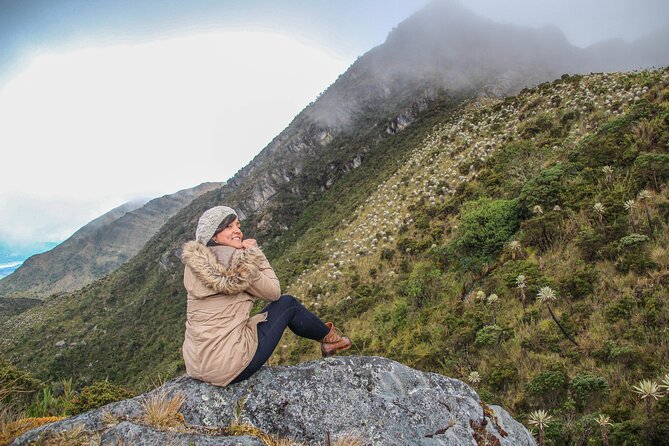
This trek is open to ages 10 to 70. But age doesn’t tell the whole story, because altitude and footing are the real gatekeepers. You should have strong physical fitness for uneven, steep, muddy terrain at altitude.
If you’re comfortable with:
- sustained uphill walking
- step-by-step pacing
- breathing through thin-air effort
then you’ll likely find the challenge satisfying. The hike is described as challenging for experienced hikers, and the terrain supports that.
If you struggle with high altitude at all, or you hate cold wet conditions, this is where you should be honest. Not because you can’t do it, but because you might spend a lot of energy fighting the environment instead of enjoying the experience.
My practical rule: if you can handle a tough hike in your home area, you’ll probably be okay here too. But if your toughest hikes are usually flat or low elevation, plan extra caution or consider a less demanding day first.
Price and value: what $152 buys you in Chingaza National Park
At $152 per person, you are paying for more than the trek. You’re paying for the parts that make a high-altitude park day easier:
- private transportation
- admission fees
- a certified park guide
- mandatory park insurance
- a snack (cheese arepa)
You’re also paying for the small-group format, max 9 travelers. In places like Chingaza, that “small” detail matters because the trail and altitude require more attention, not less.
A good way to judge value is to ask what you’d otherwise need to arrange on your own. You’d likely need transport out of Bogotá, park access, a guide, and the insurance and admission pieces. Once you factor in all that, the price feels more reasonable.
The one thing that’s not included is bottled water. That means your personal cost is mainly hydration, plus whatever you decide for snacks beyond the included arepa. Since plastics are not allowed in the park, plan with a reusable bottle rather than assuming you can buy a plastic bottle at the last second.
Should you book this Siécha and Cuchillas Lakes trek?
Book it if you want a genuinely challenging páramo hike with real structure. I’d especially recommend it if you like learning while you hike and you’re the type who enjoys a guide-led pace more than “wander and hope.”
You should be cautious before booking if:
- you are not used to high altitude
- you get easily chilled in cold weather and wet conditions
- you struggle on uneven, muddy trails
- you’re hoping for an easy nature walk
One more decision tip: plan your body for altitude. Even though the elevation gain is about 400 meters, the altitude level does most of the work on you. Slow down early, layer up, and treat the day like a workout, not a casual outing.
FAQ
How long is the trek?
The hike time is listed as 5 hours, and the overall experience is about 10 hours.
Where does the tour start in Bogotá?
The meeting point is Parque de la 93, Cra. 11a #93A – 22, Bogotá, Colombia.
What is the highest altitude reached?
The maximum altitude reached is 3,800 meters above sea level.
How difficult is the hike?
It is high difficulty. You need good physical condition due to low air pressure above 3,000 meters, and the trail is uneven, steep, and often muddy.
What weather should I expect in the páramo?
Average temperature is around 10ºC, and it can drop to about 5ºC quickly. With sun, temperatures around 16ºC are possible. Rain is most common from May to Aug.
Is pickup included?
Yes, pickup is offered. The team waits up to 15 minutes past the pickup time.
Is the tour offered in English?
Yes, it is offered in English.
What is included in the price?
Included are private transportation, admission fees, a cheese arepa snack, mandatory park insurance, and a certified park guide.
Is bottled water included?
No. Also note that no plastics are allowed in the park, so you’ll need a reusable hydration plan.
Is this experience refundable?
No. It is non-refundable and cannot be changed for any reason.
Recently reviewed around Bogotá
- Visit and live a colombian coffee plantation (group tour)★ 4.5 · 4 reviews
- Villa de Leyva Food Tour at Sunset★ 5.0 · 4 reviews
- Private Coffee Tour in Cachipay★ 5.0 · 4 reviews
- Tour Nocturno de Tejo y Salsa en Bogotá★ 5.0 · 4 reviews
- Bike Tour in Bogota★ 5.0 · 4 reviews
- Hike to the Rocky mountains of Sutatausa Private Day Tour★ 5.0 · 5 reviews
- Andrés Carne de Res Chía: VIP Entry with Cover & Welcome Cocktail★ 5.0 · 5 reviews
- Salt Cathedral Tour along with the Legendary Lake Guatavita★ 5.0 · 5 reviews
Hiking & Trekking in Bogotá, compared.
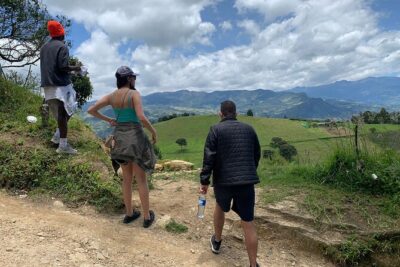
Colombia’s Tallest Waterfalls: La Chorrera Hike
Read our review →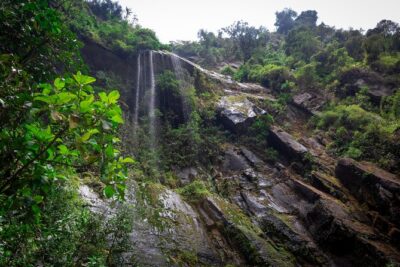
La Chorrera and Chiflon Waterfalls Private Hike Tour
Read our review →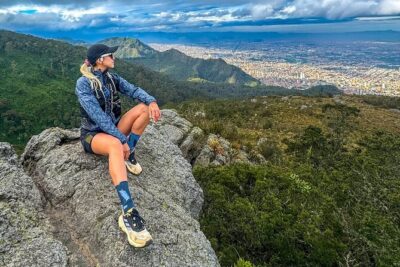
Las Moyas Morning Hike: Bogotá’s Best Skyline View + Local Guide
Read our review →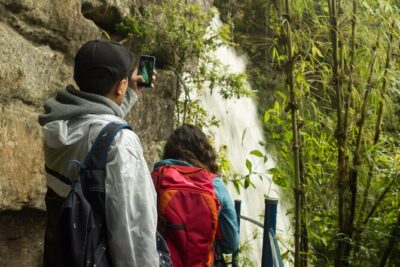
Hike to Colombia’s Tallest Waterfall: La Chorrera & El Chiflón
Read our review →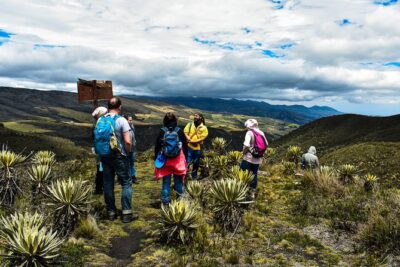
Hiking to the largest paramo on earth : Sumapaz
Read our review →
Browse the lists this tour appears in