
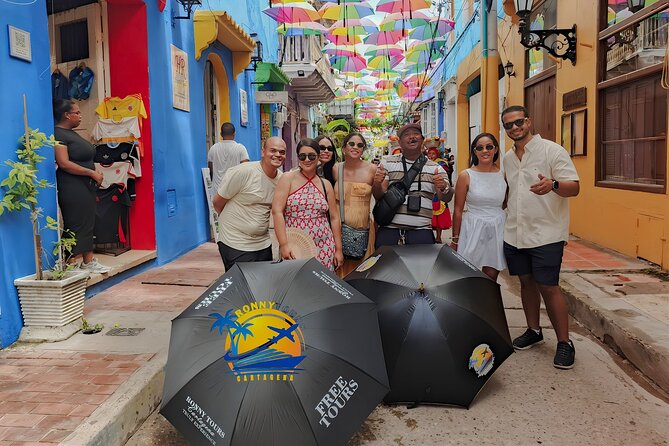
Reviewed · HISTORICAL TOURS
Cartagena Magic: Tour Historic Center and Gethsemane District
This tour is interesting because it connects Getsemaní street life with the big-name landmarks inside Cartagena’s Walled City, without turning it into a museum marathon. I like that you get a real mix of plazas where you can actually feel the neighborhood rhythm, plus a stop tied to Colombian emeralds instead of only stone-and-stories photos.
What I also like is how short and punchy the timing feels at each place, which is great when you want highlights but still want time to wander on your own afterward. The only drawback to consider is that most stops are brief, so if you want long lingering visits at a single site, this format moves on quickly.
Key highlights you should care about
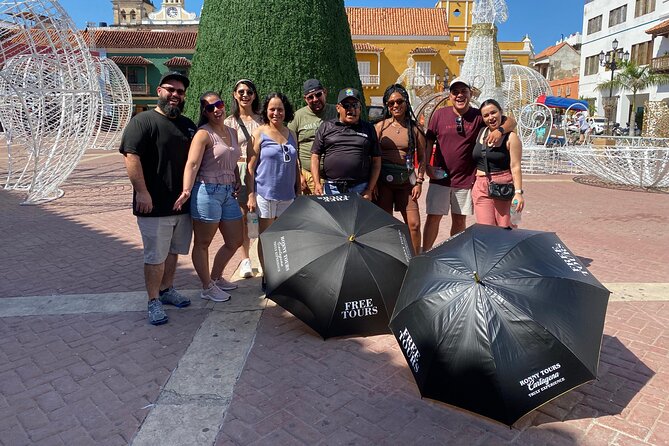
- Getsemaní first, then the Walled City, so you see how the neighborhoods and history connect
- Quick plaza stops (often 10 to 15 minutes) that keep you moving and give clear photo moments
- A guide-led walk with bilingual support in English, with guides praised for fun storytelling like Gustavo, Gus, Roland, and Renaldo
- Landmark sequence built around the Clock Tower, plus the Camellón de los Mártires walkway for views and context
- Caribbean Jewelry Store and Emerald Museum stop with Colombian emerald carving context
- Small group size with a maximum of 30 people, which helps the walk feel manageable
From Plaza de la Aduana to the Getsemaní Wall: how the route flows
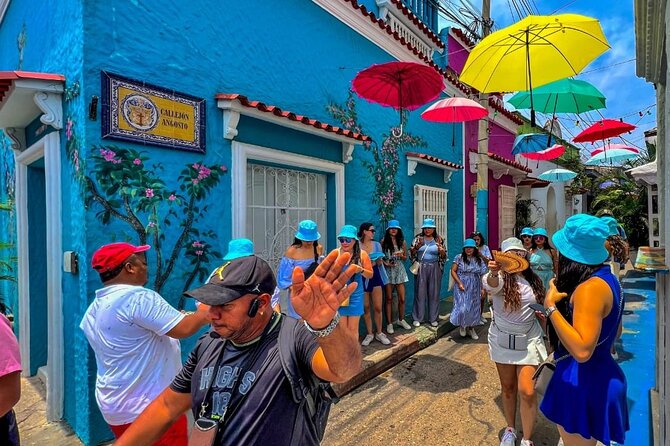
This is a compact, on-foot route that starts in the Historic Center and finishes in Getsemaní, at the San Jose Bulwark, also known as the Gethsemaní Wall. Starting at Plaza de la Aduana is a smart move, because it puts you right in the zone where Cartagena’s old commerce shows up in architecture and street layout.
You’ll be walking between plazas and key points instead of hopping by vehicle. That matters because it turns the tour into a street-level experience. You get to see how the city changes block by block, from neighborhood squares and murals to the more formal colonial spaces inside the walls.
The finish at the bulwark is also useful. It gives you a natural “walk ends here, now explore” moment, especially if you plan to keep going into the evening.
More Historical Tours in Cartagena
- Cartagena: Historic Center and Getsemaní Shared Walking Tour
★ 4.9 · 2,716 reviews - Historic Center & Getsemaní Shared Tour in Cartagena
★ 5.0 · 620 reviews - San Basilio de Palenque History Tour
★ 5.0 · 301 reviews
Centennial Park (Parque Centenario): a calm reset in the middle of downtown
Your first stop is Parque Centenario, opened in 1911 to mark 100 years of independence. Even if you don’t read every detail, the point of this park stop is practical: it’s a breather right after you gather.
I like that this stop is framed as an oasis in busy downtown. You can take a breath, re-orient your sense of direction, and get oriented before the tour picks up pace into the historic squares.
Expect a shaded pause among older trees and public art features. It’s also a place where local life feels ordinary instead of staged. If you’re the type who likes to start with context before big monuments, this works.
Trinity Square and Getsemaní: color, street energy, and local resistance
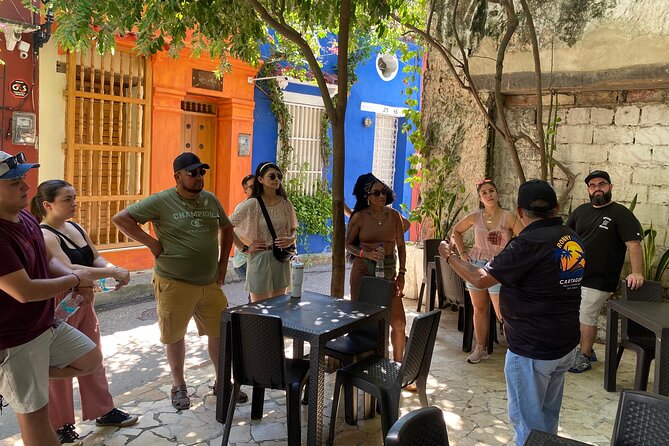
Then the route heads to Plaza de La Trinidad, the heart of the Getsemaní neighborhood. Here you’re not looking at a quiet postcard square. You’re in the kind of place where popular resistance is part of the story, and where the atmosphere is active at night with music and street food.
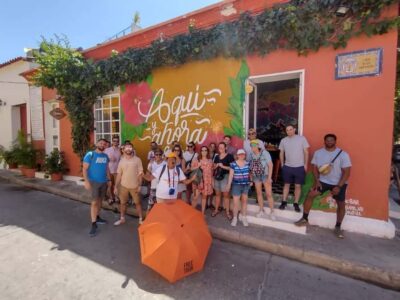
This is where the tour earns its nickname. Getsemaní is famous for its character, and the walk approach helps you see it as more than a backdrop. You move through different colorful streets, plus the small squares along the way, and the guide’s job is to connect what you see to what the city went through.
A big plus here is the “with local people” walking style described for the neighborhood portion. You’re not only being shown landmarks. You’re moving through lived-in space.
Plaza de la Aduana and Cartagena’s trade-era pulse

Back in the Historic Center, the tour anchors you at Plaza de la Aduana. This is one of the largest and oldest squares in Cartagena, and it used to be the center of commerce in Spanish times. That commercial origin matters, because it helps explain why the area feels like a hub rather than just a scenic corner.
You’ll be surrounded by colonial balconies and the square layout that signals how people moved goods, people, and money. It’s also a good starting point for understanding the city’s “why.” Old towns often look beautiful, but the real value is learning what made them work.
One practical consideration: plazas mean open space. If you’re sensitive to sun or just want shade, plan to take your photo moments quickly and listen to the guide’s story while you have it, then step back for a breather.
A different kind of day out of Cartagena:
- Cartagena Island Hopping: 5-Stop Rosario Islands Tour with Lunch
★ 4.5 · 4,903 reviews - Cartagena: Rosario Islands Catamaran with Lunch and Snorkel
★ 4.5 · 2,479 reviews - Full-Day Rosario Islands Including Barú, Bocachica & Playa Blanca
★ 4.0 · 1,729 reviews - Tour De Palenque, Road to Emancipation.
★ 5.0 · 1,678 reviews
Saint Peter Claver square: art, sculptures, and a specific moral story
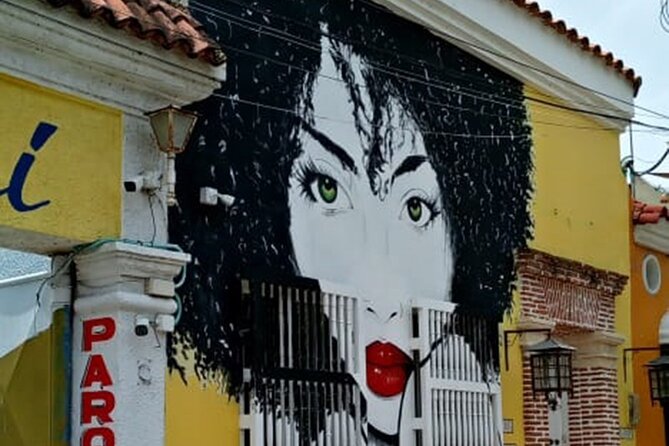
Next comes Plaza de San Pedro Claver, opposite the church of the same name. The key detail here is the theme: this is dedicated to Saint Peter Claver, described as the holy defender of slaves.
If you care about how history is remembered through public space, this stop is worth it. You’ll see art and sculptures, but you’re also given a clear reason why the name matters. It’s the kind of stop that turns “pretty old building” into “this is what people wanted to honor.”
Drawback? It’s still a relatively short stop. If religious art and memorial context are your thing, you may want to circle back later on your own to look longer at whatever grabs you.
Plaza de la Proclamación near the Cathedral: where official moments meet modern life
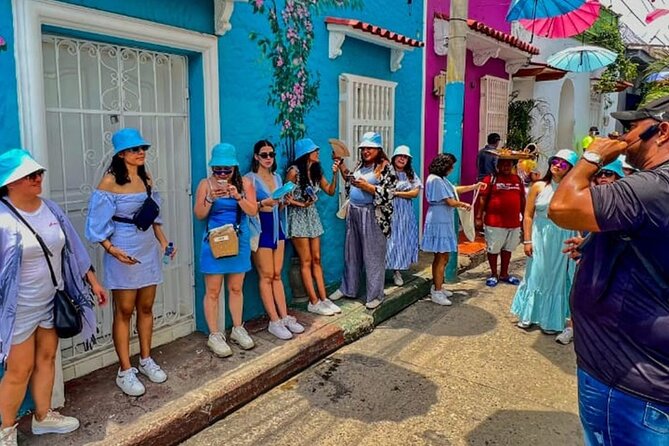
Plaza de la Proclamación is next to Cartagena Cathedral, and it’s described as the scene of official events and historic celebrations. Today, it’s open and photogenic, and it connects colonial history with the way the city lives now.
This is a nice “bridge stop” between heavier historical meaning and everyday city flow. You’re still in the Historic Center vibe, but the plaza is treated as a connector rather than a dead-end.
If you’re the kind of traveler who likes photos but also wants the story behind where you’re pointing your camera, this is a strong place to pause and get both.
Plaza Santo Domingo: Botero’s Gertrude and the evening-friendly mood
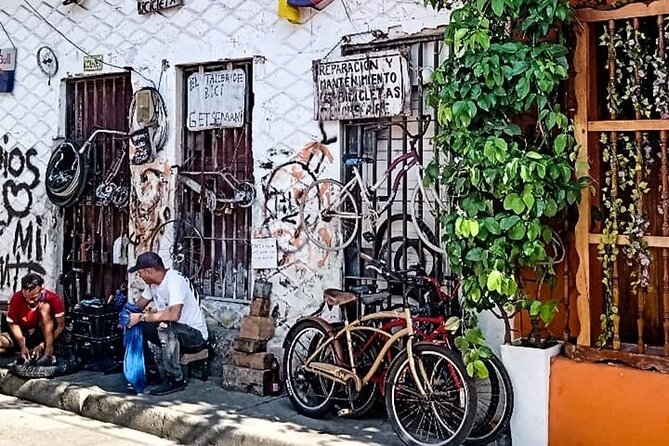
Plaza Santo Domingo is described as one of the liveliest and most charming plazas in Cartagena, surrounded by restaurants and live music. That sets expectations early: even if you’re there during the afternoon or early evening, the atmosphere here is meant to feel social.
One specific highlight is Botero’s famous sculpture of Gertrude. That’s the kind of landmark you can spot, enjoy, and then use as a reference point for your own exploration afterward.
What I like most about this stop is the combination of art and mood. You’re not just looking at a statue. You’re in the part of the city where people linger, eat, and enjoy music, which is exactly when you start understanding why Cartagena feels like it has a pulse.
Plaza de los Coches and the Clock Tower entrance: the Walled City gateway moment
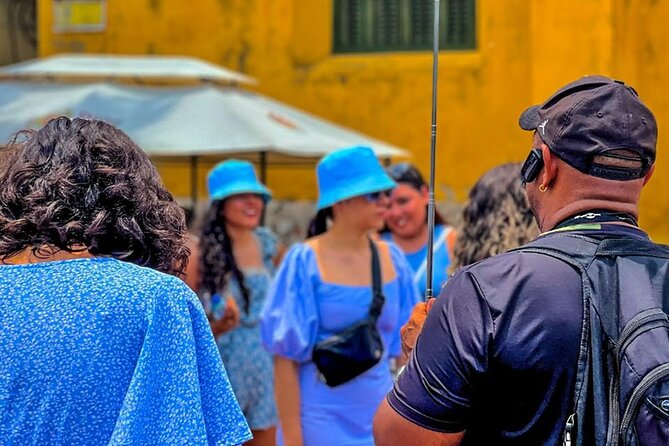
The tour then moves toward the edge of the Walled City experience. Plaza de los Coches marks the entrance to the Walled City right in front of the Clock Tower. In colonial times, it served as a slave market and commercial center, and today it preserves colorful portals and a famous portal of sweets.
That historical weight is real, so it’s worth taking the guide’s framing seriously instead of treating it like a quick photo checkpoint. If you want to understand Cartagena beyond postcard beauty, this is where the tour keeps you honest.
Then you reach Torre del Reloj, the Clock Tower. Built in the 17th century and described as the original entrance to the city, it becomes a symbol you can build your route around. Seeing it as a gateway helps your brain map the city’s old boundaries.
Photo tip: when you get the Clock Tower moment, take your wide shot first, then walk a few steps to catch the lines and angles that make the gate feel like an entry point instead of just a single object.
Camellón de los Mártires: independence heroes and wall-and-bay views
The Camellón de los Mártires is the walk that connects the Clock Tower with Centennial Park. The tour frames it as a tribute to Cartagena’s independence heroes and notes that you can enjoy views of the walls and the bay.
This part is valuable because it gives you movement plus context. You’re not stuck in a single plaza. You’re getting a longer visual payoff and a better sense of the city’s shape.
If you like walking sections that feel like they’re doing more than just connecting points, this is that kind of segment.
Caribbean Jewelry Store and Emerald Museum: learning the craft, not just shopping
The final “interest anchor” stop is the Caribbean Jewelry Store and Emerald Museum on Calle 5. The focus here is Colombian emerald extraction and carving, plus you can admire and acquire unique pieces.
Even if you don’t plan to buy, this stop can add variety to a historic-center-heavy day. Instead of only architecture and squares, you’re learning how a major Colombian product comes to life. It’s also an easy way to break up the walking with an indoor or semi-indoor look at craft and tools.
Important for your expectations: this is connected to a store. That means you might be tempted to look at pricing and pieces. If you’re watching your budget, browse respectfully and let the guide talk through the process first, then decide if any purchase makes sense for you.
Price and value: what $25 buys you in real terms
At $25 per person for about 2 hours 30 minutes, you’re paying for three things that actually matter in Cartagena:
- A bilingual guide with English offered
- A structured route across major highlights that you might otherwise connect awkwardly on your own
- Included access details at the stops, since admission is listed as free for the tour’s stop locations
It’s also booked about 13 days in advance on average, which suggests it’s a popular option. And with a maximum of 30 travelers, it’s not the kind of large group where you constantly lose the guide or hear only half the story.
If you’re comparing to the cost of getting a similar mix of plazas and neighborhood context through taxis and self-guided wandering, the guided format usually wins on time and clarity.
Timing and your best use of the afternoon or morning
Because the stops are mostly short, you’ll get the best experience if you treat the tour like a “foundation.” Listen, take a few photos, then plan to spend extra time afterward in whatever place grabbed you most.
This also matters for pacing if you have other plans that day. You’re taking around 2.5 hours, and you’ll end near the Getsemaní Wall, which is convenient if you want to keep exploring without backtracking.
Group size and guide energy: why the storytelling is the main product
This is not a quiet, passive tour. The guide is the engine, and the experience style described in feedback points to guides who mix information with humor and energy. Names that show up include Gustavo, Gus, Roland, and Renaldo, and that pattern tells you something: the guiding is part history teacher, part entertainer.
A small group cap of 30 helps the guide stay flexible. It’s easier to pause for questions, adjust to the pace of the group, and keep the walk from turning into a rushed march.
If you care about learning how to read the city as you walk, this is the kind of tour where the guide’s style can make a big difference.
Practical tips so you enjoy every stop
- Wear shoes made for walking since the route is on foot through multiple plazas and streets.
- Use the short stops wisely: one or two photos per stop plus listening to the story is the best combo for a 2.5-hour tour.
- Pick your follow-up spot: if you love art, revisit the sculpture areas. If you love neighborhood energy, linger in Getsemaní after the tour ends.
- Don’t skip the craft stop if you like Colombia beyond landmarks, the emerald process can be a fresh switch from stone and streets.
Who this tour suits best
This tour is a strong fit if you want:
- A high-impact highlights walk across both Getsemaní and the Walled City zone
- A guide-led experience in English
- A mix of plazas, public art, and a specific Colombian craft stop
It’s also a good choice for first-timers to Cartagena who feel overwhelmed by the number of historic squares and don’t want to stitch it together alone.
If you’re the type who wants long museum time, or you hate moving on every 10 to 15 minutes, you may feel a little impatient. For you, a longer self-guided day might work better.
Should you book Cartagena Magic: Tour Historic Center and Getsemaní?
Yes, I’d book it if your goal is a smart, guided introduction that links neighborhoods to major landmarks, and if you’re happy with brief stops that keep the day moving. The $25 price is reasonable for a bilingual, English-friendly guide plus a route that includes both the Walled City gateway moment and Getsemaní’s street-life squares.
No, I wouldn’t if you prefer to spend a lot of time in a single place or you want a slow, in-depth museum-style experience. In that case, you might feel rushed by the stop timing.
If you want Cartagena’s story in a walkable, photo-friendly package, this tour does exactly that, with enough personality from the guide to make the plazas feel more like people’s history than just sightseeing.
FAQ
How long is Cartagena Magic, Historic Center and Getsemaní?
The tour lasts about 2 hours 30 minutes.
What language is the tour offered in, and do I need a printed ticket?
The tour is offered in English, and you receive a mobile ticket.
Where does the tour start and where does it end?
It starts at Plaza de la Aduana, Cl. 32 #130, El Centro, Cartagena de Indias, and it ends at San Jose Bulwark in Getsemaní.
How large is the group?
The tour has a maximum of 30 travelers.
Are service animals allowed?
Yes, service animals are allowed.
Can I cancel for a full refund?
Yes. You can cancel for free up to 24 hours in advance for a full refund. Cancellation within 24 hours of the start time is not refundable.
Recently reviewed around Cartagena
- Trendy Cartagena photo/ Video Tour★ 2.9 · 4 reviews
- Playa Blanca Baru from Cartagena City Center★ 4.0 · 4 reviews
- Sunset in Cartagena Bay with Boat Dances and Bar★ 5.0 · 4 reviews
- Taste Cartagena: Street Food and Full City Tour with Expert Guide★ 4.5 · 4 reviews
- Colombian Fruits and Paila Ice Cream Tasting★ 5.0 · 4 reviews
- Private Transfers Airport and Hotels in Cartagena★ 5.0 · 4 reviews
- private tours cartagena de indias★ 4.5 · 4 reviews
- Mud Volcano and Day Trip in Hotel with Lunch★ 5.0 · 4 reviews
Historical Tours, compared.
Historic Center and Getsemaní Shared Walking Tour
Read our review →
Shared Tour of the Historic Candelaria in Bogotá
Read our review →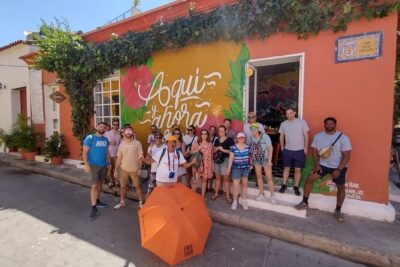
Historic Center & Getsemaní Shared Tour in Cartagena
Read our review →
Shared Tour Historic Center of Medellin with Audio System
Read our review →
Medellín Essential: history & local life on E-bike
Read our review →
Medellin Historic Walking Tour with Expert Guide
Read our review →
Bogota Shared Gastronomy Tour in the Historic Center
Read our review →Browse the lists this tour appears in