
Reviewed · COFFEE FARM TOURS
Coffee Tour Salento-Ocaso Farm- English Tour
A coffee tour like this is interesting because it walks you through coffee from plant to cup, without pretending it is magic. You’ll learn the full production flow, from planting and growth to harvest work, composting, and then the processing steps that shape flavor. I especially like the hands-on feel, and how it is set up for visitors to understand each stage clearly.
Two things I really enjoy: the farm’s sustainability focus (including explanations about fauna and flora), and the practical coffee payoff at the end, where you learn extraction basics and taste coffee made in a cloth strainer and pot. The one possible drawback is logistics: transportation is not included, and the farm is about 4 km from Salento on a road that is not fully paved, so plan for a bumpy ride.
Key highlights you should care about
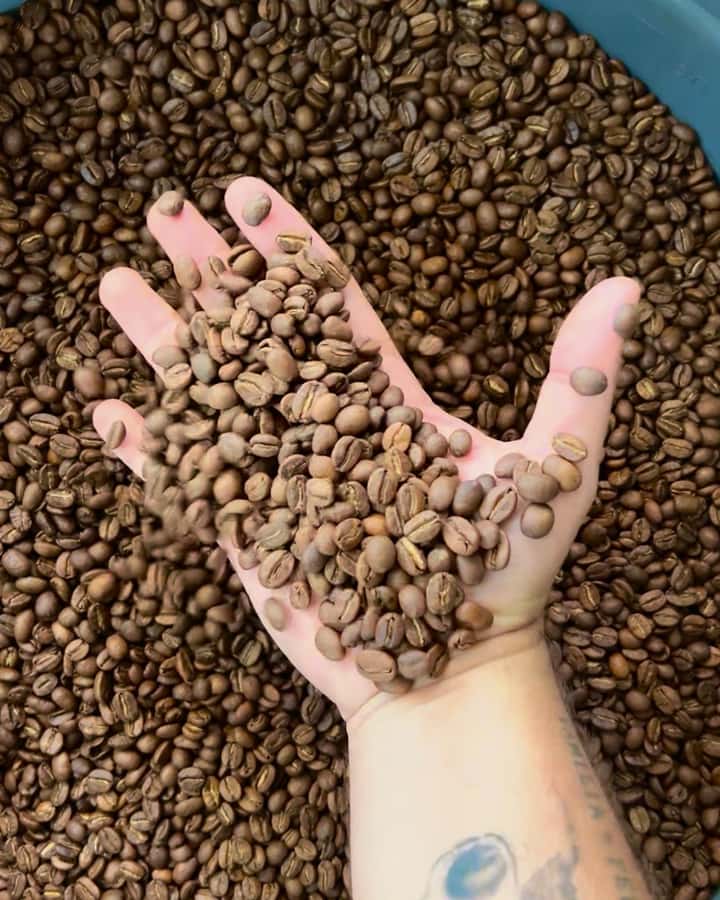
- Traditional farm setup with a clear, visitor-friendly path through the coffee process
- English live guide, with guides like Nicolas and Johnathan praised for strong explanations and humor
- From harvest to roasting, including processing equipment and drying methods
- Sustainability and composting, plus talk about fauna and flora on the farm
- Coffee extraction basics and a traditional brew in a cloth strainer and pot
Why a traditional Ocaso coffee farm tour near Salento is worth your time
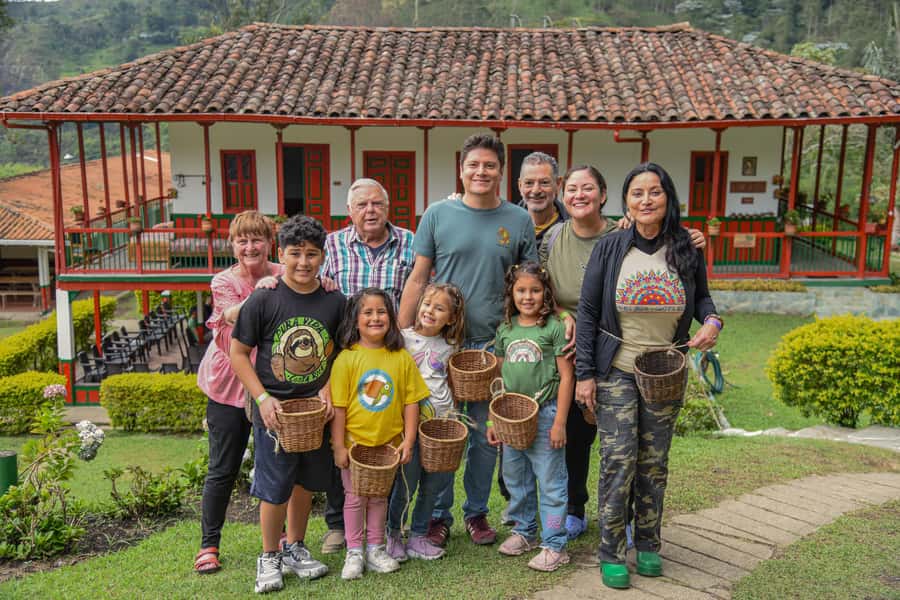
This is not the kind of tour where you just look at coffee plants and take photos. You get the story of coffee production in a logical order, and you also get to see the farm systems that keep the operation working day to day.
If you like understanding how food is made, this format is a strong fit. You start with the plant itself, then move into what happens after picking, and you end with roasting and brewing methods that connect directly to what you observed earlier. That cause-and-effect link is what makes it satisfying.
I also like that it is short enough to fit into a packed day in Salento. At about 1.5 hours, you can learn a lot without committing to a long outing, and you still have time to enjoy the rest of your trip.
More Coffee Experiences in Salento
- Salento: Private Cocora Valley, Salento & Coffee Farm Tour
★ 4.9 · 202 reviews - Cocora Valley, Salento and Coffee Farm Day Tour
★ 5.0 · 129 reviews - Coffee Tour at Finca El Ocaso Salento: Traditional Spanish Farm
★ 4.8 · 89 reviews
Price, timing, and the 4 km trip from Salento
The tour costs $14 per person and runs about 1.5 hours. That price is good value for a guided, English tour that covers both cultivation and processing, plus a traditional brewing moment.
Transportation is not included, and the farm is 4 km from Salento. The road is tertiary and not completely paved, so a private taxi might be fine but expect a bumpy ride on parts of the route.
One practical tip: there is the option to take a Willys Jeep from the Salento square to reach the farm, but it is not included in the ticket. Based on real trip notes, a Jeep return has been reported around 4,000 pesos per person, often making it a cheaper ride back than a taxi. If you want the simplest plan, go with the Jeep both ways when possible.
Entering the coffee story: what you learn about coffee trees and planting
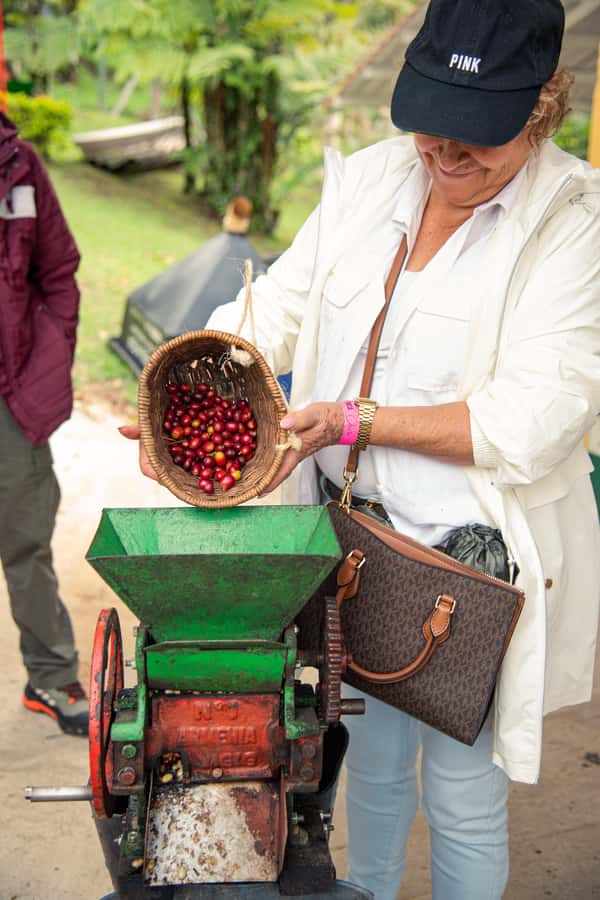
The tour starts at the farm, and you begin with the basics that make everything else make sense. You’ll get an overview of the history of coffee, including the predominant species and how the coffee tree is planted and grows.
This early part matters because coffee is not one single thing. Even before you reach roasting, you’ll start to understand why farm practices, timing, and processing choices can affect what ends up in your cup.
Then you move into the gardens and plantation areas. You’ll see coffee trees up close and learn how cultivation work fits together, including the steps that happen before the fruit is ready.
Gardens, plantations, and hands-on harvesting moments
You’ll tour the gardens and plantations with a guided explanation of what you’re seeing. This is where the experience turns from lecture to reality, since you can observe the coffee plants in their natural working environment.
The tour also includes the idea of doing work like a harvest crew. You may do harvest and sowing-type activities, depending on what is happening on the farm during your visit. That hands-on piece is usually the highlight for people who learn best by doing, not just watching.
Even if you just observe, pay attention to what the guide points out about the coffee fruit and how it changes through the process. This is the section that makes later processing equipment feel relevant, instead of random machinery.
More coffee farms around Salento:
- Coffee Farm and Salento Walking Tour
★ 5.0 · 47 reviews - Salento: Coffee Farm Tour with Tasting
★ 4.9 · 41 reviews - Cocora Valley Tour and Coffee Farms
★ 4.5 · 40 reviews - Coffee Tour.
★ 5.0 · 33 reviews
Composting, fertilization, and sustainability you can actually see
After you understand planting and growth, the tour shifts to how the farm maintains healthy production. You’ll hear about composting and crop fertilization, which shows how nutrients are managed on the farm.
This is also where the tour’s sustainability claims turn practical. You’ll get an explanation on sustainability, and the guide covers fauna and flora around the farm, tying the coffee system into the wider ecosystem.
The value here is simple: sustainability is easy to say and hard to show. Seeing composting and farm practices makes it more believable, and it helps you ask better questions when you later compare coffees from different origins.
Inside the processing plant: hopper, pulper, drying, and storage
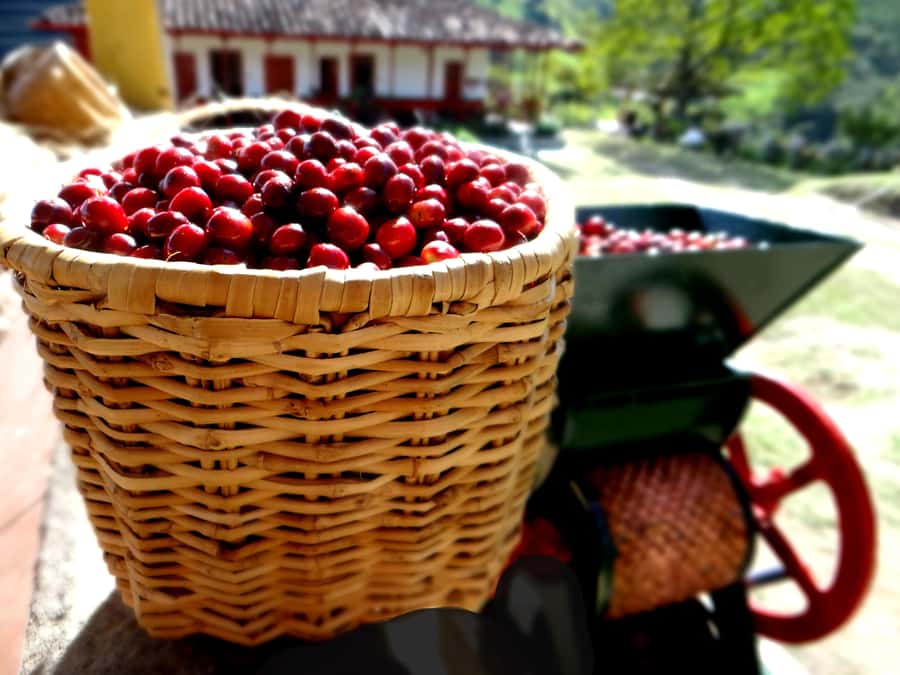
Next comes the processing plant, and this section is the bridge between what happens on the tree and what happens in your cup. You’ll move through key steps that shape the coffee’s character, including the hopper and pulper.
Then you get two drying styles explained: mechanical drying and traditional drying. The contrast is important, because drying affects how the coffee fruit is handled and can influence the final result, especially in terms of consistency and how flavors develop.
You also visit the storage warehouse, then the steps involved in threshing and marketing coffee. Even if you are not a coffee producer, it’s helpful to understand what happens after processing, because it explains why coffee availability and quality depend on more than just the harvest date.
I appreciate that this part stays grounded. Instead of vague talk about freshness, you see the stages where the product changes, so you can connect what you learn to what you taste later.
Roasting, extraction basics, and the cloth strainer coffee moment
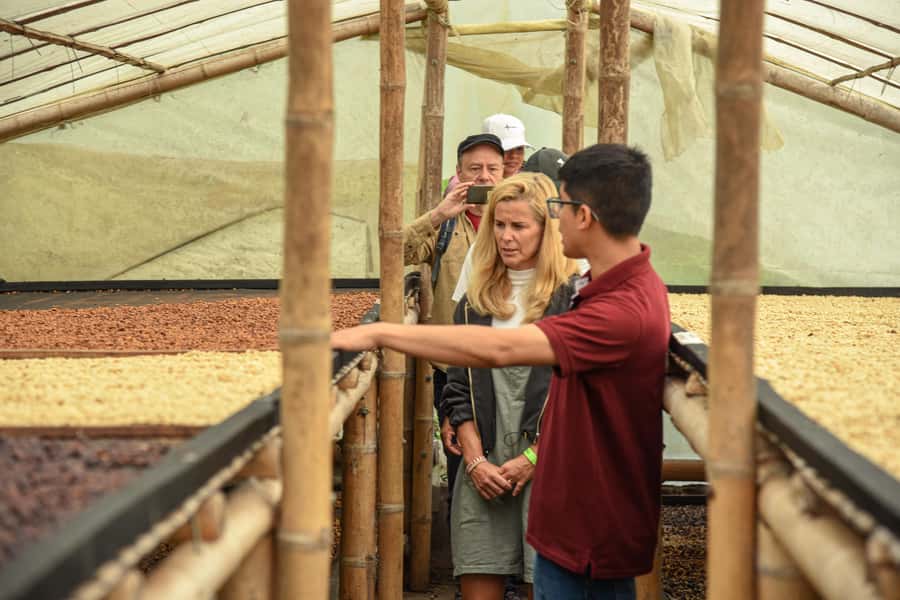
Once the tour reaches roasting, it finally connects to the stuff you can control at home. You’ll learn about the types of roasting and why each style matters for coffee quality.
Then you get the bases for correct coffee extraction. This is the practical segment. You’ll leave with a clearer mental model for how grind, contact time, and brewing approach can affect the final cup.
Finally, you get a traditional preparation using a cloth strainer and pot. This is a memorable ending because it is not just theory. Even with no added frills, the method is tactile and easy to picture when you are making coffee yourself later.
If you like real-world brewing methods, this is the part you’ll remember when you shop for coffee back home.
English guide experience: humor, interaction, and clear explanations
This tour runs with a live English guide, and guides like Nicolas and Johnathan have been praised for mixing strong English with humor and solid explanations. In practice, that means you’re not stuck with dry info, and you get chances to ask questions along the way.
You’ll likely find the experience interactive, especially during the hands-on parts like harvest-type work. The best guides keep it moving, so the tour feels like a conversation and a walk, not a lecture where you lose the thread.
One small consideration: at least one guide has been described as speaking a bit fast. If that’s your personal preference, just sit where you can hear clearly and don’t hesitate to ask them to repeat key points about processing or extraction.
What to bring, what to skip, and how to stay comfortable
The practical requirements are simple. Bring insect repellent since you are out on a working farm.
What is not allowed includes alcohol and drugs. That helps keep the tour focused and safe, especially when you are walking through areas tied to processing and equipment.
Also remember the road conditions. Because the farm is 4 km away on a not-fully-paved road, wear shoes that handle uneven ground and plan for a slower return than you might expect from a paved path.
Who should book this Ocaso coffee tour in Tolima
This tour is a great fit for you if you want a coffee lesson that feels real. You’ll enjoy it most if you like practical knowledge, from plant growth to drying methods and roasting choices.
It is also a strong choice if you are in Salento and want an activity that adds value beyond scenery. The farm experience gives you an understanding of how coffee is produced in this part of Colombia, and it ends with a brewing moment that connects learning to taste.
On the other hand, if you want a super relaxed, mostly scenic outing, this might feel structured. The tour is designed to teach, so expect more movement and explanation than a casual stroll.
Should you book? My take on value and fit
If you want coffee production explained end to end, I think this is a solid booking. For $14 and about 1.5 hours, you get a guided walk through coffee trees, farm sustainability practices, the processing chain with hopper, pulper, and drying steps, plus roasting and brewing basics. That is a lot for the time.
Book it if you learn well from clear sequences and you like hands-on moments, even if you are not doing heavy work. Skip it only if you hate logistical hassles like getting to a farm outside town, or if you prefer coffee tastings without learning the process.
FAQ
How long is the Coffee Tour Salento-Ocaso Farm?
The tour lasts about 1.5 hours.
What language is the tour guide?
The tour includes a live English guided tour.
Is transportation included in the ticket price?
No. Transportation is not included, and the farm is about 4 km from Salento.
Is food or drinks included?
No. Food and drinks are not included.
What should I bring?
You should bring insect repellent.
Are there any restrictions on alcohol or drugs?
Yes. Alcohol and drugs are not allowed during the activity.
More Farms in Salento
- Salento and Cócora Tour + Coffee Farm from Pereira/Armenia
★ 5.0 · 33 reviews - Coffee Farm Tour at Finca El Ocaso from Salento
★ 4.5 · 19 reviews - Half-Day Coffee Tour: From the Seed to the Cup, Farm & roastery
★ 5.0 · 1,418 reviews - Private Coffee Farm Tour in Medellin: Real Authentic Experience
★ 5.0 · 934 reviews
Recently reviewed around Salento
- Full Day Climbing The Cocora Valley with Lunch★ 5.0 · 29 reviews
- Coffee Tour.★ 5.0 · 33 reviews
- Cocora Valley Shared Tour★ 5.0 · 34 reviews
- Cocora Valley Tour and Coffee Farms★ 4.5 · 40 reviews
- Coffee Farm and Salento Walking Tour★ 5.0 · 47 reviews
- Cocora Valley, Salento and Coffee Farm Day Tour★ 5.0 · 129 reviews
- Santa Rita Waterfall and Salento Private Tour★ 5.0 · 9 reviews
- Salento: Salento & Cocora Valley Tour★ 5.0 · 11 reviews
Coffee Farm Tours, compared.

Half Day Bike Tour in Medellin – Local snack, Coffee or Beer
Read our review →
Half-Day Coffee Tour: From the Seed to the Cup, Farm & roastery
Read our review →
Coffee Tour with Transport, Snacks and Tastings
Read our review →
Electric Bike City Tour Medellin With Colombian Coffee and Snack
Read our review →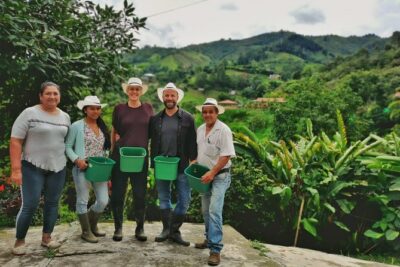
Private Coffee Farm Tour in Medellin: Real Authentic Experience
Read our review →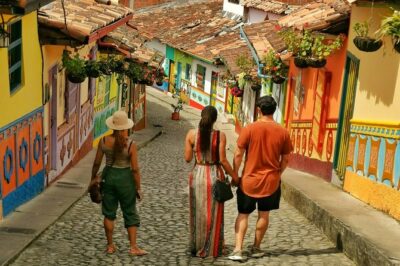
Guatape & Coffee Farm & El Peñol Rock & Quaint Town: Best Combo
Read our review →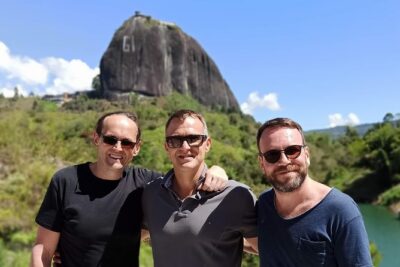
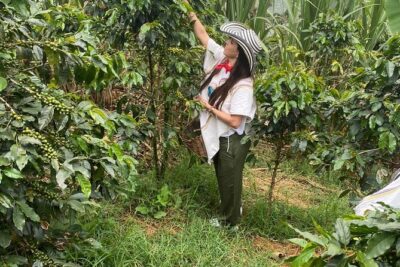
Coffee tour in Medellín with tastings and transportation
Read our review →Browse the lists this tour appears in