
Reviewed · COFFEE FARM TOURS
Coffee Tour at Finca El Ocaso Salento: Traditional Spanish Farm
A coffee tour on a working farm in Tolima turns your afternoon into a real coffee workflow, from tree life to mill machinery to the final cup. If you like understanding what you’re tasting, this one is built for you.
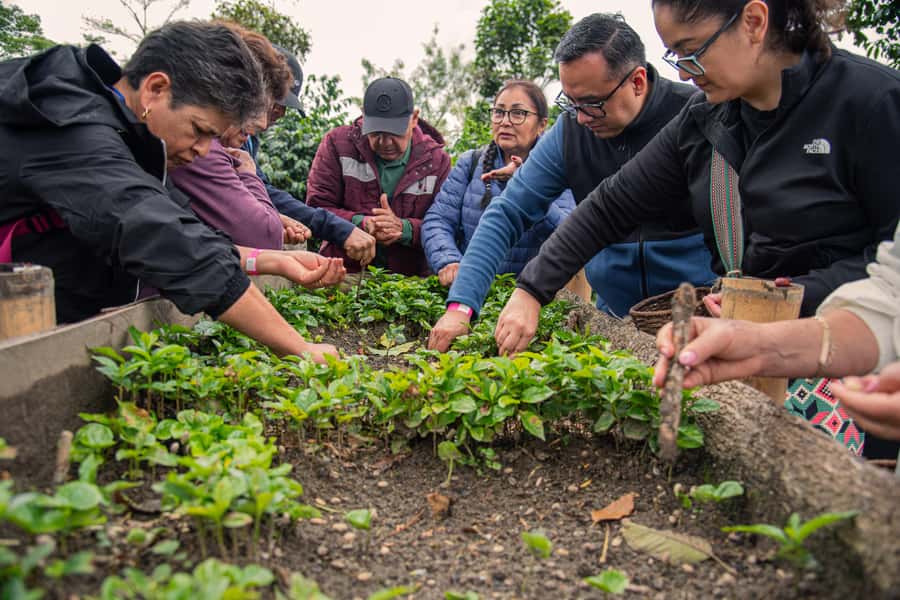
I really like the step-by-step coffee process teaching, starting with species and planting, then moving through harvest, composting, and sustainability. I also like the mill and roasting walkthrough, where you see key stages like the hopper, pulper, mechanical drying, and traditional drying, then connect that to roast and cup quality.
One possible drawback is simple: it is 90 minutes and it does not include transportation or food, so you will need to plan your timing and come ready with insect repellent (and ideally sunscreen) for a rural farm visit.
Key highlights I’d prioritize
- Coffee process, not just a sample, with planting, harvesting, and mill stages explained in order
- Sustainability focus, including composting and farm ecology like fauna and flora
- Mill tour details you can picture, from hopper and pulper to drying methods
- Roasting translated into quality, so roast choice makes sense
- Traditional brew style, using a cloth strainer and pot, plus tasting
- Great value for a full 90-minute experience at $19 with tasting included
Why This Coffee Tour at Finca El Ocaso Feels Like the Real Story
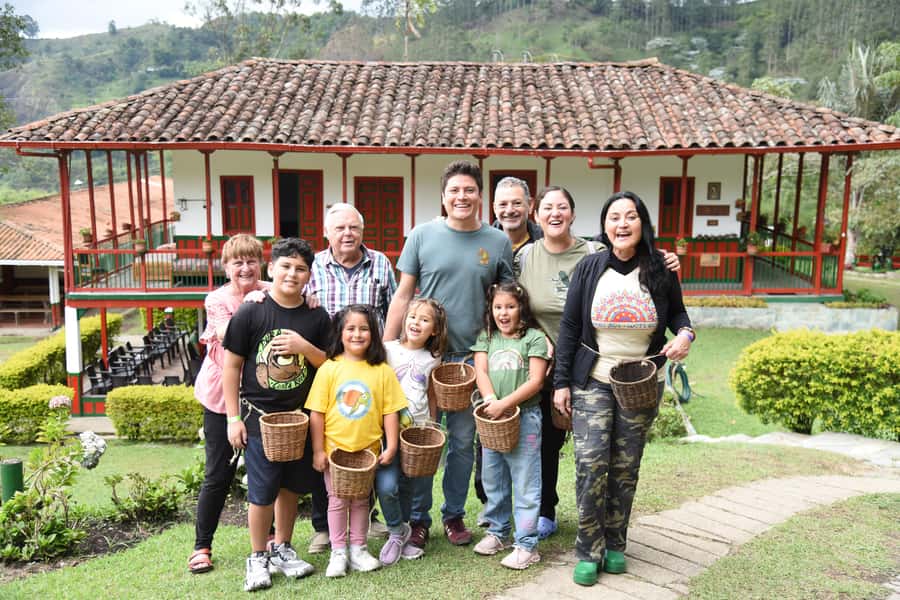
This is the kind of tour that helps you stop treating coffee like magic in a cup. At Finca El Ocaso in Salento, you follow the coffee journey in a logical chain, and each stop explains what comes next.
What makes it especially appealing is that it’s not only about roasting and flavor. You also get the farming side, including the predominant coffee species, how the trees grow, and how harvesting and sowing fit into the cycle. Then the story continues inside the mill, where the dry and processing steps affect what ends up in the bag.
More Coffee Experiences in Salento
- Salento: Private Cocora Valley, Salento & Coffee Farm Tour
★ 4.9 · 202 reviews - Cocora Valley, Salento and Coffee Farm Day Tour
★ 5.0 · 129 reviews - Coffee Tour Salento-Ocaso Farm- English Tour
★ 4.6 · 88 reviews
Price and Value: What $19 Gets You (and Why It Adds Up)
At $19 per person for a 90-minute tour, you’re paying for more than a quick tasting. You’re getting a guided walkthrough that covers history, agriculture, milling, roasting, and a traditional preparation method, with tasting included.
The best value piece here is the breadth of process. Many coffee experiences focus on one angle, either farming or brewing. This one tries to connect both, so you leave with a clearer mental model of how quality forms long before the cup.
Just keep your expectations practical. The tour does not include food, and it does not include transportation, so the real cost comes down to how you handle those two items.
Arriving in Rural Salento: No Transfer Means You Plan Your Route
The meeting point is the farm itself, so you need to arrive directly. The road to the rural area is not completely paved, and it is not recommended to arrive in low cars.
If you plan to use public transportation, Willys Jeeps run every hour from 8:30 am to 4:30 pm. You can also return to Salento in a Willys from the farm after the tour, but remember the transportation cost is not included in the ticket.
In rain, the activity will not be cancelled. You can buy rain ponchos at the farm, which is a nice safety net when weather shifts fast in the region.
The 90-Minute Flow: What Happens From First Lesson to Final Sip
The tour is designed like a storyline with stops in the right order. That matters because coffee quality is not one moment, it is many moments, and the tour helps you understand them as a sequence.
You start with background, then you walk through the gardens and coffee plantations. After that, you shift into on-farm sustainability and ecology. The tour then moves into the mill process, covers roasting types and their importance, and ends with a traditional brew in a cloth strainer and pot, plus tasting.
Even if you are a first-time coffee fan, this format makes it easier to remember what you learned because each topic follows the last one.
More coffee farms around Salento:
- Coffee Farm and Salento Walking Tour
★ 5.0 · 47 reviews - Salento: Coffee Farm Tour with Tasting
★ 4.9 · 41 reviews - Cocora Valley Tour and Coffee Farms
★ 4.5 · 40 reviews - Coffee Tour.
★ 5.0 · 33 reviews
First Stop: Coffee History, Predominant Species, and Tree Growth
The opening lesson covers the history of coffee and the predominant species. That part is useful because it gives you context for why different trees and growing conditions lead to different outcomes in the final cup.
Then the guide covers planting and growth, including what to watch as the trees develop. If you’ve ever wondered why some coffee tastes brighter or heavier, learning the farming foundation is a good way to start thinking in causes, not only flavors.
You’ll also hear about harvesting and sowing. This isn’t just a farm trivia moment. It helps you understand that timing and ongoing cultivation are part of the quality equation.
Walking the Gardens and Plantations: Seeing the Farm at Work
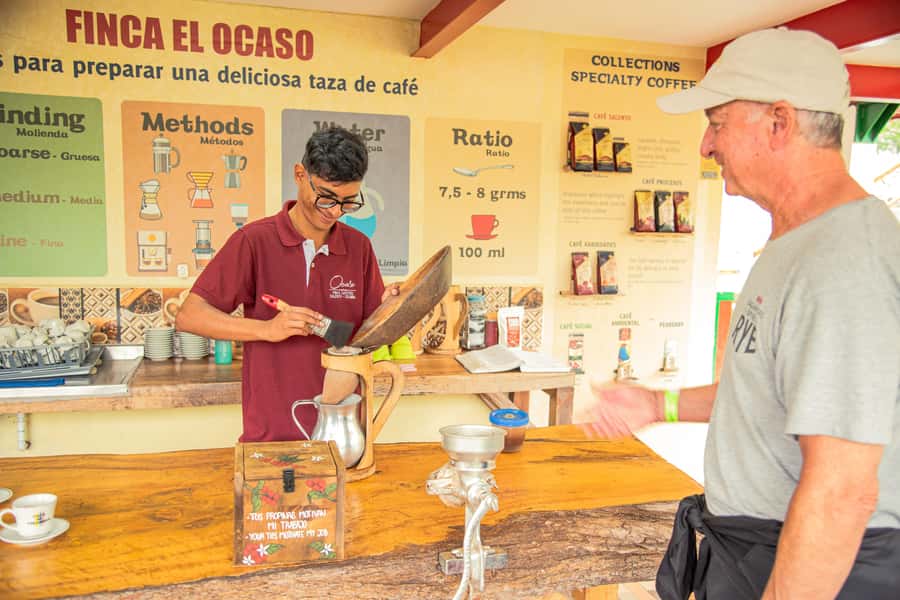
A big part of the experience is the actual tour of the gardens and coffee plantations. You get out on the farm and see how the coffee grows in its real setting, not as an abstract product.
This is also where you can connect the earlier lessons to the landscape you’re standing in. You learn what you’re seeing, how coffee is cared for, and how the farm cycle supports production.
Comfort matters here. Wear comfortable clothes, since this is a working rural environment. Good shoes help too, even though the tour only lists comfortable clothing as required.
Composting, Fertilization, and Sustainability You Can Explain
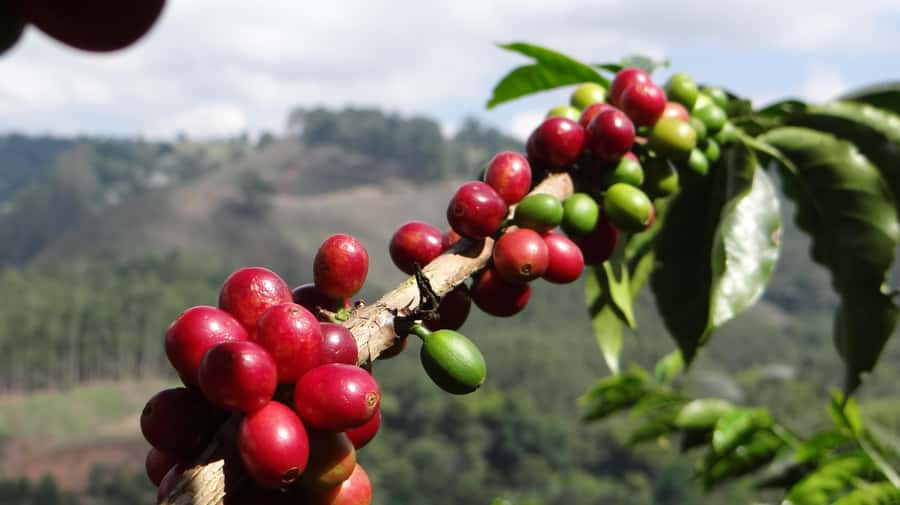
One of the most important parts of this tour is composting and crop fertilization. You’re not just hearing that sustainability matters. You’re learning how sustainable production can be done in practical steps, including a composting station on the farm.
The tour also explains sustainability in a broader way, including fauna and flora. That matters for real-world coffee lovers because it connects the dots between farm practices and how the ecosystem stays healthy around the coffee.
The farm is certified for sustainable production, and that certification theme ties into everything you see. It’s a useful reminder that coffee quality is not only about processing and roasting. It starts with how the farm treats the land.
The Mill Tour: Hopper, Pulper, Drying, and Storage
If you care about process, this is where your brain lights up. The tour includes a visit to the mill with specific steps, not vague descriptions.
You’ll see and hear about:
- the hopper stage
- the pulper stage
- mechanical drying and traditional drying
- storage, threshing, and commercialization steps
Why this matters: drying is not a background detail. How coffee is dried helps shape the end product you will later roast and brew. Watching mechanical drying alongside traditional drying gives you a concrete way to think about how processing decisions can influence flavor.
You’ll also hear how storage, threshing, and commercialization fit into the full timeline. That makes the tour feel like an end-to-end look at what happens after harvesting.
Roasting Types and Why They Change Your Cup
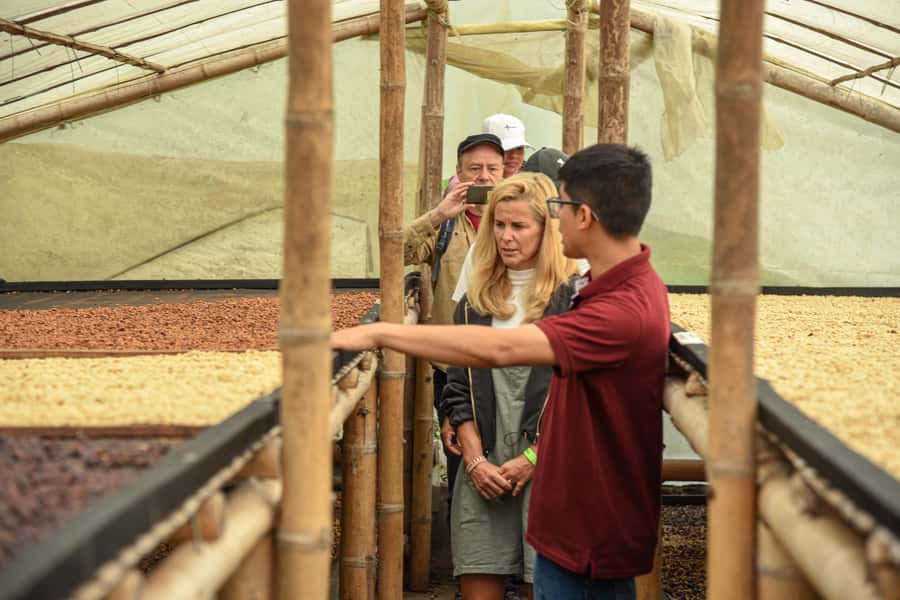
After the mill stops, the tour shifts to roasting types and explains why roasting is important for coffee quality. This is the step where the tour connects the earlier processing work to what you experience in the final cup.
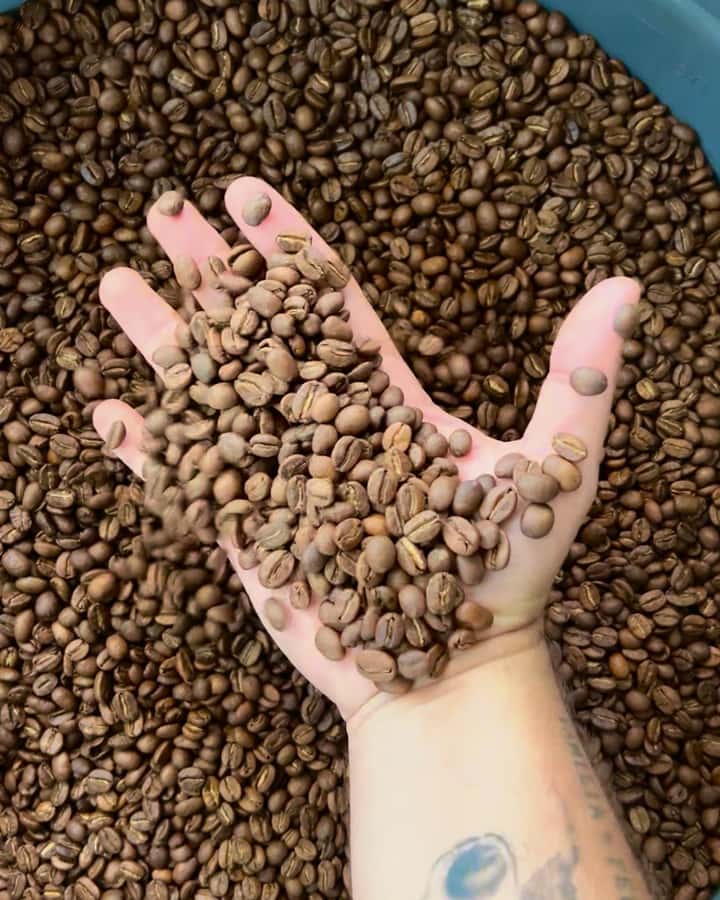
Roasting changes more than color. It affects the balance of acidity, sweetness, and body you taste. The tour’s focus on roast importance helps you stop tasting randomly and start noticing patterns.
If you already like coffee, this section helps you name what you’re tasting. If you are new to coffee, it gives you a simple framework to compare cups.
Traditional Preparation: Cloth Strainer and Pot Brewing
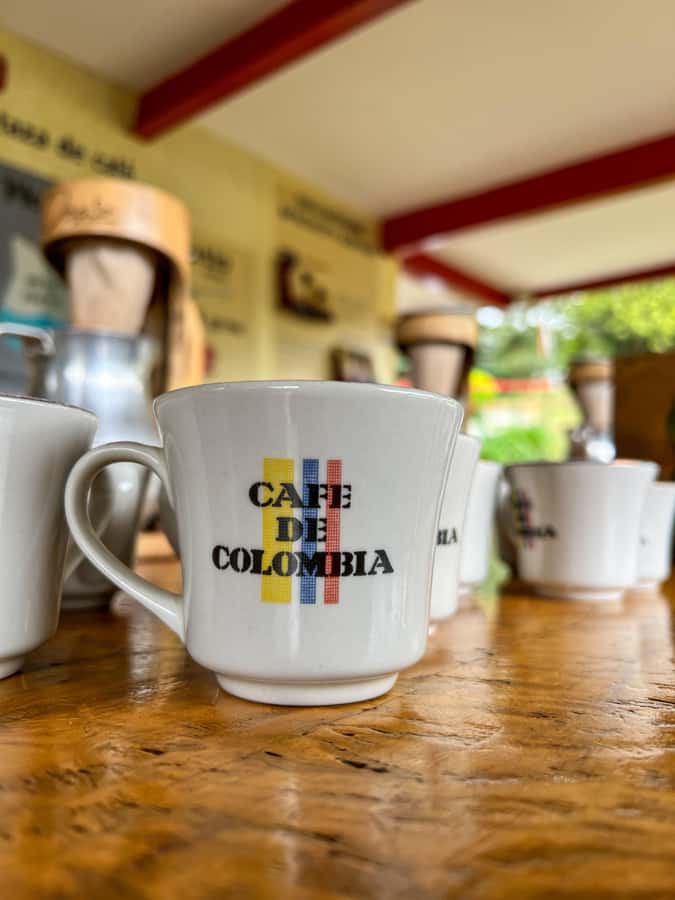
The traditional preparation is a highlight because it is hands-on in a very traditional way. You’ll see coffee prepared using a cloth strainer and pot, then you taste the results.
This is one of those moments that makes coffee feel more personal. You see a brewing method that is simple but intentional, and you can connect it back to the earlier stages you learned.
Don’t underestimate this part. The same coffee can taste different depending on brewing technique, and the tour gives you a method to compare with what you may be used to at home.
Tasting Like a Coffee Lover, Without Overthinking It
You do get tasting as part of the tour, so you’ll be able to practice what you learned. The key is to taste with questions.
I’d suggest you focus on three things as you sip:
- aroma and how it changes as the cup cools a bit
- whether the cup tastes brighter or heavier
- whether the finish feels clean or more bitter
Since the tour connects roasting and processing steps to quality, your tasting becomes a feedback loop. You can tie what you notice back to the mill and roast explanations, instead of just picking favorites.
Also, don’t worry if you do not have a coffee vocabulary. The guide is there to help you connect observations to the process.
Guide Style: Clear Teaching, Professional Yet Relaxed
This tour tends to land well because the teaching style matches the farm setting. People often praise the experience as both professional and relaxed at the same time, with explanations that feel complete without feeling rushed.
Spanish is the live guide language, and some content may appear in its original language. If you prefer learning in Spanish, you’re in the right place. If you don’t speak much Spanish, you can still follow the process visually, especially during the mill and brewing steps.
One name that comes up in guide feedback is Nicolás. He’s described as making the session fun while still covering the process clearly. If you have the option when booking, it is worth keeping an eye out for who will be guiding your group.
What to Bring, What Not to Bring, and Rain-Proof Your Plans
The essentials are straightforward:
- comfortable clothes
- insect repellent
It is also smart to pack sunscreen since sun block is not included. The farm is rural, and you’ll be outside through different stages.
Not allowed on the tour: alcohol and drugs. If you were hoping to turn it into a drink-and-talk stop, plan a different outing for that.
In rain, bring the right mindset. The tour does not cancel, and you can buy rain ponchos at the farm, so you won’t be stuck if clouds roll in.
Who This Tour Is Best For
This tour fits best if you care about coffee beyond the basics.
You will likely love it if you:
- enjoy learning how food and drinks are made
- want a process-focused coffee experience, not just a drink sampler
- like sustainability topics and want them explained in farm terms
- are the type of traveler who remembers better when you see steps in order
If you’re only looking for a quick caffeine hit and you do not care about roasting or processing, this might feel a bit too educational. But even then, the mill tour and traditional brewing can still be worth it.
Should You Book the Coffee Tour at Finca El Ocaso Salento?
I’d book it if you want a guided, end-to-end coffee story that includes farming, mill process, roasting, and traditional brewing, all in 90 minutes with tasting included. At $19, it’s strong value because the tour teaches you what you are drinking, not just what it tastes like.
Skip it or plan carefully if you can’t manage rural logistics. You need to arrive directly without transfers, the road is not fully paved, and you’re outside during the visit. Also note there is no food included, so eat before you go.
If you’re ready for a hands-on coffee process day in Salento, this one is a solid pick.
More Farms in Salento
- Salento and Cócora Tour + Coffee Farm from Pereira/Armenia
★ 5.0 · 33 reviews - Cocora Valley, Salento and Coffee Farm Day Tour
★ 5.0 · 22 reviews - Immersive Coffee Farm Experience at Finca El Ocaso from Salento
★ 4.5 · 22 reviews - Coffee Farm Tour at Finca El Ocaso from Salento
★ 4.5 · 19 reviews
Recently reviewed around Salento
- Easy Walk to Finca La Montaña and Short Tour in Salento★ 5.0 · 4 reviews
- Cocora Valley, Salento and Coffee Farm Day Tour★ 5.0 · 5 reviews
- Cocora Valley and Salento Horseback Riding Day Tour★ 5.0 · 5 reviews
- Private Tour to Cocora Valley and Salento with Transportation Included★ 5.0 · 5 reviews
- Tour La Carbonera. A large forest of Palmas de Cera★ 5.0 · 5 reviews
- 3 Days Private Tour Crossing the Andes Mountains★ 5.0 · 5 reviews
- Coffee Farm Experience at Hacienda San Alberto from Salento★ 5.0 · 5 reviews
- Wax Palms, Salento and Coffee Private Full Day Tour★ 5.0 · 6 reviews
Coffee Farm Tours, compared.
Half Day Bike Tour in Medellin – Local snack, Coffee or Beer
Read our review →
Half-Day Coffee Tour: From the Seed to the Cup, Farm & roastery
Read our review →
Coffee Tour with Transport, Snacks and Tastings
Read our review →
Electric Bike City Tour Medellin With Colombian Coffee and Snack
Read our review →
Private Coffee Farm Tour in Medellin: Real Authentic Experience
Read our review →
Guatape & Coffee Farm & El Peñol Rock & Quaint Town: Best Combo
Read our review →
Coffee tour in Medellín with tastings and transportation
Read our review →Browse the lists this tour appears in