
Reviewed · WALLED CITY
Cartagena Private Tour of the Walled City & Getsemani
Cartagena has a way of putting its story on display, and this private walk through the walled city and Getsemaní is a smart way to read those layers street by street. I love how the route uses street art as your guide, not just background scenery, so you’re always tying what you see to what it meant.
I also like the private pacing, especially with guides such as William and Alvaro, who keep the tone friendly and adjust to how you like to move. Along the way, you’ll get practical local tips for eating, drinking, and where to go next.
One consideration is the walking, and Cartagena heat can be real. If you’re sensitive to sun or stamina, plan for stops, and know the tour may run a bit shorter if conditions are tough, plus you’ll be surrounded by sales pressure at times.
Key highlights worth marking on your map
- Graffiti and street art with context, so you understand what you’re looking at
- Private guide attention, with pacing that can flex for photos and slower walkers
- Slave history and resistance stories, including San Pedro Claver and the fight against enslavement
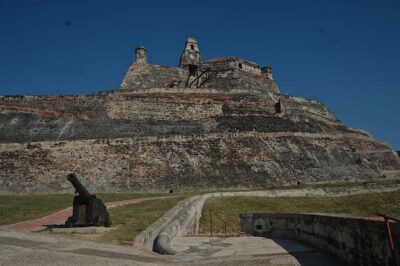
- Defense and pirate-era survival, with bastions like San Ignacio and the city walls’ purpose
- Food tasting time at Plaza de La Trinidad, plus chances to sample local drinks
- Photo-friendly lanes, including the umbrellas alley, plus possible animal sightings in Parque Centenario
Why This Walk Through Walled City and Getsemaní Makes Sense
This tour is interesting because it treats Cartagena like a living puzzle. You start with major landmark points, then shift into Getsemaní streets where art, music culture, and daily life show up fast. The payoff is that you don’t just collect sights, you learn how the city fits together, from indigenous presence to Spanish conquest, slavery, independence, and the pirate-era reality that shaped the walls.
I like that the guide doesn’t keep the conversation in the past. You’ll hear connections between history and what people do today, including references to champeta and salsa dancing as part of the cultural fabric along the way.
The route is also built for people who want to wander without getting lost. You get a clear path and a reason for each detour, which matters in Cartagena, where small lanes can feel like they appear out of nowhere.
More City Tours in Cartagena
- Private Walking Tour in Cartagena Walled City & Getsemaní
★ 5.0 · 1,357 reviews - Cartagena: City Sightseeing Hop-On Hop-Off Bus Tour & Extras
★ 3.9 · 681 reviews - City Sightseeing Cartagena Hop-On Hop-Off Bus Tour
★ 3.5 · 645 reviews
From La Matuna to the Santa Bárbara Bastion, Getting Your Bearings
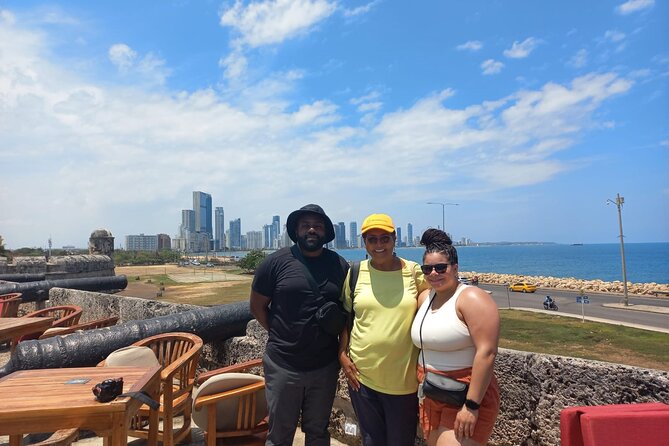
The tour starts at Cl. 32 #841 in La Matuna, and it ends on Calle de San Juan in Getsemaní, at the Santa Bárbara Bastion. That ending matters because it was part of the defensive system that protected the only access road from the mainland to the city, so you’re finishing with a practical reminder of why Cartagena looks the way it does.
The timing is listed at about 2 to 3 hours, which is a nice window for a first or second day in town. It’s long enough to feel like a real orientation, but not so long that you lose your day.
You’ll also find this tour is set up for most travelers, and service animals are allowed. It’s near public transportation, so if your hotel pickup is not included for you, it’s still a doable meeting point area.
One last practical note: because you’re walking, bring water. Even if you’re young and spry, Cartagena sun can turn easy streets into a slog fast.
Indigenous Roots and Spanish Conquest at Torre del Reloj and Plaza de la Aduana
Stop 1 is Torre del Reloj, the Clock Tower. This is more than a postcard location. You’ll learn about the indigenous people who were here before the Spanish conquest, then the story shifts to what changed during the conquest itself. It’s a strong way to begin because it sets the timeline early, so later details about slavery and independence land with more weight.
Stop 2 is Plaza de la Aduana. This square is tied to the conquest process and the systems that followed, including slavery and the link to San Basilio de Palenque. You get a sense of how Cartagena functioned as a hub, not only as a pretty city.
A nice bonus here is that the stops are listed with free admission tickets. That means you’re not constantly budgeting for entrance fees while you’re trying to stay on your walking rhythm.
If you care about history, these first two stops give you the foundation. If you don’t, they still work because they anchor the street art and architecture you’ll see later.
Art Stops: Modern Museum, Getsemaní Murals, and the Dance Street of Calle de San Juan
Stop 3 is Museo de Arte Moderno Cartagena, a quick art-focused pause where the guide talks about the museum’s history. Even if you don’t plan to go deep into museum galleries, the timing is good. You’re not turning this into a museum day, but you are training your eye to look at art as part of the city’s story.
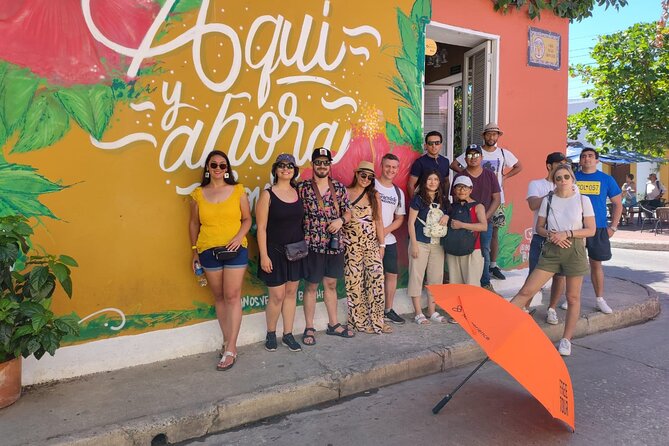
Then the tour moves into Calle de San Juan (Stop 7), a street where the guide connects art with everyday culture. You’ll hear about the importance of art, champeta and salsa dancing, and graffiti. This is where Getsemaní’s personality starts to feel obvious. The street stops being random and starts behaving like a timeline.
You’ll likely notice that the guide keeps pointing out small details you’d miss on your own. That’s a big value add here, because Cartagena’s streets can be visually loud. A good guide helps you decide what to look at first.
If you love photos, this part of the walk is where your camera will get a workout. Just remember, photos slow you down, and that can be a good thing on a private tour.
More of the walled city:
- Walled City, San Felipe Castle & Popa Convent Cartagena City Tour
★ 5.0 · 391 reviews - Cartagena: Walled City and Getsemani Shared Walking Tour
★ 4.5 · 352 reviews - Street Food Tour in Cartagena Walled City and Getsemani
★ 4.5 · 137 reviews - Private Walking Tour in Walled City and Getsemani Cartagena
★ 5.0 · 130 reviews
Slavery, Resistance, and City Defense at San Pedro Claver and Baluarte de San Ignacio
Stop 4 is Plaza de San Pedro Claver. The subject is heavy, and the way it’s framed is the key: San Pedro Claver is described as a slave of slaves, and the guide explains his fight against the enslavement tied to the Spanish empire. You’re not just hearing dates. You’re hearing why certain people mattered in a system designed to crush human freedom.
Stop 5 is Baluarte de San Ignacio, where the story pivots to pirates and corsairs. Cartagena was besieged, and the guide explains battles and why city walls and defensive structures existed in the first place. This is where the city’s walls stop being background texture and start being a survival strategy.
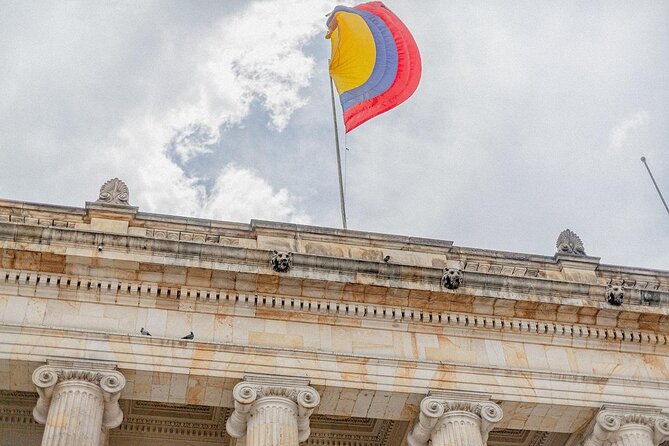
Then you move to Plaza de Bolívar (Stop 6), which shifts again into independence and the specific story of Colombia and Cartagena. The pacing here is smart because it follows a cause and effect line: conquest and exploitation, resistance, defense against outside attacks, and then eventual push toward independence.
The main drawback to this segment is emotional. If you’re traveling with kids or if you prefer light-and-fun only, you may want to prepare yourselves for slavery and resistance topics. The guide still keeps it understandable, but it’s not a fluffy stop.
Independence and Market Streets, Plaza de Bolívar to Calle del Guerrero
Plaza de Bolívar (Stop 6) is your independence checkpoint, and it sets the stage for what comes next on the streets. From here, the tour flows into neighborhood lanes where commerce and daily life take over.
Stop 10 is Calle del Guerrero, and this is where trades and customs become the focus. It’s a useful counterweight to the big political stories. You see how people worked, what customs they maintained, and how a city rebuilds itself after upheavals.
This is also a good time to ask the guide questions that matter for the rest of your trip. Many guides are willing to share tips on where to eat and what to prioritize. You’ll get that practical layer throughout, and it can save you hours later when you’re deciding between two similar restaurants.
There is one small reality check: while you’re walking, sellers will try to get your attention. You can say no without guilt, and it helps to keep moving at your own pace. If the shopping pressure gets distracting, tell your guide and they’ll steer you toward calmer stretches.
Fried Food Tasting, Umbrellas Alley, and the Legends of Calle de la Sierpe
Stop 8 is Calle de la Sierpe, a famous street full of legends and graffiti. As you walk, you’ll pass places like the Lemaitre soap and perfume store, which helps the street art feel tied to real businesses and neighborhood identity, not just wall paint.
Stop 9 is Plaza de La Trinidad, where the tour includes a tasting of fried foods. This is one of the more fun moments because it turns all that walking into something tangible. You’ll also talk about the church and the importance of the square in pirate and corsairs attack times. The guide then points out the figure of Pedro Romero and Father Omaña, plus graffiti connected to Maria Mulata.
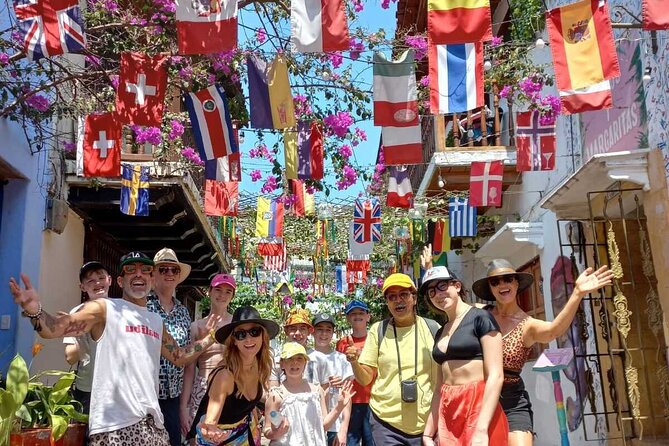
Stop 13 is Calle de Las Sombrillas, the umbrellas alley. This is a photo magnet, and the guide helps you find angles worth your time. It’s also a good reset spot, visually and emotionally, after the heavier topics.
Then Stop 10 has already covered trades and customs, so by the time you reach the umbrellas, you’ve already seen how Cartagena’s identity holds up under both history and daily life. It’s a satisfying arc.
If you don’t want food surprises, don’t worry. The tasting is described as fried foods at the square, and it’s designed as a small add-on to the walk, not a full meal replacement.
Parque Centenario, Camellón de los Mártires, and Calle del Pozo
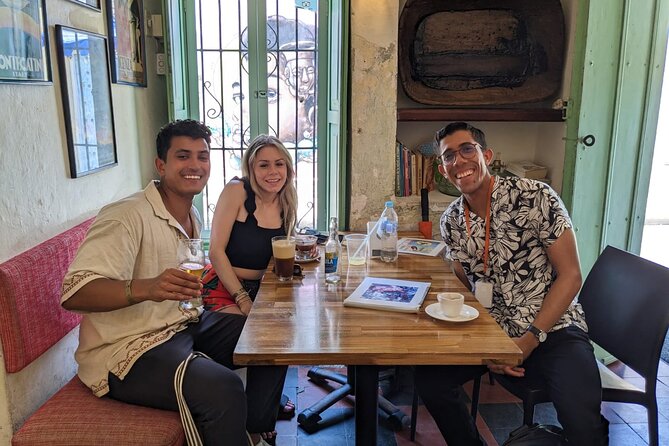
Stop 11 is Parque centenario, and this is where the tour opens up a bit. The guide explains the independence of Cartagena and the importance of the mulattoes and browns of Getsemaní. Then you have a chance to look for animals like sloth bear, iguanas, monkeys, and birds if you let yourself be surprised.
A nice detail here is that guides often encourage you to slow down and scan trees. If you’re lucky, you might spot something moving high up, as some groups have seen a sloth in the area.
Stop 12 is Camellón de los Martires, where you get an introduction that focuses on statues and busts, plus talk about Los Pegasos. This is a moment where the story leans back into symbolism, so it helps to pay attention to the names and figures you hear.
Stop 14 is Calle del Pozo, and this one has a cultural hook: you’ll learn about the Getsemaní anthem and the importance of the square during pirate and corsairs attack times. It brings the tour full circle by linking culture and place to the old fear of being attacked.
If you’re the kind of traveler who remembers facts by associating them with a location, this final stop does the job. It helps the rest of the walk stick.
Price, Heat, and Whether You Should Book This Cartagena Walk
At $50.00 per person for about 2 to 3 hours, you’re paying for a private guide, not just direction. The value comes from the way the walk blends street art interpretation, political and social history, and a food tasting, while still keeping it short enough to fit into a busy Cartagena schedule.
Booking is shown as commonly made about a month ahead, so if you’re traveling during a peak window, don’t wait too long. This is the kind of tour people pick early because it helps them plan everything that follows.
As for who should book: if you want a first-time orientation that isn’t boring, and you like street art with context, you’ll probably enjoy this a lot. It also works well for photo lovers who want someone to suggest where to stand, how to frame, and when to slow down.
If you dislike walking in heat, or if you want zero heavy history topics, you might find some portions demanding. Bring bottled water, take shade breaks when you can, and set expectations that you’ll be outside for most of the time.
My practical bottom line is simple. Book it if you want Cartagena’s art, neighborhoods, and major historical themes explained in a way that feels human and easy to follow. Skip or pair it with something lighter if you’re already exhausted from sun and don’t want slavery and conquest topics on your schedule.
FAQ
How long is the Cartagena Private Tour of the Walled City & Getsemani?
It runs about 2 to 3 hours.
Is this tour private?
Yes. It is a private tour/activity, and only your group participates.
Where does the tour start and where does it end?
The start is Cl. 32 #841, La Matuna, Cartagena de Indias, Bolívar, Colombia. The end is on Calle de San Juan in Getsemaní, with the tour ending at the Santa Bárbara Bastion.
Are there entrance fees for the stops?
The listed stops include admission tickets marked as free.
What is the cancellation policy?
Free cancellation is available up to 24 hours in advance for a full refund.
What happens if weather is poor?
This experience requires good weather. If it is canceled due to poor weather, you will be offered a different date or a full refund.
More of Getsemaní
- Cartagena: Historic Center and Getsemaní Shared Walking Tour
★ 4.9 · 2,716 reviews - Cartagena Antigua & Barrio Getsemani group with audio system
★ 5.0 · 658 reviews - Historic Center & Getsemaní Shared Tour in Cartagena
★ 5.0 · 620 reviews - Getsemani neighborhood in group: art and culture with Audio System
★ 5.0 · 447 reviews
Recently reviewed around Cartagena
- Trendy Cartagena photo/ Video Tour★ 2.9 · 4 reviews
- Playa Blanca Baru from Cartagena City Center★ 4.0 · 4 reviews
- Sunset in Cartagena Bay with Boat Dances and Bar★ 5.0 · 4 reviews
- Taste Cartagena: Street Food and Full City Tour with Expert Guide★ 4.5 · 4 reviews
- Colombian Fruits and Paila Ice Cream Tasting★ 5.0 · 4 reviews
- Private Transfers Airport and Hotels in Cartagena★ 5.0 · 4 reviews
- private tours cartagena de indias★ 4.5 · 4 reviews
- Mud Volcano and Day Trip in Hotel with Lunch★ 5.0 · 4 reviews
Walled City, compared.
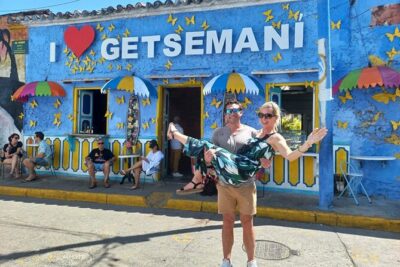
Private Walking Tour in Cartagena Walled City & Getsemaní
Read our review →
Walled City, San Felipe Castle & Popa Convent Cartagena City Tour
Read our review →

Street Food Tour in Cartagena Walled City and Getsemani
Read our review →
Private Walking Tour in Walled City and Getsemani Cartagena
Read our review →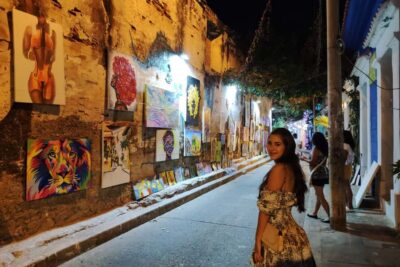
Walled City, Getsemani San Felipe Castle Cartagena City Tour
Read our review →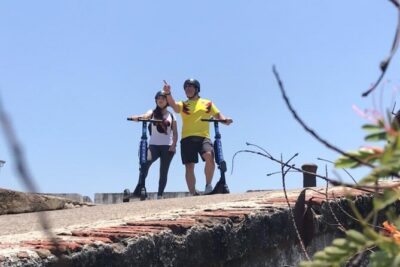
CITY WALLED CITY SEGWAY SKATEBOARD TOUR and GETSEMANI
Read our review →Browse the lists this tour appears in