
Reviewed · LOST CITY TREK
Santa Marta: Multi-Day Trek to The Lost City
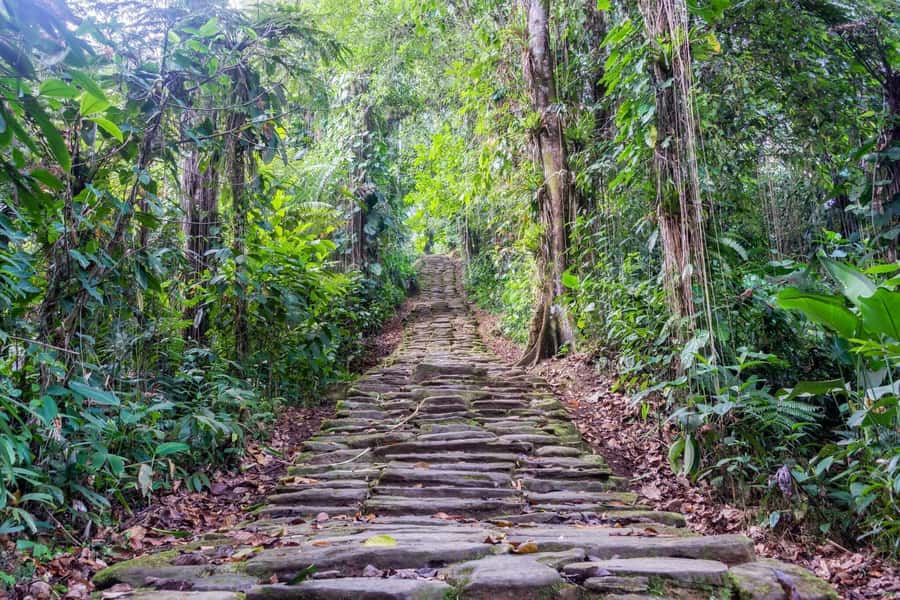
What makes this Santa Marta to the Lost City trek so interesting is the mix of hard work and real payoff: you earn your way through Sierra Nevada jungle, then climb into stone terraces carved long before most famous ruins. I like that the access is intense and simple, 1,200 stone steps through dense growth, which makes the moment you arrive feel earned.
I also love the human side. With guides and interpreters such as Arghenith (plus help from Victor or Emilie) and other bilingual support, you get explanations in English and Spanish, and you get to meet indigenous communities along the way, not just pass them.
The main consideration is that this is not a walk in the park. It is physically demanding, the trail can be slippery and muddy, and conditions like mosquitos and warm humidity are part of the deal.
Key things you’ll want to know
- Small group size (up to 15) keeps the pace manageable and helps with guide attention.
- Bilingual guide support in Spanish and English makes the archaeology and culture easier to understand.
- Two big river-camp days break up the climb and give you time to rest, bathe, and recharge.
- Lost City access by 1,200 steps is the defining moment, and you should plan your energy for it.
- Community-based camps mean you’re part of the region’s economic ecosystem, with contributions included.
- Bring real jungle gear: insect repellent, rain protection, proper shoes, and layers for cooler nights.
Santa Marta to the Lost City: why this trek feels different
The Sierra Nevada setting changes the whole vibe. You start near Santa Marta, then slowly trade city rhythm for a slow, physical rhythm of jungle paths, river crossings, and camp life. The Lost City itself is the headline, but the in-between days are what make the trip feel like an actual journey.
What really helps is that you do not just “see ruins.” You walk through the cultural landscape that surrounds them. Along the way, you learn about the Tayrona, Wiwa, and Kogui world from your guide, and you spend time near indigenous community areas.
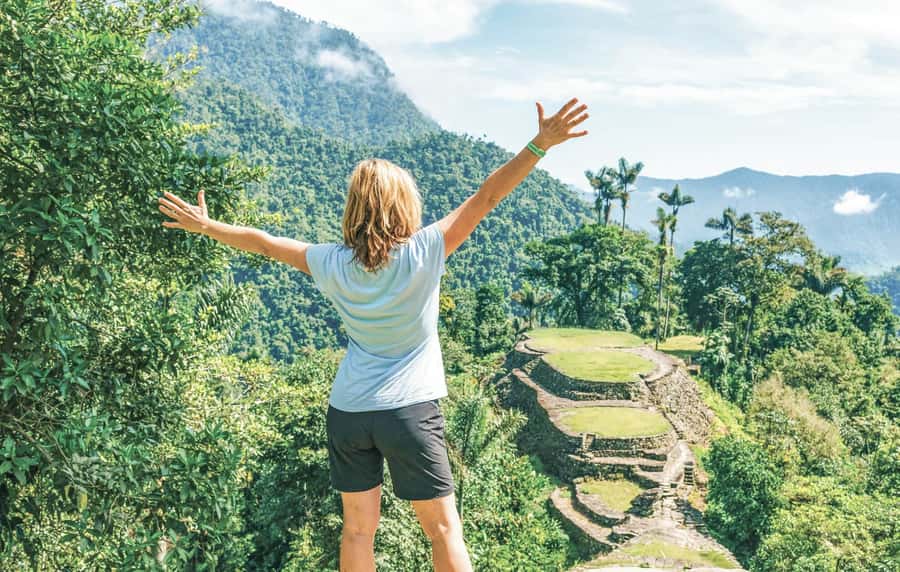
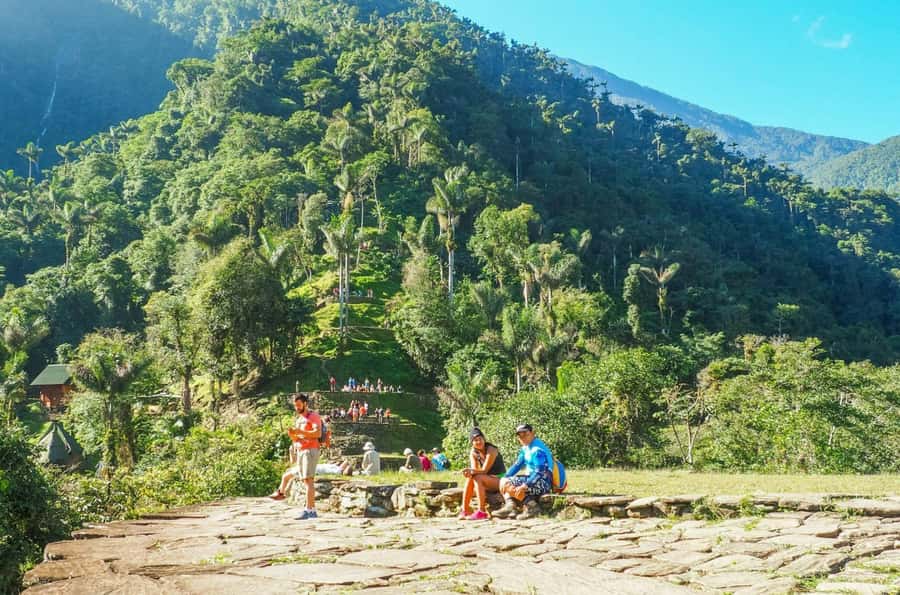
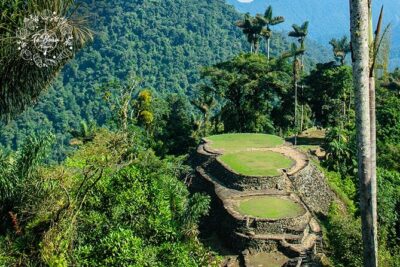
And yes, the scale of the place is a big deal. The archaeological site is believed to date to about 800 CE, around 650 years earlier than Machu Picchu. Once you reach it, you’ll see 169 terraces, tiled roads, and small circular plazas shaped into the mountain.
More City Tours in Santa Marta
- Hike for 4 days to the Lost City, Santa Marta
★ 5.0 · 3,308 reviews - Lost City – Ciudad Perdida Colombia
★ 5.0 · 1,203 reviews - 4-Day Lost City Small-Group Tour in Santa Marta
★ 5.0 · 254 reviews
Getting to El Mamey: the 4×4 start and first jungle rhythm
Most departures begin around 9:30 AM with a 3-hour 4×4 jeep drive from Santa Marta to El Mamey. You’ll stop for lunch there, then begin trekking in the direction of the sacred area tied to the Tayronas.
This first day matters because it sets your expectations for the terrain. Your first walking segment is about 4 hours (around 7.6 km) on the shorter itineraries, with a few built-in moments to keep it from feeling like nonstop grind. You also get early taste of the jungle atmosphere, the heat, and the feeling of being guided at every turn.
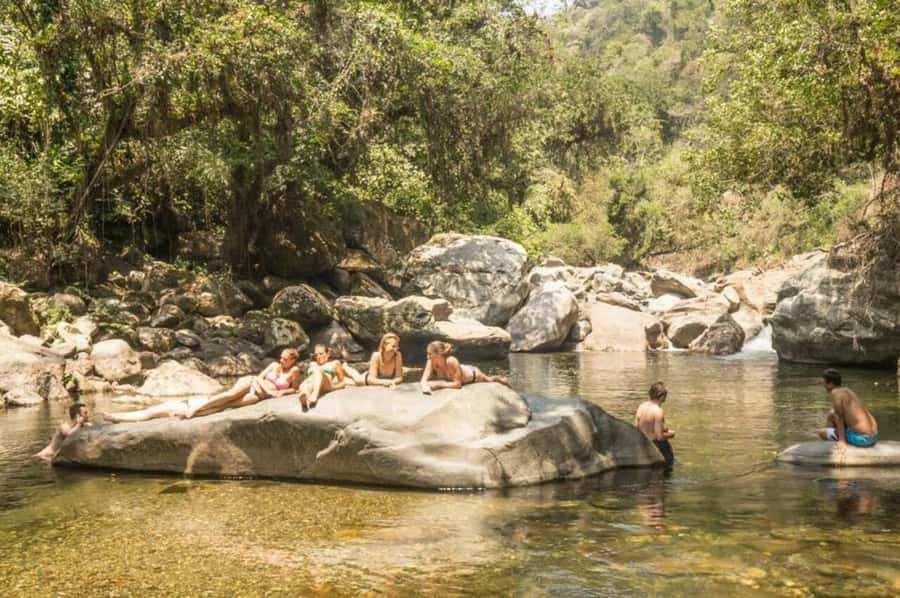
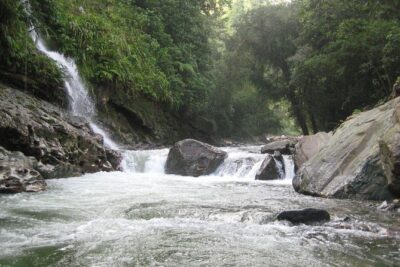
You’ll also make a stop at Lookout Las Tres Cruces for a snack and fruit. Then you’ll cool down with time at natural pools and waterfalls before reaching your first camp in the afternoon.
Day 1 details: Las Tres Cruces, pools, and the first camp
On Day 1, you’ll walk a relatively smooth first stretch, about 4 hours. The purpose is not just distance. It gets your body moving, and it lets you test your gear, especially your footwear and daypack comfort.
At Las Tres Cruces, you get a snack and fruit break. I like this kind of stop because it keeps the trek social and fuel-focused, not just “keep walking until the next camp.” Then the natural pools and waterfalls are more than pretty scenery. They help you cool off in warm, humid conditions, and that can make later days easier.
At camp, you’ll have dinner and an overnight stay. You’ll be sleeping in hammocks or beds with mosquito nets, and the camps have electricity, toilets, and showers, which takes some stress off your planning.
Day 2 on the shorter treks: riverside camps and indigenous villages
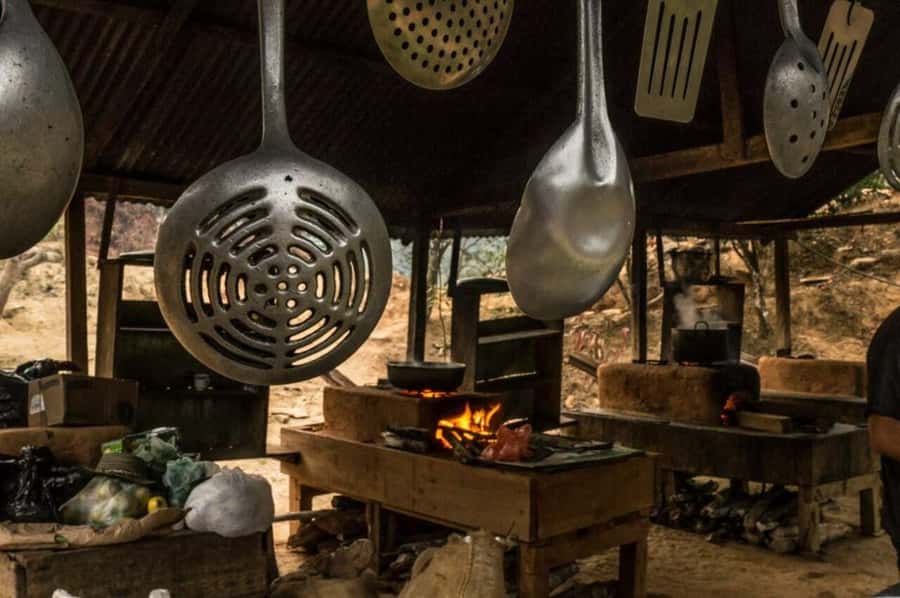
For the 4-day or 5-day style trek, Day 2 starts with breakfast and then moves toward the Wiwa camp on the Buritaca River. The big win here is the break in intensity. You can rest, enjoy the riverside time, and even take a refreshing bath.
After lunch, you continue deeper into the jungle and into community spaces. You’ll trek through areas connected to a Kogui indigenous village called Mutanyi, then reach your next camp for the night.
The walking on this day is described as about 7 hours for around 14.7 km, mostly uphill with some downhill. That means you should keep your pace steady. If you sprint early, you’ll pay for it later, especially once humidity climbs.
For the 6-day itinerary, Day 2 is shorter and smoother, about 3 hours in relatively smooth terrain. You spend more time in the second camp area learning about Wiwa and Kogui cultures and enjoying river time. If you want more rest and less distance per day, this longer itinerary can be a gentler on-ramp.
More Hiking & Trekking in Santa Marta
- Full-Day Hiking Tour in Minca with coffee & Cocoa Workshop
★ 4.5 · 189 reviews - Eco-Hike in Minca: Coffee Tour, Waterfall & Chocolate Experience!
★ 5.0 · 140 reviews - Tayrona Park Hike And Beach Day
★ 5.0 · 91 reviews - Trekking History and Indigenous Heritage in Minca + Cacao & Coffee + Waterfall
★ 4.9 · 63 reviews
Day 3 and the Lost City: the 1,200 steps moment
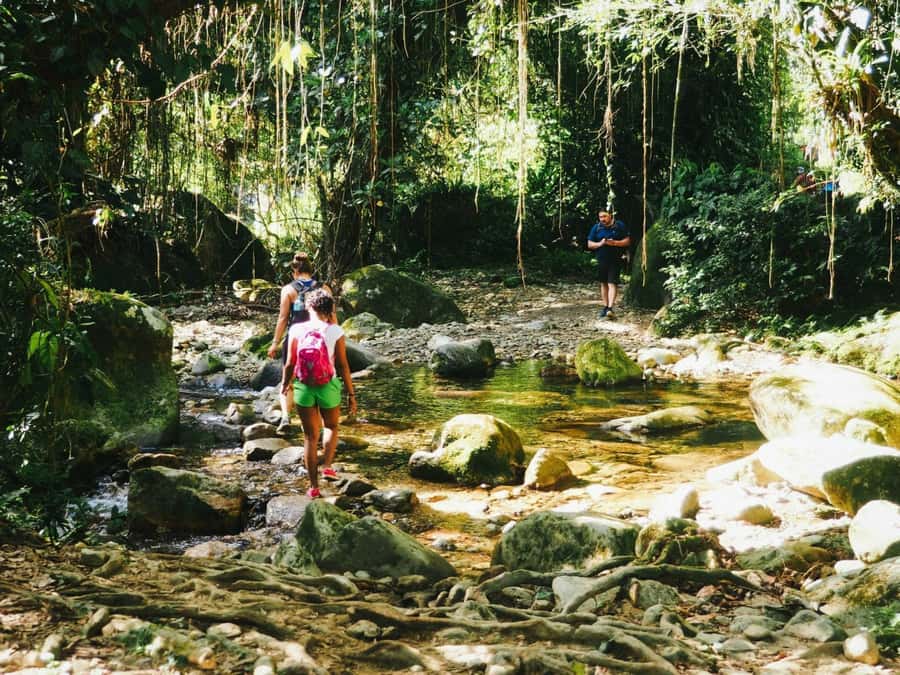
This is the heart of the whole trek. On the shorter itineraries, Day 3 is the day you climb to the Lost City. You start very early, have breakfast, then work your way up 1,200 stone steps on a trail constructed by the Tayrona people.
I love that you don’t reach the site casually. You climb through dense jungle, and your guide makes it mean something as you go. Once you arrive, you’ll get time in the morning to take pictures and explore with guidance focused on artifacts, structures, and the stories tied to the place.
The architecture is what most people imagine first. But the terraces, roads, and plazas do not land the same way from a photo. They make more sense when you’re standing next to them after a long climb, looking back at how the mountain shaped the design.
After exploring, you start trekking back to the camp you left in the morning, have lunch, then continue to Wiwa camp for dinner and another overnight.
For the 4-day and 5-day versions, expect a roughly 7-hour day with only about 6 km of uphill and downhill tracks on the return segment. The steps are behind you, but the day is still full.
On the 6-day itinerary, this Lost City climb happens on Day 4 instead. That extra day can help if you want your body to absorb the trek before the steps day.
Day 4 options: return to El Mamey or an extra rest camp
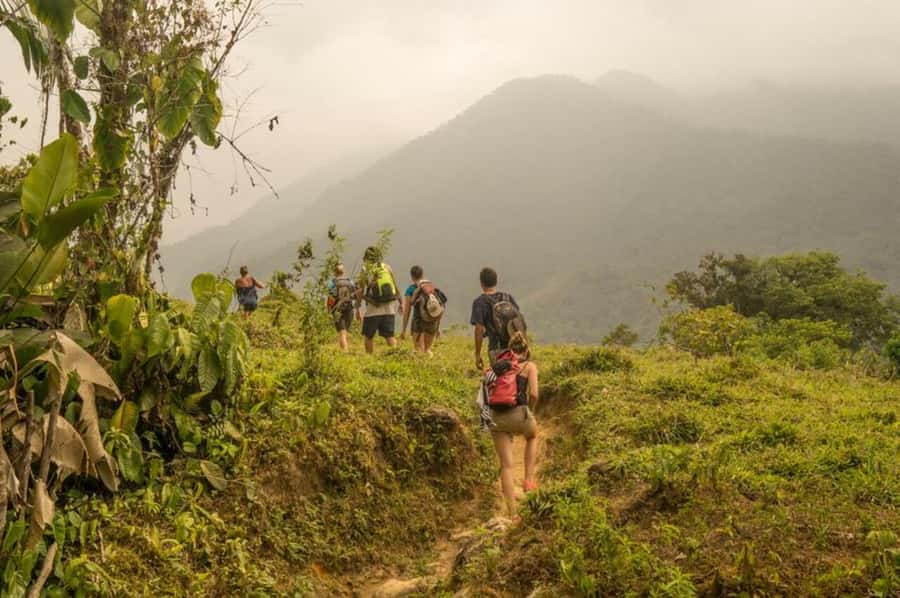
On the 4-day version, Day 4 starts with an early breakfast and a 2-hour walk toward the camp where you spent the first night. When you arrive, you’ll split based on which tour length you booked.
For the people on the final day (the 4-day trek), you get a short rest with fruit and water, then continue trekking about 4 more hours to El Mamey. From there, you’ll have lunch and ride back by 4×4 jeep to Santa Marta.
For the 5-day tour group, the plan is more relaxed. You’ll have lunch and spend the rest of the day at the camp with views, downtime, and chances to interact with others before dinner and the overnight.
That split is a practical detail. The shorter trek gets you back fast, while the 5-day itinerary gives you one more chance to slow down and enjoy camp life, not just “walk to the next checkpoint.”
On the 6-day trek, Day 4 includes the Lost City morning climb and return, then you continue to the next camp and sleep. Day 5 becomes a lighter day, with breakfast, then a walk to the camp where you’ll have lunch and relax while taking in the surroundings. Day 6 wraps with breakfast, a walk back to El Mamey for lunch, and the final 4×4 jeep ride to Santa Marta.
Camps and sleeping setup: hammocks, nets, and basic comfort
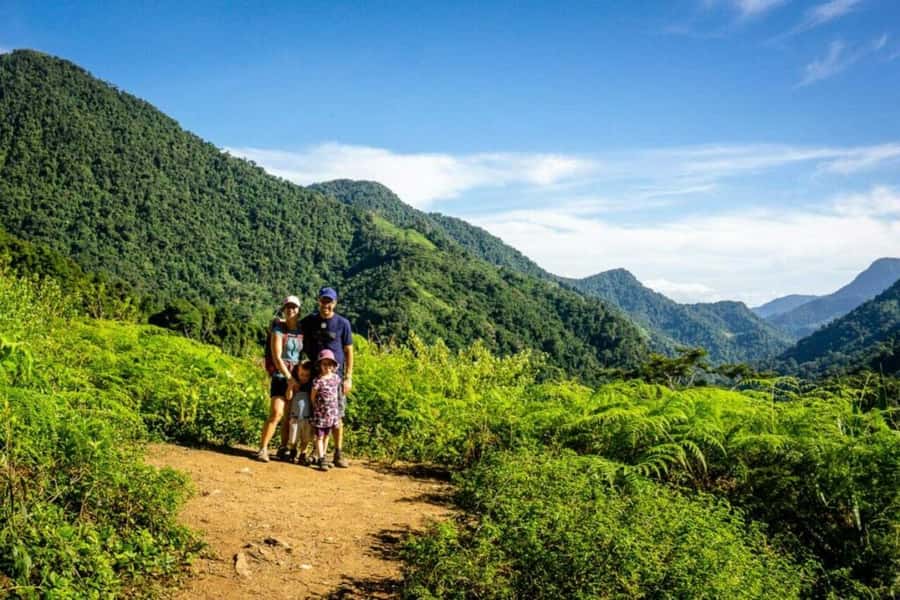
You sleep in hammocks or beds, and you’ll have mosquito nets. That’s standard for this style of jungle trek, and it’s why bringing your toiletries and quick-dry clothes matters.
Good news on comfort: camps are described as having electricity, toilets, and showers. That makes evenings easier because you can wash up properly and recharge your phone if power works the same each night in your area.
One more practical note: the climate is warm and humid, about 26°C to 32°C, with nights cooler around 18°C. That’s why I always advise bringing warm clothing even if your days feel hot. You might start sweating in daylight and then feel the chill when the sun drops.
Food, water, and what is included (and what isn’t)
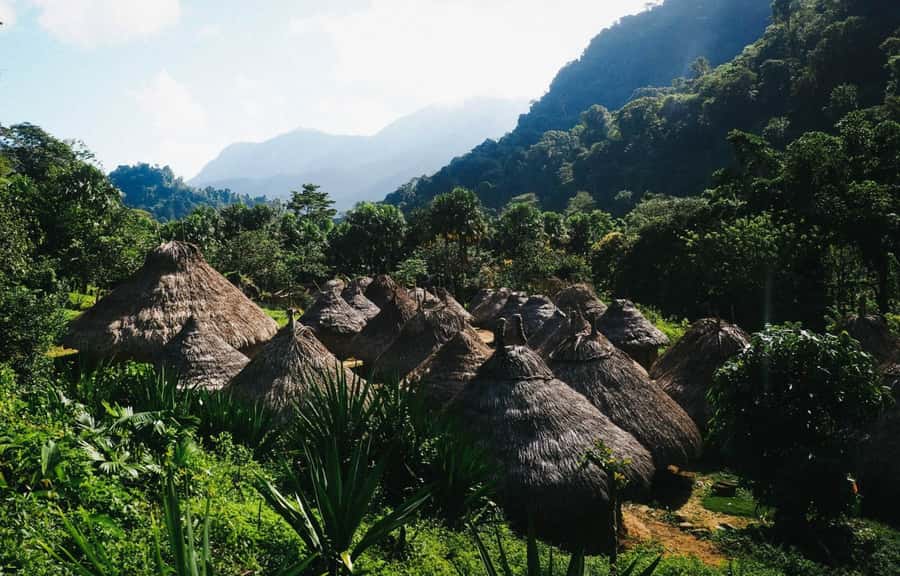
Meals are included: breakfast, lunch, and dinner. You’ll also get purified water, plus fruits and snacks on the walk.
Drinks besides water are not included. This is worth thinking about because you’ll be burning calories. If you personally rely on sports drinks or soda for morale, plan to bring money for what you want, or be ready to stick with water.
I also want to balance expectations. In one group experience, there was concern about food value and a separate issue with people feeling unwell at the end. That is not something you can fully control on any multi-day trek, but it is a reminder to take care with hydration and to be ready for basic jungle risk.
Guide and interpretation: who you might travel with
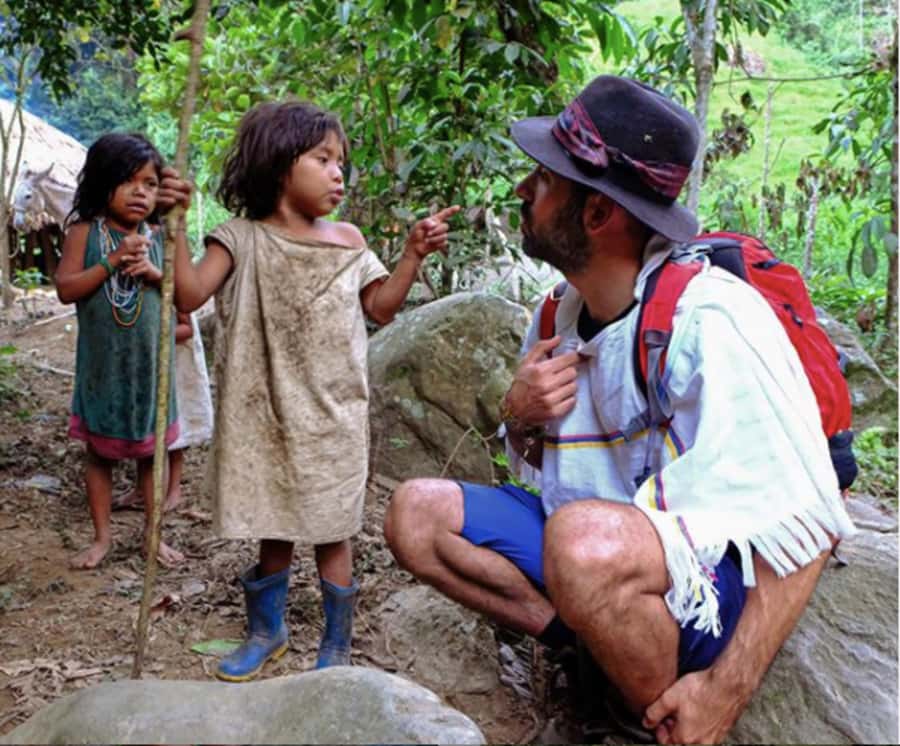
One of the biggest strengths of this trek is that the guide system is built for meaning, not just logistics. You’ll have a guide service in Spanish and English, and in real-world groups, interpreters like Victor and Emilie have made the cultural and historical explanations land well.
Names matter here because the experience is personal. You might travel with a guide such as Arghenith, and pairing support like Victor the translator can keep you from missing details. Another indigenous guide named Francisco also showed up in past experiences, with a strong focus on traditions and history.
If you care about understanding what you’re walking through, this kind of bilingual guide setup is a major reason the trek ranks so high.
Price and value: is $713 per person worth it
At $713 per person for a 4-day style duration, you’re paying for more than “walking to ruins.” You’re paying for protected access to the archaeological site, the organization of multi-day jungle logistics, meals, camp support, and a professional guide team that keeps you safe.
Your package includes:
- Lost City entrance ticket
- Accommodation in jungle camps with mosquito nets
- 4×4 jeep transport between Santa Marta and Mamey
- Purified water, fruits, and snacks
- Contributions toward indigenous community development
- Accident insurance
- Small group structure, up to 15 participants
- Suitcase storage during trek days
That said, value is personal. One person felt the overall cost did not match what they received, especially around transport comfort and food quantity. If you’re the kind of traveler who equates value with extra comforts and lots of drink options, you may feel sticker shock.
On balance, if you want a guided trek with interpretation, meals, and camp support that keeps you moving safely through Sierra Nevada, the price can make sense. If you want a cheaper DIY version, this is not that.
What to pack for humid jungle steps and river time
Bring gear that handles heat, humidity, mud, and insects.
What to bring:
- Hiking shoes (real grip matters)
- Rain gear
- Insect repellent
- Quick-dry clothing
- Swimwear and a towel (you’ll hit pools and river time)
- Warm clothing for night cool-down
- Sunscreen
- Daypack
- Flip-flops for camp downtime
- Toiletries, socks
- Flashlight
- Charged smartphone
- Cash
- Water (even with purified water on the trek, having a plan helps)
- Personal medication
Not allowed: drones. So keep your drone at home.
And do plan for slippery stretches. Rain can usually occur at sunset, and trail parts may turn muddy. You’ll also cross some rivers or streams, so wet shoes and socks are part of life.
Who should book this trek (and who should skip it)
This trek is a great fit if you want:
- A guided route with interpretation in Spanish and English
- A real physical challenge tied to a famous archaeological site
- Community interaction during the trek, not just a bus ride to ruins
It may not be ideal if:
- You’re not comfortable with long days and hills. Many people find this more demanding than a typical day hike.
- You’re sensitive to mosquitos or jungle conditions.
- You’re traveling with mobility limitations, because it is not suitable for wheelchair users.
- You’re pregnant, since it is not suitable for pregnant women.
Should you book the Santa Marta Lost City trek?
Yes, I’d book it if you want the Lost City in a way that feels connected to the jungle and the people living around it. The combination of bilingual guidance, community-based camps, and access to the site by 1,200 steps makes it more than a sightseeing day.
I would think twice if you want comfort first, or if you’re expecting lots of extras like non-water drinks included. This is a serious trek with warm humidity, mud potential, and insect life. If you can handle that and you like guided learning, you’re likely to feel very satisfied with what you earn.
FAQ
How long is the trek to the Lost City?
You can choose a 4, 5, or 6-day trek, with the main walking coming from the multi-day jungle route from Santa Marta to the Lost City and back.
Where does the trek start?
The trek starts in Santa Marta, then you drive by 4×4 jeep to El Mamey and begin the walking there.
What is the price per person?
The price is $713 per person.
Is pickup included, and where does it pick up?
Pickup is included from the Santa Marta urban perimeter, Rodadero, and Taganga. Pickup is not included for Bonda, Minca, Palomino, or areas outside the urban perimeter.
How big is the group?
The group is small, limited to 15 participants.
What languages are spoken by the guide?
The guide service is in Spanish and English.
What meals and drinks are included?
Breakfast, lunch, and dinner are included. Drinks besides water are not included.
What type of lodging do you get on the trek?
You sleep in the jungle in hammocks or beds with mosquito nets. Camps are equipped with electricity, toilets, and showers.
What should I bring for weather and comfort?
Bring warm clothing for cooler nights, rain gear, hiking shoes, swimwear and a towel, sunscreen, insect repellent, and quick-dry clothing, plus essentials like toiletries and a flashlight.
Is the Lost City trek accessible by scooter or wheelchair?
No. It is not suitable for wheelchair users.
Are drones allowed?
No, drones are not allowed.
Can I cancel for a full refund?
Yes. You can cancel up to 24 hours in advance for a full refund.
Is there a reserve now and pay later option?
Yes. You can reserve your spot and pay nothing today.
More Lost City Treks
- 4-Day Walking Tour to Lost City of Sierra Nevada
★ 5.0 · 136 reviews - Trek to Ciudad Perdida: 5 Days from Santa Marta
★ 4.5 · 19 reviews - Lost City Trek 4 days – 3 nights
★ 5.0 · 10 reviews - Ciudad Perdida “Teyuna” 4 Days Tracking Tour
★ 4.5 · 8 reviews
Recently reviewed around Santa Marta
- Private Boat Tour through Tayrona Park★ 4.0 · 4 reviews
- Santa Marta Beaches Private Boat Tour★ 5.0 · 4 reviews
- Magic Minca : Waterfalls, Cocoa Workshop and Coffee From Santa Marta★ 4.5 · 5 reviews
- Private transportation from Santa Marta to Barranquilla airport★ 5.0 · 5 reviews
- Discover Minca★ 4.0 · 5 reviews
- Friday Night Bar Crawl in Santa Marta, Colombia★ 5.0 · 5 reviews
- Private transportation from Santa Marta to Minca police station★ 5.0 · 5 reviews
- Santa Marta to or from Cartagena Private Transfer★ 5.0 · 5 reviews
Lost City Trek, compared.
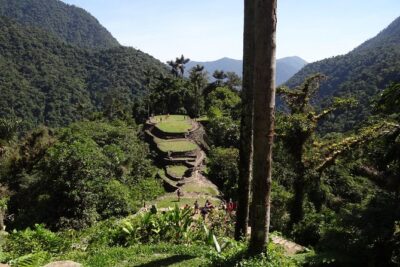
Hike for 4 days to the Lost City, Santa Marta
Read our review →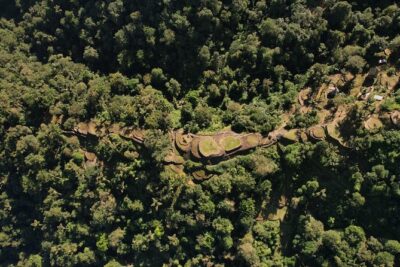
4-Day Lost City Small-Group Tour in Santa Marta
Read our review →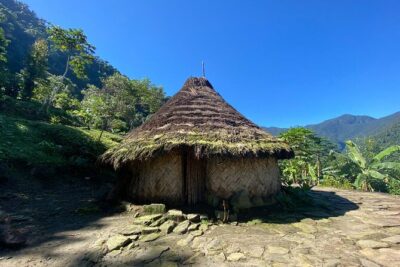
4-Day Walking Tour to Lost City of Sierra Nevada
Read our review →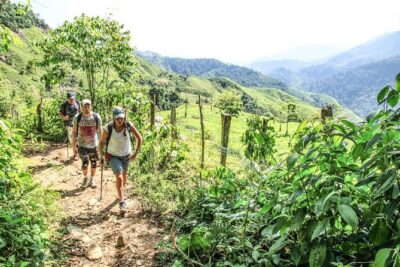
Trek to Ciudad Perdida: 5 Days from Santa Marta
Read our review →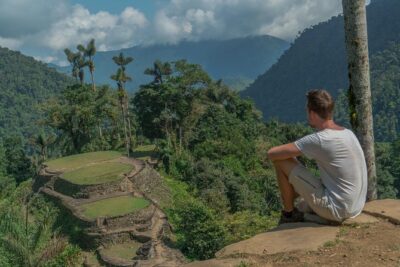
Browse the lists this tour appears in