Reviewed · BOGOTÁ TOURS
Wonders of Salt: Colombia’s Underground Cathedral
Wonders of Salt: Colombia’s Underground Cathedral is interesting because it mixes three things people don’t usually pair up: a working mining story, serious spiritual design, and art you can only really experience in the dark. You get a dramatic change of pace, from Bogotá pickup to a huge underground space that feels part temple, part cultural exhibit.
I love how the tour is built around the Salt Cathedral itself, including a guided walk through the sculpted spaces. I also like the way you’re not just dropped at one sight, because you continue into Zipaquirá village for colonial streets, photos, and time to taste local food.
One consideration: this is an underground experience, with a large portion underground, so it’s not the right fit if you have claustrophobia. If you’re comfortable in enclosed places, though, this day trip is genuinely unforgettable.
Key things you should know before you go
180-meter descent into the Salt Cathedral’s underground world
Stations of the Cross in salt with chapels and sculptures shaped by the mine
Zipaquirá walking time for Plaza de los Comuneros and the Church of San Antonio
Optional viewpoint for quick perspective over the town and valley
Private, pickup-based tour with an experienced guide and a typical Colombian light snack
Why the Salt Cathedral in Zipaquirá Feels Different From a Regular Cathedral
Most cathedrals you visit are built to last a century or two, then they get old, and that’s part of their charm. The Salt Cathedral works the other way around. It’s carved from a mining legacy, built into a real underground void, and it keeps its identity because of salt, stone, shadow, and scale.
What makes it special for your day is how quickly your brain adapts. You start off thinking history, then you notice the religious symbolism and the artful design, and suddenly you understand why people treat this place like a pilgrimage. The dim lighting and tunnel-like passageways do that work for you. You don’t just see the design, you feel the mood it creates.
And you’ll likely appreciate the guide’s explanations more than you expect. The tour is organized around a guided narrative of how the site evolved from the mining world into a cathedral and tourist destination, including references to times before the modern cathedral era.
A few more Bogotá days worth comparing
- Bogotá Bike Tour
★ 5.0 · 3,329 reviews - Bogota: Bicycle City Tour
★ 4.9 · 2,156 reviews - Zipaquirá: Salt Cathedral Group Tour with Pickup
★ 4.8 · 1,606 reviews
The 6-Hour Flow: Bogotá Pickup, Cathedral Time, and Village Strolls
This is designed as a tight, half-day style outing. You’re picked up in Bogotá from any point in the city, then you head to Zipaquirá and spend about three hours around the Salt Cathedral area, including a guided visit and time to look around on your own.
After the cathedral, the plan shifts to the village side, with a shorter block of time for photos, walking, and a sunset-ish moment when the light tends to look good for rooftops and cobblestones. You’ll also have an optional stop for a viewpoint over Zipaquirá and its town.
The value of this schedule is simple: it prevents the common mistake of visiting the cathedral, taking a few pictures, then leaving without really seeing the town that grew around it. You get enough time to connect the dots between mining history and the colonial city vibe above ground, without turning the day into a marathon.
Entering the Salt Cathedral: Salt Stations of the Cross and 180 Meters Underground
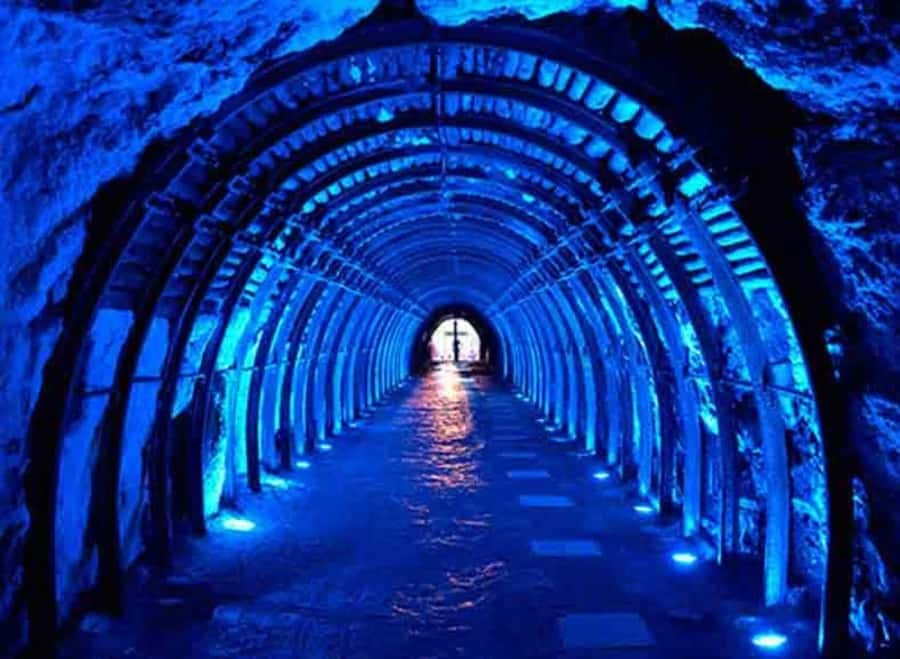
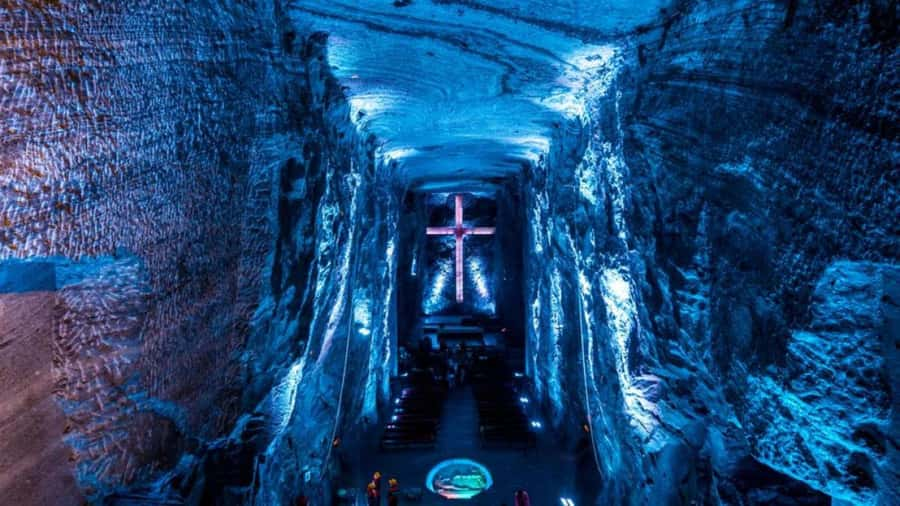
The highlight is the guided tour inside the Salt Cathedral at Zipaquirá. You descend about 180 meters below ground, which is a big enough drop that the change feels real, not symbolic.
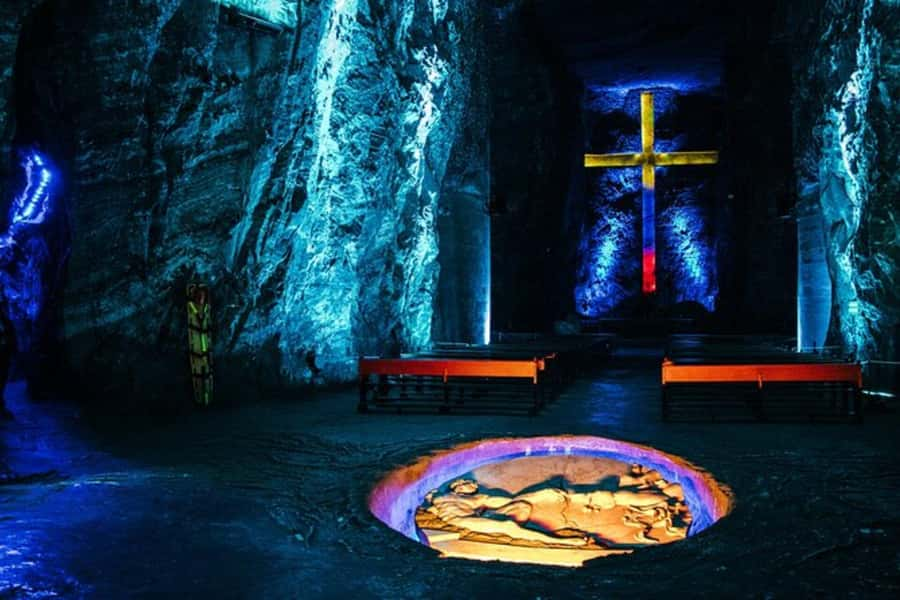
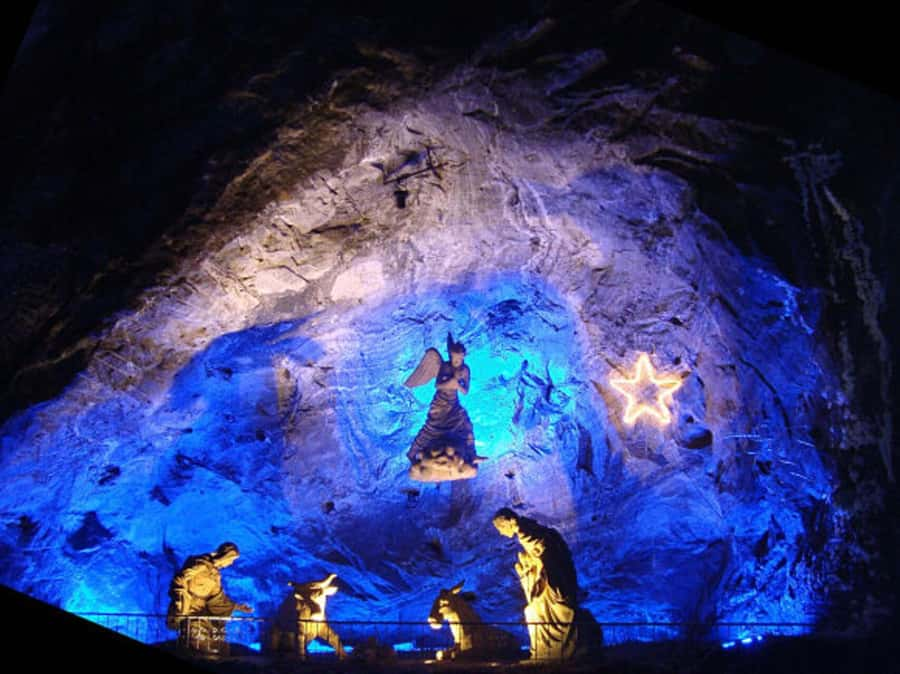
Inside, you’ll see sculpted Stations of the Cross carved in salt. That detail matters because it’s not just decoration. The Stations create a path you follow, which gives the whole visit structure. Even if you’re not the most religious person on Earth, the sequence and the scale still make sense in a way that feels intentional.
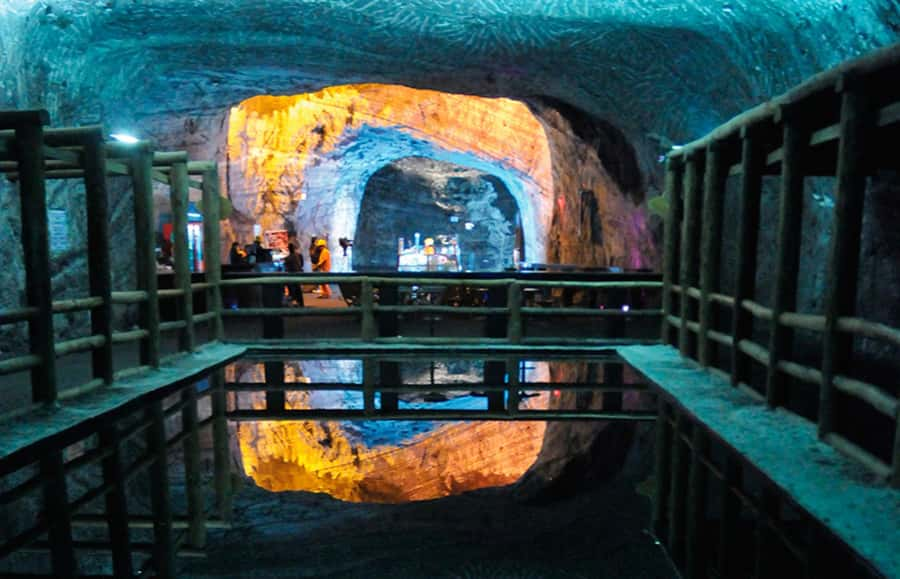
You’ll also encounter chapels and sculptures placed through the tunnel network. The salt and the lighting create a contrast that’s hard to get anywhere else. The atmosphere is majestic and introspective at the same time, and that combination is exactly why people call it magical.
The guide’s role here is important. Expect clear storytelling about the cathedral’s construction and renovation, plus how the cathedral connects to the region’s mining identity. That context keeps you from viewing it as a random underground attraction. You start understanding it as an interpretation of place, built with symbolism.
A practical note on photos
You can get photos, but the lighting is intentionally subdued. Your best shots will usually come from looking up and framing bigger shapes rather than trying to capture every tiny detail. Bring a charged smartphone and be ready to wait for a good moment when the space opens up.
A different kind of day out of Bogotá:
- La Candelaria, Monserrate and Museums Bogotá Private City Tour
★ 5.0 · 1,567 reviews - Shared Tour of the Historic Candelaria in Bogotá
★ 5.0 · 1,551 reviews - Bogotá: Guided La Candelaria Walking Tour
★ 4.8 · 1,229 reviews - Graffiti Tour: a fascinating walk through a street art City
★ 5.0 · 1,074 reviews
Ticket and Timing: What the Price Covers, and What You Pay Separately
Your tour price is $90 per person, and it covers the core experience: private transportation, pickup, an experienced guide, the cathedral tour portion, and a typical Colombian light snack. It does not include the Salt Cathedral entrance ticket.
The entrance ticket is listed as approximately $20 per person, so plan for that additional cost. If you want a smooth day, bring the extra budget so you can focus on the visit instead of scrambling at the site.
Time wise, you should treat the cathedral segment as the anchor. If you’re the type who likes to linger, this is where you’ll want to spend your energy. The village portion is more flexible, so you can adjust based on your interest level and energy.
Zipaquirá Village After the Cathedral: Colonial Charm and Plaza de los Comuneros
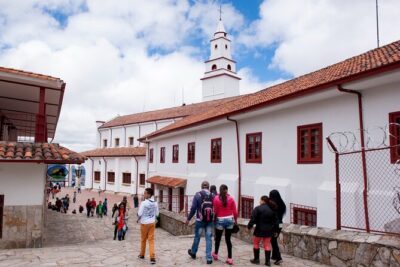
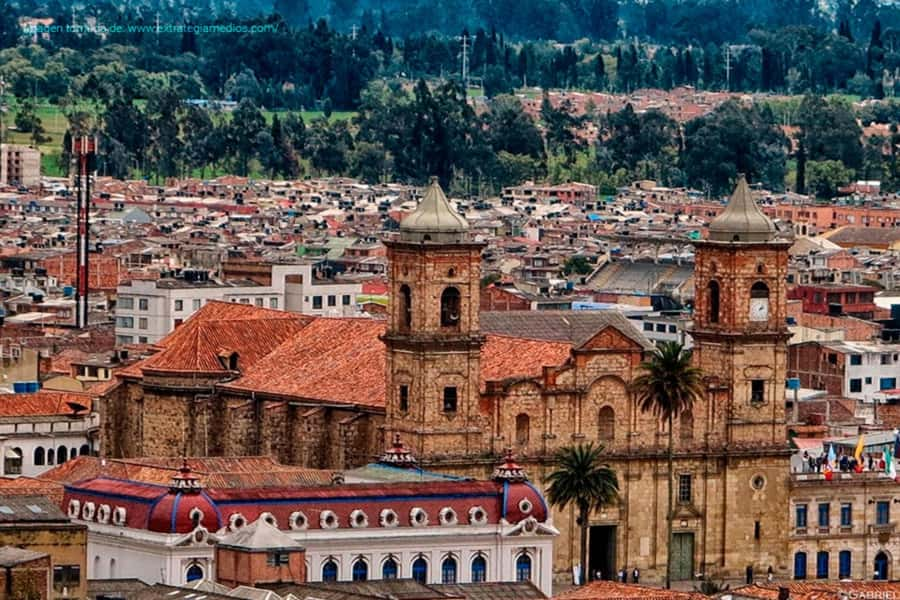
Leaving the underground space and stepping into Zipaquirá village is part of the emotional reset. Up top, the vibe shifts to colonial architecture, small streets, and a town layout that feels made for walking.
You’ll spend time exploring cobbled streets and key central areas, including Plaza de los Comuneros. The square sits among historic buildings that help you connect the cathedral to the larger story of the region. If you like architecture, look at the facades and the way the town’s details repeat across balconies and window frames.
One stop you’ll get a close-up look at is the Church of San Antonio. Even if churches aren’t your main focus, it’s worth using the moment to compare what you just experienced underground versus what people built above ground. The design language is different, but the cultural importance feels similar.
You may also see the Salt Museum as part of the village area. This helps if you want a little extra context beyond the cathedral, especially if you like connecting art to history.
Independence-era context without the lecture
The tour includes learning about the town’s role in Colombia’s independence. The nice thing is that it feels tied to place, not forced into a classroom. You’ll get a better understanding of why this town matters, while still walking, taking photos, and enjoying downtime.
Food, Souvenirs, and Viewpoints: How to Make the Village Time Count
A good tour gives you time, not just stops. In Zipaquirá, you’ll have a break and free time, including photo moments and time around the town center.
If you’re hungry, this is also where you can try typical local dishes. Two options mentioned are chócolo arepas and ajiaco santafereño. Since lunch isn’t included, you’re choosing your timing here. I’d suggest you plan food around your energy level, not the clock, because you want to stay comfortable while walking.
There’s also time to buy local handicrafts. If you like small souvenirs that don’t feel mass-produced, this is the kind of place where you might find something tied to local culture rather than generic tourist stock.
And if the optional viewpoint stop is on your route, take it. Even a short viewpoint moment helps you picture the town’s position relative to the valley. It’s one of those simple moments that makes the rest of the day feel more grounded.
What to Wear and Bring for a Comfort-First Day Underground
This is one of those tours where you’ll enjoy it more if you come prepared. The cathedral requires comfortable movement through underground pathways, so wear shoes you can walk in for an extended period.
Bring:
- Comfortable shoes
- An umbrella (weather in the region can change)
- Comfortable clothes for walking
- A daypack
- A charged smartphone
You’ll appreciate the umbrella because Zipaquirá is a day trip setting, and rain can mess with your photo time. Keeping your basics handled lets you focus on the cathedral design and the village streets.
Not allowed
Alcohol and drugs are not allowed. This keeps the experience respectful and straightforward, especially in a site that depends on the right atmosphere.
Private Transportation and an Experienced Guide: Why This Works as a Day Trip
The transport is private, and you get pickup from any point in Bogotá. That matters because it removes the usual hassle of shared shuttles and waiting around with a crowd.
The guide is also part of the value. The tour is set up so you hear the meaning behind what you’re seeing, not just facts about what you’re seeing. In the experiences people rate highly, the common thread is that the guide explains things clearly and keeps the flow organized. That clarity is useful because salt cathedral art is easier to appreciate when someone gives you a path and context.
And the group style is private, so you can ask questions without feeling rushed. If you’re traveling with family, it helps because your pacing stays yours.
Price and Value: Is $90 Worth It for the Salt Cathedral Experience?
Let’s break it down in plain terms. You pay $90 per person, and included is private transportation from Bogotá, pickup, an experienced guide, a typical Colombian light snack, and the salt cathedral tour portion. You also get optional viewpoint time, depending on the route.
What you pay separately is the entrance ticket to the Salt Cathedral, listed around $20 per person, and lunch is not included.
So the real value question is whether you’re getting more than a quick sighting. You are. You get guided time in the cathedral, time to walk and learn in Zipaquirá village, and a structured day that includes both the underground and above-ground sides of the experience. For a first-time visitor, that’s a win.
If you were to try to do this on your own, you’d spend time coordinating transport and figuring out how to connect cathedral entry with village walking time. This tour handles the sequencing for you, and that saves energy.
Who Should Book This Tour, and Who Should Skip It
This tour is a strong fit if you want:
- A guided visit to Colombia’s Salt Cathedral
- A meaningful day trip that mixes spirituality, art, and mining history
- Time to see Zipaquirá village rather than only passing through
- A private, pickup-based format that feels efficient
You might skip it if:
- You have claustrophobia. The cathedral involves a substantial underground experience, and the environment is enclosed.
- You hate organized walking tours. You’ll be moving through multiple sections, and it helps if you’re okay following a guided route with stops and explanations.
It’s also good for people who want an experience that feels atmospheric. The cathedral’s lighting and scale do most of the emotional work for you.
Should You Book Wonders of Salt: Colombia’s Underground Cathedral?
If you’re visiting Bogotá and want a day trip that feels truly different from the usual museum and church run, I think this is worth booking. The reason is the combination: guided time in a 180-meter-deep underground cathedral, then real walking time in Zipaquirá with colonial charm and photo opportunities.
Book it if you can handle enclosed spaces and you like guided context. Pass if you’re likely to panic underground, because the experience is not designed for that.
For best value, plan for the additional Salt Cathedral ticket expense and keep room in your day for food, since lunch is not included. If you do those two things, you’ll end the day with both the quiet, awe-filled cathedral memory and a more complete sense of why Zipaquirá matters.
FAQ
How long is the Salt Cathedral and Zipaquirá tour?
The experience lasts about 6 hours.
Where does pickup happen for this tour?
Pickup is available at any point in Bogotá.
What is included in the tour price of $90 per person?
It includes private transportation, pickup service, an experienced tour guide, a typical Colombian light snack, and the Salt Cathedral tour. Optional viewpoint time is also included.
Are the Salt Cathedral entrance tickets included?
No. The entrance ticket to the Salt Cathedral is not included, and it is listed as approximately $20 per person.
Is lunch included?
No, lunch is not included.
What languages is the live guide available in?
The live guide is available in Spanish and English.
Is this tour suitable if I have claustrophobia?
No. It is not suitable for people with claustrophobia.
Recently reviewed around Bogotá
- Visit and live a colombian coffee plantation (group tour)★ 4.5 · 4 reviews
- Villa de Leyva Food Tour at Sunset★ 5.0 · 4 reviews
- Private Coffee Tour in Cachipay★ 5.0 · 4 reviews
- Bike Tour in Bogota★ 5.0 · 4 reviews
- Tour Nocturno de Tejo y Salsa en Bogotá★ 5.0 · 4 reviews
- Hike to the Rocky mountains of Sutatausa Private Day Tour★ 5.0 · 5 reviews
- Andrés Carne de Res Chía: VIP Entry with Cover & Welcome Cocktail★ 5.0 · 5 reviews
- Salt Cathedral Tour along with the Legendary Lake Guatavita★ 5.0 · 5 reviews
Bogotá Tours, compared.


Zipaquirá: Salt Cathedral Group Tour with Pickup
Read our review →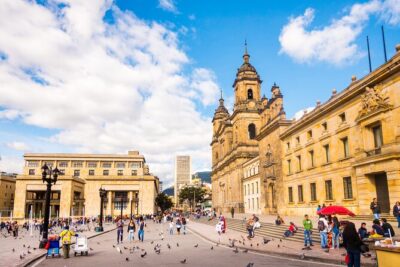
La Candelaria, Monserrate and Museums Bogotá Private City Tour
Read our review →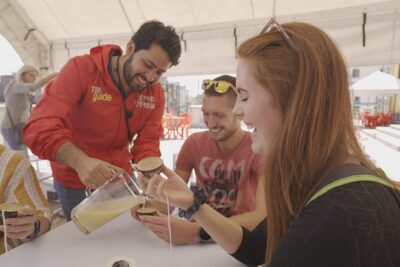
Shared Tour of the Historic Candelaria in Bogotá
Read our review →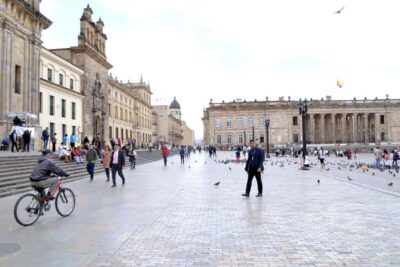
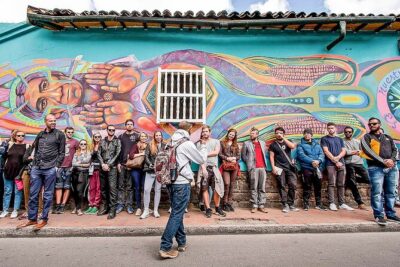
Graffiti Tour: a fascinating walk through a street art City
Read our review →