
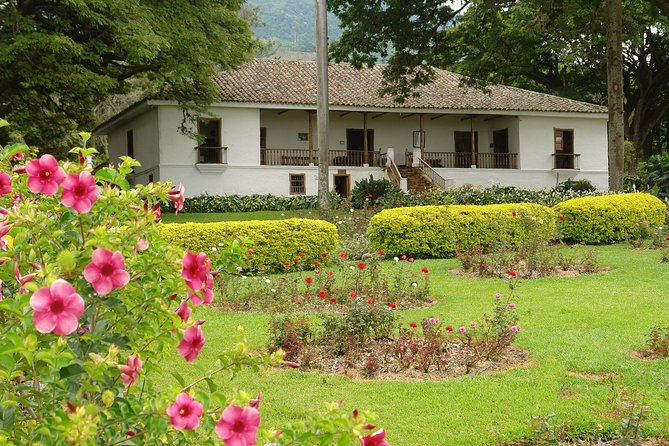
Reviewed · MUSEUMS
Sugar Cane Museum and Hacienda La María
Sugarcane country is one of those trips that feels both educational and oddly cozy, because it is not just about old buildings. You get a full morning-to-afternoon mix of production history, literature sites, and wine tasting, all in a tight loop outside Cali.
I especially like how the day is built around the real sugarcane story, from the land around Piedechinche to how the process works today. I also like the literature angle, with Hacienda El Paraiso tied to a famous 19th-century romantic novel, and then the stop at Santa Elena to see the María and Efraín monument.
One thing to plan for: it is a walking day on farm and museum paths, so you will want comfortable shoes and weather-ready clothes. Also, the first museum can feel more low-signage than you might expect, so going in with a guide mindset helps.
Key highlights worth getting excited about
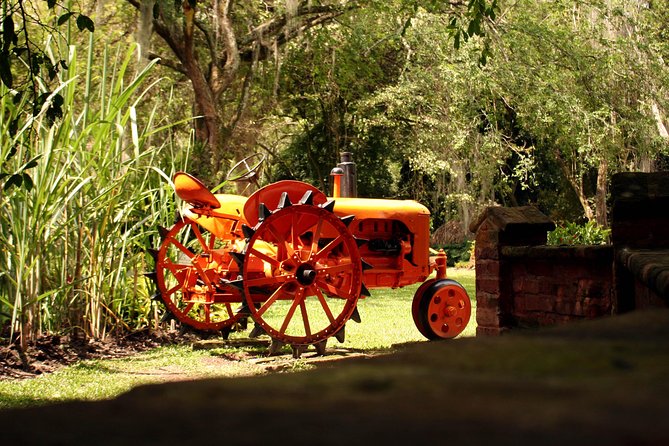
- Piedechinche sugarcane museum gives you the production story in context, not just a brochure.
- Hacienda El Paraiso connects the landscape to a major Latin American romanticism novel.
- Santa Elena church stop adds the María and Efraín monument and a chance to try regional artisanal wine.
- Vinoteca Cava Jaramillo Solera focuses on artisanal tasting, tied to the Santa Solera wine experts.
- Salon Hacienda Piedechinche is a 310-year-old museum house that slows the pace after the outdoor stops.
Sugarcane, romance sites, and wine in one 6-hour loop
This tour works because it blends three themes that often get kept separate. You get sugarcane production history, then you get the romantic novel story that helped make Hacienda El Paraiso famous, and you finish with artisanal wine tasting in the Santa Solera orbit. It is a day that makes the countryside feel connected, not chopped up into random stops.
The best part is the structure. Each stop adds a different layer: land and industry first, then culture and storytelling, then sensory stuff like wine. If you like travel that helps you understand how people lived and worked in a region, you will probably enjoy how the pieces click together.
The pace stays manageable too. At about 6 hours from an 8:00 am start, it is long enough to feel like a proper outing, but short enough that you are back in the swing of your Cali day.
More museums in Cali:
- Cristo Rey, Tertulia Museum and Downtown Cali City Tour
★ 4.5 · 44 reviews - Cali: Cristo Rey, Tertulia Museum & Downtown Cali City Tour
★ 4.4 · 16 reviews - Private Tour in Cali with Salsa Class, Museums and Local Food
★ 5.0 · 6 reviews
Hotel-zone pickup and a small-group day that stays friendly
The logistics are refreshingly simple. You get pickup and drop-off at your accommodation in the hotel zone, round-trip transportation from Cali, and a local guide. The tour runs with a maximum of 8 travelers, which is great if you hate feeling like you are herded.
That small group size also changes the quality of the guide time. Instead of rushing past your questions, you tend to get more back-and-forth. And if your Spanish is rusty, you should still be able to follow along with the story, since the day is structured around guided explanations and clear site stops.
Duration matters here. Because you are moving between sites with transport, you are not spending your whole day figuring out how to get from one place to the next. You get a plan, plus enough flexibility to enjoy each stop without feeling frantic.
Museo de la Cana de Azucar at Piedechinche: sugarcane in real-world context
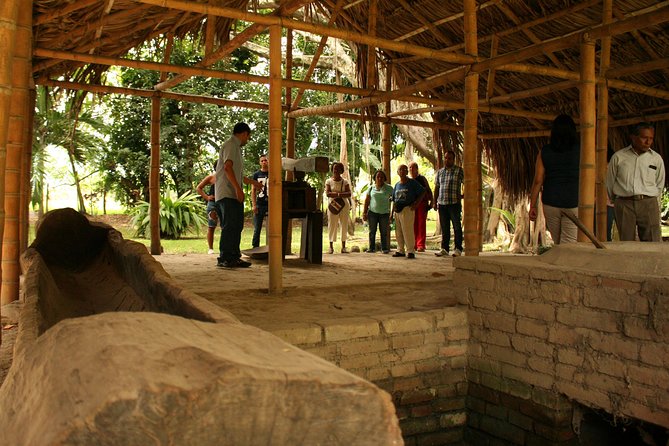
The day starts with Museo de la Cana de Azucar, located at the Piedechinche area near the farm setting. This is where you learn about the natural surroundings and how sugarcane production evolved over centuries, plus how the process works today.
What makes this stop worthwhile is the framing. You are not just looking at objects behind glass. You are learning the story of how sugarcane shaped the region, and how the land and climate relate to the work. Even if you already know the basics of sugar, you will likely come away with a better sense of how production thinking connects to the landscape.
A practical note: the museum visit includes time on site, and the setting can feel more like a plantation learning space than a highly signposted city museum. So if you like to read every label, you might wish you had more time, but the guide helps pull the story together so you are not wandering in confusion.
You should plan for this as a hands-on, eyes-on-the-path stop. Wear shoes that can handle uneven ground. Bring sunscreen and water. You will want your cap or hat ready too, because the day is outdoors-friendly.
This is also one of the stops where the value of a guided day shows. Sugarcane history can sound dry until someone connects it to why people cared, what changed over time, and how the process works in practice. That is the point of starting here.
Hacienda El Paraiso: where a 19th-century romance meets plantation life
Next up is Hacienda El Paraiso, the cultural centerpiece of the tour. This is where you get the “story” side of the region, tied to an important 19th-century Latin American romanticism novel. The description of the visit leans into how a Shakespearean-style romance unfolded here, which is a great way to understand why the sites matter beyond their architecture.
On paper, this sounds like a literature visit. In real life, it works because you are walking through environments where the novel’s scenes are associated. You are not only learning plot points. You are learning how the estate functions as a setting, which makes the book feel more physical.
You spend about 2 hours here, and that is a good amount of time. It gives you breathing room to absorb the setting, listen to explanations, and then just wander a bit so you can connect the story to the space. If you are a book person, this is one of those days where you end up picturing scenes without trying.
The likely drawback is the same one that affects many hacienda-style visits: it is not a quick photo stop. If you are looking for a fast hit of sightseeing, the literature component plus the environment walking can feel like “a lot.” But if you want meaning, it is time well spent.
A few more Cali days worth comparing
- A day to enjoy nature and have an adventure in the Jordan river
★ 5.0 · 469 reviews - Cali: City Tour | Guided tour around the city
★ 5.0 · 287 reviews - Shared Tour of the Historical and Cultural Center of Cali
★ 5.0 · 211 reviews - Street Food Tour
★ 5.0 · 157 reviews
Santa Elena church stop: María and Efraín, plus a quick sip
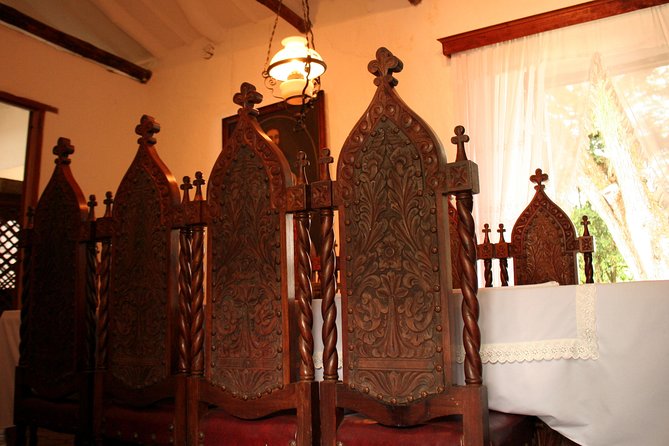
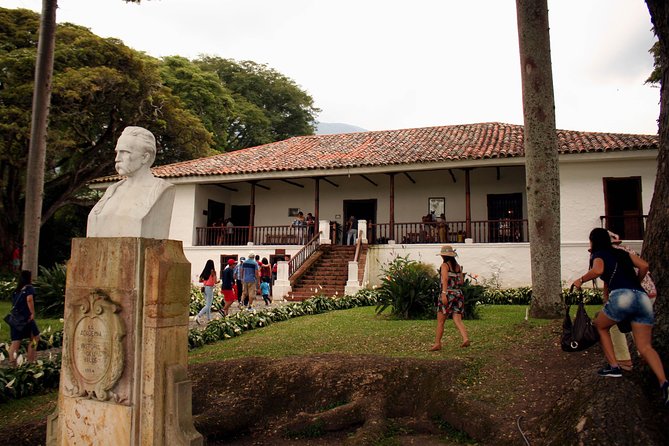
At Iglesia de Santa Elena, the tour adds a compact but memorable cultural moment. You visit the monument of María and Efraín, the novel characters tied to the Hacienda storyline. This stop helps you connect the literary thread from Hacienda El Paraiso to the wider town setting.
It is only about 30 minutes, so it is not meant to be a long church tour. Think of it as a scene marker. The monument gives you a point of reference, and then the timing keeps you moving.
There is also a chance to try artisanal wine from the region during this stop. Even if you do not go deep on wine knowledge, tasting once at the town level helps make the later cellar visit feel less like a random sampling.
If you are sensitive to heat or sun, use this as your short break window. Get a shade moment, drink water, and let your legs reset before the next segment.
Vinoteca Cava Jaramillo Solera and Santa Solera wine tasting
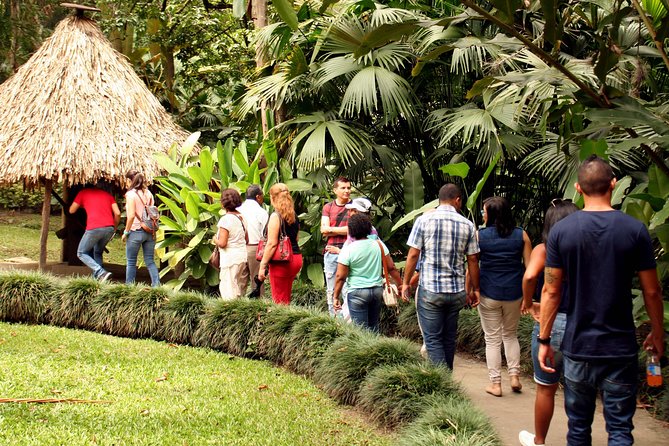
The next stop is Vinoteca Cava Jaramillo Solera, linked with Santa Solera, described as experts in artisanal wine making. You visit the wine cellar and then taste different artisanal wines made by the company.
This is one of the easiest stops to enjoy because it is sensory and relatively quick, at about 30 minutes. You do not have to be a wine nerd to get value. The point is tasting in a place built for it, with a structured approach rather than a chaotic stand in a shop.
Do plan for the taste part. Even in a short window, you might try multiple pours. If you know you do not handle alcohol well, you can still enjoy the experience, just take smaller sips and pace yourself.
One practical tip: if you have another tasting later that day, keep track of which ones you liked, so you can remember the flavors when you are back in town deciding what to buy.
Also, cellars can feel cooler than the sun outside. Bring a layer you can handle, or at least be ready for a temperature shift.
Salon Hacienda Piedechinche: stepping into a 310-year-old museum house

To wrap up the story, you visit Salon Hacienda Piedechinche, a 310-year-old museum house. This stop feels like a natural “slow down” after the sugarcane and wine moments.
A museum house is where you start thinking about daily life, routines, and how space shapes living. The tour gives you about 1 hour here, with admission included, which is long enough to look closely without turning it into a slog.
Why this stop matters: it balances the day. Sugarcane production is about work and process. Hacienda El Paraiso is about story and culture. The wine is about sensory craft. The museum house turns all of that back into “people and place,” showing you how estates held together routines over generations.
If you tend to love interiors, architecture, and artifacts, this is your “keep looking” stop. If you prefer outdoor views, you might find this one slightly more indoor and quiet, but it is still an important contrast.
Price and logistics: what $135 gets you, and what to watch for
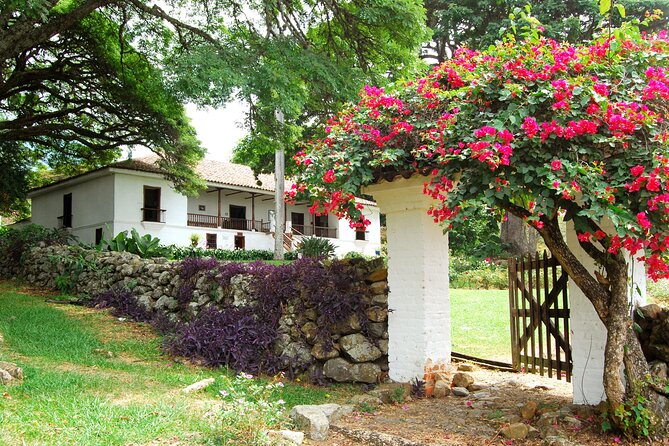
At $135 per person for about 6 hours, the value is in the full package: local guide, round-trip transportation from Cali, hotel zone pickup and drop-off, admissions for key sites, lunch, and medical insurance and assistance.
That is not just convenience. It removes the two biggest friction points of this kind of day trip: getting around outside the center and figuring out entrance tickets. When those are handled, you can focus on the sites themselves.
Lunch being included is also a meaningful value point. It saves you from hunting for food between rural stops. Breakfast is not included, so I suggest eating before pickup or bringing a light snack if you tend to get hungry early.
One more detail that matters for value: the tour runs with a small maximum group size. For some operators, small group just sounds nice. Here, it supports a guided experience you can actually participate in, which makes the day feel smoother and more personal.
The only “watch for” item is your expectations for pace. This is not a “run between highlights” tour. It is a thoughtful, guided sequence that may take up your whole morning and early afternoon, and you will want to be okay with that.
Who should book this, and who might prefer something else
I think this tour is a strong match if you:
- Like agriculture history that connects to the landscape
- Want a cultural day that includes a major novel tied to real places
- Enjoy artisanal wine tasting in a structured setting
- Prefer small-group touring with hotel pickup
You might enjoy it even more if you are traveling with a friend or family member who enjoys story and setting. The mix of sites helps avoid the “everything looks the same” problem that can happen on single-theme tours.
You might skip this if you only want big-city sights and short walking. The day includes several farm and estate-type environments, plus the need for comfortable footwear.
Before you go: packing list and Cali weather habits
The tour clearly expects outdoor time. You should plan for:
- Comfortable walking shoes
- Light, fresh clothes suited to sun and heat
- Cap or hat, plus sunscreen
- Mosquito repellent
- A water bottle
- If the forecast looks iffy, bring a light rain jacket or an impermeable poncho
The tour also notes it will not be canceled due to bad weather. That means you should come prepared rather than hoping for an indoor rescue plan. The itinerary still runs, so your best move is to pack for comfort in both sun and rain.
If you are the type who gets chilly in cooler cellars, consider a thin layer you can pull on when you enter wine rooms.
Should you book Sugar Cane Museum and Hacienda La María?
Yes, if you want a day that feels like a guided story across countryside, culture, and craft. The blend is the win: sugarcane production history at Piedechinche, the literature-connected setting at Hacienda El Paraiso, a short Santa Elena monument moment for María and Efraín, and then artisanal wine tasting at Santa Solera through Vinoteca Cava Jaramillo Solera, finishing at the 310-year-old Salon Hacienda Piedechinche.
Book it especially if you appreciate tours where the guide can translate a place into meaning, not just point out sights. Also, small group size and hotel zone pickup make it easy to say yes without overplanning.
If your travel style is all about fast city highlights and minimal walking, you might be happier with a shorter, more urban-focused plan. But if you are in Cali and you want your day to connect the region’s work, writing, and taste, this one is a solid fit.
FAQ
What time does the tour start?
The experience starts at 8:00 am.
How long does the tour take?
It lasts about 6 hours (approx.).
Where is pickup and drop-off handled?
You get pickup and drop-off at your accommodation in the hotel zone, included in the tour.
Is lunch included?
Yes, lunch is included. Breakfast is not included.
What is included in the tour price?
The tour includes a local guide, round-trip transportation from Cali, admissions for the main sites listed, lunch, and medical insurance and assistance. Tips are optional.
Which stops are part of the itinerary?
You visit Museo de la Cana de Azucar (Piedechinche), Hacienda El Paraiso, Iglesia de Santa Elena, Vinoteca Cava Jaramillo Solera, and Salon Hacienda Piedechinche.
What should I bring?
Wear comfortable walking shoes and light clothes. Bring a cap or hat, sunscreen, mosquito repellent, and a water bottle. If weather looks uncertain, consider rain protection.
Does the tour run in bad weather?
The tour will not be canceled in case of bad weather. It’s smart to bring an impermeable poncho, rain jacket, or umbrella.
Recently reviewed around Cali
- Private Transfer from Cali Airport (CLO)★ 5.0 · 4 reviews
- Historical Walking Cali City Tour 3H★ 5.0 · 4 reviews
- Roundtrip Private Transfer from Cali Airport (CLO)★ 5.0 · 5 reviews
- Trekking & Rivering Reserve Pericos★ 5.0 · 5 reviews
- Cali: Bird Watching | Birding in the cloud forest at kilometer 18★ 4.5 · 5 reviews
- Private Tour in Cali with Salsa Class, Museums and Local Food★ 5.0 · 6 reviews
- Cali Mountain Bike Ride★ 5.0 · 6 reviews
- Alameda Market Food Tour★ 5.0 · 6 reviews
Museums, compared.
La Candelaria, Monserrate and Museums Bogotá Private City Tour
Read our review →
Bogota + Monserrate Private City Tour, Museums, Candelaria.
Read our review →
Bogotá City Tour with Monserrate, Gold and Botero Museums
Read our review →
Bogotá Tour: Monserrate, Food, City Walk & Botero Museum
Read our review →
Emerald Museum & Jewelry Workshop: Behind the Scenes Tour
Read our review →
Private Tour in Bogota : Monserrate, Museums and Candelaria
Read our review →
Private Bogotá Tour: Candelaria, Gold Museum, Optional Monserrate
Read our review →
City Tour, Monserrate, Gold Museum, Plaza de Bolivar
Read our review →Browse the lists this tour appears in