
Reviewed · COFFEE FARM TOURS
Specialty Coffee Tasting in Bogotá, From coffee growers to your cup
This Bogotá coffee experience is interesting because you go from coffee grower to your cup by tasting four different brewing styles back-to-back, and noticing what each one does to flavor. I love the head-to-head comparison of AeroPress, V60, French Press, and Japanese siphon in a short, focused session.
I also like the flavor table that helps you connect what you taste with what you remember, so the experience sticks after you leave. One possible drawback to keep in mind: if you booked the English version and you want very technical, deep explanations, you may find the session can feel a little lighter depending on how the explanation lands.
The upside is that the hosts are friendly and patient, and in this small group setting you can actually ask questions. People have mentioned instructors like Jorge and Andrea, and the session aims to slow down enough that you learn instead of rushing through.
Quick hits
- Four brew methods, one session: AeroPress, V60, French Press, and Japanese siphon for real comparison
- Process variety: you taste coffees from different processing styles, including washed, honey, and natural
- Flavor table training: a guide to help your brain label aroma and taste notes
- How to change the cup: you learn how grinding, water, and pouring affect the final result
- A palate warm-up snack: a baked empanada comes mid-session, plus you may get a certificate and a sweet finish
- Small group size: capped at 15 travelers, so it feels hands-on rather than crowded
Four Brew Methods in 2 Hours: What You Really Learn
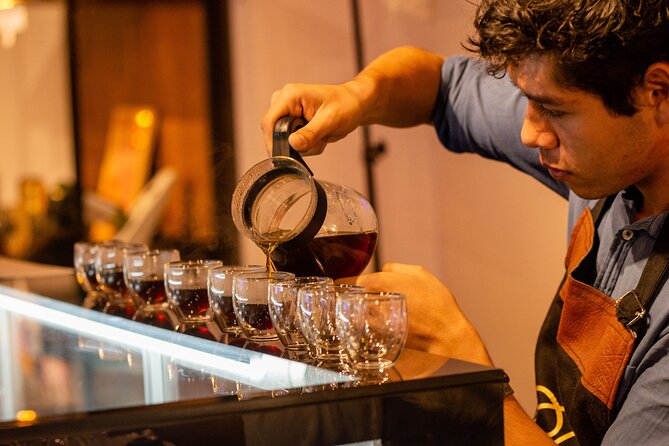
This is the kind of coffee tasting that makes you pay attention. Not just to the coffee, but to the mechanics of making it. In about two hours, you’ll taste four cups prepared using different methods: AeroPress, V60, French Press, and Japanese siphon. The point is simple, and very useful: once you taste the differences, you start to understand why two cups from the same beans can taste nothing alike.
Here’s what makes it practical for you. During the tasting, you’ll be guided through how changing key variables changes the coffee in your cup. The experience focuses on grinding, water, and pouring. Even if you are brand-new to specialty coffee, this is the quickest way to build real intuition. You don’t need fancy equipment at home to start noticing how your own choices affect flavor.
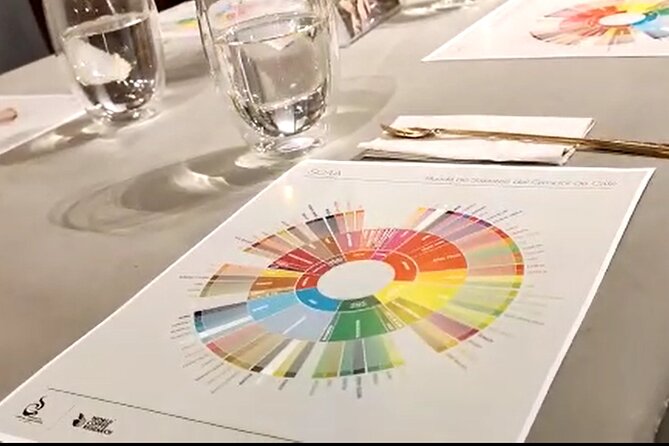
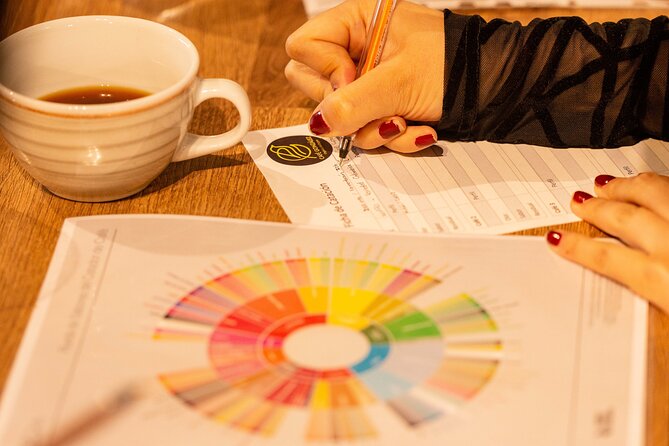
You’ll also get a table of flavors, basically a memory tool. You taste a cup, smell it, sip it, then map what you notice to simple flavor words. That matters because most people taste coffee and forget it five minutes later. A flavor guide helps you remember what you liked and what you didn’t, which makes it easier to buy coffee that matches your preferences.
One more nice detail: the hosts don’t treat this like a lecture. People have described Jorge as kind and patient, and Andrea as engaging. That kind of delivery is what turns a tasting into learning you can use.
More Coffee Experiences in Bogotá
- Coffee Farm Tour from Bogotá – Be a Farmer for a Day
★ 5.0 · 213 reviews - Specialty Coffee Workshops in Bogota
★ 5.0 · 145 reviews - From Bogotá: Coffee Farm and Tequendama Falls Tour
★ 4.5 · 130 reviews
Washed, Honey, Natural, and Another Wash: Why the Lineup Matters
The coffee lineup is built around processing styles, not just brand or roast level. You’ll start by tasting two different origins while learning about the coffee’s background. One is a washed process coffee, and the other uses a honey process. After those first two cups, you take a break with a baked empanada, then you taste two more coffees: one natural process coffee and another wash.
Processing matters because it changes how the fruit is handled before the bean is dried and roasted. Even without getting overly technical, you can taste the result. Washed coffees often feel cleaner in the cup, while natural coffees can come with more fruit-forward impressions. Honey processing sits somewhere in between, and tasting it side-by-side is a fast way to learn what that means for your own palate.
You’ll also hear some coffee history during the early part of the session. That’s not filler. In my experience, a little context helps you make sense of why a coffee tastes the way it does, and why growers and processors care about method. If you tend to buy coffee but never know how to judge it, this part can help you start making better choices.
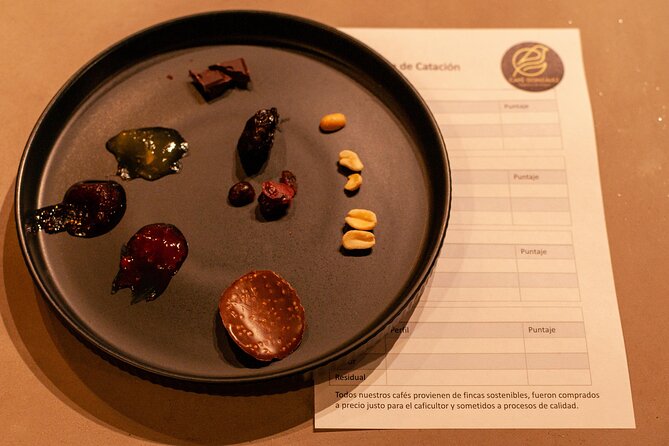
And yes, the snack timing is intentional. The empanada is there to reset your palate before the final two cups, so your third and fourth tastings don’t get lost in the first two.
How Each Brewing Method Shapes Flavor in Real Life
This tour is not only about what you taste, it’s about how you’re tasting. That’s a big difference from random tastings where you sip and move on. Here, the brewing method is part of the lesson.
AeroPress
AeroPress is often praised for consistency and flexibility. In a tasting like this, you’ll notice how it can bring out clarity and balance. You’re not trying to memorize buzzwords. Instead, you’re learning whether you prefer coffee that feels cleaner and more straightforward, or coffee that feels fuller and heavier.
More Food & Drink in Bogotá
- Bogotá Food Experience: Cultural & Culinary Tour
★ 5.0 · 591 reviews - Viejo Bogota Food Tour with 12+ Tastings
★ 5.0 · 544 reviews - Bogota Food Tour with over 12 Tastings & Tejo
★ 4.9 · 454 reviews - Bogotá Tour: Monserrate, Food, City Walk & Botero Museum
★ 5.0 · 328 reviews
V60
V60 is all about controlled pour and flow. In a guided comparison, you typically start noticing things like brightness, aroma, and how the finish changes cup to cup. This is a great method for learning the role of pouring. Small differences in how you pour can change what gets extracted.
French Press
French Press changes the game because it leaves more body in the cup. This is the moment where many people realize they have preferences they didn’t know they had. If you like coffee that feels more textured and lingering, this style usually makes that obvious.
Japanese siphon
Siphon coffee is dramatic, and it can taste elegant. In a tasting setting, it’s also a chance to understand how technique shapes the cup. If you enjoy learning from your senses, siphon is the method that makes you watch the process and then taste what that “lab-style” brew produces.
Across all four, the host will connect what you’re tasting to technique: grind size, water, and pouring. The practical goal is that you can walk out and recreate the flavor direction you liked, even if you make coffee at home with different gear.
It helps that the instruction is delivered in a friendly way. People have specifically mentioned that the presenter spends time with the group instead of rushing, which makes a difference when you’re trying to figure out what you like.
The Baked Empanada Break (and Optional Sweet Finish)
Midway through the tasting, you get a baked empanada. This is not just a snack stop. Coffee tasting can blur together fast because your senses get fatigued. A light salty bite can clear the palate and give your palate a reset before the last two coffees.
Food also makes the session more “real.” Instead of doing a pure beverage-only seminar, you’re tasting in a casual cafe rhythm. That matters in Bogotá, where a lot of visitors spend their day moving fast. This gives you a slower moment that still feels connected to local life.
Some people also mention leaving with a small certificate and a dessert at the end. The tour info specifically calls out the empanada, but the overall experience is designed to feel like a complete event, not just four sips and out the door.
Small Group, Real Q and A: Jorge and Andrea’s Style
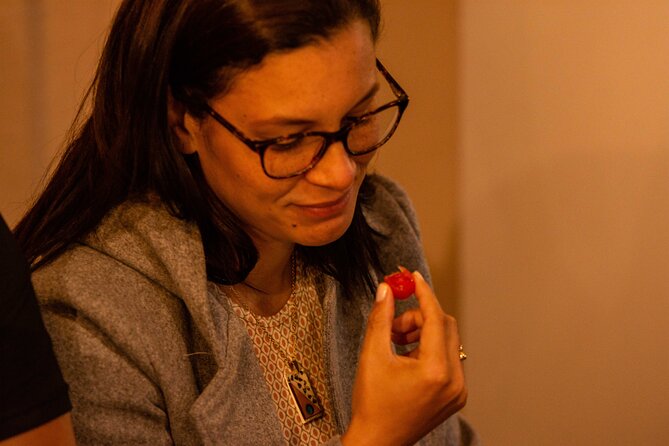
This experience caps at 15 travelers, and that’s a quiet superpower. In a small group, you’re more likely to get direct answers when you ask a question. You’re not stuck hoping the guide will notice you somewhere behind a line.
The tone matters. Reviews highlight hosts who are friendly and patient, with Jorge described as thorough while staying calm and interactive. Andrea is described as engaging, covering flavors and brewing methods and also touching on bean picking and preparation. Even if you already know some basics, that kind of pacing helps you connect the dots.
There’s also a sustainability angle. One review mentioned a sense of sustainability tied to the farm-to-cup approach. Since the experience is framed around coffee growers and how coffee moves from origin to brewing, you might hear more about how processing choices and careful handling shape what reaches your cup.
Language is the only caution I’d flag. One review specifically raised concern that the English version may not capture the full depth for some guests. If English is important to you and you want very technical language, come with a few ready questions in plain terms, like what flavor changes you should look for when you adjust grind size or pouring style. Good guides can usually translate the concept even if the wording shifts.
Price and Value: Is $30 Worth It?
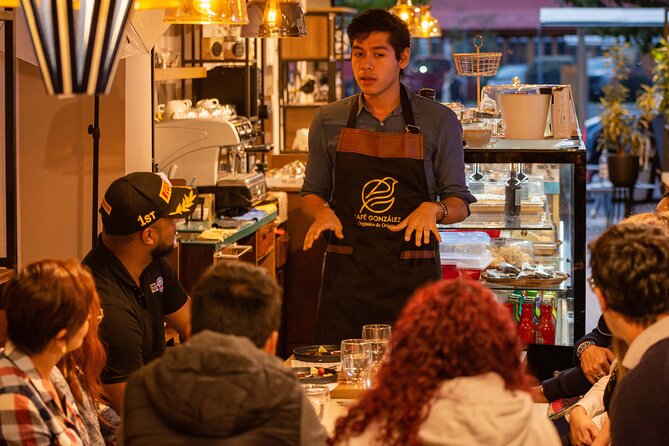
At $30 per person for about two hours, this sits in the “more than a coffee, less than a full class” category. Whether it’s a good value depends on what you want from it.
If you want a quick, structured way to learn what you like, the value is strong:
- You taste four brewing styles in one session, so you’re not guessing which method you prefer.
- You get guidance on how grinding, water, and pouring change flavor.
- You get process diversity (washed, honey, natural), which helps you understand coffee beyond roast level.
- You also get a baked empanada, which turns it into a real pause in your day.
If your goal is pure theory, like memorizing brewing parameters with precision, you might find it more experience-based than textbook-heavy. That’s not a deal breaker, but it affects who will love it most. The best match is someone who wants to taste and learn enough to buy better coffee and brew with more confidence.
In short, $30 is fair when you treat it like training for your palate, not just a snack plus a sip session.
Meeting Point in Bogotá: Simple Logistics That Matter
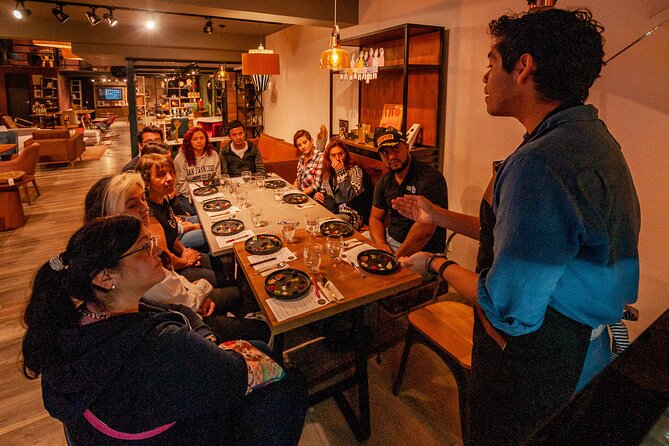
You’ll start at Cra 19 #123-60 in Bogotá, and the activity ends back at the same meeting point. It’s also described as near public transportation, which is helpful in a city where getting across neighborhoods can eat time.
Plan to arrive with a little breathing room. One issue that comes up in the feedback is that on rare occasions, guests did not find anyone at the meeting point at the expected time because the staff was not alerted properly. That’s not something you should assume will happen, but it is a smart reason to do one simple thing:
- After booking, consider messaging or confirming with the cafe so your name is on their list.
That one step can save you stress.
Also keep the time expectation realistic. The tasting is about two hours, and it’s designed to include pauses for food and back-to-back cups. If you’re trying to squeeze this in between tight plans, give yourself margin.
Who Should Book This Coffee Tasting (and Who Might Skip It)
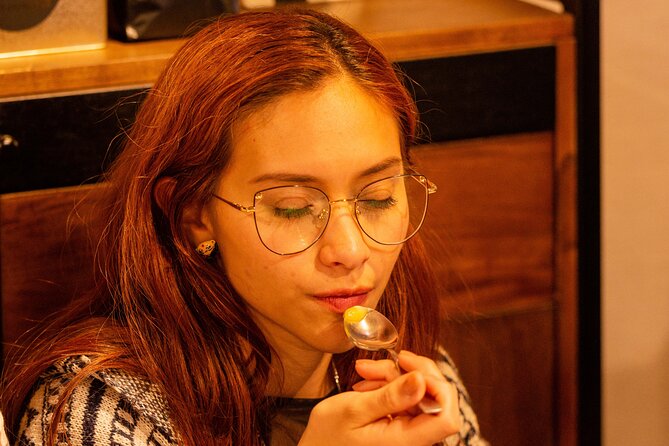
This is a great fit if you:
- are curious about specialty coffee and want more than a casual tasting
- like hands-on learning and want to taste differences quickly
- want to learn how grind and pour choices change the cup
- are traveling with a small group mindset, since it’s capped at 15
You might think twice or adjust expectations if you:
- want extremely technical instruction in English, with heavy detail and deep jargon
- hate any chance of schedule friction, since like any small tour, timing can be affected if communication goes sideways
If you’re the type who likes buying a bag of coffee and then brewing it at home, this tour gives you the kind of “preference vocabulary” you can use immediately. The flavor table plus the repeat tasting makes that more likely than in many tastings.
Should You Book Café González’s Specialty Coffee Tasting?
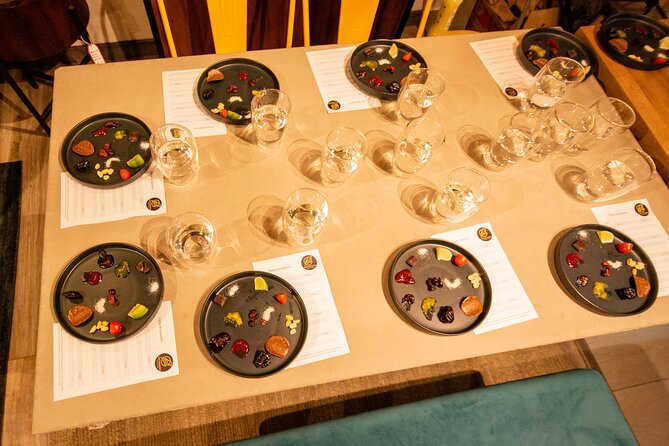
Yes, if you want a structured, sensory lesson in what makes a cup taste the way it does. Four brew methods, multiple processing styles, a flavor mapping tool, and a palate-friendly snack add up to more value than a simple coffee stop.
If you’re planning to book for an English-heavy experience, I’d go in with flexible expectations and be ready to ask questions in plain language. And I’d confirm your booking directly with the cafe after booking, just to avoid any meeting-point confusion.
Overall, this is the kind of experience that leaves you with something practical: the ability to taste differences on purpose, then pick coffees that match your personal preferences.
FAQ
How long is the specialty coffee tasting in Bogotá?
It lasts about 2 hours.
What is the price per person?
The price is $30.00 per person.
What brewing methods are used during the tasting?
You’ll taste four cups made with AeroPress, V60, French Press, and Japanese siphon.
What kinds of coffee origins or processes will you taste?
You’ll taste coffees including washed, honey, natural, and another wash. You also start with two origins and finish with two more.
Where is the meeting point?
The meeting point is Cra 19 #123-60, Bogotá, Colombia. The tour ends back at the meeting point.
How big is the group?
The maximum group size is 15 travelers.
Is the tour near public transportation?
Yes, it is near public transportation.
Are service animals allowed?
Yes, service animals are allowed.
Recently reviewed around Bogotá
- Visit and live a colombian coffee plantation (group tour)★ 4.5 · 4 reviews
- Villa de Leyva Food Tour at Sunset★ 5.0 · 4 reviews
- Private Coffee Tour in Cachipay★ 5.0 · 4 reviews
- Tour Nocturno de Tejo y Salsa en Bogotá★ 5.0 · 4 reviews
- Bike Tour in Bogota★ 5.0 · 4 reviews
- Hike to the Rocky mountains of Sutatausa Private Day Tour★ 5.0 · 5 reviews
- Andrés Carne de Res Chía: VIP Entry with Cover & Welcome Cocktail★ 5.0 · 5 reviews
- Salt Cathedral Tour along with the Legendary Lake Guatavita★ 5.0 · 5 reviews
Coffee Farm Tours, compared.
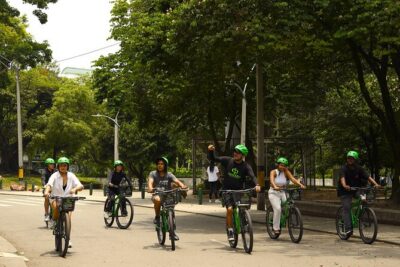
Half Day Bike Tour in Medellin – Local snack, Coffee or Beer
Read our review →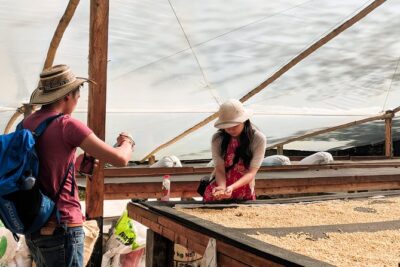
Half-Day Coffee Tour: From the Seed to the Cup, Farm & roastery
Read our review →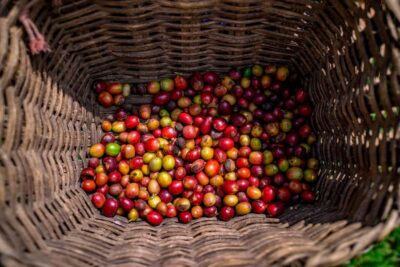
Coffee Tour with Transport, Snacks and Tastings
Read our review →
Electric Bike City Tour Medellin With Colombian Coffee and Snack
Read our review →
Private Coffee Farm Tour in Medellin: Real Authentic Experience
Read our review →
Guatape & Coffee Farm & El Peñol Rock & Quaint Town: Best Combo
Read our review →
Coffee tour in Medellín with tastings and transportation
Read our review →Browse the lists this tour appears in