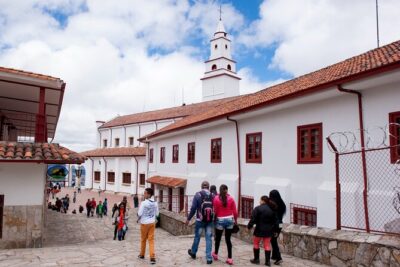
Bogotá can feel like a city of stone and traffic. This tour makes it feel like a story you can trace on foot. It focuses on how the so-called Colombian Violence Era took shape, why the Bogotazo of 1948 still matters, and how the peace agreement with FARC fits into the picture today.
I like two things most: the guide’s promise of accurate, objective knowledge that does not take sides, and the way the tour ties big political events to what you see in the historic center. Guides I’ve seen leading this theme, like Lorenzo, Hector, Santi, and Daniel, tend to explain the connections clearly and keep the group involved with questions and humor.
One drawback to plan for is the stamina factor. You’ll walk about 9 km over roughly 150 minutes, plus listening stops, so comfortable shoes and a patient pace are part of the deal, not an optional extra.
Key things to know before you go
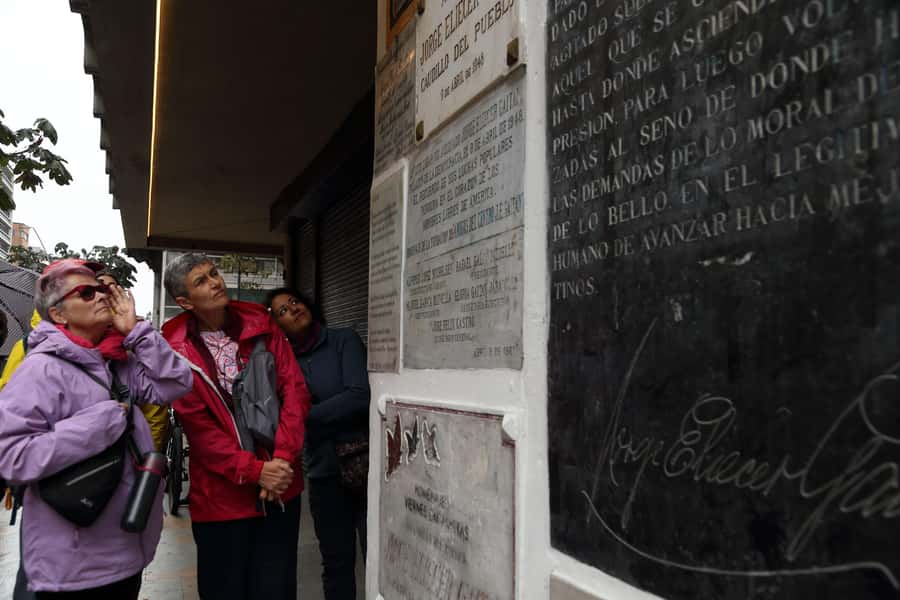
- Bogotá’s historic center as the classroom, with stops framed by conflict history
- Objective, not pro or anti, with the stated goal of explaining causes and development
- From Bogotazo (1948) to the peace process, including FARC, ELN, and M-19
- Current conflict logic, including why guerrillas and paramilitary groups still fight
- Drug trafficking connections explained in context, including links to national and international trafficking
- Big walking day for the price, shared group pace, about 3 hours total
Why a Colombian Conflict War Tour Makes Bogotá Click
If you want Bogotá to make sense fast, this is a smart way to do it. The city’s buildings can look neutral, but the political battles in Colombia were never simple. This tour helps you read the city as evidence, from earlier independence-era politics through the riots and military power grabs, and up to the peace agreement era.
The best part is the structure. You are not just given names and dates. You’re shown how competing ideas for power, like Liberal versus Conservative dominance, can feed cycles of instability. Then the tour adds layers: guerrilla creation, peace negotiations, and the reasons armed groups keep fighting in the present.
And I appreciate the promise that the guide aims to be accurate and objective. That matters because conflict history can easily turn into persuasion. Here, the frame is causes, development, and roles, so you can form your own take without feeling pushed.
A few more Bogotá days worth comparing
- Bogotá Bike Tour
★ 5.0 · 3,329 reviews - Bogota: Bicycle City Tour
★ 4.9 · 2,156 reviews - Zipaquirá: Salt Cathedral Group Tour with Pickup
★ 4.8 · 1,606 reviews
Finding Your Guide Outside the Museo del Oro
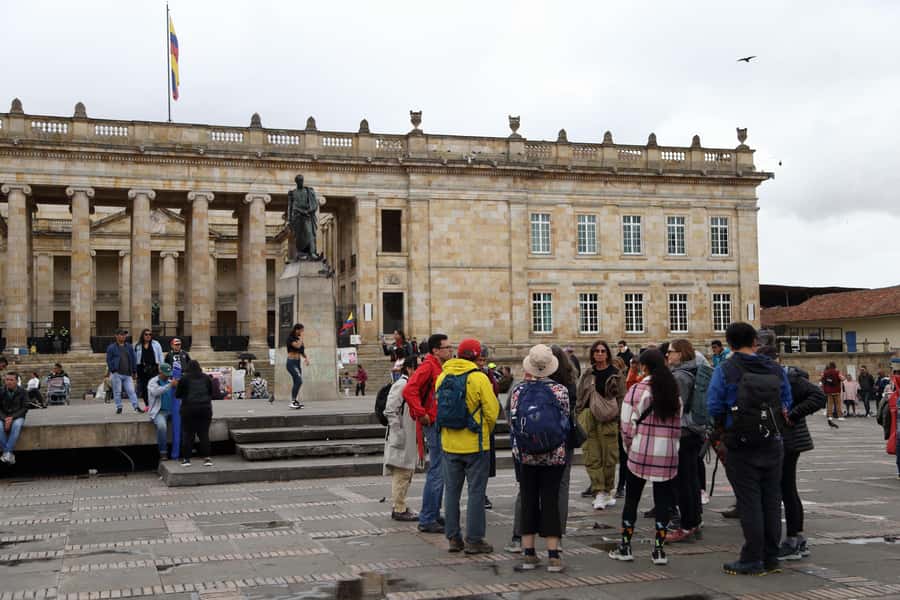
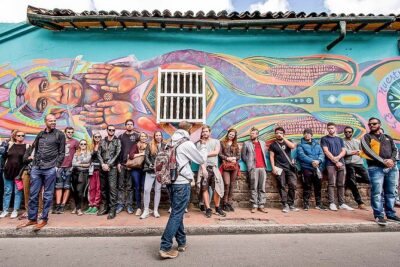
This is a true start-on-the-street tour. You meet right in front of the Museo del Oro with Beyond Colombia, using the guide team’s red umbrellas. That makes it easier to spot each other, and it also sets the tone: you’re going to learn by walking through real public space, not by sitting in one place.
The tour is designed as a shared experience, meaning you’ll be with other people in the same English-speaking group. You’ll also get a few interaction moments, since guides commonly bring the group into the discussion with questions, and some guides add humor to keep it moving through heavy topics.
Practical note: you’ll be in crowded areas at points, so keep your belongings close. The tour also asks that you avoid handing out easy targets for pickpocketing. Common sense here goes a long way.
The Historic Center Walk, Plus Resting Stops
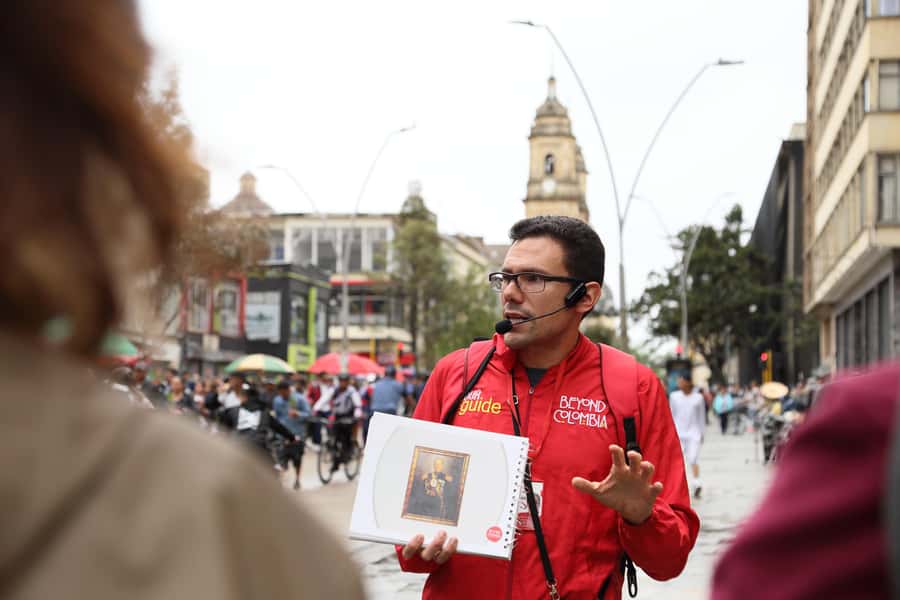
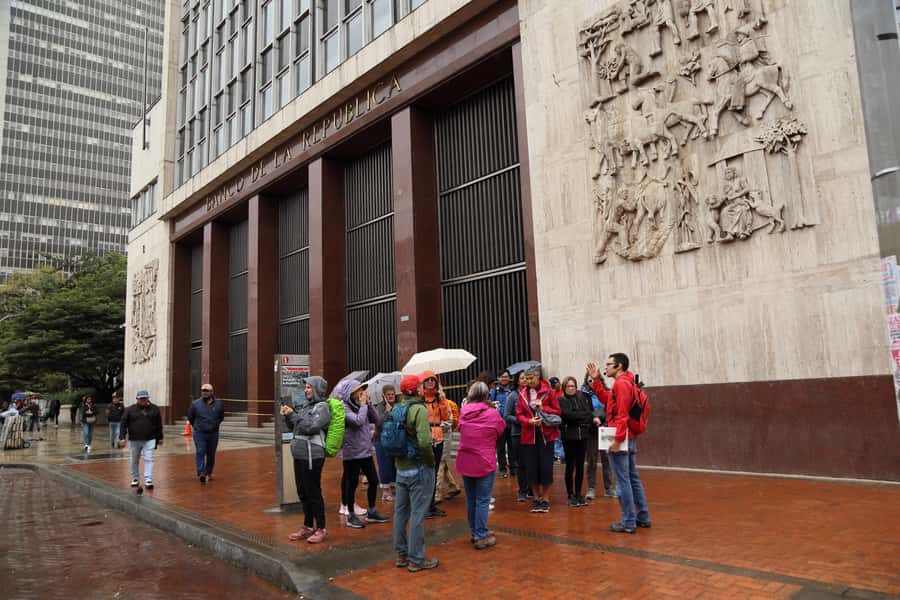
You should expect a lot of on-foot time. The tour runs about 150 minutes (around 3 hours) and includes breaks for listening. It’s not a sit-down lecture, and it’s not a sprint either. The pace is built around explanation and short stops, which is helpful when the subject matter is dense.
Why this format works: conflict history is easier to hold in your head when you connect it to a place. Even if you do not see dramatic sites on a map, the guiding thread is that the historic center carries memories of political change, unrest, and state versus armed actors.
What can be annoying if you’re not ready: the distance. The tour indicates you’ll walk about 9 km total. That is a lot for one afternoon, especially if you’re wearing shoes you usually only use for shorter city hops. Plan for blisters, not just sightseeing energy.
Independence, Power Rivalries, and the Seeds of Violence
The tour begins by setting up earlier political foundations. You’ll hear about the independence process, then move into how political power struggles shaped the later conflict landscape. A major theme is the effort by Liberals and Conservatives to claim supremacy.
That part matters because you start to see violence not as random chaos, but as something that can grow out of systems of competition. When parties see power as zero-sum, compromise becomes harder, and conflict can become the default tool.
From a traveler perspective, this is a useful way to calibrate expectations. If all you know is that Colombia had guerrillas and later drug trafficking, you might miss why armed groups could gain space. This tour keeps the chain of cause and effect front and center, rather than treating each event as an isolated headline.
A different kind of day out of Bogotá:
- La Candelaria, Monserrate and Museums Bogotá Private City Tour
★ 5.0 · 1,567 reviews - Shared Tour of the Historic Candelaria in Bogotá
★ 5.0 · 1,551 reviews - Bogotá: Guided La Candelaria Walking Tour
★ 4.8 · 1,229 reviews - Graffiti Tour: a fascinating walk through a street art City
★ 5.0 · 1,074 reviews
The Bogotazo of 1948, Riots That Changed the Story
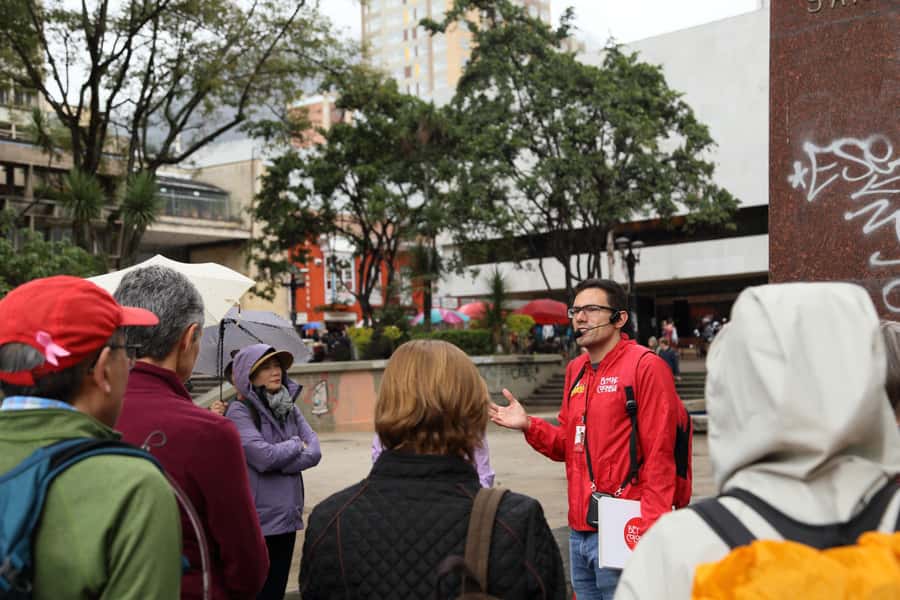
One of the highlight topics is Bogotá’s Riot of 1948, often referred to as the Bogotazo. This is where the tour leans into the idea that a single eruption can shift national momentum.
In practical terms, what you get is context. The tour frames why that riot matters and how it fits into the larger “violence era” narrative. You’re not just told what happened. You’re guided to understand it as part of a turning point, where political tensions spilled into street-scale unrest.
The drawback to keep in mind: riot history can be emotionally heavy. The tour is designed to stay in explanation mode and promises not to take sides, but the topic itself is intense. If you prefer only light, day-trip sightseeing, this may feel too serious.
Military Dictatorship and the Road to Guerrillas
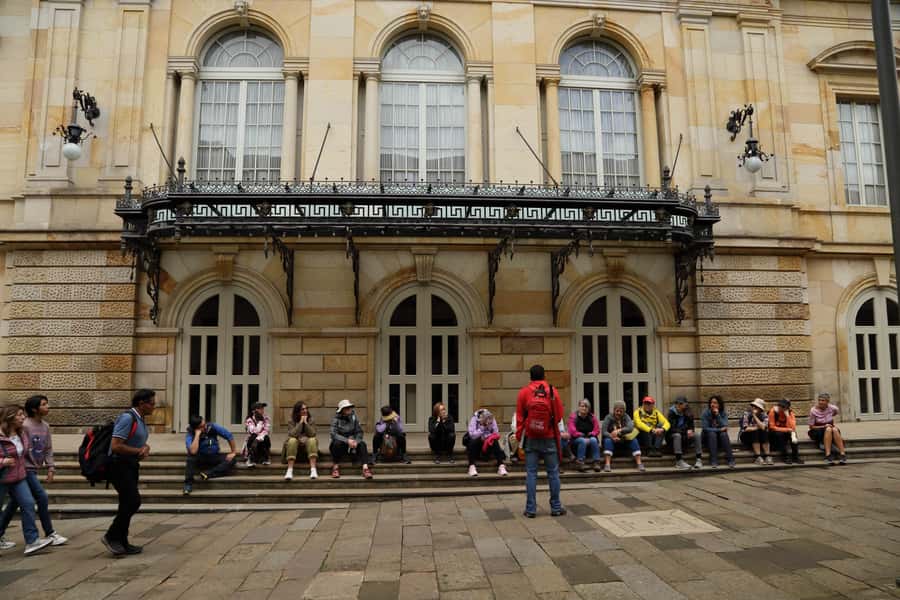
After the riot period, the tour connects the dots to the military dictatorship. Then it turns to the creation of major guerrilla groups: FARC, ELN, and M-19.
Why that section is valuable is because it helps you sort categories. A lot of visitors lump all armed groups together. This tour treats them as part of different political and conflict currents, even while you can see how the overall environment supports armed activity.
You’ll also learn how the peace process eventually entered the conversation, including the peace agreement signed with FARC. This part is important for anyone trying to understand why modern conflict in Colombia does not simply end when negotiations happen. The story becomes about implementation, shifting power, and the roles of different actors.
Peace Agreements With FARC, and What Peace Didn’t Automatically Fix
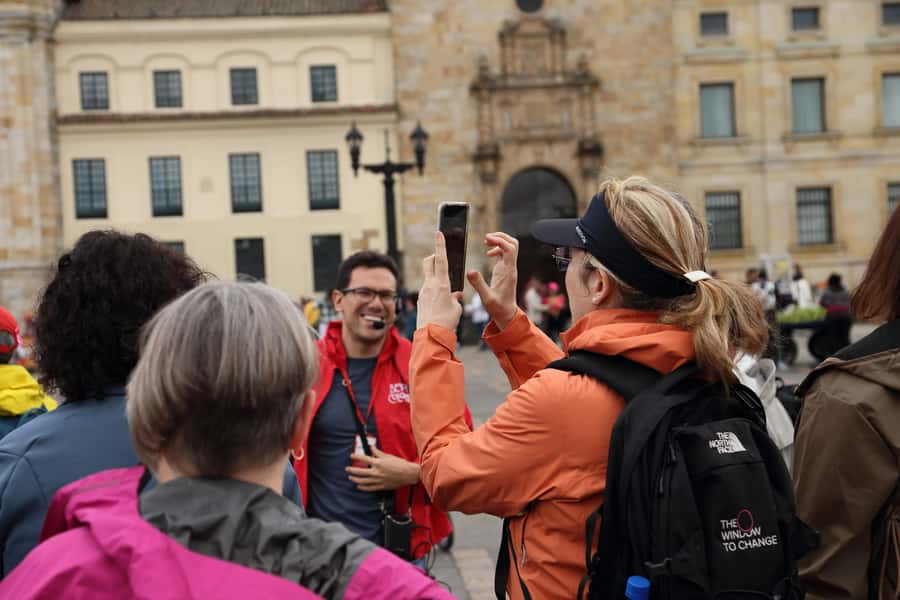
The tour includes the ongoing peace agreement with FARC as a core highlight. It then expands into what the peace process did and did not settle, which is where the tour becomes more than a history recap.
Peace agreements can change the map of conflict, but they do not necessarily erase the motivations that fed the violence in the first place. This tour addresses that theme by moving from past events into the present, including the current political situation and why other armed groups continue fighting.
If you’re the type who likes to understand how today’s headlines connect to yesterday’s decisions, this is one of the strongest parts of the experience. It gives you a framework for questions you’ll likely hear from locals, news, and community debates.
Today’s Guerrillas and Paramilitary Groups, and the Reasons They Fight
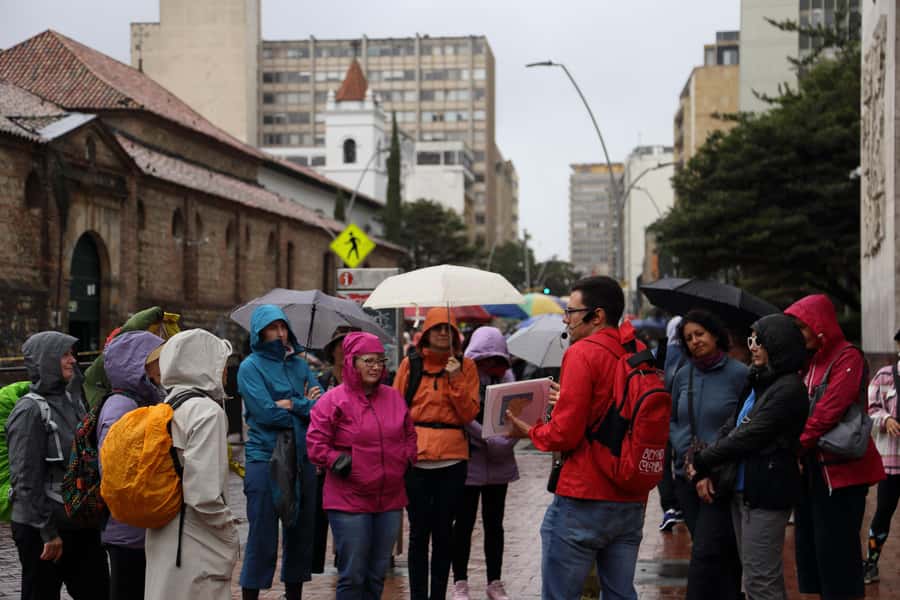
The tour does not stop at the classic guerrilla narrative. It also covers the current reasons guerrillas and paramilitary groups fight.
That matters for your understanding of Colombia now, because contemporary conflict can involve multiple armed actors and shifting alliances. The tour’s promise of objective framing helps you avoid the trap of thinking there is only one “side” or one single storyline.
A practical expectation: you may still leave with curiosity. The tour is 150 minutes, and it is walking-based, so it cannot cover everything. But it should give you enough structure to follow the news with clearer context, especially around conflict motivations and political shifts.
Drug Trafficking Connections, Discussed in Conflict Context
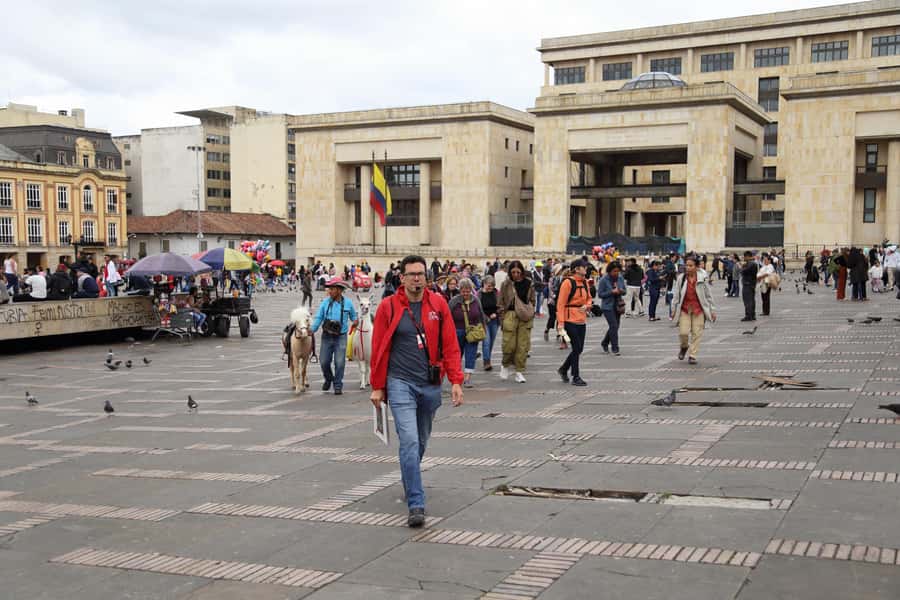
Another major thread is ties to drug cartels and the role of drug trafficking in shaping violence. The tour specifically mentions connections to national and international drug trafficking and the fight connected to that.
I like the way this topic is presented as part of the conflict ecosystem, rather than as a separate entertainment category. If you already know some popular names from documentaries, this tour helps you understand how trafficking can interact with political power struggles, armed groups, and state responses.
Do keep expectations grounded: you are on a history-and-conflict walking tour, not a deep crime investigation. The value is the conceptual link, so you walk away better able to connect causes rather than just absorbing anecdotes.
Liberal vs Conservative Supremacy and Why It Still Matters
The tour calls out the struggle for supremacy between Liberals and Conservatives, and it uses that as a repeating lens. That makes sense because Colombia’s conflict history is full of political identities, not only armed groups.
If you want an easy way to remember the story, treat it like this: competing political visions created tension. When institutions failed to settle disputes cleanly, violence became more likely. When conflict matured, armed actors and criminal networks could benefit from instability.
Even if the details change over decades, the logic of power competition tends to echo. You may find that after this tour, political discussions in Bogotá feel less like random shouting and more like arguments with a history behind them.
Guide Style That Keeps Heavy History Human
The guide quality is one of the standout factors, and the reviews reflect that. People highlighted the way specific guides, like Lorenzo, Hector, Santi, and Daniel, explain connections, answer questions, and keep the group engaged with clarity and humor.
What I find especially helpful is when a guide handles a difficult subject with a calm, structured approach. That is what you want for a tour like this, because the material includes riots, dictatorships, guerrillas, peace talks, and armed groups in the present.
There is also a balance to note. One review flagged that the current political context felt unclear at times. That tells me this tour works best when you arrive ready to ask questions and accept that time constraints will limit how much you can cover about any one current headline.
Price and Logistics: Value for $13, With Real Walking Costs
At $13 per person, this tour is priced as a budget-friendly way to get historical context that you would otherwise have to stitch together through multiple sources. You are paying for an English-speaking guide, a structured narrative, and a walking route across Bogotá’s historic center.
The tradeoff is effort. You walk about 9 km across roughly 150 minutes. That means your “value per hour” is high, but your body has to cooperate. If you’re traveling in shoes that are fine for coffee lines but not for long pavement time, you’ll feel it.
Also, it is not the kind of tour that includes drinks or food. Plan for hydration and energy. The tour specifically asks you to bring water or your preferred hydration method, plus sunscreen and a hat.
What Is Included, What You Pay For Elsewhere
Included in the tour is:
- An English-speaking guide
- Sightseeing of essential places in Bogotá’s historic center, framed in conflict history
- Accurate, objective knowledge with the stated promise not to take sides
- Recommendations of material to check out to keep yourself informed
- A wristband at the end that comes with benefits and discounts with recommended partners
Not included:
- Drinks, food, or souvenirs
- Transportation to and from your hotel
- Tickets or entrances, and they state they won’t take you to places with sudden extra charges
That last point matters because it reduces budget surprises. You still want to carry cash or card for your own snacks, water, or museum stops later, but the tour itself should stay predictable.
What to Bring, and What to Avoid
This is an outdoors walking tour, so bring the basics:
- Comfortable shoes (this is non-negotiable for 9 km)
- Water or your preferred hydration
- Sunscreen and a hat
- A camera if you like documenting streets, plaques, and contrasts
- A rain plan, since weather is unpredictable
The tour notes also say not to smoke, and not to bring alcohol or drugs. It’s the kind of tour where keeping a clear head helps you absorb the storyline.
One extra planning tip: keep your belongings even closer in crowded areas. The tour explicitly warns about the practical side of safety, not just the theoretical side of history.
Who This Tour Suits Best in Bogotá
This is a strong fit for you if you want:
- Context before you explore museums, neighborhoods, or local politics
- A shared, English-speaking explanation of conflict history
- A “walk with meaning” experience across Bogotá’s historic center
It might not be your best choice if:
- You need a very light, casual tour
- You struggle with long walking days
- You want only present-day political details and no historical groundwork
The tour also notes it is not suitable for children under 5. It lists “People with mobility impairments” and “Wheelchair users” as not suitable, even while it separately states wheelchair accessible. If mobility is a concern, contact the provider directly before booking so you understand how they handle your needs.
Should You Book This Bogotá Conflict History Tour?
If you want Bogotá to make sense beyond postcard views, I’d book it. The price is low for what you get: English guidance, a clear conflict timeline, and the effort to connect causes to the present. The best version of this tour is the one where you walk in with open curiosity, prepared shoes, and a few questions ready for the guide.
Book it if you enjoy political history with real-world context, and if you can handle a 9 km walking route in about 3 hours. Skip it if you want a short, relaxed tour with minimal walking, or if the topic feels too heavy for your current trip style.
FAQ
Where is the meeting point?
You meet right in front of the Museo del Oro with Beyond Colombia and their red umbrellas.
How long is the tour?
The duration is about 150 minutes, roughly 3 hours.
How much does it cost?
The price is $13 per person.
Is the tour in English?
Yes, the tour has an English-speaking guide.
Is transportation included from my hotel?
No. You’ll walk, with resting stops, and transportation to and from your hotel is not included.
Are tickets or entrance fees included?
No. Tickets or entrances are not included, and the tour says they won’t take you to places with sudden extra charges.
Is food or drinks included?
No. Drinks and food are not included.
What should I bring?
Bring comfortable shoes, a hat, a camera, sunscreen, and water (or your preferred hydration).
Are there any restrictions during the tour?
Smoking is not allowed, and alcohol and drugs are not allowed.
Is the tour wheelchair accessible?
The activity information says wheelchair accessible, but the not suitable section lists wheelchair users and people with mobility impairments. If you have accessibility needs, you should confirm details with the provider before booking.
Recently reviewed around Bogotá
- Visit and live a colombian coffee plantation (group tour)★ 4.5 · 4 reviews
- Villa de Leyva Food Tour at Sunset★ 5.0 · 4 reviews
- Private Coffee Tour in Cachipay★ 5.0 · 4 reviews
- Tour Nocturno de Tejo y Salsa en Bogotá★ 5.0 · 4 reviews
- Bike Tour in Bogota★ 5.0 · 4 reviews
- Hike to the Rocky mountains of Sutatausa Private Day Tour★ 5.0 · 5 reviews
- Andrés Carne de Res Chía: VIP Entry with Cover & Welcome Cocktail★ 5.0 · 5 reviews
- Salt Cathedral Tour along with the Legendary Lake Guatavita★ 5.0 · 5 reviews
Bogotá Tours, compared.
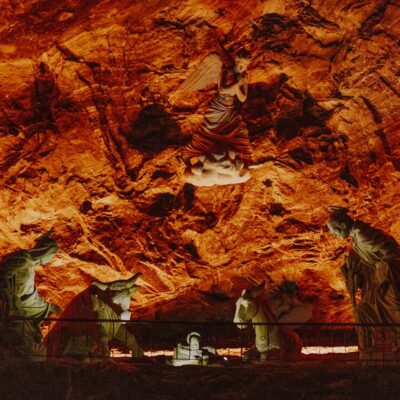
Zipaquirá: Salt Cathedral Group Tour with Pickup
Read our review →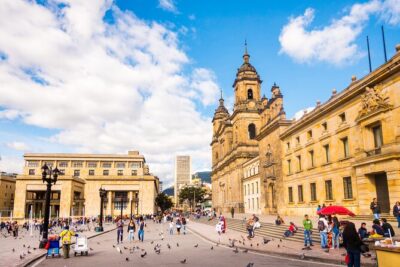
La Candelaria, Monserrate and Museums Bogotá Private City Tour
Read our review →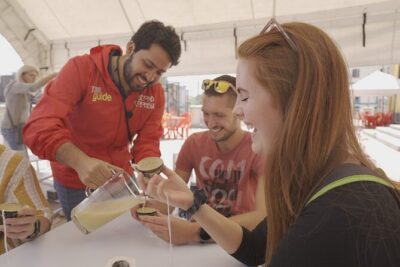
Shared Tour of the Historic Candelaria in Bogotá
Read our review →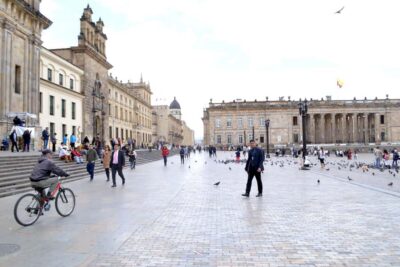
Graffiti Tour: a fascinating walk through a street art City
Read our review →