
Reviewed · SCUBA DIVING IN SAN ANDRÉS
San Andres: Scuba Diving Experience with Hotel Pickup
San Andrés is interesting underwater, because this trip mixes an easy starter setup with a real place you can study with your eyes open: the statue underwater museum at Big Mamá. You get a calm, structured intro that starts on land and then moves into clear Caribbean water where you can actually see what you are learning.
I especially like the hotel pickup that runs from anywhere on the island, plus the fact that you are not just handed gear. You get an instructor-led equipment walkthrough, then practice time so you can feel steady before you go down.
One consideration: this is not suitable if you are under 10, use a wheelchair, have mobility limitations, or have pre-existing medical conditions. Also, while instructors list multiple languages, some sessions may not be equally comfortable in English, so plan for simple communication.
Key Things I’d Watch For
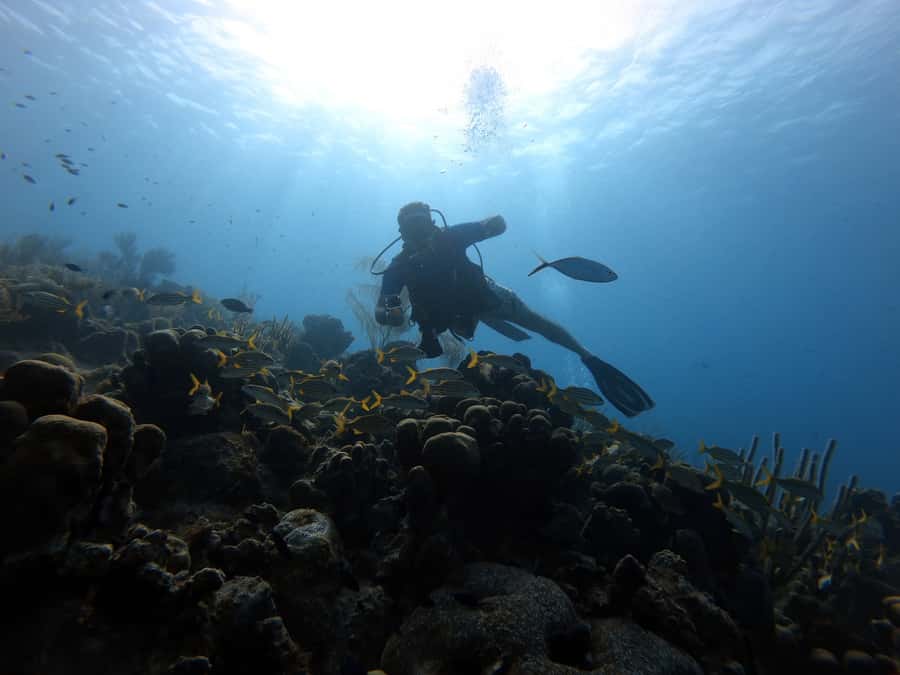
- Big Mamá first excursion: southwest side of San Andrés, with a maximum of 12 meters
- Practice before you go down: you work the equipment and underwater rules with an ADI instructor present
- Statues plus marine life: fish, corals, and museum sculptures are built into the experience
- Short, friendly timing: about 45 to 50 minutes in the water inside a total 3 hour outing
- You may meet instructors like Sami, Chris, Manuel Angarita, Isaac, Sebastian, or Juanita (language and teaching style can vary by instructor)
Why Big Mamá And The Underwater Museum Matter
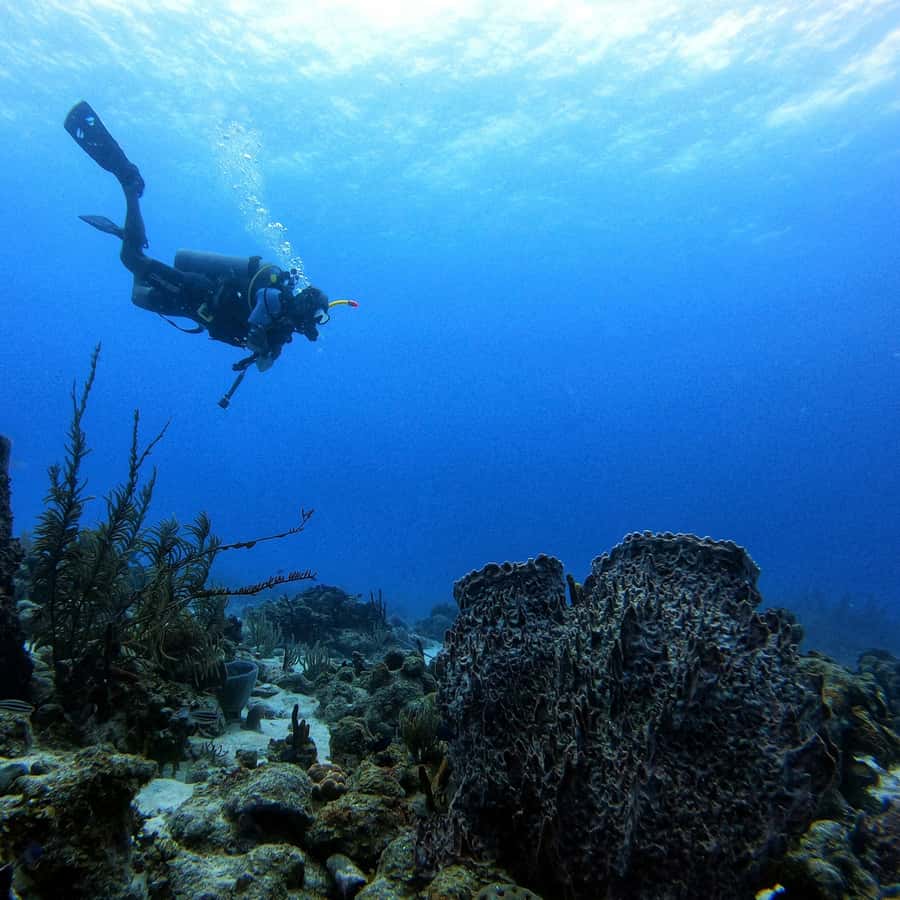
If you are doing your first scuba setup in the Caribbean, the location matters. Big Mamá is on the southwest side of San Andrés, and it is known for clear conditions and for that unusual bonus: the underwater museum of statues. Instead of only chasing fish, you also get fixed points to look at, which helps your buoyancy and focus when you are still new.
This tour is a smart fit because the water world here is visual. You can track what you are doing with landmarks under the surface. Statues also make photo and video results more consistent, since you have something solid to frame, not just moving wildlife.
Now, the practical side. The experience limits you to a maximum depth of 12 meters, which is deep enough to feel like real scuba, but shallow enough that first timers usually can stay relaxed. That balance is why this style of outing gets repeat bookings.
More Scuba Diving in San Andrés
- Private Diving Experience for Beginners in San Andres Islands
★ 5.0 · 176 reviews - Discovering Diving / Discover Scuba Diving (DSD)
★ 5.0 · 138 reviews - Aquanautas Helmet Diving in San Andres
★ 4.5 · 120 reviews
Hotel Pickup Turns This Into A Low-Stress Morning
A big reason I like this format is how it protects your time. The plan starts with pickup from any location on the island, then you ride to the dive shop. When you are new, you do not want extra logistics on your mind. No navigation. No guessing where to meet. You can just show up, get checked in, and focus on the training.
The outing then loops back the same way, with hotel pickup and drop-off included. For most people, that makes the whole thing feel like a tidy half-day activity, even though you spend only a portion of it underwater.
One more small point that makes a difference: the schedule is short. The full experience runs about 3 hours, so you are not giving up most of your day. That is helpful if you also want beach time, food stops, or a sunset walk on San Andrés.
The 3-Hour Flow: Training First, Then Your First Underwater Excursion
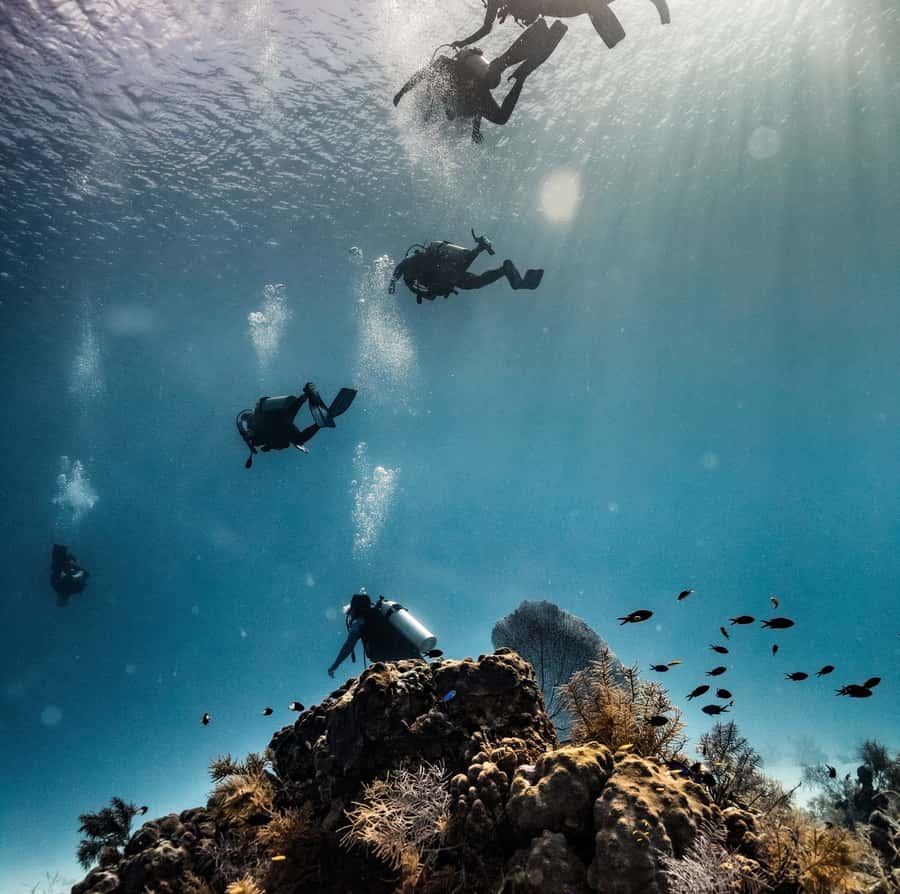
Here is how your time generally breaks down, and why each part matters.
1) Equipment briefing and underwater basics
You start at the dive shop with an instructor waiting for you. They give you a brief introduction focused on:
- how to handle the scuba equipment
- how to communicate underwater
- key SCUBA diving rules you need to follow
This part is not just lecture. It sets expectations for what you will feel. If you understand how the gear works and how communication is supposed to work, you tend to stay calmer once you hit the water.
More diving near San Andrés:
- 4 Hour Private Activity, Two Tank Diving in San Andres
★ 5.0 · 22 reviews - Diving for Beginners among Corals and Statues in San Andres
★ 3.5 · 7 reviews - Adventure Diving in San Andres for beginners 4 hours
★ 5.0 · 7 reviews - Under a sea of adventures, unforgettable diving.
★ 5.0 · 62 reviews
2) Hands-on practice so you can adapt
Next comes practical training. You will practice using the equipment and get time to adapt before your real underwater moment. That matters for first timers, because fit and comfort are everything: mask feel, fin placement, and how you manage your breathing while staying relaxed.
3) Transfer to Big Mamá for your water session
After training, you head to the southwest side of the island for Big Mamá. Then you begin your first underwater excursion in the clear water.
4) The water time: about 45 to 50 minutes
Your underwater session typically lasts 45 to 50 minutes, with a maximum depth of 12 meters. You are not going for hours. It is designed to be enough time to see wildlife and statues, without tiring you out or forcing you to rush.
5) Always guided
You stay accompanied by professional certified instructors. That continuous support is one reason people feel safe enough to enjoy the experience, not just survive it.
What You Learn Before Going Down (And How It Helps)
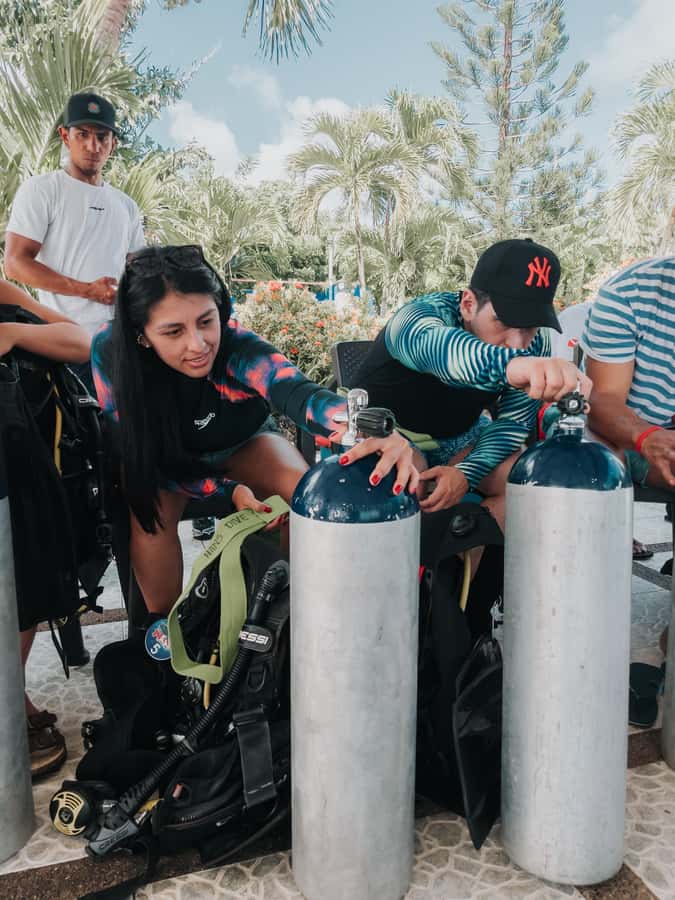
New scuba anxiety usually comes from one thing: not knowing what to do next. This tour reduces that by giving you clear steps and a structured order.
Before the water session, you cover how to handle equipment and how to use underwater communication. You also learn the important rules that keep the group safe. Then you practice long enough to make those rules automatic.
If you end up with an instructor like Sami, Chris, Manuel Angarita, Isaac, or Sebastian, the teaching style is often described as patient and reassuring. That kind of calm coaching matters, especially when you are nervous. In one case, the instruction used therapeutic, calming communication to reduce anxiety, and that can be the difference between enjoying your first time or feeling panicky.
Also, the experience includes a Discovery scuba certification. That is a strong value add, because you are not just doing a one-off water peek. You leave with a recognized outcome from a guided training program.
The Underwater Session At 12 Meters: Clear Water, Wildlife, And Statues
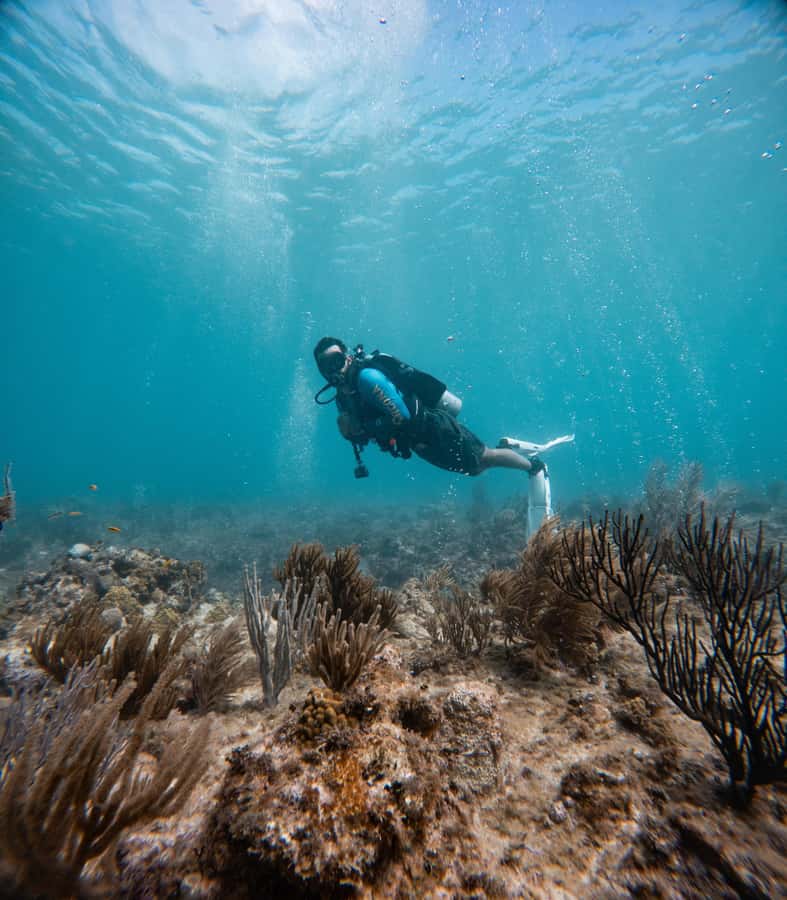
Once you are in the water, the plan is simple: stay within the maximum depth of 12 meters, follow your instructor, and enjoy the marine world.
You will be shown different life under the surface, including fish and corals, plus the statue museum pieces. For many first-time divers, the best part is not any single species. It is the feeling of noticing underwater behavior: fish moving around you, corals growing in clusters, and the statues creating a sense of place.
Clear visibility is a real advantage here. When the water is clear, you can check your position and your gear faster. You also get better sightlines to statues, so your time under the surface feels more complete.
There is also a practical reason depth and time are capped. At 12 meters, you can experience the underwater world without turning your oxygen management into the main event. You still have to focus, but the session is designed to let you look, not just concentrate.
Wildlife And The Statue Museum: Your Best Photo Targets
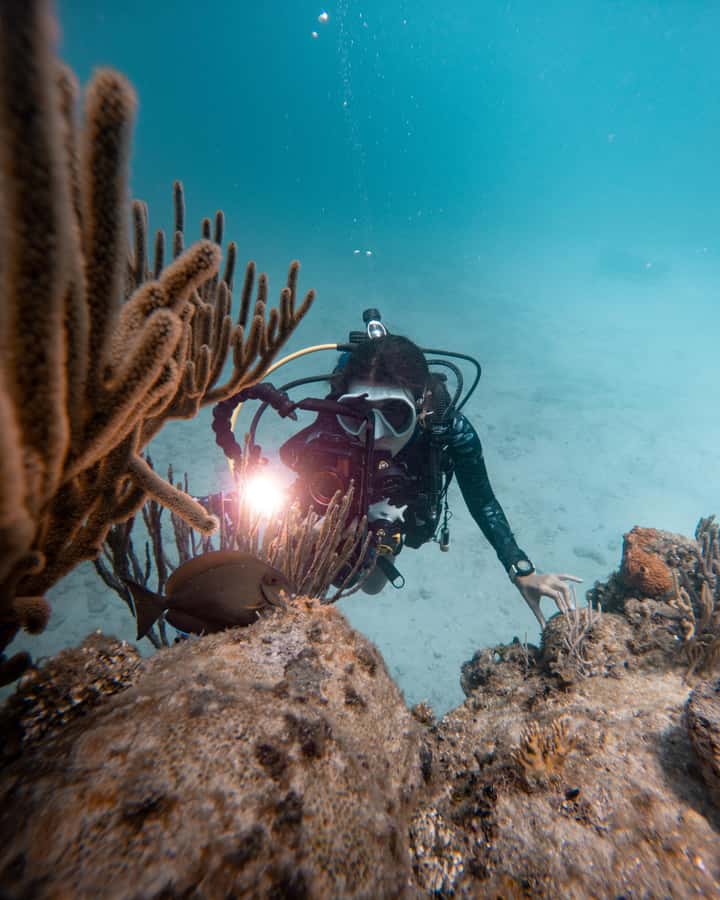
If you care about photos and video, this experience is set up for it. The statue museum gives you fixed objects to frame, which helps even if you are still adjusting to controlling your buoyancy.
Your instructor points out marine life like fish and corals, and you get time to look at the sculptures. This combo is why the experience feels different from basic snorkeling: you have a controlled gear setup and a reason to linger in the same area to observe.
There is also a photo and video option. Some divers recommend adding it because the photos and videos help you relive the moment. That said, in at least one account, the final images included the diver but not as many fish as expected, so I’d treat photo service as a nice extra, not a guaranteed wildlife highlight reel.
Price And Value: Is $50 A Good Deal
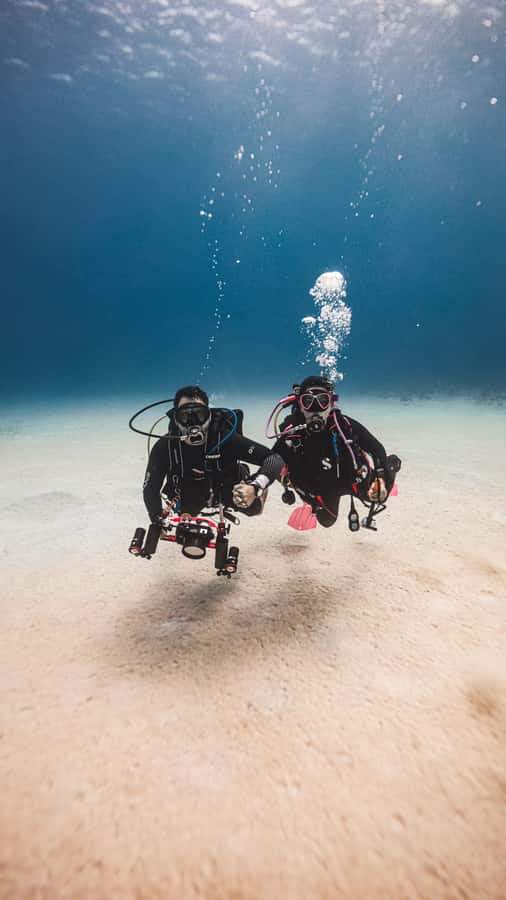
At $50 per person for a 3 hour outing with pickup, equipment, instructors, and a certificate, this can be strong value, especially if it is your first time.
Here is what you are paying for in practical terms:
- Hotel pickup and drop-off from anywhere on the island
- Scuba equipment like tank, mask, foot fins, and jacket
- ADI-certified instructors
- A guided underwater session of 45 to 50 minutes up to 12 meters
- A Discovery scuba certification
When you compare that to the typical cost of buying equipment or paying for separate lessons, the bundled structure is the value. You also save time by combining training and the water session in one coordinated trip.
The main way this could feel expensive is if you want lots of extra time in the water. This is a first-excursion style program, so it is short by design.
What’s Included Versus What You Should Bring
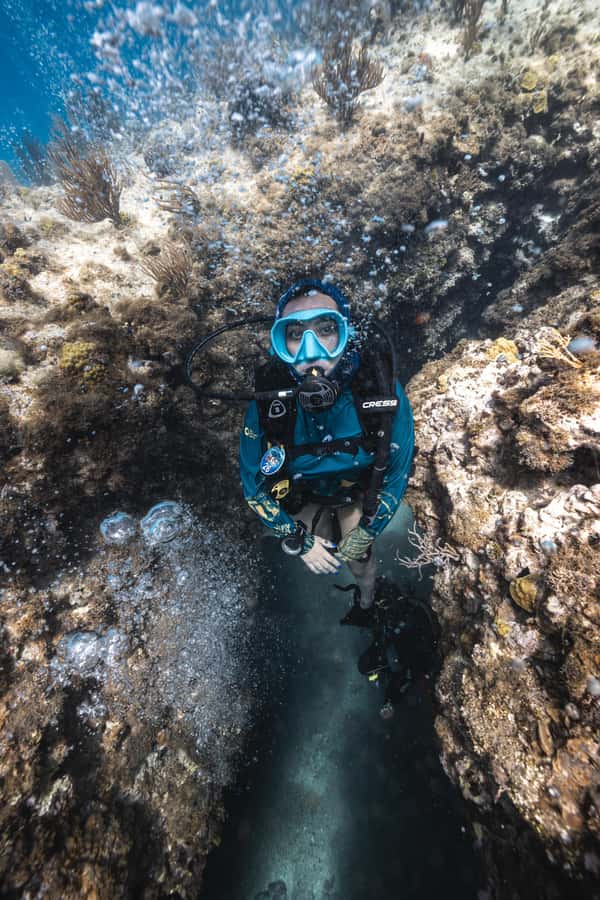
The included gear is enough to get you underwater: tank, mask, foot fins, and a jacket. You do not need to track down scuba basics on your own.
But there are personal comfort items you should plan for. One review specifically notes that a swimsuit and slip socks are not included, so if you do not want to run around at the last minute, bring them. Also, one diver recommends bringing a training shirt to wear with your gear, mainly for comfort.
What I recommend you pack:
- your swimsuit (and plan to change before pickup if you can)
- slip socks, if you have them
- a light top or training shirt if you want extra comfort
- a small towel and basic sun protection for before and after
Even if the day feels simple, you are still dealing with water, sun, and gear. Comfort items matter.
Language, Instructor Style, And Feeling Safe
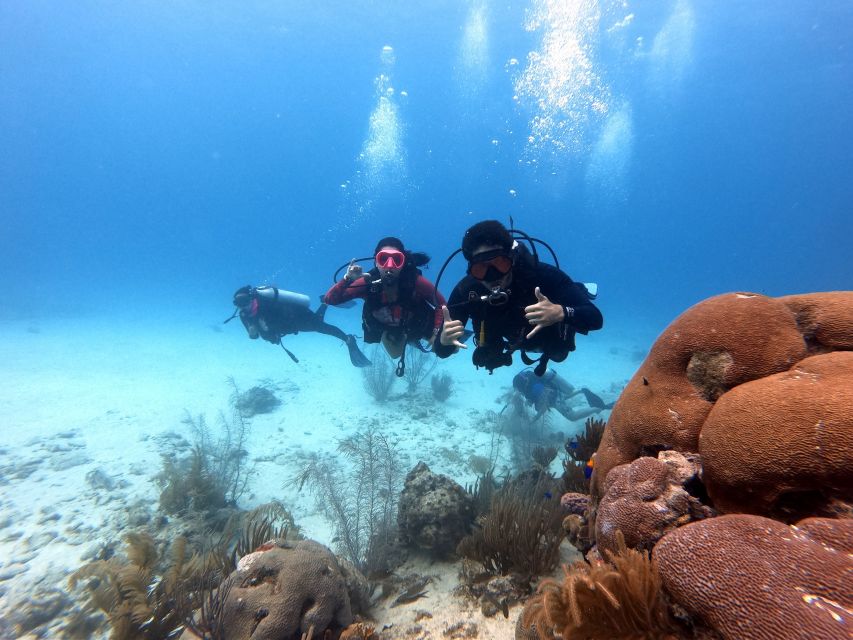
Instructors list multiple languages: Spanish, English, Portuguese, and German. That’s a plus, because you can choose a session that matches your comfort level.
Still, communication can vary by instructor. One account mentions not all instructors spoke English, which is a fair reminder. My advice: if you are English-speaking, plan to keep questions simple and listen for instructor hand signals and clear steps during training.
The strongest praise in the feedback centers on instructor patience and clarity. Names that came up include Sami, Chris, Manuel Angarita, Isaac, Sebastian, and Juanita. What they tend to share is a calm, structured approach that reduces confusion fast. For many people, that is the whole point of booking an intro course.
Who Should Skip This (And Who Usually Loves It)
This outing is not for everyone. It is not suitable for:
- children under 10
- people with mobility impairments
- wheelchair users
- people with pre-existing medical conditions
It is also wise to consider your comfort with training and basic equipment handling. If you know you do not want to practice gear use and follow rules carefully, you might find the structured setup stressful.
On the flip side, it is designed for beginners. Several accounts highlight first-time success, even for people who were nervous or did not think they could do it. That does not mean you should go in reckless. It means the training is paced, and the instructors actively coach you through the steps.
Travel Smarts: The 12-Hour No-Fly Rule
After the experience, there is one clear recommendation you should take seriously: do not fly on a plane at least 12 hours after your scuba session.
This is not the time to test shortcuts. If your itinerary includes flights the same day, you might be better off adjusting your schedule so you have time on land afterward.
Should You Book This San Andrés Scuba Experience?
If you want a first underwater experience that is short, structured, and focused on seeing marine life and the statue museum, I think booking makes sense. The key reasons are the pickup convenience, the ADI-certified instruction, the hands-on practice, the clear target depth of 12 meters, and the fact that you get a Discovery scuba certification rather than only a one-off swim.
I would skip it if you fall into the not-suitable categories, if you cannot meet the 12-hour flying recommendation, or if you know you need fully English instruction and cannot adapt.
If you are the kind of traveler who likes practical training and a real local underwater landmark, this is one of the better ways to spend a few hours in San Andrés.
Recently reviewed around San Andrés
- Private Transfer from San Andres Airport (ADZ)★ 4.0 · 4 reviews
- Full Day Tour to Jhonny Cay Island in San Andres★ 3.5 · 5 reviews
- Ponton Tour of the 5 Most Sightseeing Keys of San Andres★ 3.0 · 5 reviews
- Magical Sunrise on Private Pontoon at the Natural Aquarium★ 4.5 · 6 reviews
- Boat Experience in the Bay of San Andres Islands★ 4.5 · 7 reviews
- Diving for Beginners among Corals and Statues in San Andres★ 3.5 · 7 reviews
- Adventure Diving in San Andres for beginners 4 hours★ 5.0 · 7 reviews
- 1 hour of Wakeboarding on the beaches of San Andrés for 2 persons★ 4.5 · 8 reviews
Scuba Diving in San Andrés, compared.
Private Diving Experience for Beginners in San Andres Islands
Read our review →
Discovering Diving / Discover Scuba Diving (DSD)
Read our review →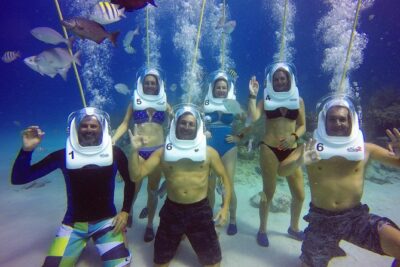
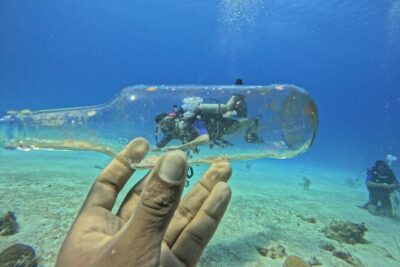
4 Hour Private Activity, Two Tank Diving in San Andres
Read our review →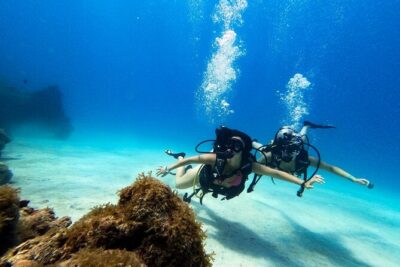
Adventure Diving in San Andres for beginners 4 hours
Read our review →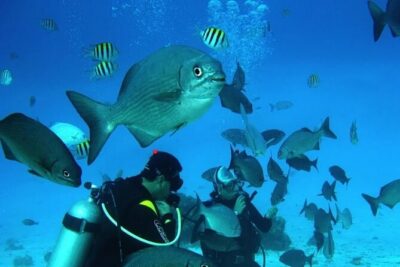
Diving for Beginners among Corals and Statues in San Andres
Read our review →Browse the lists this tour appears in