
Reviewed · CACAO FARMS
Private Cacao & Taironaka Tour on the Don Diego River
A private day on the Don Diego River in Colombia is interesting because you get three different kinds of travel in one loop: food and farming, ancient stonework, and jungle wildlife on the water. I like how the morning starts with Arhuaco cacao, not a staged chocolate story, and I like the way the day links that living culture to the nearby Taironaka site and then out to the river. The only real consideration is the pace and walking, so plan for a moderate fitness level and good shoes.
This is also a comfort-first setup. You get a true private experience for your group, with pickup offered and a mobile ticket, so you are not guessing or waiting around with strangers. One possible drawback: the day depends on good weather and it needs a minimum number of travelers, so it can shift if conditions are bad.
Key things to know before you go
- Private for your group, so you can ask questions and move at a human pace
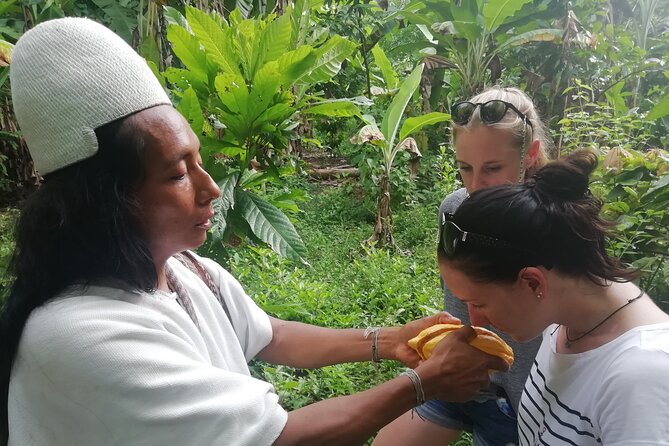
- Arhuaco cacao farm with handmade chocolate using local flavors
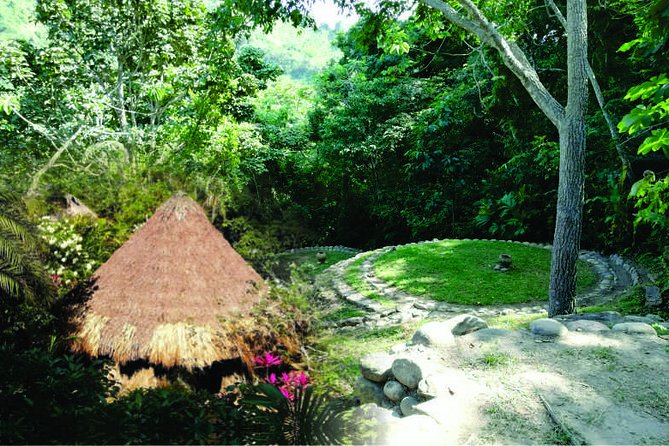
- Taironaka archaeology with stone paths, terraces, stairways, and drains to see how people lived
- Kogi connection that turns the ruins into a living cultural thread
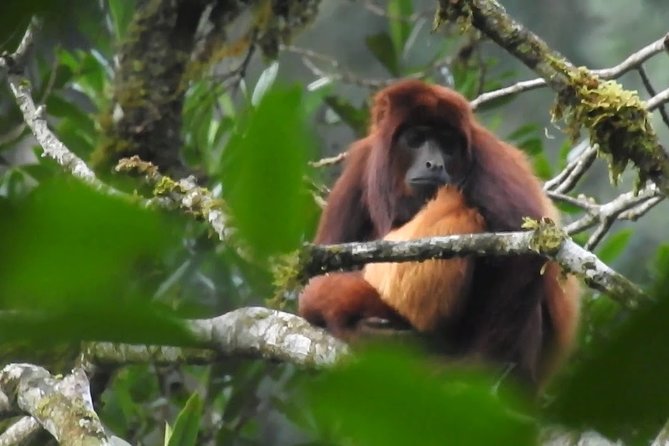
- Don Diego River float with chances to spot howler monkeys, birds, and possibly iguanas
- Lunch included, and it is a highlight after the morning walking
Why this cacao and Taironaka day makes sense
If you are in Riohacha and you want more than one type of highlight, this tour hits a smart mix. The morning is about cacao as a sacred, practical crop. Then you shift to archaeology at Taironaka, where the stonework and the museum context make the Tairona world feel specific, not vague. After lunch, the energy changes again with a river float where the jungle shows up in motion, with calls overhead and wildlife along the banks.
That structure is the main reason it works. Food, history, and nature do not feel like separate errands. They feel like a single story told in different languages, first with cultivation, then with community and place, then with the living ecosystem of the Don Diego.
It also helps that the day tends to be guided with personality. Guides like Martin are described as enthusiastic and punctual, and one departure even included photographer Andres. That matters because you are not just moving through stops, you are getting help noticing details you might miss on your own.
More cacao farms around Santa Marta:
- Cacao Experience Tour
★ 4.8 · 66 reviews - Trekking History and Indigenous Heritage in Minca + Cacao & Coffee + Waterfall
★ 4.9 · 63 reviews - Cacao and Coffee Tour
★ 4.5 · 24 reviews
Price and logistics: what $215 buys you
The price is $215 per person for a day that runs about 8 to 9 hours. In plain terms, you are paying for three things at once: private guiding time, access to major stops, and a full-day format that includes lunch.
Here is where the value shows up. Two of the three core segments list admission as included, and the cacao farm segment is marked as free for admission ticket. So while the total cost is not low, you are not just buying a long drive and a vague tour chat. You are buying an organized day with real time at the farm, time at the archaeological area, and time on the river.
Practical notes from the tour setup:
- Pickup is offered, which helps if you do not want to handle early transport on your own
- You get a mobile ticket, which keeps check-in simple
- It is private, so your group stays together and you are not waiting for others
The main logistics consideration is your schedule. Starting at 8:00 am means an early morning, and you should treat the rest of the day as a continuous block. Bring water habits you can keep, and plan on a relaxed evening after.
Stop 1: Arhuaco cacao on the Rio Don Diego farm
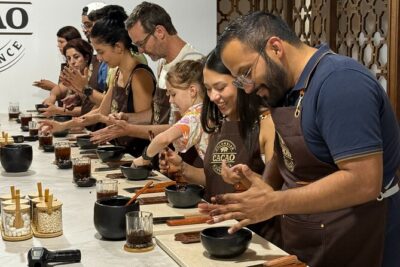
The day opens at the cacao farm connected to the indigenous Arhuaco people. This is not just about seeing chocolate trees and taking a couple of photos. You learn how cacao is cultivated under jungle shade, and the tour focuses on why cacao matters culturally, not only economically.
Then you get tasting, and that is often where tours either work or flop. This one leans into handmade chocolate with uncommon local flavors, which is a big deal if you have only had the standard supermarket version of cacao. Even if you are not a big chocolate person, tasting is how you understand the real point. Cacao is an ingredient, yes, but it also carries a way of thinking about land, time, and community knowledge.
One small but smart detail from a guide story: Martin has helped guests buy local crafts made from the fica plant and even advised on best prices. That is the kind of thing that can save you from overpaying or ending up with an item that is not what you think it is. If you want a plant-based souvenir, ask your guide what is fair and what to watch for.
Possible drawback at this stop: cacao farms can involve uneven paths and time in warm air. The tour asks for moderate physical fitness, so wear shoes that handle dirt and roots without drama.
Stop 2: Taironaka ruins, museum time, and how stone shows daily life
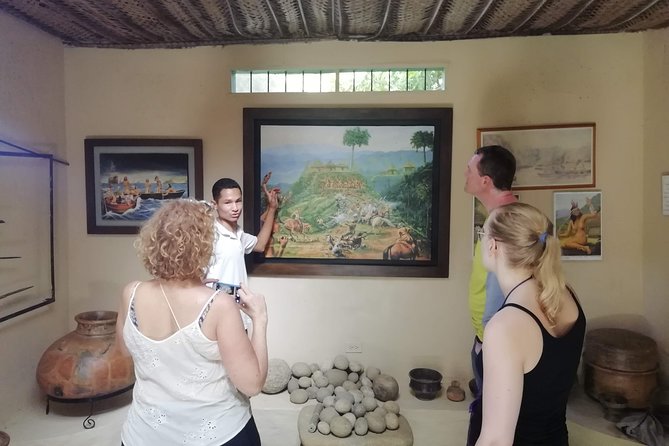
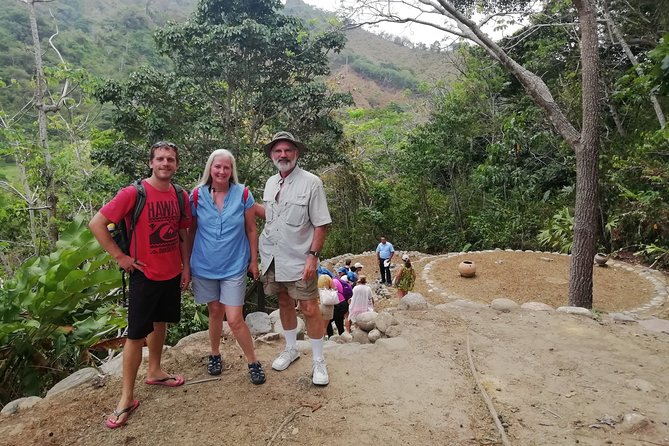
Next you move to Taironaka, located on the Don Diego River. This is an archaeological site tied to the Tairona civilization, and it is set up in a way that helps you picture daily life.
What you can expect here is real structure, not just walking through a big open area. You explore:
- a museum of artifacts
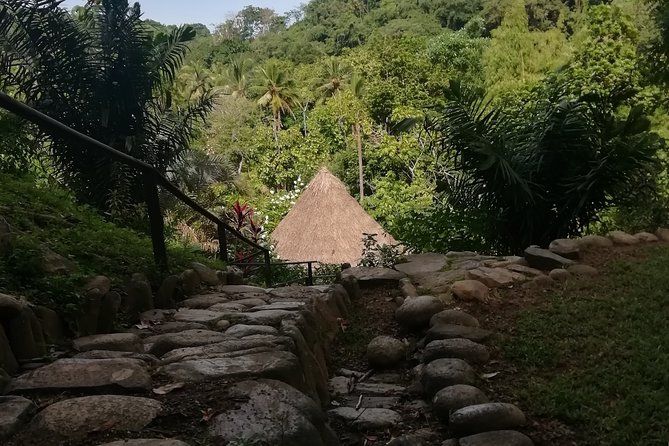
- restored stone paths
- terraces
- stairways
- drains
Those details matter because they give you something to hold onto. Drains and terraces are not just decoration. They hint at water control, farming logic, and how people managed slope and rainfall. When you see those elements in place, the ruins stop feeling like abstract “old rocks” and start feeling like infrastructure.
Another meaningful part is the cultural connection. The tour includes a chance to connect with the Kogi people, described as guardians of living heritage. Even if you do not go deep into a lecture, this is one of those experiences where the guide’s framing changes how you interpret everything you see. It turns the site into a conversation about stewardship, not only a museum piece.
Time-wise, this segment lasts about 3 hours. That is a good window. It gives enough room to take it slow, read what is there, and still move on without rushing through the most important pieces.
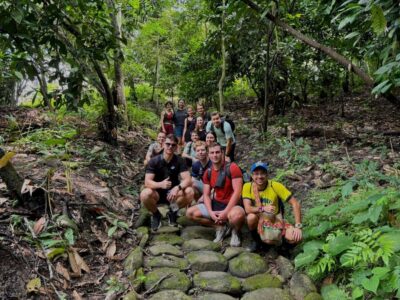
Consideration: you may do more walking than you expect, especially on restored paths and slopes. Pace yourself, and use the guided stops to catch your breath without falling behind.
A few more Santa Marta days worth comparing
- Hike for 4 days to the Lost City, Santa Marta
★ 5.0 · 3,308 reviews - Lost City – Ciudad Perdida Colombia
★ 5.0 · 1,203 reviews - Sailing to Tayrona with Luis and his team: Unique!
★ 4.5 · 448 reviews - Santa Marta: Sailboat day tour to Tayrona Park
★ 4.5 · 352 reviews
Stop 3: Don Diego River float for howler monkeys and birds
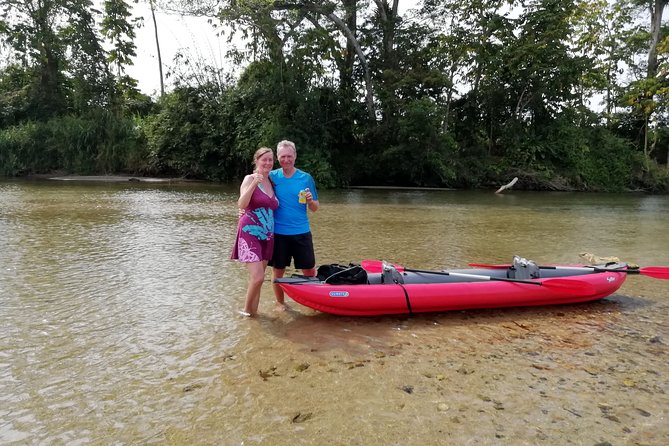
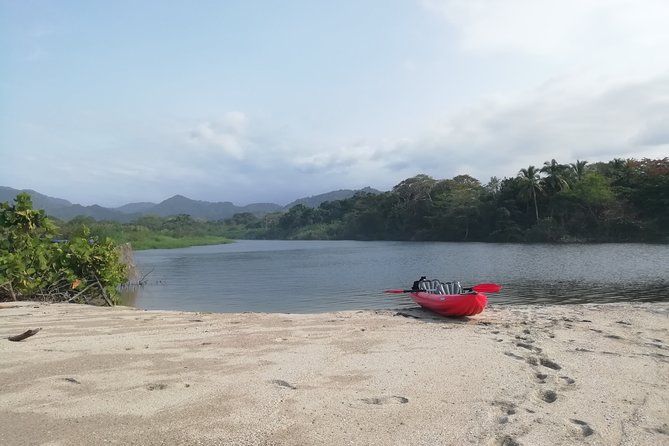
After lunch, the day shifts to the river. You head along the Don Diego River where you get jungle close-ups from the water. This is where the day turns from “learning” to “noticing.”
Wildlife is part of the expectation here. You might spot:
- howler monkeys in the trees along the riverbanks
- colorful birds in the air above
One review also mentioned iguanas, and that fits the general vibe of river-edge wildlife, but the key point is that the tour is designed around you looking for animals as you travel.
The river portion is listed as about 2 hours, and it tends to feel like the easiest part of the day physically. You are not hauling your legs across ruins. You are sitting, scanning, and enjoying sounds that you would not hear from land.
A weather note that actually matters: this is a good-weather experience. If conditions are poor, the tour can be canceled or offered on a different date. That is not just administrative policy. River travel and comfortable viewing depend on real-world conditions.
Also, keep your expectations flexible. Wildlife watching is never guaranteed, but the tour is built to maximize your odds by putting you in the right habitat at the right time of day.
Lunch and pacing: how the 8 to 9 hours usually flow
Lunch happens after the first two major stops, so you are feeding yourself before the river segment. That ordering is smart. It means you do not try to eat while you are still adjusting to jungle heat and the mental load of ruins and artifacts.
The lunch is described as very good, and that is not a throwaway comment. When a day is long, one solid meal can be the difference between “this is a lot of effort” and “I am fully in it.” You get local food, and you get to reset before the calmer river segment.
In terms of pacing, the whole day is designed like a rhythm:
1) farm learning and tasting
2) archaeology walk and museum context
3) lunch
4) river float wildlife time
That rhythm helps you avoid the common mistake of stacking too many intense stops back-to-back with no recovery.
Who this private tour suits best
This tour fits best if you like a mix of themes. You do not need to be a hardcore history buff to enjoy Taironaka, because the stone features are described in a practical way by the guide. And you do not need to be a bird watcher to enjoy the river, because your attention is guided toward howler monkeys and birds.
It also works if you want privacy. Because it is private for your group, you can handle photo stops without asking permission, and you can spend extra time on the details that catch your eye, like terraces, stairways, and the museum artifacts.
A few fit notes from the tour conditions:
- Moderate physical fitness is recommended
- Service animals are allowed
- You should be ready for a full working day, starting 8:00 am
If you are traveling with kids, it can still work well, especially if they are curious. One described departure included a 7-year-old joining the day, and the group vibe was energetic rather than stiff.
Tips to make your day smoother in the Santa Marta region
You do not need a survival kit, but a few practical moves help a lot on a day like this.
Wear shoes with grip. You will likely handle uneven ground on farm paths and at the archaeological area. Think traction, not style.
Use your guide for context, not just directions. Ask what each feature means, like why drains matter or what cacao cultivation looks like day to day. If your guide is Martin, there is real value in his suggestions, including how to approach local craft buying and pricing.
For the river segment, bring a habit for patience. Wildlife spotting is about scanning, listening, and taking it slow. When howler monkeys call, stop trying to multitask. Put your attention on the canopy and the riverbanks.
Finally, plan hydration and light layers. You are in a hot, humid type of environment most likely, and you are spending hours outdoors. Even if you do not feel hot at the start, you might feel it later.
Should you book this private Cacao and Taironaka tour?
Book it if you want a day that connects cultures and place through real activities: cacao tasting, walking through Taironaka stone layouts, and then a relaxing river float where wildlife is part of the plan. The biggest selling points are the structure of the day and the quality of guidance, with Martin described as enthusiastic and punctual, plus photographer Andres showing up on at least one departure.
Skip it or consider a shorter plan if you do not handle walking well. This tour asks for moderate physical fitness, and the archaeological area can mean more time on paths and slopes than you expect.
If you are deciding at the last minute, here is the simple call: if you want one memorable day that mixes food, history, and nature without feeling like three unrelated tours, this one is a strong match.
FAQ
Where does this tour take place?
It takes place in Riohacha, Colombia, with stops along the Don Diego River including the cacao farm area and the Taironaka archaeological site.
How long is the tour?
The duration is 8 to 9 hours (approximately).
What time does it start?
It starts at 8:00 am.
Is this a private tour?
Yes. It is private, meaning only your group participates.
Is pickup included?
Pickup is offered.
What kind of physical fitness is needed?
Travelers should have a moderate physical fitness level.
Are there admission tickets included?
Admission is listed as free for the cacao stop and included for the Taironaka stop and the river wildlife stop.
What is the cancellation policy?
You can cancel for a full refund if you cancel up to 24 hours in advance. The experience also depends on good weather, and if it is canceled due to poor weather, you will be offered a different date or a full refund. It may also be canceled if a minimum traveler number is not met, with a different date or full refund offered.
Recently reviewed around Santa Marta
- Private Boat Tour through Tayrona Park★ 4.0 · 4 reviews
- Santa Marta Beaches Private Boat Tour★ 5.0 · 4 reviews
- Magic Minca : Waterfalls, Cocoa Workshop and Coffee From Santa Marta★ 4.5 · 5 reviews
- Private transportation from Santa Marta to Barranquilla airport★ 5.0 · 5 reviews
- Discover Minca★ 4.0 · 5 reviews
- Friday Night Bar Crawl in Santa Marta, Colombia★ 5.0 · 5 reviews
- Private transportation from Santa Marta to Minca police station★ 5.0 · 5 reviews
- Santa Marta to or from Cartagena Private Transfer★ 5.0 · 5 reviews
Cacao Farms, compared.
Colombian Cacao Experience | Chocolate Tour | BOOK NOW!
Read our review →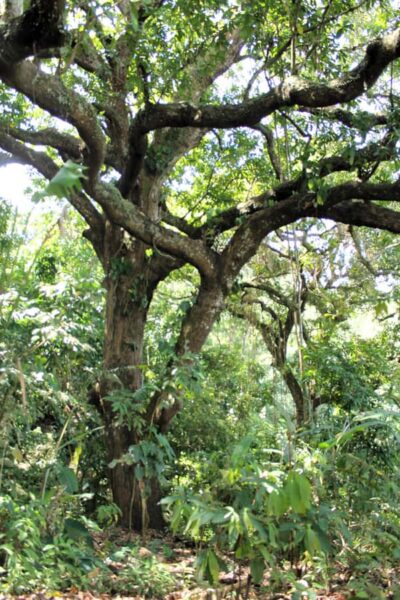
Trekking History and Indigenous Heritage in Minca + Cacao & Coffee + Waterfall
Read our review →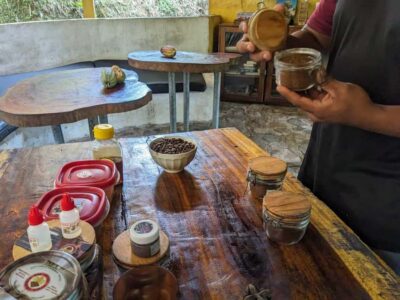
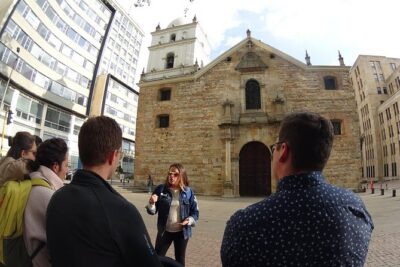
Bogota Kickstart Tour: Candelaria + Cacao & Coffee Experience •4h
Read our review →
VIP Bogota Food Tour: Farmers Market, Arepas, Cacao, Lunch, Beer
Read our review →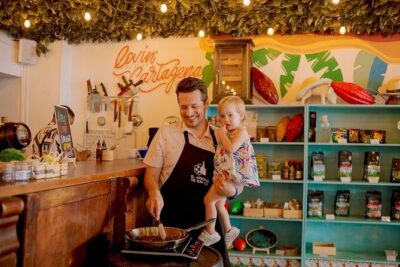
Amazing Colombian Chocolate and Cacao Workshop in Cartagena
Read our review →
Browse the lists this tour appears in