
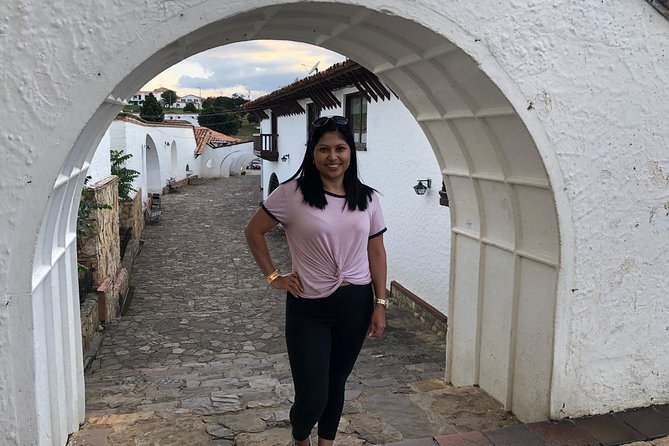
Reviewed · GUATAVITA LAGOON
Guatavita Lake – the Legend of “El Dorado”
A visit to Laguna de Guatavita turns the El Dorado legend into something you can actually see, walk toward, and learn about. What makes it special is the combination of real Muisca culture storytelling and the dramatic high-Andes hike with viewpoints over the lake. I love the way the tour brings the legend down to earth through the guide’s family link to the Muisca, and I love getting multiple chances to stop, look, and take in the changing nature around the water.
One consideration is the effort. You’ll climb about 130 meters (426 feet) of stairs to reach viewpoints, but there are breaks along the way, so plan for moderate stamina and steady shoes.
Key highlights
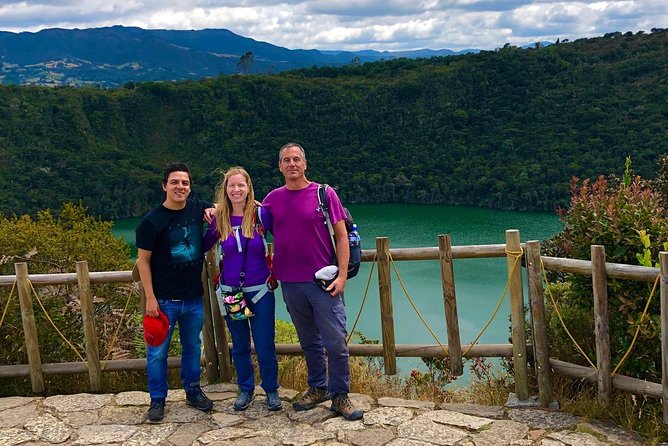
- Up-close El Dorado setting at Laguna de Guatavita, where the legend becomes a real place
- Culture-led guidance from a guide descended from the Muisca, with translation and extra context
- A stair climb with plenty of pauses, about 130 meters total, not a nonstop grind
- Páramo plant spotting as the vegetation shifts from Andean cold-weather zones to páramo, including frailejón
- Small group feel with a maximum of 3 travelers and time built in for relaxing breaks
- Guatavita town time for handicrafts, plus lunch time and a local-area dessert
Why Laguna de Guatavita Feels Like El Dorado, Not a Poster
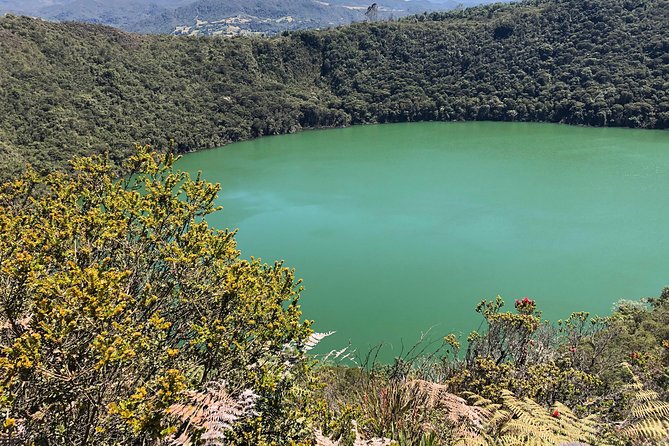
Let’s be honest. El Dorado can sound like a bedtime story. This tour makes it feel more grounded. You leave Bogotá for a day trip that focuses on a single place tied to the Muisca world, then builds outward to the town of Guatavita. That structure matters because you don’t just get a quick look at water. You learn what people believed, then you walk the terrain that shaped daily life in this region.
The best part is how the guide frames the day. He’s a direct descendant of the Muiscas culture, and his presentation connects the lake to the people of the Bogotá Valley. You also get translation plus added notes from the host, which helps the explanations land in plain language instead of turning into a lecture you half-follow.
More trips out to Guatavita:
- Bogota: Guatavita and Salt Cathedral Daily Group Tour
★ 4.7 · 615 reviews - Bogota: Zipaquirá Salt Cathedral and Lake Guatavita Day Tour
★ 4.8 · 551 reviews - Route of the 7 Treasures of El Dorado – Guatavita and Zipaquirá
★ 4.5 · 444 reviews
Getting There From Bogotá With an 8:00 am Start
The tour kicks off at 8:00 am. You’ll travel by air-conditioned vehicle, which is a nice way to start the day because the weather around Bogotá can change fast. The meeting point is near public transportation, so even if you arrive on your own, you’re not totally stuck.
I like that the tour keeps the group small, with a maximum of 3 people. That usually means you get more chances to ask questions and get quick adjustments if someone is feeling the altitude or the stairs more than expected. If you’re the type who gets annoyed by packed buses and speed-walk crowds, this setup is a relief.
Stop 1, Laguna de Guatavita: Muisca Culture Meets a Real Stair Climb
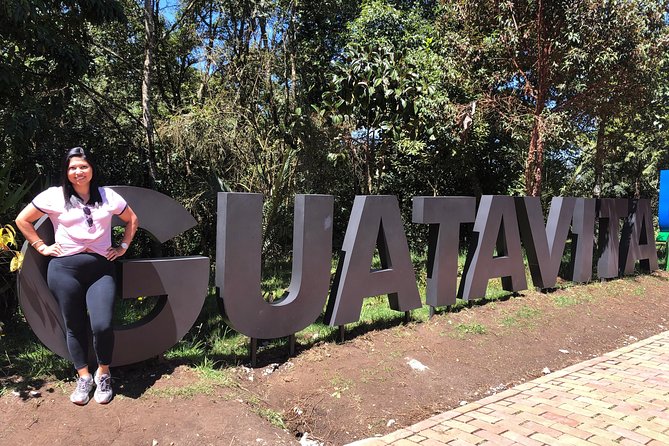
This is the heart of the day, and it’s where the experience earns its reputation.
First, you enter the natural reservation
After arriving, you walk into the Guatavita natural reservation. The guide explains his native culture and the connection to the Muisca lake world. I like this pacing because it starts with context, not just scenery. When you later look at the lake colors, bird activity, and the high-altitude plants, you have a mental hook for what you’re seeing.
There’s also a practical element: your host does translation and adds extra information. You’re not left guessing what you’re hearing or why it matters.
A few more Bogotá days worth comparing
- Bogotá Bike Tour
★ 5.0 · 3,329 reviews - Bogota: Bicycle City Tour
★ 4.9 · 2,156 reviews - Zipaquirá: Salt Cathedral Group Tour with Pickup
★ 4.8 · 1,606 reviews - La Candelaria, Monserrate and Museums Bogotá Private City Tour
★ 5.0 · 1,567 reviews
Then, a relax time before the stairs
Before the climb, you get some relaxed time. That matters more than you might think. Even with breaks later, a calm start helps your body settle before the stair section.
The stairs: about 130 meters total, with stops along the way
The stair climb is roughly 130 meters (426 feet). You do not just charge straight upward. The route includes several stops, so you can catch your breath, take photos, and keep the hike enjoyable rather than punishing.
If you’re comparing this to an all-day trek, think more like a moderate uphill climb with multiple resting points. If you know your knees get cranky on steps, bring trekking poles if you have them, and pace yourself. The tour is doable, but it’s not designed for a casual stroll pace.
Viewpoints over the lake, plus birds
Once you finish the stairs, you reach the first lake viewpoint. This is one of the strongest moments of the day because you can appreciate the lake water and color from a proper angle, not from a distant overlook.
You’ll also have a chance to listen for birds and sometimes spot them. It sounds small, but bird activity is a big part of high-Andes experiences. If you take a minute to slow down, you often get more out of the view than just grabbing pictures.
The vegetation shift: Andean cold-weather zone to páramo
As you continue walking, the vegetation changes. You move from an Andean cold-weather feel (similar to Bogotá’s climate) into the páramo, the Andean moor system with its tough, adapted plants.
One plant highlight is frailejón, described here as thick, soft-leaf plants that can look like a rabbit ear shape. You’ll hear that frailejón grows in specific Andean countries, listed as Ecuador, Peru, and Venezuela. Even if you’re not a botanist, you’ll learn how the plant signals you’ve entered a different ecosystem with different survival rules.
After about 90 minutes of walking, you exit the lake area. It ends well, not with fatigue, but with a sense that you moved through zones instead of walking in circles.
A food moment: muisca food like corn cob
Right after the walk, you get to eat Muisca food like corn cob. I like this because it’s not just a snack. It’s a small cultural step that ties back to the guide’s storytelling and the agriculture of the Bogotá Valley world.
Stop 2, Tominé Reservoir: A Short Break With Big Views
Next is Tominé Reservoir. This stop is brief, about 5 minutes, and it’s designed as a viewpoint pause.
You’ll enjoy views of the Andean mountains and the reservoir, which works like a pressure release after the main hike. It’s not a long detour, so it won’t drain your energy. It also helps you see that this region is not just one lake. Water here is a whole system and a major resource for the area.
Stop 3, Guatavita Town: Handicrafts, Lunch Time, and a Local Dessert
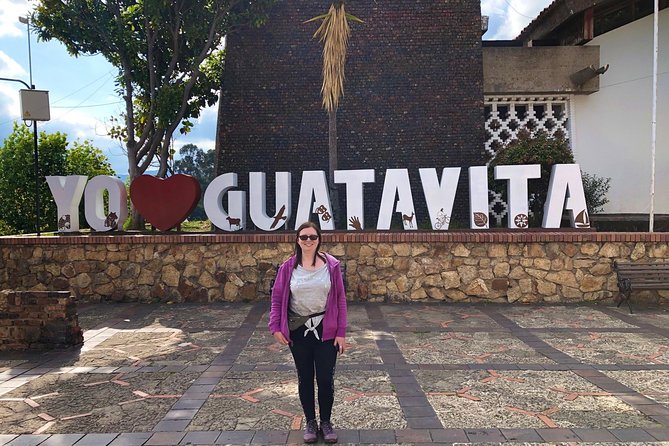
Then you head to Guatavita town. A key detail here is that the town was founded in 1967. That gives you a modern anchor after the ancient-feeling lake setting.
You’ll have time to buy Colombian handicrafts. This is one of those parts I recommend you treat as browsing time, not a frantic shopping mission. With a small group and a set schedule, you can move calmly through craft stalls and pick things you genuinely like, rather than being pressured at the end.
Lunch is on the plan, and you’ll also get a chance to taste a special dessert of the area. The tour notes that lunch is not included, so think of it as your budget moment. The dessert is part of the experience flow, but don’t assume you’ll be covered for everything during lunch unless you confirm what’s included when you book.
Price and Value: Why $85 Can Make Sense Here
At $85.00 per person, you’re paying for more than transportation. This tour bundles several items that would otherwise add up:
- Air-conditioned vehicle
- Bottled water
- Snacks with typical Colombian products
- Entrance to Guatavita Lake
- Waterproof ponchos during the tour
This is one of the better values in Bogotá area day trips when you care about a guided, structured hike. The entrance ticket alone costs extra, and the ponchos matter because weather in the Andes can turn quickly. You also get the culture-led component, which is hard to replicate if you go totally independent.
The only cost gap is your meals. Breakfast and lunch are not included, and soda/pop is also not included. Plan to spend a bit at lunch or budget for your own food choices during town time.
For me, the value comes from the mix of guided interpretation plus the physical activity in a real reservation setting. You’re not just watching from a car window.
Weather, Clothing, and the Poncho Plan
Because you’re in the high Andes and part of the day involves stairs and open-air walking, rain can be a real factor. The tour provides waterproof ponchos, which is genuinely helpful because it means you don’t have to hunt for gear at the last minute.
Still, don’t treat the poncho as a magic force field. You’ll want:
- Comfortable shoes with grip for stairs and potentially wet ground
- A light layer for cooler páramo air
- A way to keep your phone and camera dry
If you get cold easily, bring an extra top. The tour mentions the first part feels like Bogotá’s climate, then shifts into páramo conditions, which can feel different even when the air temperature doesn’t scream.
Who This Tour Fits Best (and Who Should Rethink It)
This is for people with moderate physical fitness. The stair climb is about 130 meters, and while you stop several times, you’ll still be walking uphill and spending time outdoors.
The tour also has age guidelines: it’s not recommended for children under 5 and not for seniors 65 years and more.
You’ll likely enjoy it most if you:
- Want a day trip with both culture and nature, not just one or the other
- Like small-group tours where questions are welcome
- Are comfortable with a hike that includes stairs
If you hate uneven footing or you know stairs are a deal-breaker for your body, you might want to consider a different outing focused only on easier viewpoints.
The Small-Group Advantage: Time to Ask, Pause, and Enjoy
A maximum of 3 travelers is not a random detail. It changes the vibe of the day. It means your guide can slow down for the group, point out birds or plants at the right moment, and keep the pace comfortable.
In practical terms, it also means the culture storytelling does not feel like it’s being rushed. You get more conversational space, and that makes the Muisca connection easier to understand.
And you’ll notice that the tour schedule includes relax time before the stairs and multiple stops during the climb. That design makes the experience feel like a real day with flow, not a forced checklist.
Should You Book Laguna de Guatavita and Guatavita Town?
I’d book this tour if you want your El Dorado idea paired with real context and a hike that actually takes you into the reservation experience. The combination of Muisca descendant storytelling, a viewpoint-driven climb, and practical support like waterproof ponchos, water, and snacks is strong value for the money.
Skip it if stairs are a problem for you, or if your ideal day trip is all flat walking and zero effort. Also be honest about meal planning since breakfast and lunch are not included, so you’ll need a little extra budget and time for eating during town stop.
If your goal is a meaningful Bogotá-area day trip that doesn’t feel generic, this is a smart pick.
FAQ
What does the tour cost and what’s included?
The tour costs $85.00 per person. It includes an air-conditioned vehicle, bottled water, snacks with typical Colombian products, entrance to Guatavita Lake, and waterproof ponchos during the tour.
How long is the experience?
The tour runs about 7 to 9 hours.
What time does the tour start?
The start time is 8:00 am.
Is there an entrance ticket for Laguna de Guatavita?
Yes. Entrance to Guatavita Lake is included.
How much walking and climbing is involved?
You’ll walk into the Guatavita natural reservation and climb stairs of about 130 meters (426 feet) to reach viewpoints. The hike includes several stops along the way, and there is also about 90 minutes of walking before you exit the lake.
What should I do about rain?
The tour provides waterproof ponchos during the tour, and the climate can be variable since you move between Andean cold-weather conditions and páramo areas.
Who shouldn’t take this tour?
The tour is not recommended for children under 5 years and for seniors 65 years and more. It also requires travelers to have a moderate physical fitness level.
Is free cancellation available?
Yes. You can cancel for a full refund up to 24 hours before the experience’s start time. Cancellation less than 24 hours before does not refund the amount paid.
Recently reviewed around Bogotá
- Visit and live a colombian coffee plantation (group tour)★ 4.5 · 4 reviews
- Villa de Leyva Food Tour at Sunset★ 5.0 · 4 reviews
- Private Coffee Tour in Cachipay★ 5.0 · 4 reviews
- Tour Nocturno de Tejo y Salsa en Bogotá★ 5.0 · 4 reviews
- Bike Tour in Bogota★ 5.0 · 4 reviews
- Hike to the Rocky mountains of Sutatausa Private Day Tour★ 5.0 · 5 reviews
- Andrés Carne de Res Chía: VIP Entry with Cover & Welcome Cocktail★ 5.0 · 5 reviews
- Salt Cathedral Tour along with the Legendary Lake Guatavita★ 5.0 · 5 reviews
Guatavita Lagoon, compared.
Zipaquirá Salt Cathedral and Lake Guatavita Day Tour
Read our review →
Route of the 7 Treasures of El Dorado – Guatavita and Zipaquirá
Read our review →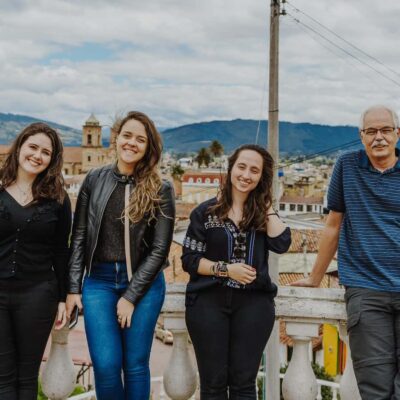
Zipaquirá Salt Cathedral & Guatavita Trip with Pickup
Read our review →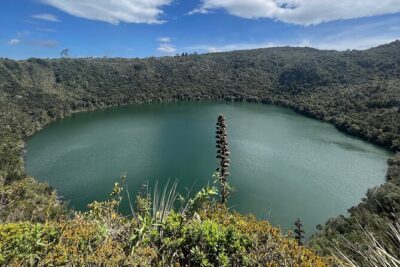
New & Cheapest ZIPAQUIRA & GUATAVITA LAKE Visit 5 Sites/PICKUP
Read our review →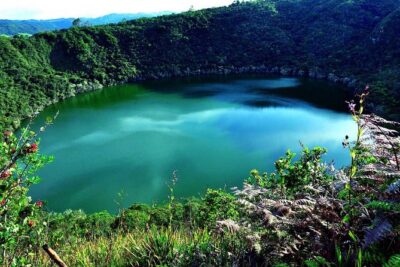
Zipaquira Salt Cathedral and Guatavita Lagoon from Bogota (Private Tour)
Read our review →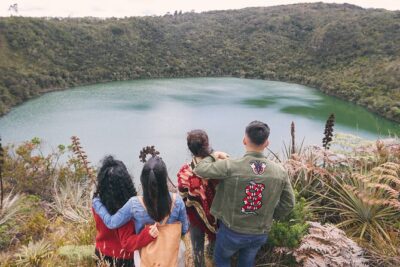
Shared Tour Zipaquirá Salt Cathedral and Guatavita Lagoon
Read our review →
Salt Cathedral of Zipaquirá & Lake Guatavita: Private or Shared
Read our review →Browse the lists this tour appears in