
Reviewed · WALKING TOURS
Comuna 4 Walking Tour Medellin
This Comuna 4 walking tour is interesting because it tells the story of Medellín’s transformation from the inside, in plain street-level terms. I especially like meeting Gladys, a resident connected to the neighborhood’s lived past, and hearing the transformation debate that you do not usually hear in the typical highlight reels.
I also like that the route ties big topics to specific places you actually stand in, from the origins of Barrio Moravia to community resistance, health access, and the local education and strata system. One possible drawback, the tone can get heavy, since you spend real time on challenges like displacement pressure and unequal access to welfare, not just murals and photos.
What You Really Experience in Moravia
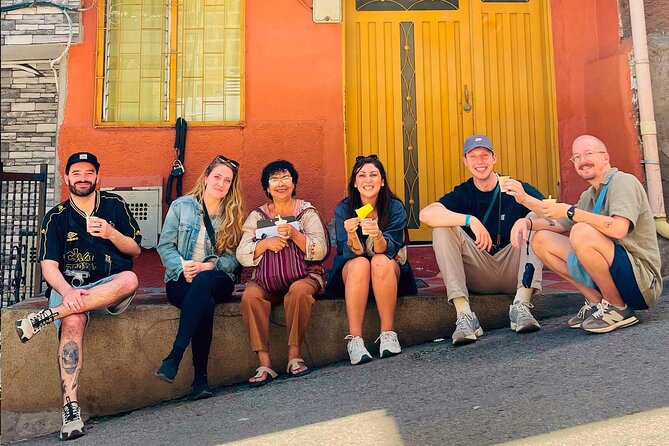
This is a 3 hours 30 minutes walking tour through Moravia in Comuna 4, in Medellín, led by a professional bilingual guide plus a local community leader or ambassador. The group stays small, with a maximum of 8 people, which matters here. You will not feel herded past stops, and you can actually ask questions or listen to side explanations when the guide and the community speaker choose to share them.
Price is $35 per person, and that includes a snack. When you look at what is included, the value comes from the people. You are paying for access to context, not just a route.
And yes, there is walking. The tour goes through several community spaces and a few cultural and social stops. The best way to enjoy it is to keep your expectations grounded. Think of this as a structured conversation on what Medellín’s changes have cost and what locals have built in response.
Meet at Metro Caribe, Then Get Oriented Fast
The tour starts at the meeting point in Barrio Transformation Tour, Av. Regional #Calle 78, Castilla, Medellín. From there, you meet up at Estación Metro Caribe with the guide and the community ambassador.
The first stop is short, about 30 minutes, but it sets the frame. You get historical context for Barrio Moravia, including its origins in the 1960s as an illegal neighborhood. Then the guide walks you through one version of the transformation of Medellín, the kind you often hear as a success story.
This matters because it primes you for what comes next. If you only learn the headline version, the later conversation about resistance will feel confusing. This start makes it easier to follow the logic of why families pushed back for years.
Practical note: since the start is near public transportation, you can plan to arrive on your own time without needing a hotel pickup. The tour itself does not include that.
More Walking Tours in Medellín
- Medellin Historic Walking Tour with Expert Guide
★ 5.0 · 399 reviews - Medellin Historic Walking Tour
★ 4.9 · 86 reviews - 2-Hours Street Art Walking Tour in Medellin Comuna 13
★ 5.0 · 54 reviews
The Other Side of Transformation at Morro de Moravia
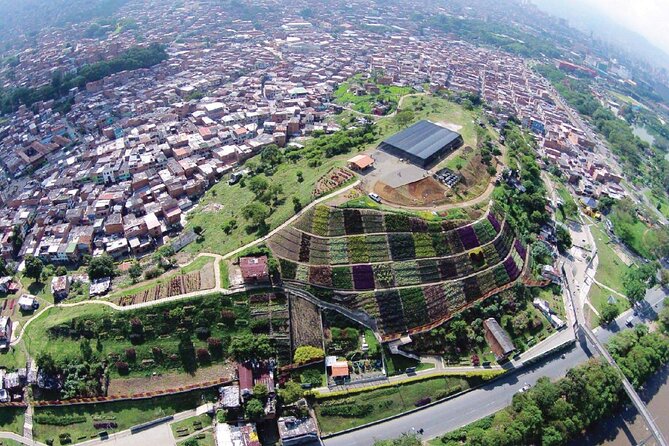
After orientation, you move to Morro de Moravia for about 45 minutes. This is where the tour shifts from general history into the lived argument over what Medellín’s changes looked like at street level.
You visit La Resistencia de Moravia, and you hear about the other side of transformation, specifically the version that is often not told in mainstream telling. The key point here is why hundreds of families resisted for more than a decade the reallocation plan set by the government.
To understand why that is so important, you have to notice what the tour does. It does not just say the plan happened. It asks you to consider what relocation means when you build your life in one place, create routines, depend on nearby networks, and then face the possibility of being moved. Even if you do not fully agree with every detail, you come away understanding how displacement pressure can feel less like progress and more like erasure.
This stop is also a reminder that “transformation” can mean different things to different people. The tour intentionally holds that tension in your hands.
Health Care, Street Vendors, and a Reality Check
Next is Centro De Salud Moravia El Bosque, about 30 minutes. Here the guide brings you deeper into the neighborhood and gives you a quiet moment to sit and talk.
The conversation centers on the Colombian health care and welfare system and why you still see so many street vendors. The guide connects this to access gaps, explaining how even with a welfare system in place, almost half of Colombians do not have access to it.
That sounds like a statistic, but on this walk it becomes a real-world contradiction you can see and discuss. You also get a better sense of the daily survival economy: people do what they need to do while systems try to catch up. It is one of the most practical stops on the tour because it helps you interpret what you see around you without guessing.
If your travel style is more “explain the signs and the streets,” this is one of the strongest moments.
Football Culture at Cigarreria La Plaquita
Then you hit cigarreria la plaquita for about 10 minutes, and it is a quick, sharp cultural stop.
You see graffiti dedicated to the most important football (soccer) teams of the city, and you talk about what soccer means in Colombian society. For a lot of visitors, this is the first time soccer stops being “a game” and starts being a social language.
Notice how it functions in the tour. It is not random decoration. It is community identity, a public marker of belonging and pride. You get to talk about why that matters in a neighborhood where daily life already carries pressure.
This stop is brief, but it is memorable because it gives you a lightness without ignoring anything. It is culture in front of you.
A different kind of day out of Medellín:
- Medellin: Comuna 13 Graffiti Tour, Cable Car & Street Food
★ 4.8 · 9,046 reviews - Comuna 13 Graffiti Tour with Street Food
★ 5.0 · 7,503 reviews - Guatapé Tour: Piedra del Peñol with Boat Tour, Breakfast, Lunch
★ 5.0 · 7,035 reviews - Day Trip To Guatapé with ,Breakfast, Lunch and Boat Ride
★ 5.0 · 2,996 reviews
Fundación Oasis Urbano: Education and the Strata System
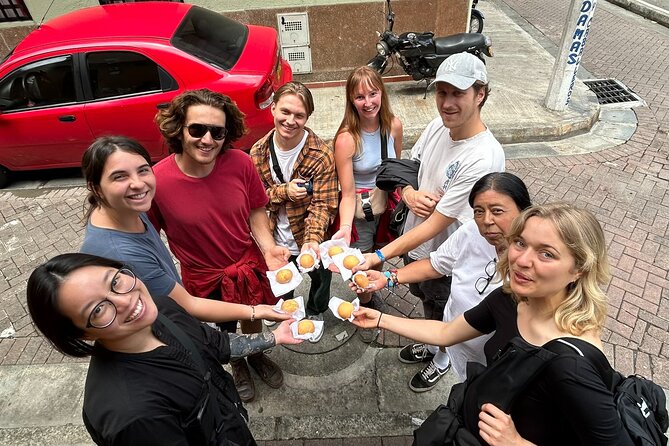
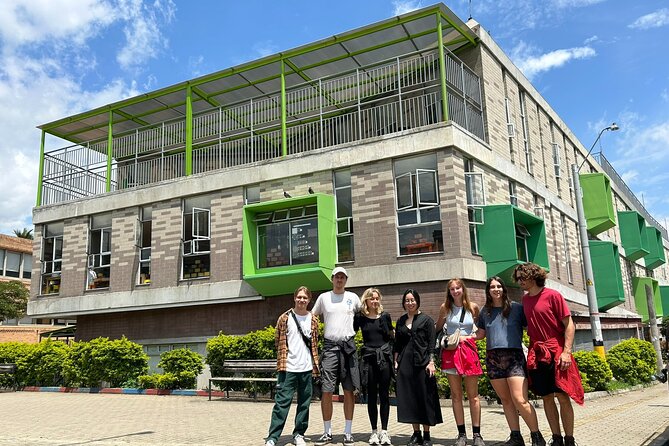
After that, you sit again in the shade of the trees in front of Fundación Oasis Urbano and explore education and the strata system in Colombia. The time here is short, but the topic is big.
You learn how the strata system fits into social organization, and how education links into opportunity. This part helps you connect the earlier conversations to structure. You are not only learning about personal resistance, you are seeing how policy and classification systems shape what people can access.
If you like “how the system works” explanations, you will probably appreciate this stop more than you expect. It turns the tour from a story into a framework you can keep using after you leave.
The Snack Stop: Tiny Empanadas That Actually Matter
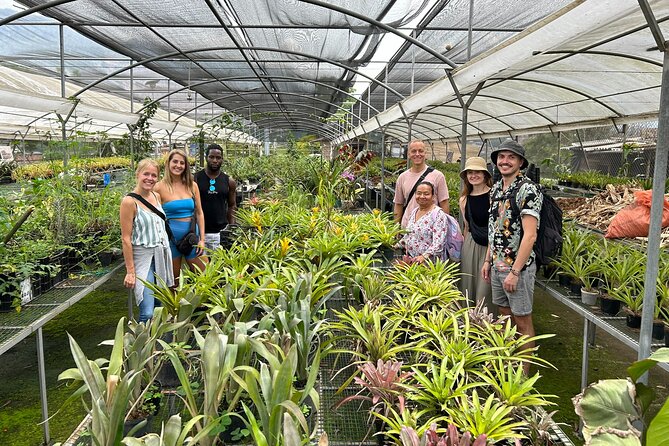
One of the easiest parts of the tour to enjoy is the food moment at E.I. Fe y Alegría – Luis AmigÓ, for about 10 minutes.
You get street empanadas that the tour describes as the tiniest yet most delicious in the whole city. Even if that claim sounds bold, the real value here is that the snack is not an afterthought. It is tied to the neighborhood’s education and social spaces, so you experience community life rather than simply tasting something while passing through.
Food breaks also make the heavier topics easier to process. You walk, listen, sit, eat, then keep going.
Resilience on the Synthetic Pitch (Moravia Field)
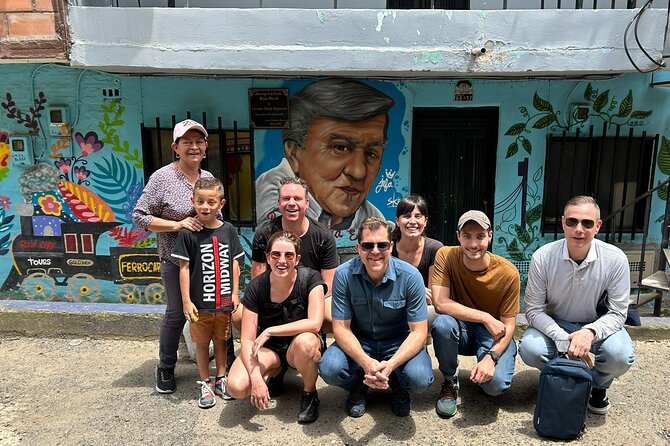
Next is the synthetic pitch Moravian, about 10 minutes. This stop works like a story bridge between policy talk and personal testimony.
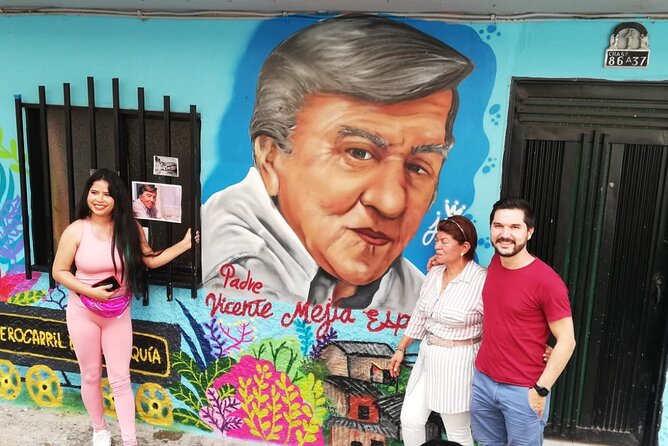
You get to see the neighborhood’s football field, and you meet and hear from the local ambassador. The focus is her story of resilience, resistance, and hope.
That trio matters. Resilience is practical. Resistance signals struggle. Hope is forward-looking, and it is how the tour avoids ending in despair. You do not just learn what went wrong. You also hear how people keep building anyway.
This is often one of the stops that makes people feel emotionally connected to the tour, especially because it comes through a person’s lived experience instead of a purely theoretical explanation.
Moravia Cultural Center and Community-Built Infrastructure
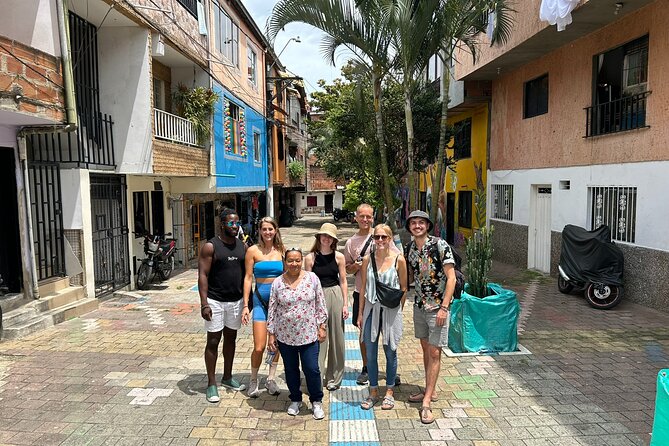
The final major stop is Moravia Cultural Center for about 30 minutes, where you visit the Centro Cultural. This is one of the most important ways the tour ends: it shows what the neighborhood built.
With the community ambassador, you learn the story of how this community created infrastructure and spaces for culture. It is not just a photo opportunity. The guide frames it as the outcome of collective effort.
If you have been expecting only “problems and hardships,” this ending provides balance. You learn how communities build capacity from within, even when they face overcrowding and other ongoing challenges.
The emotional effect of this stop is usually stronger when you have just heard about resistance and daily realities. By then, the cultural center feels like more than a building. It feels like a response.
Price, Timing, and Group Size: Good Value for What You Get
At $35 for about 3 hours 30 minutes, the price is reasonable when you consider what is included: a local community leader, a professional bilingual tour guide, and a snack. The max group size of 8 keeps things personal.
It also helps that the tour is typically booked about 19 days in advance on average. If your dates are fixed, plan ahead rather than assuming you can walk up last minute.
No hotel pickup or drop-off is included, so you should be ready to make your own way to the start area. Since the meeting point is near public transportation, that is usually manageable.
Who Should Book This Tour (and Who Might Skip It)
This is a great fit if you want your Medellín experience to include real social context. You will get a structured route that connects transformation, resistance, health access, education, and community culture, with key stops that force you to look beyond the official story.
It is also a strong choice if you enjoy learning from locals. The presence of people like Toto and Gladys adds credibility and emotion. In the way the tour is described, you learn not only what happened, but what it felt like while it was happening.
You might think twice if you only want light sightseeing. This walk spends meaningful time on displacement pressure and welfare access. It is not designed to be casual.
If you want the most balanced picture of Medellín, though, this is the type of tour that changes how you read the city after.
Quick Practical Tips Before You Go
- Bring a water bottle, since you are walking through multiple stops over 3 hours 30 minutes.
- Wear comfortable shoes. This is a walking tour, so prioritize comfort over style.
- Come with a mindset of listening. The tour is built on community explanations, including difficult topics.
- Expect bilingual guiding, which helps if your Spanish is basic. Still, learning a few key words helps you feel more connected.
- If you like group intimacy, take note of the 8-person max.
Should You Book Comuna 4 Walking Tour Medellín?
Book it if you want an authentic Comuna 4 experience that is grounded in people, not only places. The strongest reasons are the combination of a bilingual guide, local community leadership, and the way the tour connects big themes like transformation and welfare access to specific locations.
Skip it if you want a classic tourist itinerary with short explanations and lots of scenic stops. This is more about understanding a neighborhood’s reality, including why resistance happened and how community building continues.
If you are trying to choose between “the popular neighborhood tour” and something more intimate with real community voices, this one is worth your time. It gives you a Medellín story with sharper edges, and that is often what makes it stick.
FAQ
What is the price and duration of the Comuna 4 Walking Tour Medellín?
The tour costs $35.00 per person and lasts about 3 hours 30 minutes.
Where do I meet the tour, and how does it end?
You meet at the start point in Barrio Transformation Tour, Av. Regional #Calle 78, Castilla, Medellín. The tour ends back at the meeting point.
What stops does the tour include?
The tour includes stops such as Estación Metro Caribe, Morro de Moravia (including La Resistencia de Moravia), Centro De Salud Moravia El Bosque, cigarreria la plaquita, Fundación Oasis Urbano, E.I. Fe y Alegría – Luis AmigÓ, the synthetic pitch Moravian, and Moravia Cultural Center.
What is included in the tour price?
Included are a local community leader, a professional bilingual tour guide, and a snack.
Is hotel pickup or drop-off included?
No. Hotel pickup and drop-off are not included.
How large is the group?
The tour has a maximum of 8 travelers.
Is the tour near public transportation?
Yes, the meeting area is near public transportation.
Is it suitable for most people, and are service animals allowed?
The tour indicates that most travelers can participate, and service animals are allowed.
What is the cancellation policy?
You can cancel for free up to 24 hours in advance for a full refund. If you cancel less than 24 hours before the start time, the amount paid is not refunded.
Recently reviewed around Medellín
- Coffee Tour – All inclusive – Medellín★ 4.0 · 4 reviews
- Paragliding Over Medellín + Gopro & Photos + Private transport.★ 5.0 · 4 reviews
- Shared Tour Commune 13 and Metro Cable La Aurora de Medellin★ 4.5 · 4 reviews
- Medellín Spa: Hydrotherapy & Themed Massage with Teppanyaki★ 5.0 · 4 reviews
- Night Out Gay Bar Crawl in Medellin★ 4.0 · 4 reviews
- White Water Rafting Near Medellin★ 5.0 · 4 reviews
- Bilingual private transport to the airport.★ 4.5 · 5 reviews
- African Music Roots Private Tour in Comuna 13, Medellin★ 5.0 · 5 reviews
Walking Tours, compared.
Historic Center and Getsemaní Shared Walking Tour
Read our review →
Private Walking Tour in Cartagena Walled City & Getsemaní
Read our review →
Graffiti Tour: a fascinating walk through a street art City
Read our review →
Medellin Historic Walking Tour with Expert Guide
Read our review →
Bogotá Tour: Monserrate, Food, City Walk & Botero Museum
Read our review →Browse the lists this tour appears in