
Reviewed · COFFEE FARM TOURS
Chocolate & Coffee Farm Experience
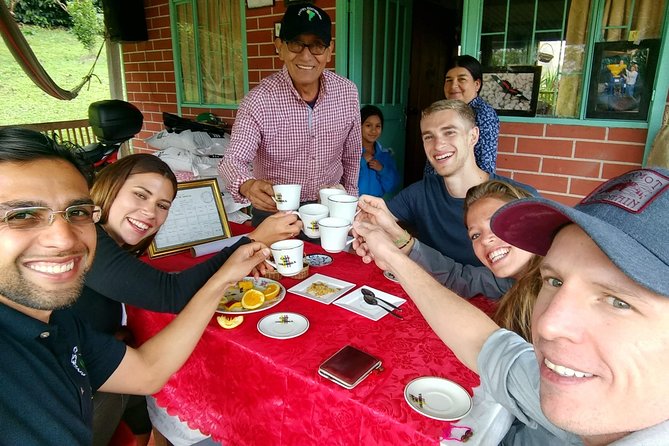
This one is interesting because it is not a show. You head out of Bogotá and get your hands on the real work behind coffee and chocolate, from bean picking to grinding and tasting. You end up learning by doing, with hosts who walk you through the steps instead of just pouring samples.
Two things I like a lot: you get coffee processing with manual tools and you also get the cacao process, including fermentation and drying, not just chocolate tasting. One drawback to plan for up front is the day length, it runs about 12 to 14 hours, so wear comfortable clothes and expect a full, rural outing.
Key Highlights You Should Know Before You Go
- Hands-on coffee bean picking plus manual grinding and peeling, not just a quick look around
- Silvania tinto tasting, made with a traditional approach right on the farm
- Cerro de Quinini campesino lunch, vegetarian and served in a community home setting
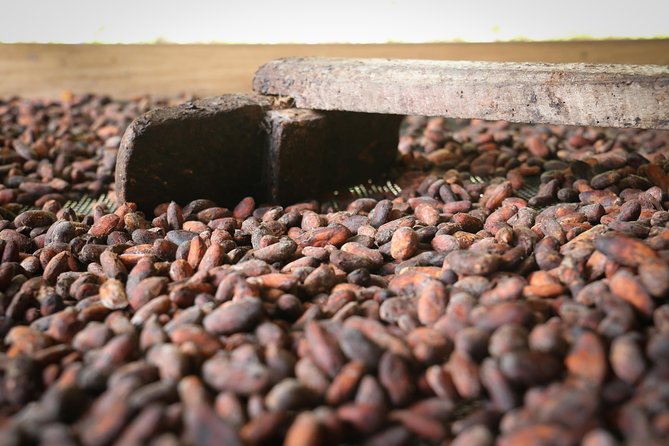
- Nilo cacao walkthrough, from hanging beans to tasting the fruit and seeing fermentation and drying
- Small group size (max 9) with private transportation, so you get time for questions
- Diego as a guide name you may hear, helpful interpretation that keeps the day flowing
Why This Bogotá Coffee and Cacao Day Feels Like a Real Farm Visit
If you like your travel grounded in daily life, this kind of experience does it well. The whole point is that you do more than taste. You watch the steps, then you take part in some of them, like picking beans and working with traditional processing equipment.
I also like the pacing. The morning and early afternoon breaks up into three distinct farm stops, with a simple lunch break in the middle. It keeps the day from feeling like one long bus ride with random photo stops.
And because the group is capped at nine people and the transportation is private, you avoid the usual crowd chaos. You can ask questions without feeling like you are competing for attention, which matters when you are trying to understand how coffee and cacao actually get from raw material to the flavors you know.
More Coffee Experiences in Bogotá
- Coffee Farm Tour from Bogotá – Be a Farmer for a Day
★ 5.0 · 213 reviews - Specialty Coffee Workshops in Bogota
★ 5.0 · 145 reviews - From Bogotá: Coffee Farm and Tequendama Falls Tour
★ 4.5 · 130 reviews
The Route and Timing: A 12 to 14 Hour Country Day
You should plan for a long day. The tour runs about 12 to 14 hours, and it starts at Ac. 26 #69B-53 in Bogotá, returning back to that same meeting point. That long window is the tradeoff for visiting multiple farms, seeing different stages of processing, and keeping the experience hands on.
Here is how I’d prepare so you stay comfortable:
- Start with good shoes. Farm paths can be uneven, and you will likely move around during the bean picking and processing moments.
- Eat a real breakfast before pickup if you can. Lunch is included, but it is at the middle stop, and the rest of the day runs on farm time.
- Bring insect protection. The experience provider notes issues from past highway construction impacted timing for some guests, and one key tip from visitors is to bring repellent. In rural areas, that is smart.
- Plan for thirst. Bottled water is not included, and there are no snacks included either. Coffee bags and cacao bars are sold at the farms, but water is on you.
One more timing note: the operator responded that delays tied to highway construction were affecting travel around 2024, with the construction finishing in 2025. Even if roads are smoother now, traffic happens. I’d still treat this as a day where you arrive relaxed, not on a strict schedule back in Bogotá.
Stop 1 Silvania: Picking Beans, Manual Grinding, and Real Tinto
This is where the tour earns its keep. In Silvania, you spend about 1.5 hours at a traditional coffee farm. The focus is on coffee as a plant and coffee as a process.
You start with bean picking in the field, year-round. That detail matters. It means you are not only seeing coffee harvesting in the perfect season window, you are getting the experience across the year, based on what the farms are doing at the time you visit.
Then comes the hands-on part: you grind and peel using manual, old-fashioned tools. It is physical and slow, in the best way. You feel how labor-intensive coffee can be before it ever reaches your cup.
The grand finale is a tasting of traditional tinto, the plain black coffee you are likely to recognize from Colombia. Your host prepares it for you using the coffee from the process you just experienced. When you taste it, you understand why people get picky about coffee. You are not just sampling, you are connecting flavor to steps.
What to do to get more out of this stop:
- Ask how the farm handles quality before it becomes a finished roast or product. Even if you only get short answers, it helps you interpret what you see later.
- Take note of the grinding stage. If your day is busy, that is the memory that tells you how much work goes into the cup.
Stop 2 Cerro de Quinini: Campesino Lunch in a Clean, Simple Home Setting
At Cerro de Quinini, you get a different kind of value: food in a real community setting. You spend about 45 minutes there for a traditional campesino lunch.
A few things set expectations clearly:
- The lunch is served in the home of a community member.
- It is not a full-time restaurant. It is a working home setting where the meal is part of hospitality, not a performance.
- All plates are vegetarian.
- The place is clean and simple, with no luxury styling. Think home-cooked and practical.
I like this stop because it grounds the day. Coffee and cacao are fascinating, but you also need a pause that feels local, not like a cafeteria. Even if you are not a big foodie, you will appreciate the shift from processing tasks to conversation and a normal meal rhythm.
Practical tip: since the stop is short, try to relax during the meal. Drink what you can, take a breath, then head into the cacao farm with energy to spare.
More coffee farms around Bogotá:
- VIP Bogota City Tour: Monserrate, Candelaria, Coffee Tasting, 6hr
★ 5.0 · 95 reviews - Bogota: Colombian Coffee Tasting
★ 4.8 · 92 reviews - Coffee Farm Experience Private Day Tour
★ 5.0 · 81 reviews - Coffee and Chocolate tour in Bogota
★ 5.0 · 67 reviews
Stop 3 Nilo Cacao Farm: Taste the Fruit, Then Watch Fermentation and Drying
Nilo is where coffee lovers become chocolate curious. You spend about 1.5 hours on a traditional cacao farm.
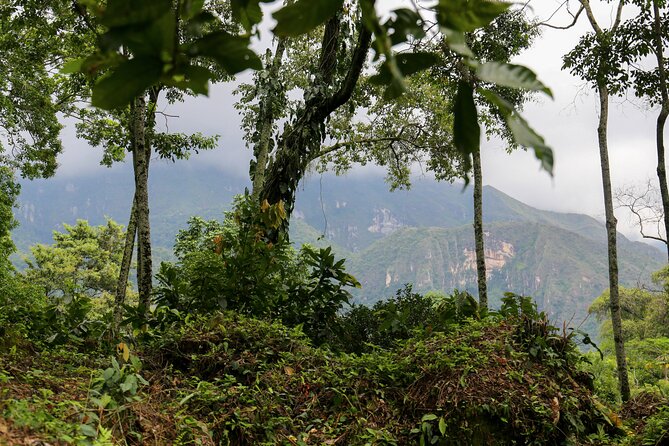
First, you see cacao beans hanging from the trees. That alone is worth it because it gives you the visual you miss when you only know cacao as chocolate wrappers.
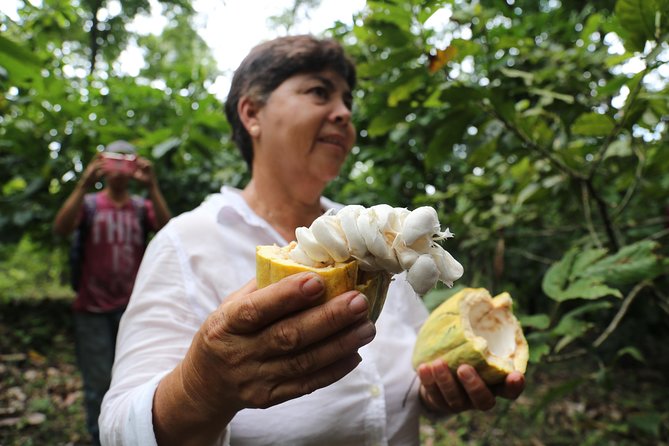
Then your host opens a cacao bean for you to taste the fruit content. This is not the same taste as chocolate. It is closer to tasting the raw fruit element that comes before fermentation transforms flavor.
After that, you move through the cacao process:
- the fermentation room
- the drying room
- the final stage you can see as product form
If there is time, you may also get to experience grinding the cacao from hard shell to a liquid form. That liquid is the raw material used for chocolate production worldwide.
What makes this stop feel authentic is that it is staged like a workflow. You are not only learning terms, you are seeing why each step matters. Fermentation is often the least understood stage for visitors, but when you see where it happens, it becomes obvious that it is not optional. Drying is the next key, because it sets the conditions for what comes after.
A few ways to make this cacao stop easier:
- Expect stronger smells than coffee. That is normal around fermentation and drying.
- Wear clothes you do not mind getting dust or minor residue on. Farm processes are not lab clean.
- Ask about timing, when they ferment and how they manage drying. Even basic answers help you connect the dots.
What You Really Get for the $144 Price
At $144 per person, you are paying for more than transportation and a couple tastings. This tour stacks several valuable components into one day, and that is where the price starts to make sense.
Included highlights you are getting:
- Coffee and/or tea plus cacao tasting
- Private transportation from the Bogotá meeting point and back
- Entrances to the farms
- Use of traditional coffee and cacao processing equipment
- Lunch with a local vegetarian meal
- Bean picking year-round
The value is in the hands-on processing time. Many tours will give you a sample and a quick look. Here, you handle parts of the process, and you see both coffee and cacao workflows.
Where you should budget extra:
- Bottled water is not included
- There are no snacks included beyond what you might purchase
- Coffee bags and cacao bars are available for purchase at the farms
I’d treat this as a day to plan your own small extras: water, maybe a snack if you need one, and a little cash for souvenirs if you want to bring home coffee or cacao products made locally.
Group Size, Guide Help, and How to Ask Better Questions
This experience caps at 9 travelers. That small group size changes the feel of the day. It means you get enough time for the host to explain what you are seeing, and you get a better chance to ask questions that are specific to your interests.
The tour is run by Andes EcoTours, and a name you might hear in the guide role is Diego, who was noted as an excellent interpreter and careful host. Even without getting deep into language, the practical value is that you should feel guided through the steps rather than left to guess what you are doing.
If you want to get the most out of the day, use question prompts like:
- What do you watch for when selecting beans in the field?
- Which part of processing changes flavor the most for you?
- How do you know the cacao is ready in fermentation and drying stages?
You will also learn faster if you keep your pace. Coffee and cacao work are slow by nature. If you rush, you miss the meaning. If you slow down, you start noticing the little cause and effect connections.
Who Should Book This Tour, and Who Might Not Love It
This is a strong pick if you:
- love coffee and want to understand it beyond tasting
- are curious about how cacao becomes chocolate
- like hands-on activities, bean picking, grinding, and seeing processing spaces
- want a rural day with a small group and private transport
- are comfortable eating a vegetarian local lunch
You might want to reconsider if you:
- dislike long days. The tour runs about 12 to 14 hours.
- get frustrated with travel time outside the city. Expect a full drive and farm schedule.
- are sensitive to insect bites, so do not skip repellent.
Also consider your expectations. This is not built like a luxury resort experience. It is clean and simple, with practical farm settings. If your idea of comfort is nonstop amenities, you may feel underwhelmed. If your idea of comfort is authentic people and real work, you will likely have a great time.
Should You Book Chocolate & Coffee Farm Experience with Andes EcoTours?
Here is my honest take. If you want a day that teaches you how coffee and cacao actually work, book it. The combination of hands-on bean picking, traditional processing equipment use, and seeing both coffee and cacao stages gives you a full story that most tasting tours cannot match.
A couple final decision helpers:
- If you can handle a long rural day and you will drink water responsibly, this is very likely a good value at $144.
- If you hate slow processes and crave a quick, polished outing, you may prefer a shorter tasting experience instead.
This tour has an overall rating of 4.7 across 21 bookings, with about 90% recommendation. For me, that lines up with what you are actually buying here: real work, clear guidance, and tastings that make sense because you saw the steps first.
FAQ
How long is the Chocolate & Coffee Farm Experience?
It runs about 12 to 14 hours.
Where does the tour start and end?
It starts at Ac. 26 #69B-53 in Bogotá and ends back at the same meeting point.
How many people are in the group?
The tour has a maximum of 9 travelers.
What food is included?
A local vegetarian lunch is included, plus coffee and/or tea with cacao tasting.
Are bottled water or snacks included?
No. Bottled water and snacks are not included.
Can you pick coffee and cacao beans?
You can do bean picking year-round on the coffee farm.
What are the main stops?
The day includes Silvania (coffee farm), Cerro de Quinini (campesino vegetarian lunch), and Nilo (cacao farm).
More Farms in Bogotá
- Traditional Coffee Farm Experience at Hacienda Coloma from Bogotá
★ 5.0 · 24 reviews - From Bogotá: Coffee Farm Experience Private Day Tour
★ 5.0 · 8 reviews - From Bogota: 5 hour guided coffe farm tour – All included
★ 5.0 · 4 reviews - Half-Day Coffee Tour: From the Seed to the Cup, Farm & roastery
★ 5.0 · 1,418 reviews
More Dessert Tours in Bogotá
- Colombian Chocolate Workshop Experience
★ 5.0 · 12 reviews - Chocolate Tasting Private Express Tour. (4 Hrs.)
★ 4.5 · 7 reviews - Tasting of Aguardiente and Chocolate Flavors of Colombia
★ 5.0 · 6 reviews - Rum and Chocolate Tasting in Cartagena
★ 5.0 · 360 reviews
Recently reviewed around Bogotá
- Visit and live a colombian coffee plantation (group tour)★ 4.5 · 4 reviews
- Villa de Leyva Food Tour at Sunset★ 5.0 · 4 reviews
- Private Coffee Tour in Cachipay★ 5.0 · 4 reviews
- Tour Nocturno de Tejo y Salsa en Bogotá★ 5.0 · 4 reviews
- Bike Tour in Bogota★ 5.0 · 4 reviews
- Hike to the Rocky mountains of Sutatausa Private Day Tour★ 5.0 · 5 reviews
- Andrés Carne de Res Chía: VIP Entry with Cover & Welcome Cocktail★ 5.0 · 5 reviews
- Salt Cathedral Tour along with the Legendary Lake Guatavita★ 5.0 · 5 reviews
Coffee Farm Tours, compared.
Half Day Bike Tour in Medellin – Local snack, Coffee or Beer
Read our review →
Half-Day Coffee Tour: From the Seed to the Cup, Farm & roastery
Read our review →
Coffee Tour with Transport, Snacks and Tastings
Read our review →
Electric Bike City Tour Medellin With Colombian Coffee and Snack
Read our review →
Private Coffee Farm Tour in Medellin: Real Authentic Experience
Read our review →
Guatape & Coffee Farm & El Peñol Rock & Quaint Town: Best Combo
Read our review →
Coffee tour in Medellín with tastings and transportation
Read our review →Browse the lists this tour appears in