
Reviewed · COFFEE FARM TOURS
Cartagena: Colombian Specialty Coffee Tasting
This coffee experience in Cartagena is interesting because you learn how Colombia’s coffee becomes your cup, then you taste the proof. I like that the session connects processing choices to what ends up in your glass, not just the final sip. I also like the seed-to-cup structure, so you can follow the logic even if you are new to specialty coffee.
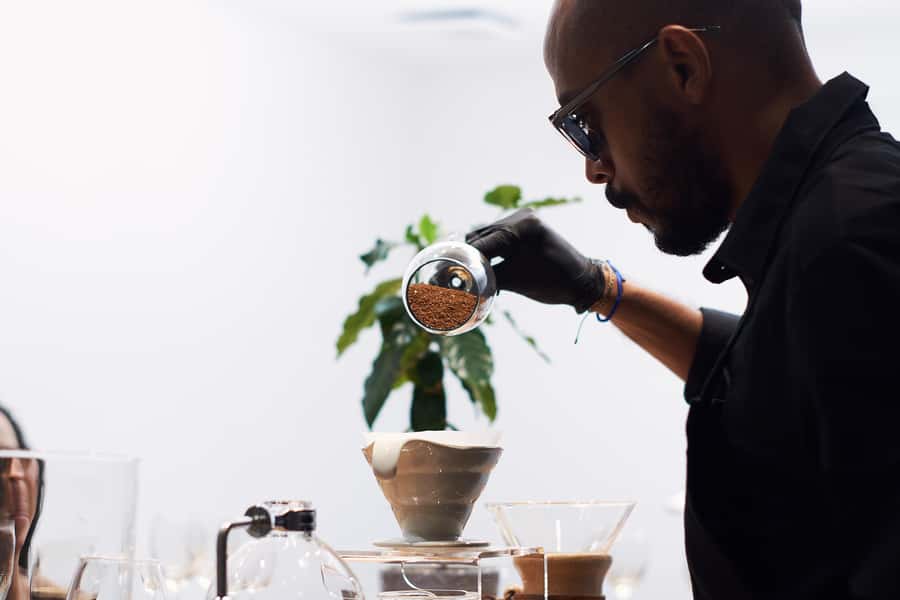
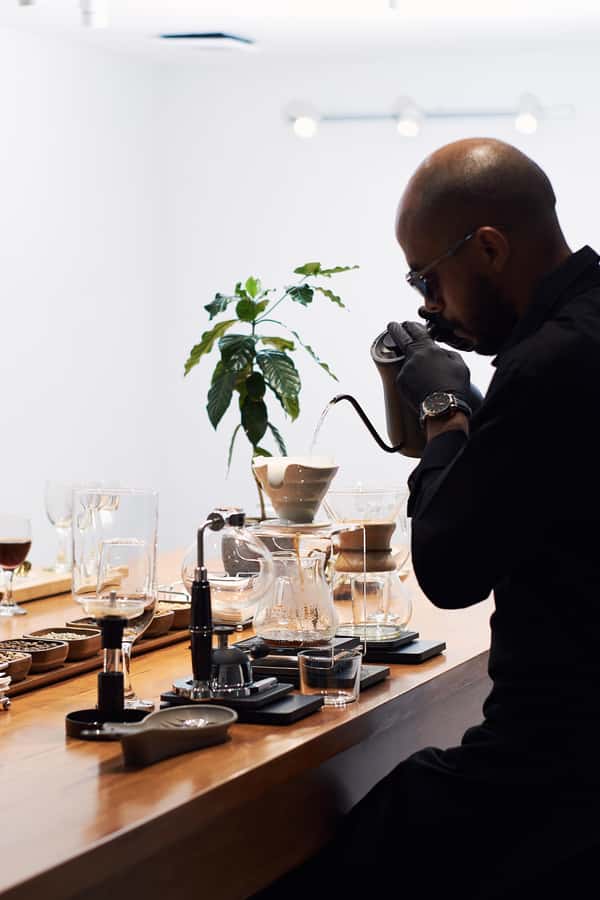
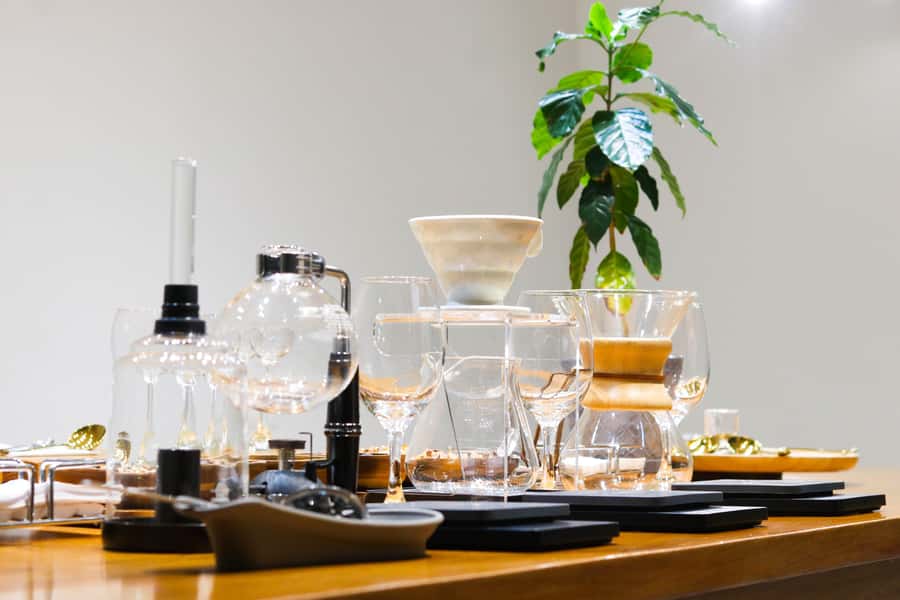
Second, the tasting part is set up in a way that actually teaches your palate. You will try three different Colombian specialty coffees and see how different extraction methods change the result. In particular, I love that you may taste classics like the Chemex, V60, and a Hario TCA-5 siphon setup, with guides pointing out what each method brings out.
One consideration: the vibe can feel more like a focused workshop than a social hangout. Some sessions are described as lecture-style, and you should also know strong fragrances are not allowed, which matters if you wear perfume or scented lotion.
Key highlights you should not miss
- Three named brewing methods: Chemex, V60, and Hario TCA-5 siphon, each tied to different flavor traits
- Coffee nose practice using a coffee nose for olfactory activation
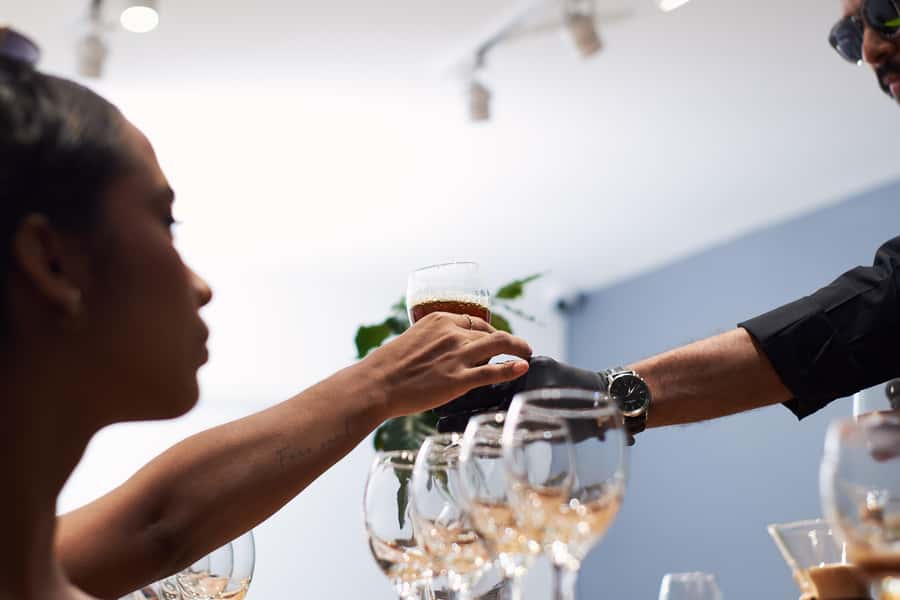
- Cupping with tasting aids like fresh fruit, dehydrated fruit, and chocolate
- A guided sensory vocabulary so you can talk about body, aroma, and flavor profiles
- A participation diploma, which is a fun souvenir that signals this is more than a casual tasting
What makes Colombian specialty coffee click in Cartagena
Specialty coffee can sound like a marketing buzzword. What I like about this class is that it turns the buzz into something you can actually taste and explain. You start from the origins and the farming story, then you learn how processing and brewing choices shape the final cup.
Colombian coffee is a great focus for a course like this because you get enough variety to notice patterns. During the session, you work on distinguishing coffee profiles, then practice tasting the differences in body and flavor nuance. That means you are not just learning what to like, you are learning why.
If you have ever taken a sip and thought, I can taste something but I cannot name it, this experience is built for that. The workshop uses smell, texture, and a taught vocabulary to help you map aromas to flavors.
More Coffee Experiences in Cartagena
- Cartagena Coffee Masters
★ 4.5 · 40 reviews - Cartagena Highlights: San Felipe, Popa & Coffee Experience
★ 4.5 · 39 reviews - Specialty Coffee Workshops in Cartagena
★ 5.0 · 34 reviews
Your 2-hour flow, from the coffee lab to your final sip
The experience runs about 2 hours, and it has a clear rhythm. Even if the exact pacing varies a bit, the content stays consistent: history and growing basics first, sensory training next, and then cupping and tasting using different methods.
1) Start with Colombia coffee origins and processing basics
You begin with an approximation to Colombian coffee growing, with a classroom-style introduction to how coffee becomes specialty coffee. Then the session moves into processing, meaning what happens to the coffee after harvest and how that impacts flavor.
This is where the “why” part starts. Instead of treating coffee as one product, you learn that it is a chain of decisions. The guide links those decisions to what you will later taste.
2) Olfactory activation with a coffee nose
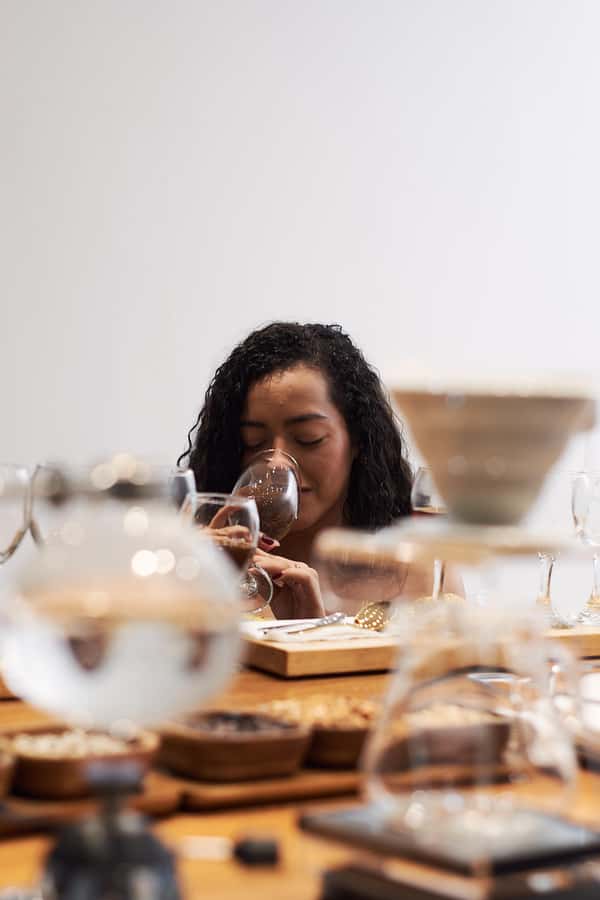
Next comes smell training. The class includes olfactory activation with a coffee nose, which is a structured way to help you focus your senses. You do not just smell the cup and guess. You practice picking up aroma traits in a more deliberate way.
This matters because aroma is a huge part of what your brain calls taste. If you only sip, you often miss half the story.
More Food & Drink in Cartagena
- Street Food Tour in Cartagena
★ 5.0 · 1,143 reviews - Cartagena: Guided Street Food Tour with Tastings
★ 4.9 · 833 reviews - Rum and Chocolate Tasting in Cartagena
★ 5.0 · 360 reviews - Boutique Rum and Chocolate Tasting at Lunático
★ 5.0 · 328 reviews
3) Taste activation using fruit and chocolate
Then you activate your palate with fresh fruit, dehydrated fruit, and chocolate. These are not random snacks. They help you calibrate flavor recognition before you start cupping the coffees.
You get a guided sensory vocabulary, meaning you are learning the words tasters use to describe what you are noticing. That makes it easier to compare the three coffees later.
4) Cupping three coffees using different extraction methods
The heart of the session is cupping and tasting three different Colombian specialty coffees, using different brewing methods. In multiple sessions, you may taste the same “set” of methods:
- Chemex style brewing, often described as highlighting fruity and complex notes
- V60 style brewing, often described as bringing out brightness and body
- Hario TCA-5 siphon, described as giving roundness and smoothness, with honey-like aroma notes
The guides also focus on how to distinguish, prepare, and taste coffee. So you are not just drinking three cups, you are learning what to look for in each one.
5) Finish with a participation diploma
At the end, you receive a Diploma of participation and a diploma titled Awakening of the coffee senses – From the seed to the cup. It is a simple touch, but it helps you feel like you completed a real workshop, not a quick stop.
Chemex, V60, siphon: how the methods change what you taste
This is the part you will remember when you buy coffee later at home.
Here is what the session teaches through direct tasting: brewing is not only “how strong.” It is also extraction, aroma release, and balance. Different devices can pull different flavors to the front.
Chemex: fruity and complex cues
Chemex brewing is often described as lifting fruity and complex notes. When that happens, pay attention to the first sip and the aroma right after pouring. If you are trained to smell first, you usually catch those notes faster.
V60: brightness plus body
The V60 setup is frequently associated with brightness and body. That means you might notice sharper fruit-like acidity plus a more rounded mouthfeel than you expect from a pour-over.
Hario TCA-5 siphon: roundness and smoothness
The siphon approach is often described as giving a rounder, smoother cup, with honey-like aroma notes. If you are the type who thinks coffee should taste “soft” instead of sharp, this is the method that often wins people over.
One practical takeaway: after this session, you will be able to say more than “this is good.” You should be able to identify which flavor traits you prefer, and which brewing style tends to bring them out.
How you build a tasting skill you can use again

A lot of coffee tastings are just sampling. This one is training, which is why the best reviews focus on sensory vocabulary and the ability to distinguish good from not-so-good.
The class includes guidance on:
- Perceiving body, meaning the feel of the coffee on your tongue
- Distinguishing nuances in flavor profiles
- Learning how to identify what you like, then explaining it
In practical terms, you will leave with a more repeatable method. Next time you are in a café, you can ask smarter questions. Even better, you can stop guessing and start testing.
Also, the guides are usually strong at making the material usable. Names that show up across sessions include Thomas, Tomas, Santiago, Arturo, Pedro, and Miguel. You might not get the exact same person, but the point is that the instruction tends to be serious and hands-on, even when the format is classroom-led.
The flavors you train with, fruit, dehydrated fruit, and chocolate
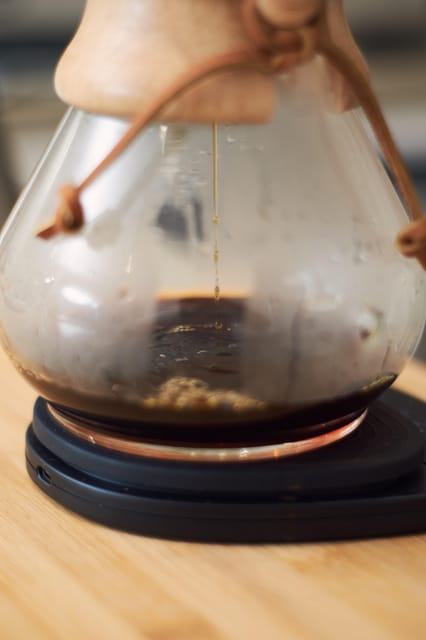
I like that the tasting is not built only around coffee. The workshop uses food cues on purpose.
Fresh fruit helps you understand what “bright” and “juicy” flavors feel like in real life. Dehydrated fruit pushes you toward deeper, concentrated notes. Chocolate adds a grounding sweetness and helps you recognize cocoa-like profiles when they show up in the cup.
If you are thinking, can this really help me taste better coffee, yes. It gives your brain a reference library before you start cupping.
One extra note: some coffee lovers also recommend trying the café items on site, like croissants baked by a local baker and drinks such as a Bailey’s Frappé. Those are not the core of the workshop, but they are a nice way to turn the tasting into a longer coffee stop.
Price and value: why $15 for 2 hours makes sense
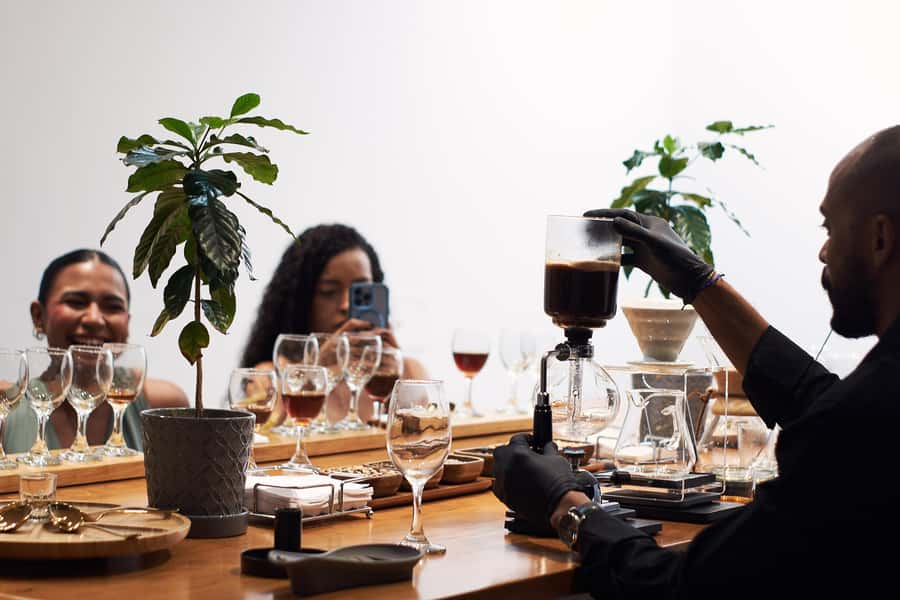
At $15 per person for about 2 hours, this can be good value, especially because it includes more than sipping. You are paying for:
- A structured explanation of Colombian coffee origins and processing
- Olfactory training using a coffee nose
- Guided tasting with fruit, dehydrated fruit, and chocolate
- Cupping and tasting three coffees via different brewing methods
- A participation diploma
If you compare it to what you would pay for similar instruction elsewhere, the key is that you actually do the sensory work. This is not only “listen to a talk.” It is practice and feedback through tasting.
You also get choices that matter: the experience is offered with instruction in English and Spanish, and many people like that the staff keep the session engaging and interactive enough to be enjoyable, even if the overall format is more workshop than party.
Finding the coffee experience center in Cartagena
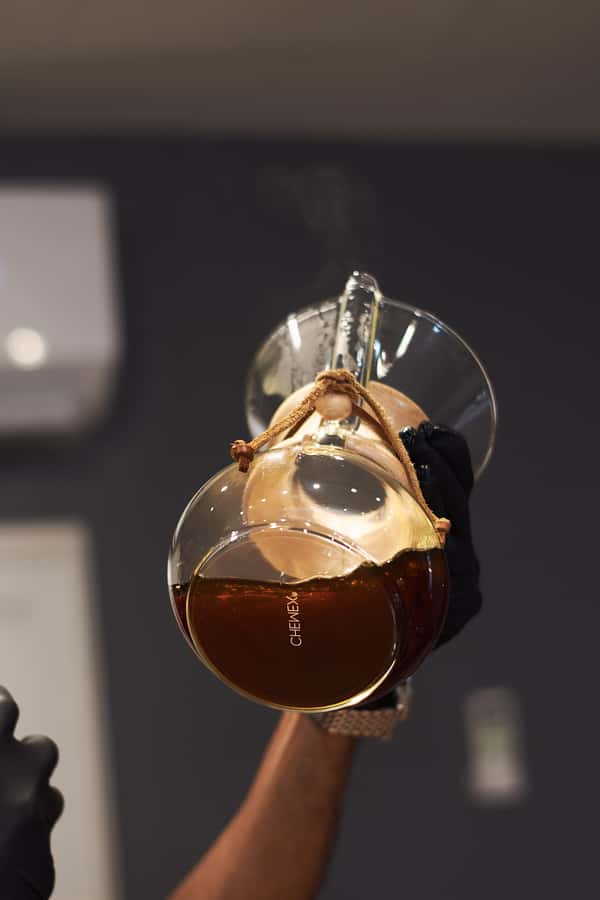
The meeting point is described as a coffee experience center. You simply tell the staff you are coming for the activity. That sounds simple, but one review warns the written address can lead you to a wrong place.
My practical suggestion: if your map pin seems confusing, use a nearby landmark reference. One person recommended searching for Consultorio Dra. Bleidys Mendoza Sotomonte as a straight route clue, described as a dentist office across the street. They also noted that using Uber may take you directly.
Once you arrive, the experience uses a separate entrance so you can skip the line.
Who should book this coffee tasting, and who should think twice
This workshop is a strong match if:
- You love coffee and want a clear method for tasting it
- You want to understand Colombian coffee in a practical way
- You like structured sensory training, smell first, then taste
It may be less ideal if:
- You want a super social, free-flowing group atmosphere. Some sessions are described as more lecture-style.
- You wear strong scents. Strong fragrances are not allowed.
If you do book it, I recommend planning a coffee-friendly half-day. One suggestion from people who paired it with sightseeing is to head out to Manga and explore Getsemani afterward, then come back for dinner with your new tasting vocabulary in your head.
Should you book Cartagena Colombian Specialty Coffee Tasting?
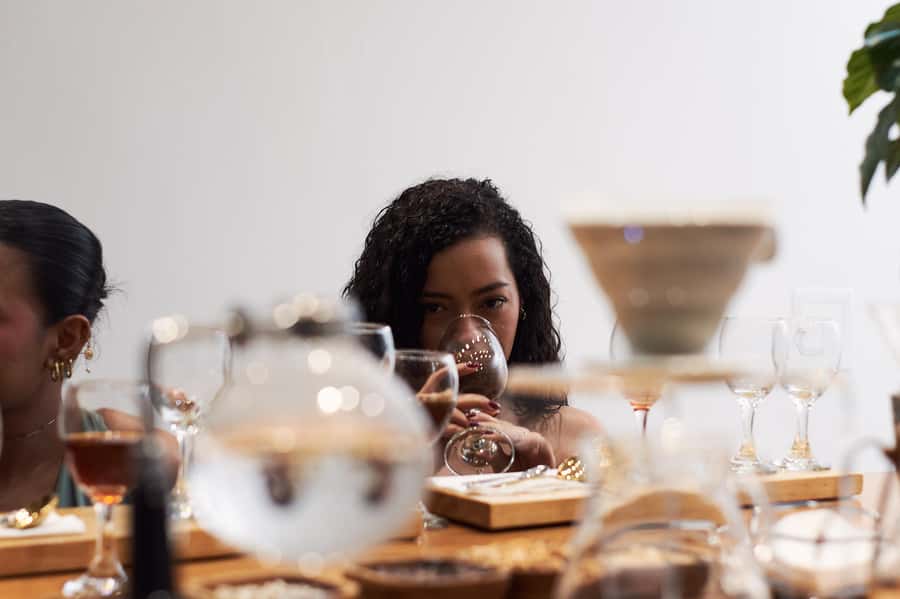
Yes, I think you should book it if you want more than a drink. For $15 and 2 hours, you get real training: processing context, coffee nose smell practice, fruit and chocolate tasting cues, and cupping three different coffees brewed with methods like Chemex, V60, and Hario TCA-5 siphon.
Book it especially if you have ever wanted to taste like an adult instead of guessing like a kid. You will leave with a clearer sense of what you like and how to describe it.
Skip it if you hate classroom-style formats, or if you planned to arrive smelling like your favorite perfume. In a sensory workshop, that one detail matters.
FAQ
How long is the Cartagena Colombian Specialty Coffee Tasting?
It lasts about 2 hours.
What is the price per person?
The price is $15 per person.
Where does the experience take place?
It takes place at a coffee experience center in Cartagena, in the Bolívar area of Colombia.
What is included in the tasting experience?
You get coffee growing and plantation context in a classroom setting, coffee processing education, coffee nose olfactory activation, taste activation with fresh fruits, dehydrated fruits, and chocolate, cupping of three different coffee methods and profiles, and a participation diploma.
Which coffee brews will you taste?
The session includes cupping three different coffee methods. Specific methods mentioned include Chemex, V60, and a Hario TCA-5 siphon.
What languages are available for the instructor?
The instructor can teach in English and Spanish.
Do you receive any certificate?
Yes, you receive a participation diploma and a diploma titled Awakening of the coffee senses – From the seed to the cup.
Is there a separate entrance or a way to avoid waiting?
Yes. There is a separate entrance so you can skip the line.
Are strong fragrances allowed?
No. Strong fragrances are not allowed.
Can I cancel or change my plans?
You can cancel up to 24 hours in advance for a full refund.
Is pay later available?
Yes. You can reserve now and pay later, meaning you can book your spot and pay nothing today.
Recently reviewed around Cartagena
- Trendy Cartagena photo/ Video Tour★ 2.9 · 4 reviews
- Playa Blanca Baru from Cartagena City Center★ 4.0 · 4 reviews
- Sunset in Cartagena Bay with Boat Dances and Bar★ 5.0 · 4 reviews
- Taste Cartagena: Street Food and Full City Tour with Expert Guide★ 4.5 · 4 reviews
- Colombian Fruits and Paila Ice Cream Tasting★ 5.0 · 4 reviews
- Private Transfers Airport and Hotels in Cartagena★ 5.0 · 4 reviews
- private tours cartagena de indias★ 4.5 · 4 reviews
- Mud Volcano and Day Trip in Hotel with Lunch★ 5.0 · 4 reviews
Coffee Farm Tours, compared.
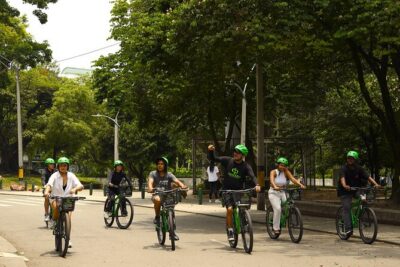
Half Day Bike Tour in Medellin – Local snack, Coffee or Beer
Read our review →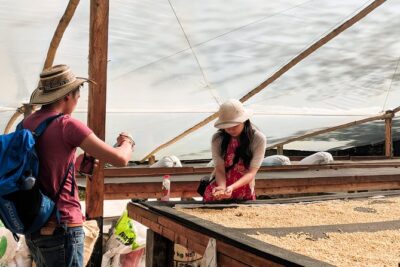
Half-Day Coffee Tour: From the Seed to the Cup, Farm & roastery
Read our review →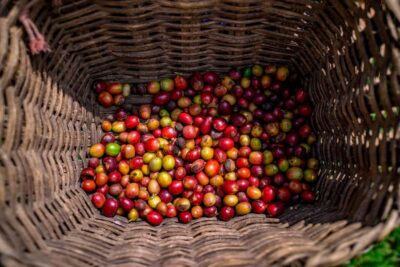
Coffee Tour with Transport, Snacks and Tastings
Read our review →
Electric Bike City Tour Medellin With Colombian Coffee and Snack
Read our review →
Private Coffee Farm Tour in Medellin: Real Authentic Experience
Read our review →
Guatape & Coffee Farm & El Peñol Rock & Quaint Town: Best Combo
Read our review →
Coffee tour in Medellín with tastings and transportation
Read our review →Browse the lists this tour appears in