Reviewed · MEDELLÍN TOURS
Anti tour Medellin
Anti Tour Medellín is interesting because it walks you through the parts of the city that got knocked down, silenced, or deliberately forgotten. It connects Medellín’s present streets to Colombia’s armed conflict, and asks what progress cost along the way. You get a guided look at identity and memory through real places, not just talking points.
I love how it treats the city like a story you can read in plain sight. Medellín’s transformation is explained through contrasts: old power versus new commerce, and historic center versus modern redevelopment.
I also like the human side built into the route, including traditional liquor tasting and meetings that include ex-combatants and victims. One drawback to plan for, though, is that it is not a gentle, polished walk, and some spots can feel a bit risky or chaotic, so you need to stay alert and follow the guide’s lead.
Key highlights you’ll remember
- What Medellín erased, mapped street by street, not glossed over
- Viche tasting in La Alpujarra, with a spirits workshop feel
- Meet ex-combatants and victims, with stories tied to real places
- Casa de la Memoria Museum for reflection on the armed conflict
- Survivor landmarks like the Church of La Veracruz, still standing amid change
- Everyday El Hueco, where informal trade and music collide with redevelopment
A 3-hour anti-tour that reads the city like a question
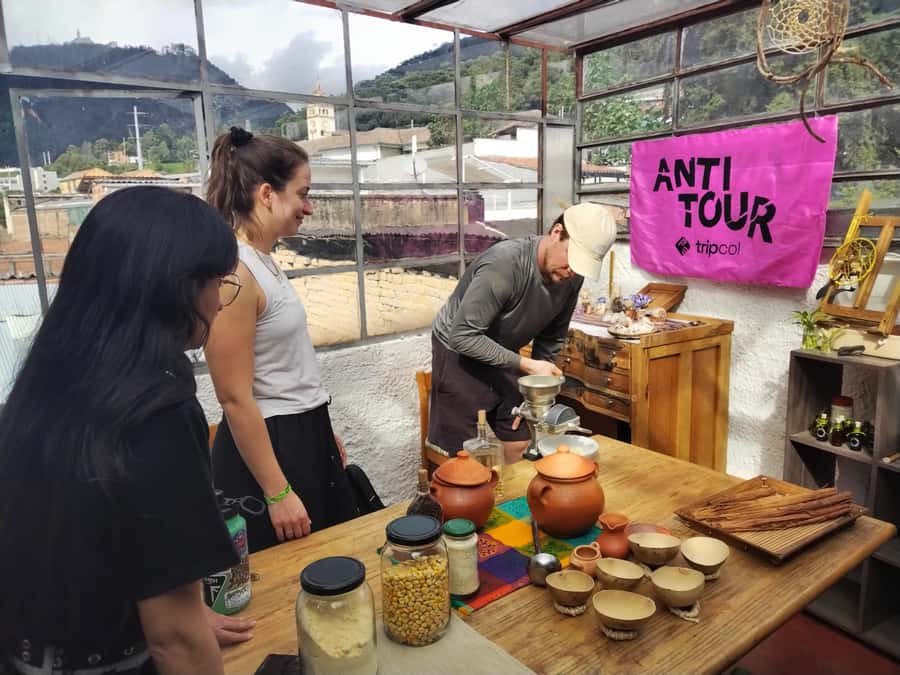
Anti Tour Medellín is not your typical “look at this church, then this view” experience. The whole point is to notice what the city changed, hid, or replaced, and then sit with the uncomfortable question: what did Medellín lose while it chased progress?
You’ll see modern Medellín, yes, but you’ll also learn how today’s layout was shaped by industrial growth and redevelopment, including the destruction of parts of the historic center. It’s a fast pace for a 3-hour tour, but it stays focused, because each stop is chosen to explain a specific layer of memory.
If you want Medellín for scenery only, this might not be for you. If you want to understand the city behind the postcard version, you’ll get a lot out of it.
A few more Medellín days worth comparing
- Medellin: Comuna 13 Graffiti Tour, Cable Car & Street Food
★ 4.8 · 9,046 reviews - Comuna 13 Graffiti Tour with Street Food
★ 5.0 · 7,503 reviews - Guatapé Tour: Piedra del Peñol with Boat Tour, Breakfast, Lunch
★ 5.0 · 7,035 reviews
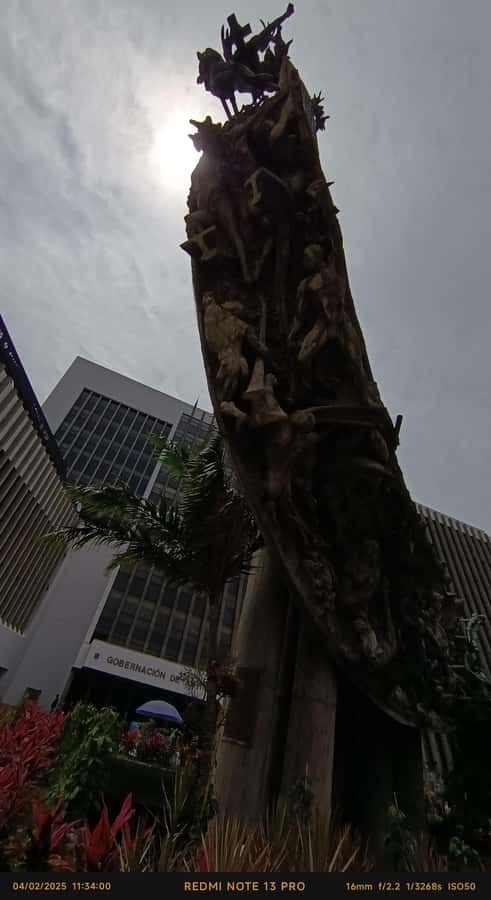
Starting at Monumento a la Raza, where power and identity meet
You begin at the Monumento a la Raza, a strong symbol of identity and power. From the first moments, it frames what the tour is about: the way political and cultural choices show up in stone, streets, and public space.
Nearby, you’ll connect this area to Medellín’s industrial push, including the presence of the old train station and how industrialization reshaped the city. The guide’s message here is simple but sharp: when cities industrialize, they often change their centers first, and historic spaces do not always survive that wave.
This opening is a good warm-up because it prepares you to see modern Medellín not as random growth, but as a pattern with consequences.
Parque de las Luces and the old market that became lighting
From there, you move toward Parque de las Luces. It used to be a lively market square, and now it feels like a “forest” of light poles over an older layer of the city. The contrast is the point, because it shows how public life can be reorganized until the original purpose feels distant.
Around the park, you’ll notice buildings like the Carré and Vásquez, plus the EPM Library and other modern structures. You are not just sightseeing. You’re spotting the tension between memory and redevelopment, meaning: the city builds new functions, but it does not always preserve the meaning of what was there.
Practical tip: wear sunscreen and keep your hat handy. This is still central Medellín, and the route gets sun exposure.
Parroquia de la Veracruz: a colonial survivor with quiet power
One of the stops that gives you emotional contrast is the Church of La Veracruz. It’s described as one of the last colonial survivors, which means you’re looking at continuity in a city that often changes fast.
A church can sound like a “safe” stop on paper, but here it works differently. You look at it as a quiet act of resistance against modernization, a place that remains when other historical markers disappeared. Even if you are not religious, you’ll likely feel the difference between a preserved relic and a replaced whole.
The short guided visit is important because it keeps you from treating it like a photo stop. The guide helps you read the building as evidence of what survived, not just what looks old.
A different kind of day out of Medellín:
- Day Trip To Guatapé with ,Breakfast, Lunch and Boat Ride
★ 5.0 · 2,996 reviews - Comuna 13 Graffitour knows the urban art district of Medellín
★ 5.0 · 2,856 reviews - Tour to Guatape, Piedra del Peñol, lunch, snacks boat trip
★ 5.0 · 2,658 reviews - Half Day Bike Tour in Medellin – Local snack, Coffee or Beer
★ 5.0 · 2,509 reviews
El Hueco centro comercial: the city’s everyday energy, up close
Then comes El Hueco, a chaotic commercial district that reveals how Medellín moves on daily life. Here, informal trade, music, and crowds show the pulse of the city, not the curated version.
This part can also be the most challenging. You’ll walk through areas where things feel busy and slightly unpredictable. One past guest recommendation was basically to treat it like a place you need to be careful in, meaning: stay close to the group, watch your surroundings, and don’t wander off your planned path.
The payoff is worth it. You see fragments of older buildings mixed with anonymous modern constructions, which visually explains the tour’s theme. Medellín has layers, but the layers don’t pause for nostalgia.
Palacio Nacional and the shift from judicial power to shopping space
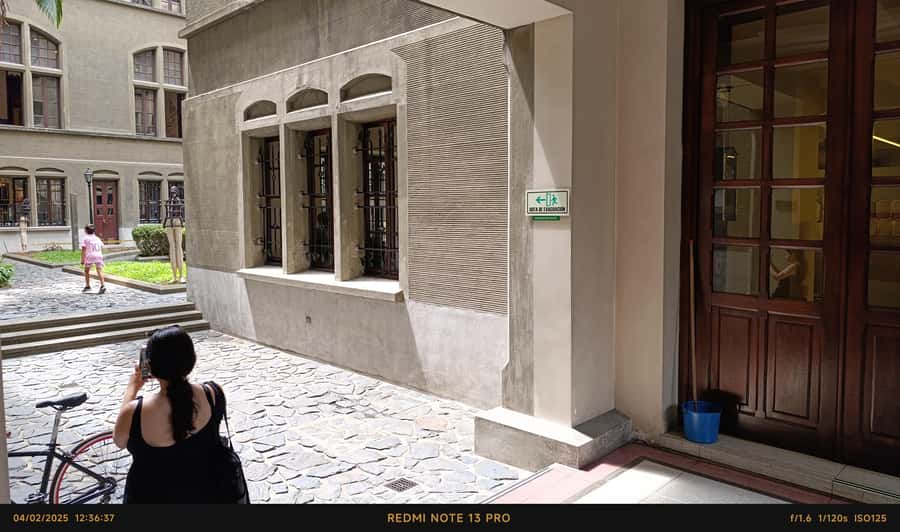
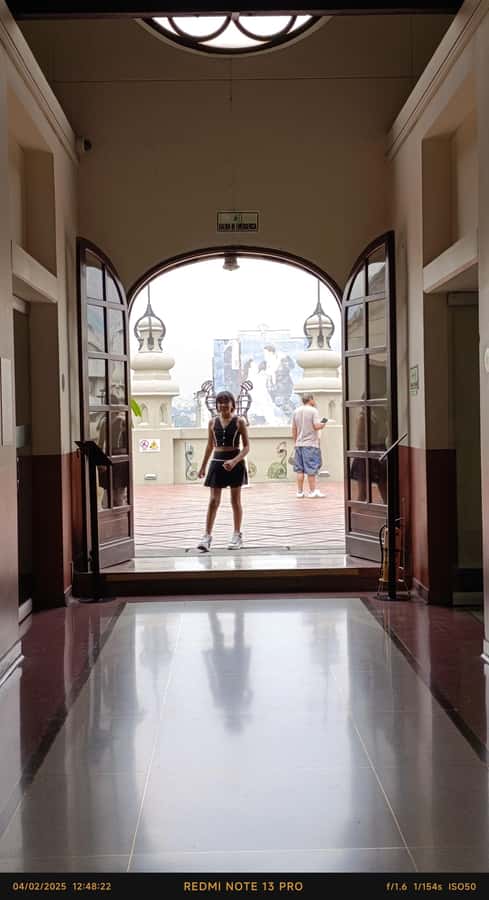
At the Palacio Nacional, you confront a dramatic transformation of power and space. The building went from a judicial palace to a shopping center, which is not a small change. It’s a rewrite of how the public uses a major landmark.
This stop is where the tour starts to feel more philosophical, because it asks you to consider what happens when a place stops serving one role and starts serving another. When power changes hands, the city’s map changes too, and your experience of the city changes with it.
In the same area, the route includes a quick look at another art space connection through the Palacio Nacional area, with a gallery stop that keeps you in the building while the guide talks history and meaning.
La Alpujarra spirits workshop: taste, listen, and connect the story
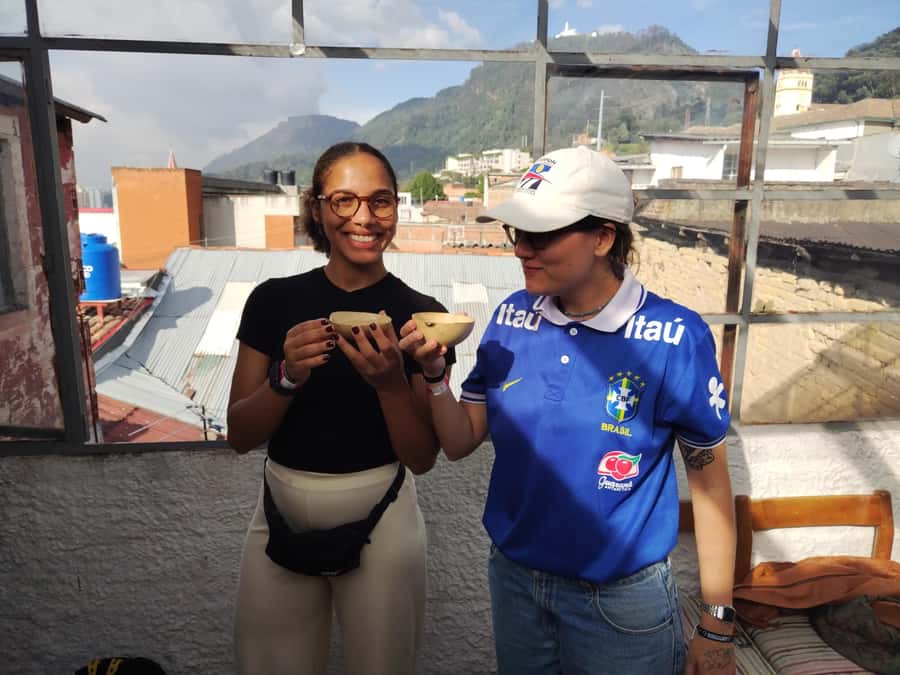
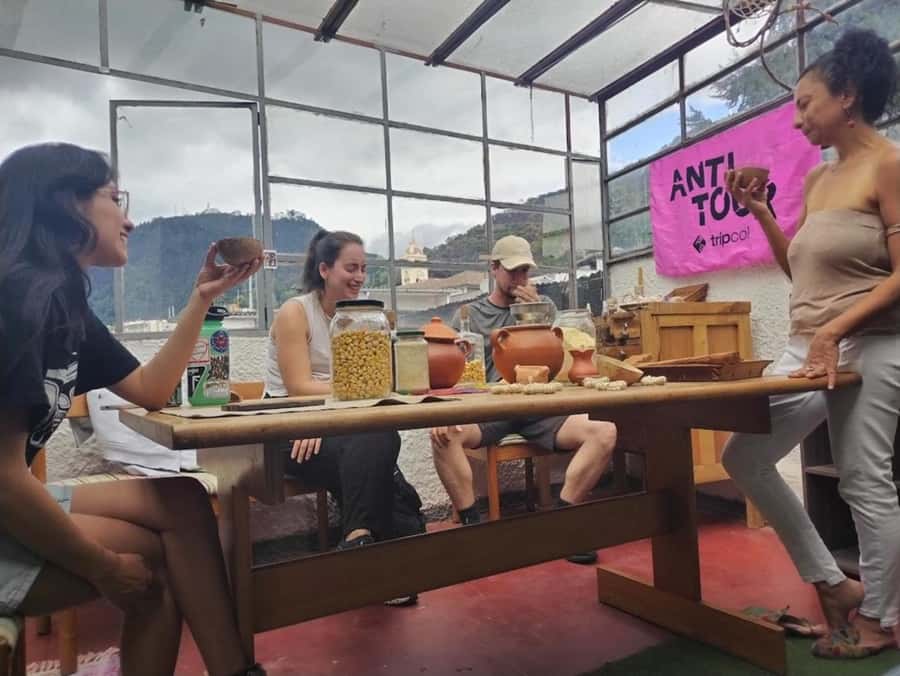
La Alpujarra is the political and administrative core of Medellín, and then the tour adds something practical and human: a spirits workshop experience. You get traditional liquor tasting, specifically described as viche tasting, which is tied to the cultural setting of the neighborhood.
This is one of the best parts if you like learning through senses, not just facts. Tasting something local while the guide explains the city’s transformation makes the story feel less academic and more real.
Also, it’s a smart pacing break. After a stretch of city walking, this gives you time to sit, talk, and absorb. If you’re nervous about handling the heavier themes, this stop helps you regulate your attention for what comes next.
Plaza Botero and the politics of art and culture
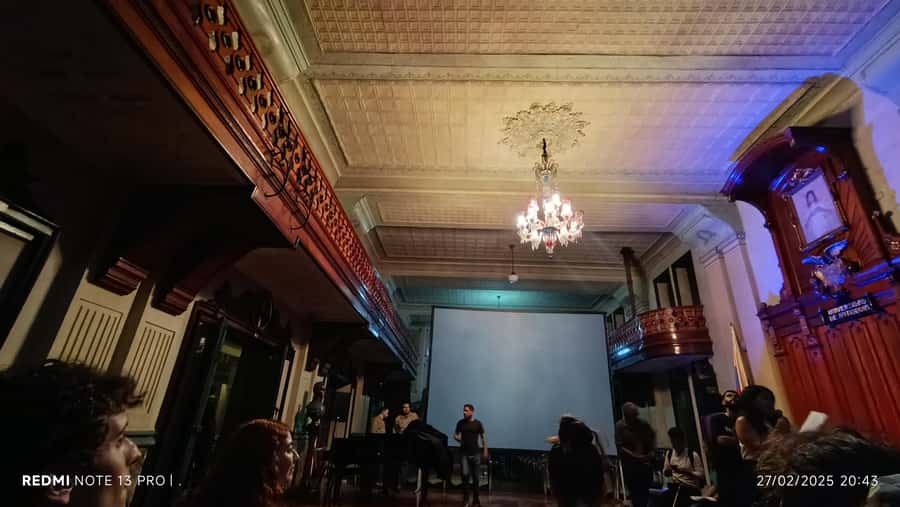
Plaza Botero turns the tone back toward identity. Surrounded by Botero sculptures and the imposing Palacio de la Cultura Rafael Uribe Uribe, you explore how culture can be used to rebrand a city’s image.
This is a valuable lesson, because it doesn’t treat art as neutral decoration. Instead, you look at how public culture can shape how locals and visitors feel about Medellín, especially when the city is constantly reshaping itself.
You get to compare what you saw earlier, where memory can disappear, with what you see here, where culture may reinforce a new narrative. The guide helps connect these dots so you leave understanding that “branding” is not just marketing. It’s a choice about what story becomes visible.
Coltejer Building and Junín Street: industrial ambition, then displacement
Next you trace the economic side of the story with the Coltejer Building, a symbol of industrial ambition. Then you move along Junín Street, once seen as the heart of elegant urban life.
The guide’s focus is displacement of collective memory. In other words, as economic progress grew, it didn’t just add new amenities. It shifted where people gathered, what buildings mattered, and which memories were allowed to stay central.
If you like urban history, you’ll probably enjoy how the tour links big structures to everyday social life. You might not always notice this in regular sightseeing, but here the route trains your eye.
La Playa Avenue and Casa de la Memoria Museum: reflection you can’t skip
The ending stretch is where the tour’s emotional weight lands. You head toward La Playa Avenue, described as a remaining trace of the city’s aristocratic past, with theaters and old mansions nearby. It’s a reminder that Medellín’s story includes class and power, not only politics in the abstract.
Then you visit the Casa de la Memoria Museum, and this is the stop you should treat slowly. The museum is included, and it’s specifically connected to reflection on Colombia’s armed conflict. If you’ve been asking yourself what was lost as you walked, this is where the tour gives you room to sit with the answer.
This is also where the tour’s human element becomes unavoidable, since the experience includes meeting ex-combatants and victims. You don’t leave with a neat feel-good story. You leave with a clearer understanding of what memory tries to protect.
The tour finishes near the Parroquia de San Ignacio de Loyola, so you’re not stuck way out in the middle of nowhere when you’re done.
Price and value for a $33, 3-hour experience
At $33 per person for about three hours, the value comes from what’s packaged together. You’re not only paying for a guide. You’re also getting entry to the Casa de la Memoria Museum and a viche tasting experience, plus guided visits across multiple key areas of central Medellín.
Transportation to and from the activity is not included, so you’ll want to factor in getting to the starting point at Monumento a la Raza and leaving when the tour ends. Still, because it is concentrated in the city center, you are likely to spend less time commuting than on half-day tours that bounce far out.
If you’re trying to decide whether this is “too much” for your trip budget, compare it to the cost of a museum ticket plus a separate guided tour. Here, the guide stitches the places into one coherent theme, which is what you’re paying for most.
Who should book Anti Tour Medellín, and who might skip it
I think this tour fits best if you like understanding cities through their history and through the choices people made, not just through what photographed well. You also need to be comfortable with heavy topics connected to Colombia’s armed conflict and with meeting people whose lives were shaped by that reality.
You might skip it if you want a purely relaxed, light walking tour, or if you do not want to think about demolition, silencing, and deliberate forgetting. It’s not a calm stroll, even if the route is only three hours.
It also is not suitable for wheelchair users, so if accessibility is a priority for you, you’ll need another option.
What to bring and how to prepare
Bring comfortable walking shoes. You’ll be moving through central neighborhoods, and you’ll want traction and support.
Also bring a hat and sunscreen. The guide’s route spends time outdoors, and you’ll feel it in the sun. If you can, carry water, and consider a small snack so you do not run low while the tour is going on.
If you are the type who likes to take photos, bring a camera. The contrast between modern buildings and surviving colonial pieces is a big part of why this tour works.
Quick reality check on safety and comfort
This tour includes areas that feel lively and crowd-heavy, especially around commercial streets. One key piece of advice is to treat it like a guided route, not a self-directed wander. Stay close to your group, pay attention to where the guide takes you, and don’t try to “explore one more block” on your own.
If you’re cautious by nature, you’re probably a good match for this experience. The tour feels more meaningful when you can focus on the story instead of worrying about where to stand.
Should you book Anti Tour Medellín?
Yes, if you want Medellín that goes past the standard highlights. This is one of the more thoughtful ways to see the city center because it ties specific places to the theme of memory versus redevelopment, and it ends with a museum visit that gives the story a place to land.
Also book it if you like guided interpretation. The route is short, but it covers enough ground that a good guide matters, and this format depends on having someone explain why each stop matters.
Skip it if you want comfort first, quiet second, and minimal emotion. Anti Tour Medellín is not trying to flatter the city. It’s trying to make you see it clearly, including the parts that are harder to look at.
FAQ
How long is Anti Tour Medellín?
It lasts about 3 hours.
Where does the tour meet?
The meeting point is in front of the Monumento a la Raza.
What language is the guide?
The live tour guide speaks English.
What is included in the tour price?
You get a guided exploration of Medellín’s old city center, visits to La Alpujarra, Parque de las Luces, El Hueco, and Plaza de Botero, viche tasting, and the Casa de la Memoria Museum ticket.
Is transportation included?
No, transportation to and from the activity is not included.
Is there a museum visit?
Yes. The tour includes a visit to the Casa de la Memoria Museum.
What should I bring?
Wear comfortable walking shoes, and consider bringing a hat and sunscreen. Bringing water and snacks can also help.
Is the tour wheelchair accessible?
No, it is not suitable for wheelchair users.
Is it possible to cancel?
Yes. You can cancel up to 24 hours in advance for a full refund.
Recently reviewed around Medellín
- Coffee Tour – All inclusive – Medellín★ 4.0 · 4 reviews
- Paragliding Over Medellín + Gopro & Photos + Private transport.★ 5.0 · 4 reviews
- Shared Tour Commune 13 and Metro Cable La Aurora de Medellin★ 4.5 · 4 reviews
- Medellín Spa: Hydrotherapy & Themed Massage with Teppanyaki★ 5.0 · 4 reviews
- Night Out Gay Bar Crawl in Medellin★ 4.0 · 4 reviews
- White Water Rafting Near Medellin★ 5.0 · 4 reviews
- Bilingual private transport to the airport.★ 4.5 · 5 reviews
- African Music Roots Private Tour in Comuna 13, Medellin★ 5.0 · 5 reviews
Medellín Tours, compared.

Comuna 13 Graffiti Tour, Cable Car & Street Food
Read our review →

Guatapé Tour: Piedra del Peñol with Boat Tour, Breakfast, Lunch
Read our review →
Day Trip To Guatapé with ,Breakfast, Lunch and Boat Ride
Read our review →
Comuna 13 Graffitour knows the urban art district of Medellín
Read our review →
Tour to Guatape, Piedra del Peñol, lunch, snacks boat trip
Read our review →
Half Day Bike Tour in Medellin – Local snack, Coffee or Beer
Read our review →