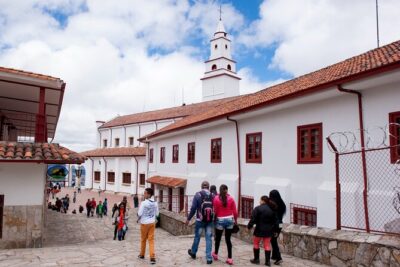
Reviewed · BOGOTÁ TOURS
Anti-tour Bogotá
What makes this Anti-tour Bogotá interesting is that it trades big landmark photos for lived-in stories about power, resistance, and what peace-building looks like on the ground. It’s a small-group format, so you get time to ask questions instead of just walking past people.
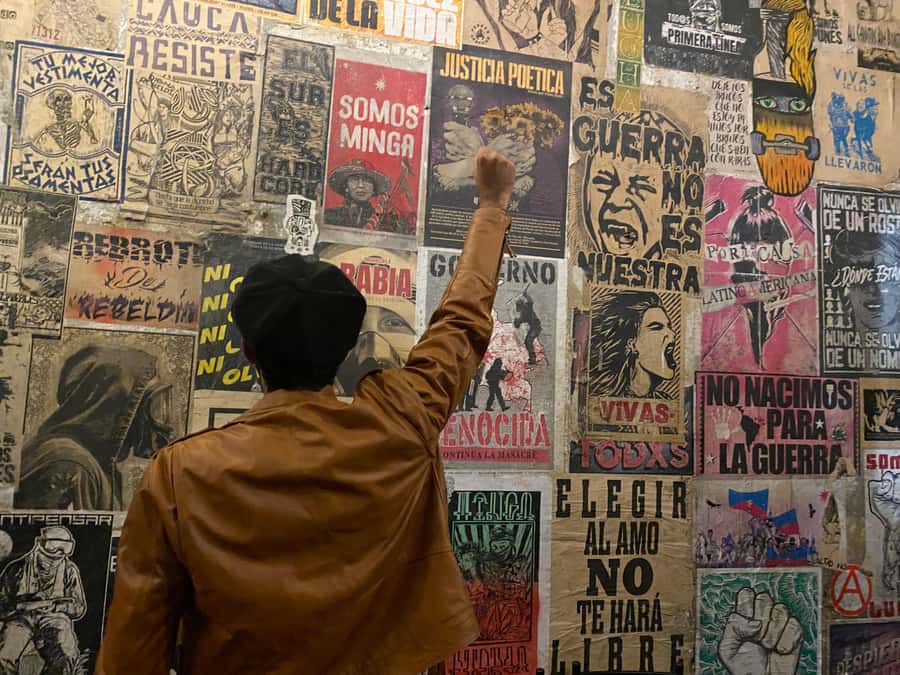
I especially like the hands-on chicha workshop and the chance to taste viche at La Trocha Casa de la Paz, where the conversation is part of the experience, not a side note. You also get a real-cultural break in La Candelaria through Manu Chao’s former home, which ties Bogotá’s street energy to modern music.
One possible drawback: this tour is more about social context and community spaces than classic sightseeing, and the drink tastings are alcohol, so you should be comfortable with that if you’re on the fence.
Key things to know before you go
- Chicha workshop in the old-center area, hands-on, not just watch-and-learn
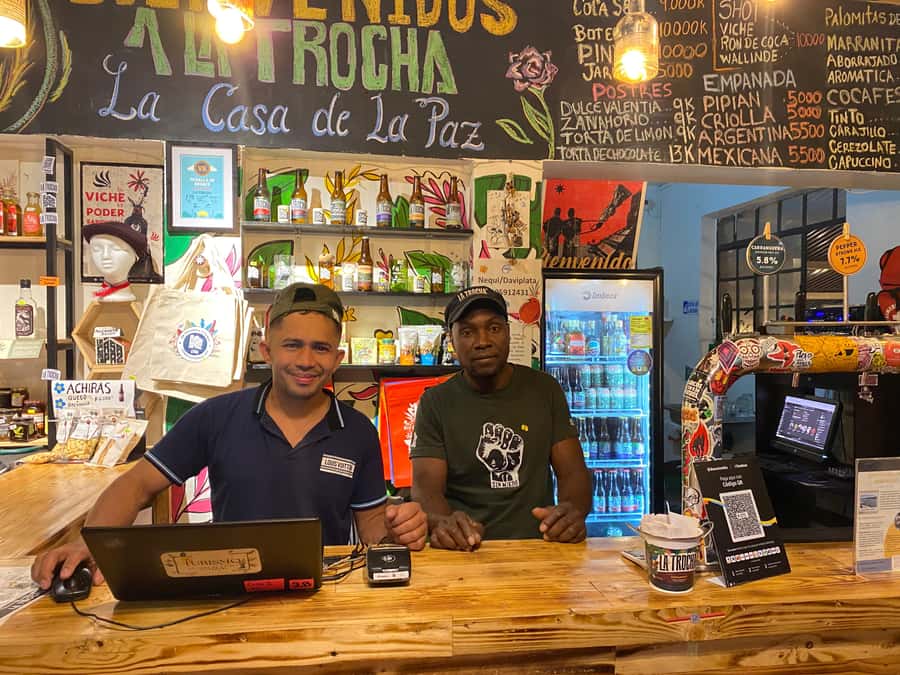
- Viche tasting at La Trocha Casa de la Paz, with personal stories behind the pour
- La Candelaria stop tied to Manu Chao, including entrance to his former home
- La Pola (Policarpa Salavarrieta) monument for a quick, meaningful independence-history stop
- TransMilenio and public transport use, so you see how locals move, not only the places locals photograph
Why this Anti-tour Bogotá feels different than standard sightseeing
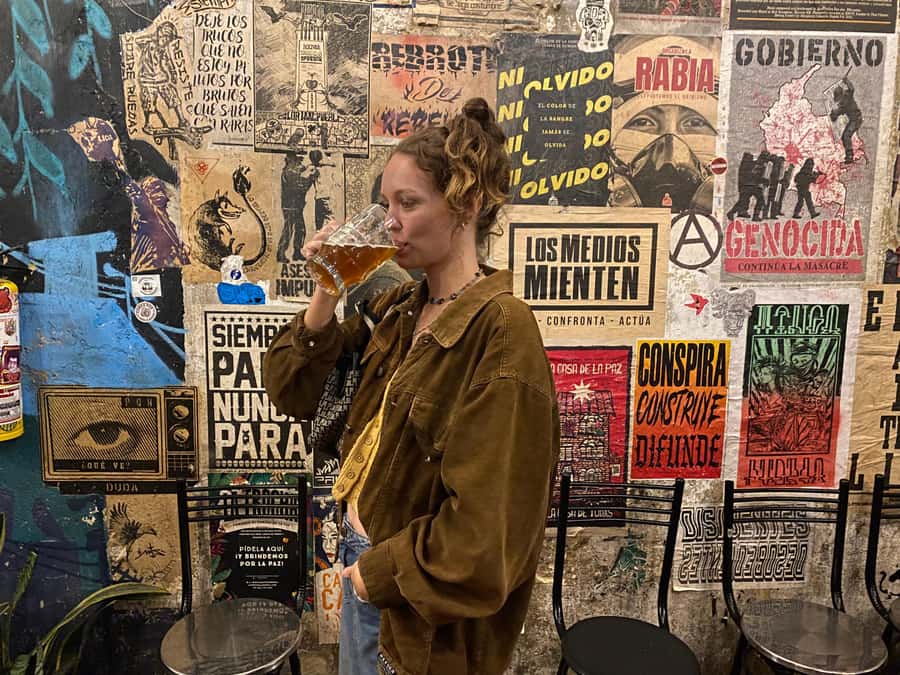
This is the kind of tour that makes Bogotá look less like a checklist and more like a living city with sharp edges. You start in a public space tied to a major Colombian name, then move into plazas and community-run stops where the point is context, not just views.
I like that it gives you two different “learning modes” in the same afternoon. First, you make something traditional, then you listen to people explaining how their past shaped their work now. That combo is a lot more memorable than collecting facts from a phone audio guide.
You’re also kept moving at a city pace. In a few hours you’ll cover independence history, a traditional Indigenous drink, and a peace-building arts space. If you have limited time in Bogotá but want something human and specific, this structure fits well.
The small-group size matters too. With up to 10 people, the guide can keep the rhythm and include questions without turning the experience into a lecture.
A few more Bogotá days worth comparing
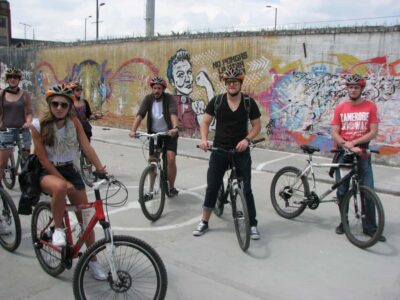
- Bogotá Bike Tour
★ 5.0 · 3,329 reviews - Bogota: Bicycle City Tour
★ 4.9 · 2,156 reviews - Zipaquirá: Salt Cathedral Group Tour with Pickup
★ 4.8 · 1,606 reviews
Price and value: what $42 buys you in 4 hours
At about $42 per person for a 4-hour tour, the price makes sense because you’re not just paying for walking and a map. You’re paying for guided site visits plus two food or drink experiences: a hands-on chicha workshop and a viche tasting.
It also includes entrance to Manu Chao’s house. That’s the kind of detail that usually costs extra when you plan it yourself. Add in the guided visits to historical points and the time spent talking with people connected to La Trocha, and you get a full cultural block without needing extra tickets, extra transport planning, or multiple reservations.
What you won’t get is an everything-is-included style deal. Personal expenses are on you, like buying extra water, snacks, or souvenirs. But for what’s included, it’s strong value for Bogotá, especially if you prefer learning through interaction instead of passive sightseeing.
Meeting at Parque de los Periodistas, then hitting La Pola fast
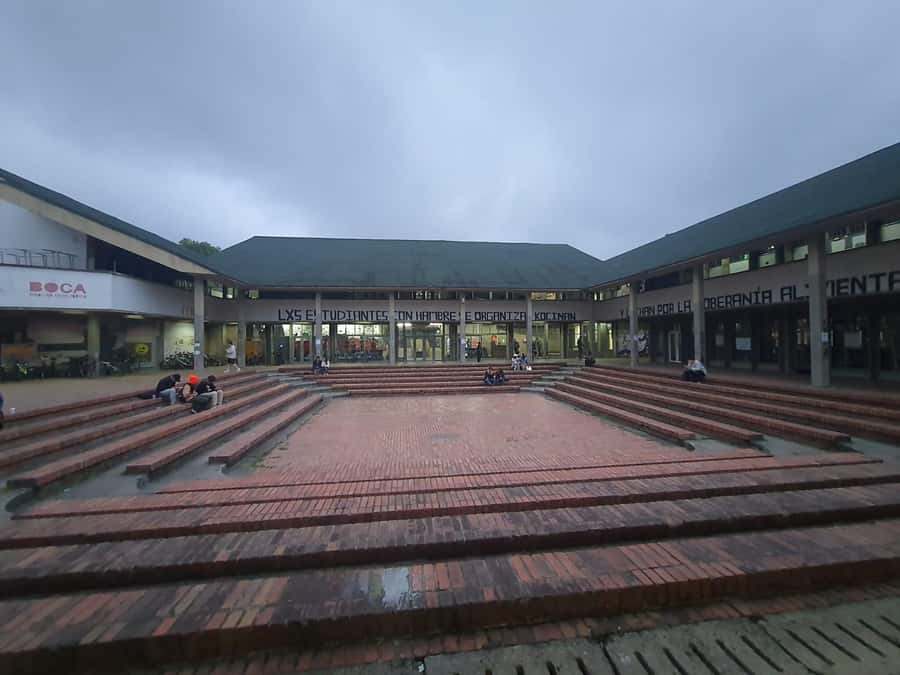
You begin at Parque de los Periodistas Gabriel García Márquez, meeting in front of the Bogotá sign. It’s a good start point because it’s public and easy to orient yourself before the tour splits into smaller streets and plazas.
The first historical stop is the La Pola monument, connected to Policarpa Salavarrieta. This is a short guided visit, about 15 minutes. The time is brief, but that’s the point. You’re not trying to memorize dates, you’re learning why the city still names itself after revolutionary heroines.
If you’re the type who likes to understand a city’s symbols before taking photos, this opening works. If you prefer to jump straight into neighborhoods and food, you might find the history portion slightly quick, but it sets the tone for everything that follows.
Chorro de Quevedo Plaza: where you make chicha and learn the why
Next comes Chorro de Quevedo Plaza, where you get guided time plus a hands-on chicha workshop lasting about 1.5 hours. This is not a quick tasting. You learn how the drink is made and then taste what you helped prepare.
Chicha here is treated as more than a beverage. It’s tied to Indigenous traditions and to the push-pull between ancient practices and modern life. That framing matters. It helps you taste with context instead of tasting like it’s just a novelty.
One practical tip: bring your comfort items seriously. The tour asks for comfortable shoes, plus a hat and sunscreen. That’s smart for Bogotá because sunlight can be intense even when you think it might be mild. And since you’ll be outside for parts of the afternoon, water is a must.
Also, watch your timing expectations. With workshop time, you’re not just passing through. You’ll likely smell like ingredients and corn-based fermentation at the end. It’s part of the fun, but I’d plan for it.
A different kind of day out of Bogotá:
- La Candelaria, Monserrate and Museums Bogotá Private City Tour
★ 5.0 · 1,567 reviews - Shared Tour of the Historic Candelaria in Bogotá
★ 5.0 · 1,551 reviews - Bogotá: Guided La Candelaria Walking Tour
★ 4.8 · 1,229 reviews - Graffiti Tour: a fascinating walk through a street art City
★ 5.0 · 1,074 reviews
La Candelaria stop for Manu Chao’s former home
After the chicha workshop, you head into La Candelaria for a quieter, cultural moment: Manu Chao’s former home. The tour includes entrance, so you’re not relying on guesswork or searching for the right door on your own.
This stop adds an important layer to the tour’s theme. It links the city’s street energy with the creative energy of someone famous, showing how Bogotá can shape music and public voice. It also shifts you from the history-and-tradition theme into the arts side, which makes the overall story feel less one-note.
La Candelaria is also a good neighborhood for this kind of pacing. You get guided context, then time to absorb the atmosphere of older streets. If you like architecture only when it connects to how people actually live, you’ll probably enjoy this section.
TransMilenio and the Gold Museum area: local transport, quick context
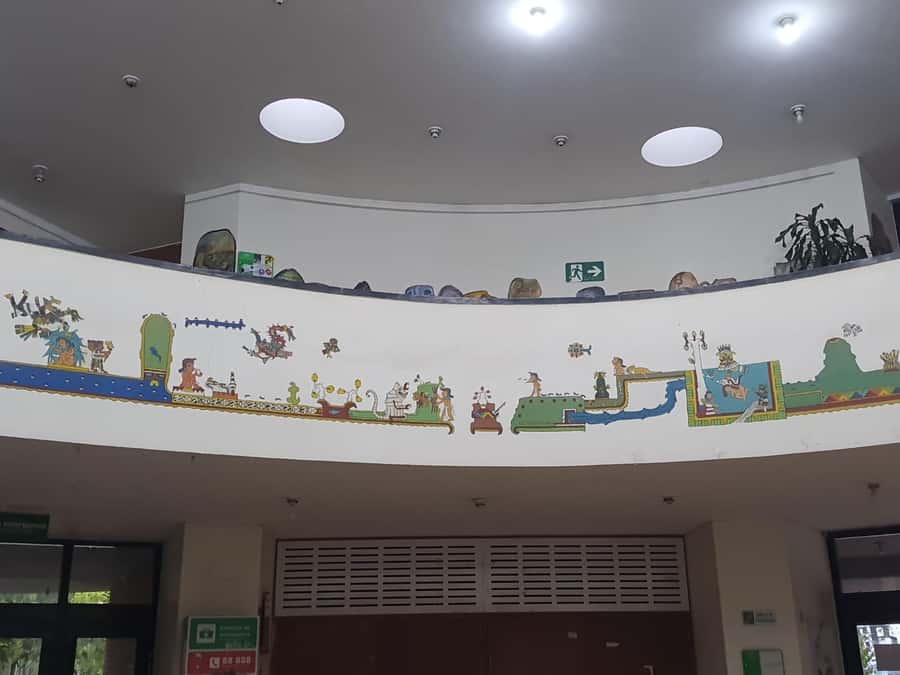
The itinerary includes time connected to TransMilenio and a 30-minute visit around the Gold Museum area. The emphasis here isn’t on a long museum session. It’s more like a short, guided orientation point to connect Bogotá’s public identity with what the city elevates and displays.
You’ll also spend about 12 minutes on public transport within the route. That’s useful because it prevents the tour from feeling like a staged stroll. It helps you see how quickly a city can change from one neighborhood mood to another.
If you get motion-sick easily, you’ll want to be mindful. Public transport is part of the experience design, not an optional extra. But the tour duration is only half a day, so it should be manageable for most people.
La Trocha Casa de la Paz: viche, arts market, and peace in action
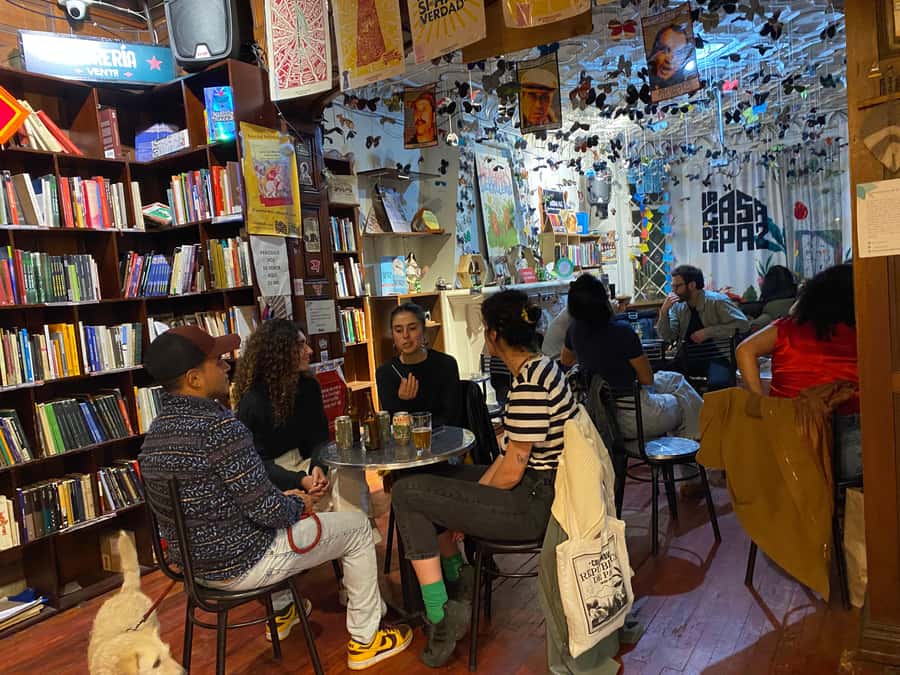
The main payoff for many people happens at La Trocha, La Casa de la Paz. This stop lasts about 80 minutes and includes an arts and crafts market visit. You also get to taste viche here, along with personal stories of transformation.
The tone shifts in a good way. This isn’t just a cultural performance where you watch and leave. You meet ex-combatants building peace and hear what that work looks like day to day. It turns a big concept into something grounded and human.
Why that matters for you: if you only visit museums or viewpoints, peace can feel like a slogan. Here, it’s tied to craft, conversation, and the effort of creating a future after conflict. Even if you disagree with something a person says, the experience forces you to deal with real lived consequences, not abstract debate.
About the tasting: viche is described as an ancestral sugarcane spirit, and you’ll taste it as part of the experience. If you don’t want alcohol, you should consider whether this tour fits your comfort level. The tour is designed around tastings, not around substituting an alternative drink.
This is also where you’ll probably notice what people praised most: the guide and the space keep things inclusive and easy to talk in. In past groups, guides like Andrés and Michael stood out for making the experience feel welcoming, not intimidating. If you get Paula, the same kind of thoughtful, guided energy comes through in how the conversation is handled.
What the pacing feels like, and what to bring
This is a 4-hour tour with a steady rhythm: monuments, plaza time, a workshop, a cultural entrance stop, transport segments, and the final peace-building market and tasting. You’re not doing marathon walking, but you are on your feet for long enough to deserve good shoes.
Your packing list is simple and practical:
- Comfortable shoes
- Hat
- Camera
- Sunscreen
- Water
If you like photos, bring your camera, but also be respectful. Places tied to community work and conversation are not a theme park. The tour style works best when you treat it like a meeting, not a photo op.
If you’re sensitive to strong smells from fermentation or spirits, know that the chicha workshop and viche tasting can linger. It’s not a problem, just something to plan for so you’re not caught off guard.
Who should book this Anti-tour Bogotá, and who might skip it
You should book if you:
- Want Bogotá beyond the usual photo stops
- Learn best through hands-on experiences like making chicha
- Enjoy cultural context, especially independence history tied to names and monuments
- Like conversations in community spaces, not just guided monologues
You might skip it if you:
- Want a purely sightseeing-focused itinerary with long time at major sights
- Dislike alcohol tastings and you’re not comfortable with viche
- Prefer a very polished, scripted tour where every minute is predictable and buttoned up
Also consider your day plan. This tour is a compact block. If you schedule it near another neighborhood activity, you’ll likely want something low-stress afterward, since workshop time and transport can make the afternoon feel full in a good way.
Should you book Anti-tour Bogotá?
If your goal is to understand Bogotá as a city of ideas and lived stories, book it. The value is strong for what you get: chicha workshop, viche tasting, entrance to Manu Chao’s former home, and guided context at historical and community sites, all in a small group.
If you’re mainly chasing classic landmarks and you dislike alcohol tastings, pick something more traditional. But if you want an afternoon that feels personal, not generic, this is one of the better ways to spend a limited day in Bogotá.
FAQ
How long is the Anti-tour Bogotá?
The tour duration is 4 hours.
What does the tour cost?
The price is listed as $42 per person.
Is the tour guided in English?
Yes, the tour includes a live guide in English.
What group size should I expect?
The tour is a small group, limited to 10 participants.
Where do I meet the tour?
You meet at Parque de los Periodistas Gabriel García Márquez, in front of the Bogotá sign.
What food or drink experiences are included?
You get a hands-on chicha workshop and a viche tasting.
Which stops are included in the itinerary?
You visit the La Pola (Policarpa Salavarrieta) monument, Chorro de Quevedo Plaza, a stop in La Candelaria connected to Manu Chao’s former home (including entrance), and La Trocha, La Casa de la Paz.
Does the tour use public transport?
Yes. The itinerary includes TransMilenio and a short segment of public transport (about 12 minutes).
Can I reserve now and cancel for a refund?
You can reserve now and pay later, and you can cancel up to 24 hours in advance for a full refund.
What should I bring?
Bring comfortable shoes, a hat, camera, sunscreen, and water.
Recently reviewed around Bogotá
- Visit and live a colombian coffee plantation (group tour)★ 4.5 · 4 reviews
- Villa de Leyva Food Tour at Sunset★ 5.0 · 4 reviews
- Private Coffee Tour in Cachipay★ 5.0 · 4 reviews
- Tour Nocturno de Tejo y Salsa en Bogotá★ 5.0 · 4 reviews
- Bike Tour in Bogota★ 5.0 · 4 reviews
- Hike to the Rocky mountains of Sutatausa Private Day Tour★ 5.0 · 5 reviews
- Andrés Carne de Res Chía: VIP Entry with Cover & Welcome Cocktail★ 5.0 · 5 reviews
- Salt Cathedral Tour along with the Legendary Lake Guatavita★ 5.0 · 5 reviews
Bogotá Tours, compared.
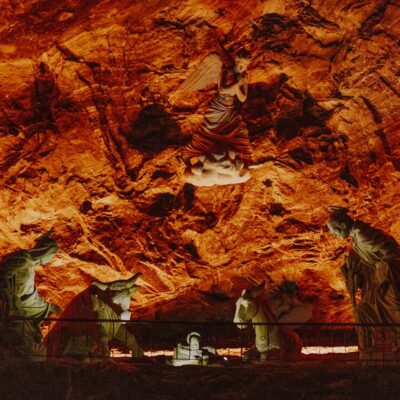
Zipaquirá: Salt Cathedral Group Tour with Pickup
Read our review →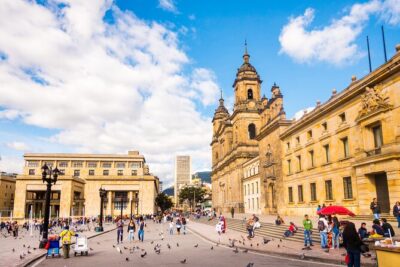
La Candelaria, Monserrate and Museums Bogotá Private City Tour
Read our review →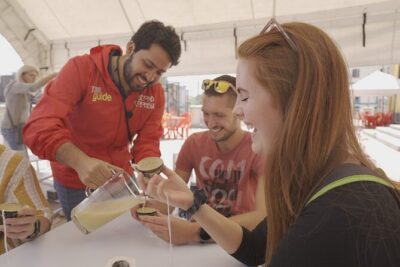
Shared Tour of the Historic Candelaria in Bogotá
Read our review →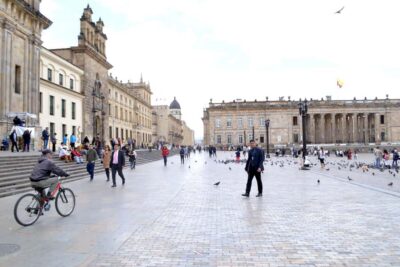
Graffiti Tour: a fascinating walk through a street art City
Read our review →