
Reviewed · COMUNA 13
Medellín: Comuna 13 District Tour with Cable Car Ride
Comuna 13 is one of those Medellín stories that hits fast, because you see the change on the ground, not just in photos. I love that this tour mixes street art and local history with a real ride on the metro and cable car, so the neighborhood comes alive as part of the city. The main thing to consider is that you’ll walk a lot, climb stairs, and spend time on hilly streets.
From the moment you meet at the metro, the pace is set up for you to follow along, ask questions, and take in the views without getting lost. The tour also includes community-focused stops like the library, which can feel emotional in the best way. If you have mobility limits or trouble with steps, this one may be tough.
Key things to know before you go
- Metro first, then cable car: you travel the way locals do, not as a staged photo circuit.
- Graffiti walls with real context: street art is explained as part of the neighborhood story.
- Panoramic viewpoints: cable car views plus a top observation deck give you the big picture.
- Outdoor escalators in Comuna 13: a distinctive, practical way to move uphill.
- Time to meet and talk: you’re encouraged to interact with residents and absorb everyday life.
- Guides named in reviews: Christian, Walter, Angel, Camilo, Arturo, and Sebastiaan are repeatedly praised for making history human.
Why this Comuna 13 tour feels like more than street art
Comuna 13 has become a symbol of Medellín’s resilience. What makes this tour work is the structure: you move through the city using mass transit, then climb into the neighborhood, then walk the streets where the art and the history are tied together.
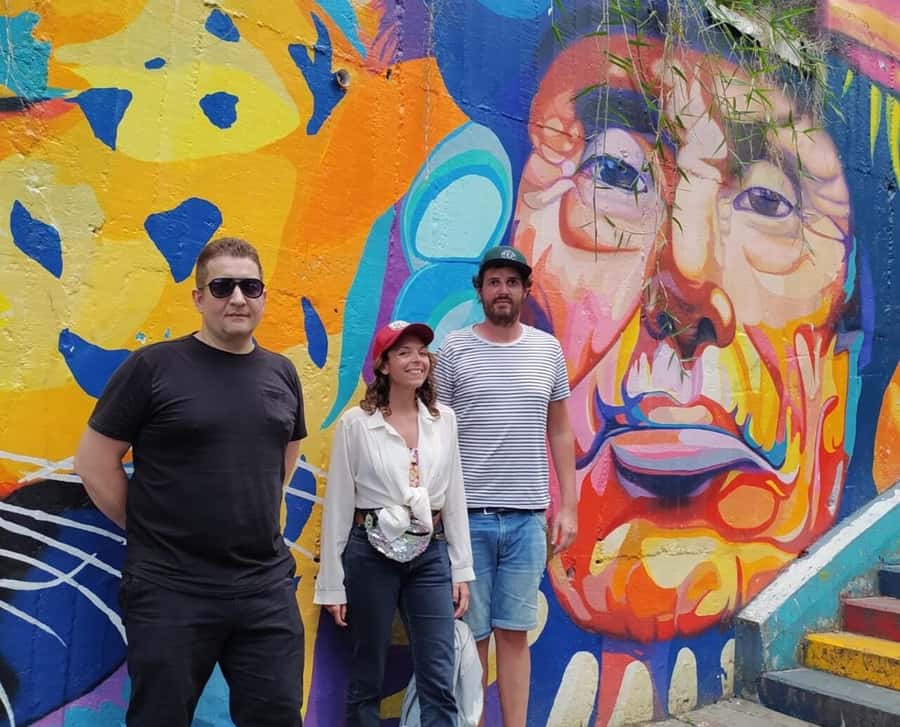
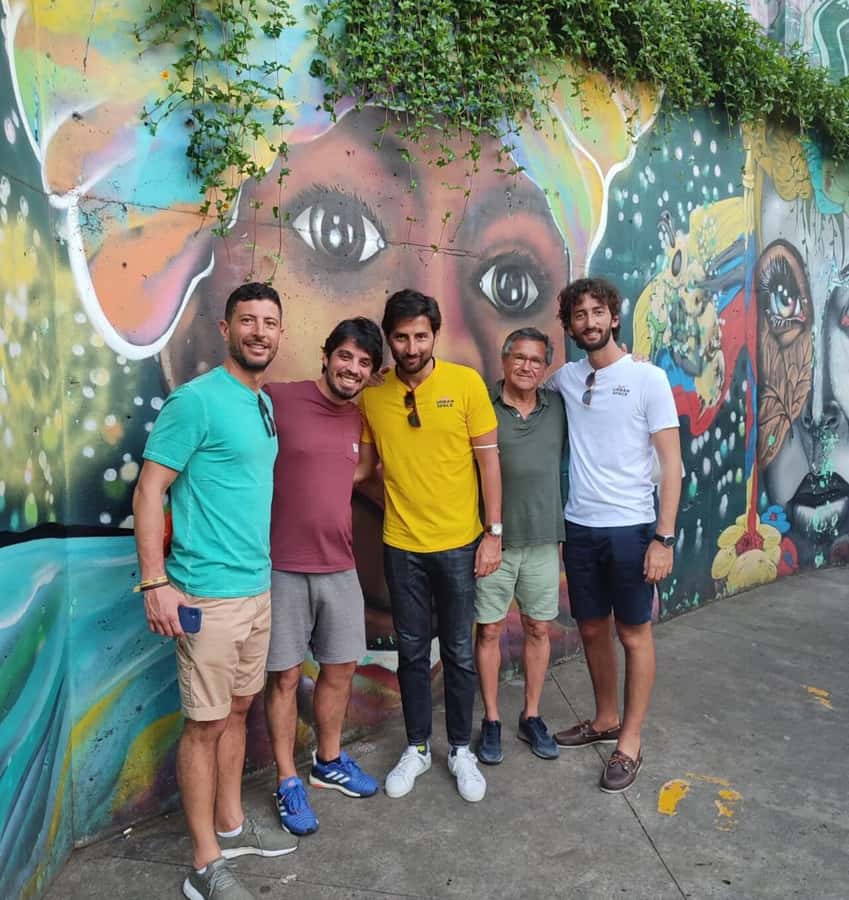
The street art stops are not just for snapping selfies. You’re given the why behind the murals and the shifting identity of the area, including how the neighborhood changed over time. That context matters because Comuna 13 used to be shaped by the violence of the early 2000s. Seeing the murals with that background turns color and creativity into something you can actually understand.
The other part I like is the “like a local” transport plan. You take the metro across the city, then use the cable car for the hill, and later get back on public transit. It’s a simple formula, but it keeps the day feeling real.
More cable car rides in Medellín:
- Medellin: Comuna 13 Graffiti Tour, Cable Car & Street Food
★ 4.8 · 9,046 reviews - Medellín Tour: Themed Vehicles, Tram Ride and Metrocable
★ 5.0 · 1,468 reviews - Comuna 13 Tour with Cable Car Ride
★ 4.5 · 590 reviews
Meeting at Poblado Metro: the fastest way to start feeling oriented
You start at the Estación Poblado metro area (your exact meeting point can vary based on the option booked), and that’s a smart choice. Poblado is where a lot of visitors base themselves, so you begin close to where you already understand the city layout.
Once you’re with the guide, the first chunk of time is about orientation. You learn how the metro stations work, what to watch for, and how this system helped shape modern Medellín. Even if you plan to use the metro on your own, having a guide explain how to read it makes the rest of the day easier.
This matters for more than convenience. It changes how you experience Medellín. Instead of treating transit as something you “have to do,” you start seeing it as part of the city’s story, including how people connect different neighborhoods.
Metro ride across Medellín: what you learn before the cable car
The tour includes metro time at the start and also on the way back, so you get a full sense of how the system moves people. You’re not just riding once for a photo moment. You’re using it twice, with explanations along the way.
Expect the guide to point out key stations and key points in Medellín, plus how the metro became part of the transformation narrative for the city. In reviews, guides like Christian and Walter are praised for answering questions and adding context beyond Comuna 13. That helps if you’re the type who wants to understand the “how did this happen” story, not just the “what do we see” list.
A practical note: metro rides also set expectations for pace. You’ll be on your feet soon, so use this time to settle in, charge your phone, and get your camera ready for later viewpoints.
Cable car up the hill: panoramic views with history attached
When it’s time to switch to the cable car, you get the best kind of transition. The city opens up as the cable car climbs, and the views give you perspective for what you’ll walk into next.
The cable car section is where the tour becomes visually addictive. From above, you can see how Medellín spreads out, and you can connect the neighborhood’s position to the rest of the city. Guides also explain the evolving history as you ride, including the troubled past that Comuna 13 faced.
This is also a good moment to slow down. People often take a ton of photos in the cable car, and that’s fine. Just remember to keep an eye on your footing and follow the group. It moves fast, and you’ll want to be ready when your guide calls out a viewpoint or a key story point.
More of Comuna 13:
- Comuna 13 Graffiti Tour with Street Food
★ 5.0 · 7,503 reviews - Comuna 13 Graffitour knows the urban art district of Medellín
★ 5.0 · 2,856 reviews - Medellín: Comuna 13 True Story and Street Food Tour
★ 4.9 · 1,779 reviews - City tour Medellin + Comuna 13 + Graffititour Paisa for a day
★ 5.0 · 1,660 reviews
The bus toward Comuna 13: arriving the way residents do
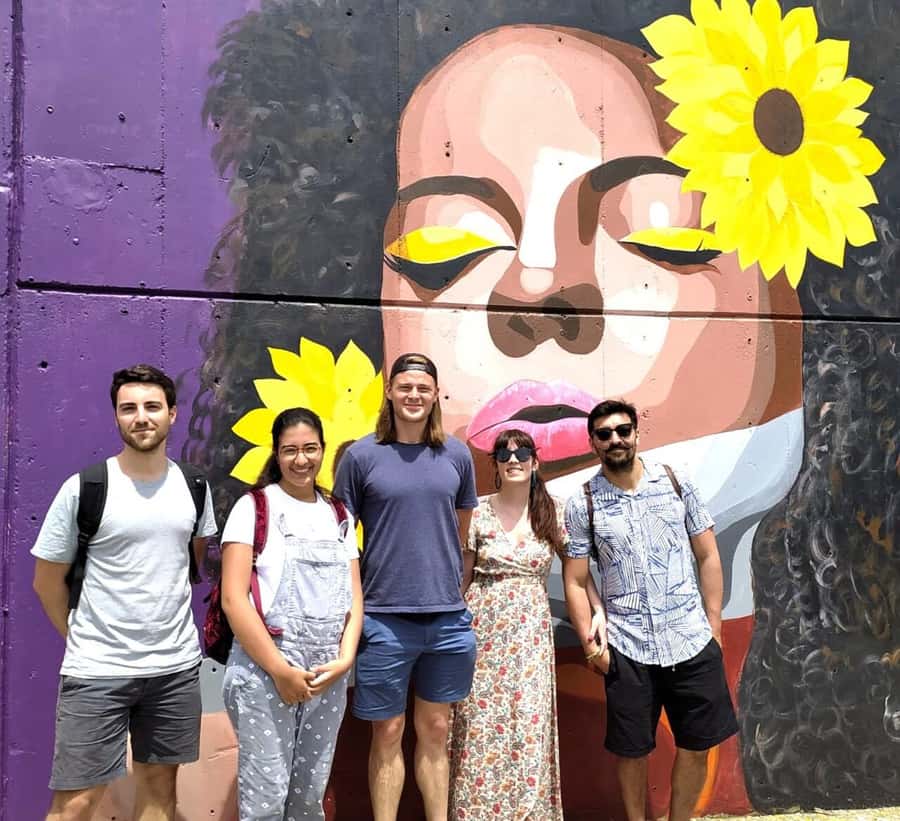
After the cable car, you take a short bus ride toward Comuna 13. This part can feel more “local” than you might expect, because it’s not just a scenic connector. It’s the link between a panoramic ride and the tight streets where day-to-day life happens.
The benefit of this sequence is that it keeps your energy balanced. The cable car gives you the big view. The bus ride helps you transition into the neighborhood without dropping you in cold. You get time to adjust before the guided walking portion begins.
If you’re prone to getting carsick, it’s worth knowing the bus segment is shorter than the walking segment. You still might feel the hill in your body, but it’s not a long, drawn-out ride.
Comuna 13 guided walk: murals, escalators, and the library moment
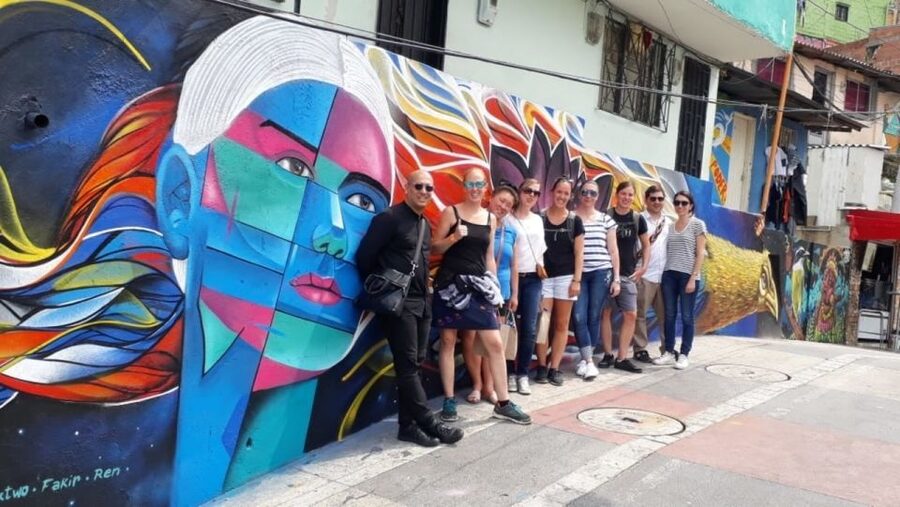
This is the heart of the tour. Once you’re in Comuna 13, your guide switches from citywide context to neighborhood-level stories, including the positive changes that transformed what had been seen as one of the areas worst affected by the violence in South America.
Street art with a point
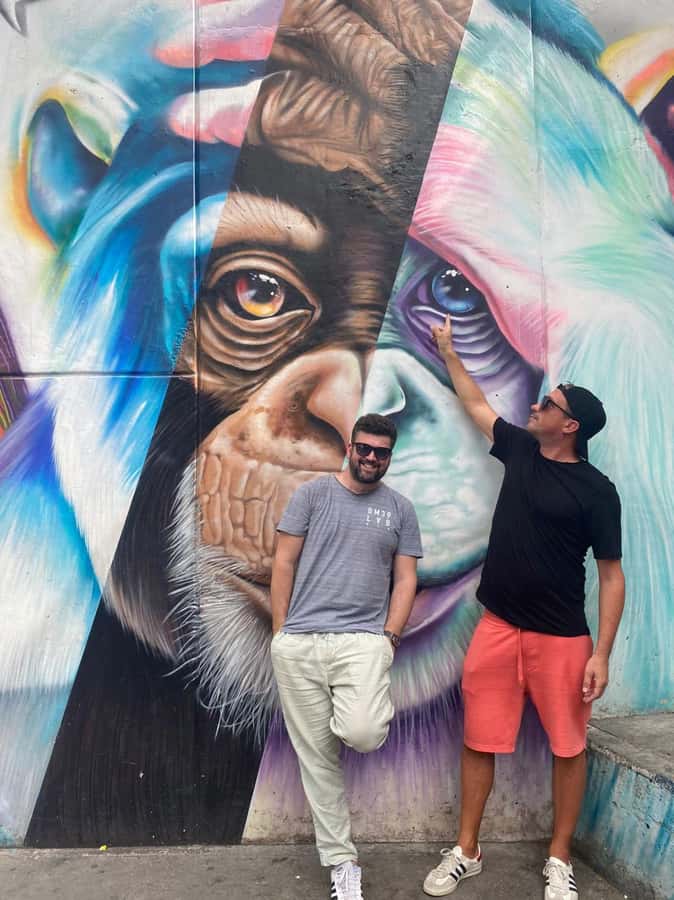
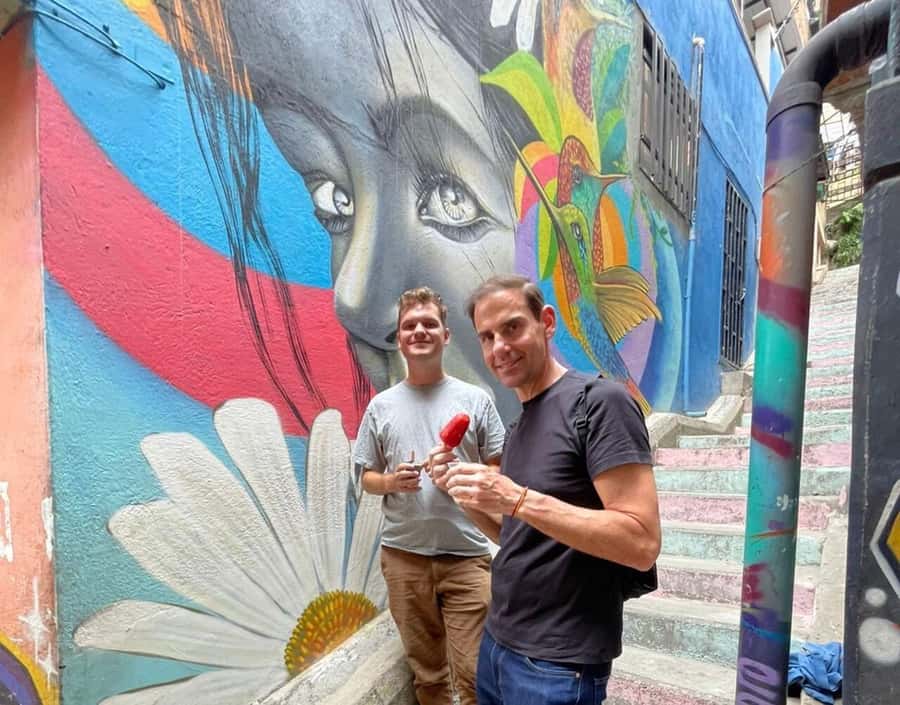
You’ll see colorful graffiti walls and learn about the street artists and what the murals represent. The big payoff is that the art becomes a language, not decoration. Many guides in reviews are praised for mixing humor with serious context, like Christian and Sebastiaan, who are repeatedly mentioned for being fun but also for making the history make sense.
You’ll also have time to take in the walls at your own pace. One of the nicer details in reviews is the mention of the group not feeling rushed all the time, and some travelers even describing getting small pockets of free time.
Outdoor escalators and a top observation deck
Comuna 13 includes electric outdoor escalators that carry you upward. This is not just a thrill ride. It’s a practical part of how the neighborhood is navigated now, and it helps you access better viewpoints without relying only on stairs.
After that, you reach an observation deck with incredible views. This is your second “big picture” moment after the cable car. Looking out from up here helps the stories click, because you’re seeing the neighborhood’s scale and its connection to the rest of the valley.
Meeting local residents and the library stop
One of the most emotionally resonant parts is time with local residents and the stop at a library that functions as a community center. Reviews call this moment touching, and it’s easy to see why. It’s not a museum stop where everything is behind glass. It’s a place tied to learning, the next generation, and everyday community life.
If you want to support the library, a practical approach is to ask your guide if there’s an appropriate way to contribute during your visit. One reviewer specifically wished there were clearer donation options, so your guide may be the best person to tell you what’s possible on the day you go.
The walking reality: stairs, crowds, and how to plan your comfort

Comuna 13 involves a lot of walking and climbing up and down stairs. That’s not a complaint about the tour, it’s just the physical reality of the neighborhood. Reviews mention it clearly, and even people with knee problems found it challenging.
So plan your body for uneven effort. Wear shoes you can trust, not fashion sneakers with slick soles. Bring comfortable clothes that handle warm air and movement. If you’re traveling with a camera, consider a strap and keep it secure, because you’ll be moving through crowds and changing elevations.
Also, expect it to be busy. This matters because crowded areas mean you’ll need to be flexible with where you stand for photos and when you move through narrow streets. Your guide helps manage the flow, including shortcuts that are meant to save time and reduce unnecessary walking.
Price and value: what $27 buys you in a 4-hour day
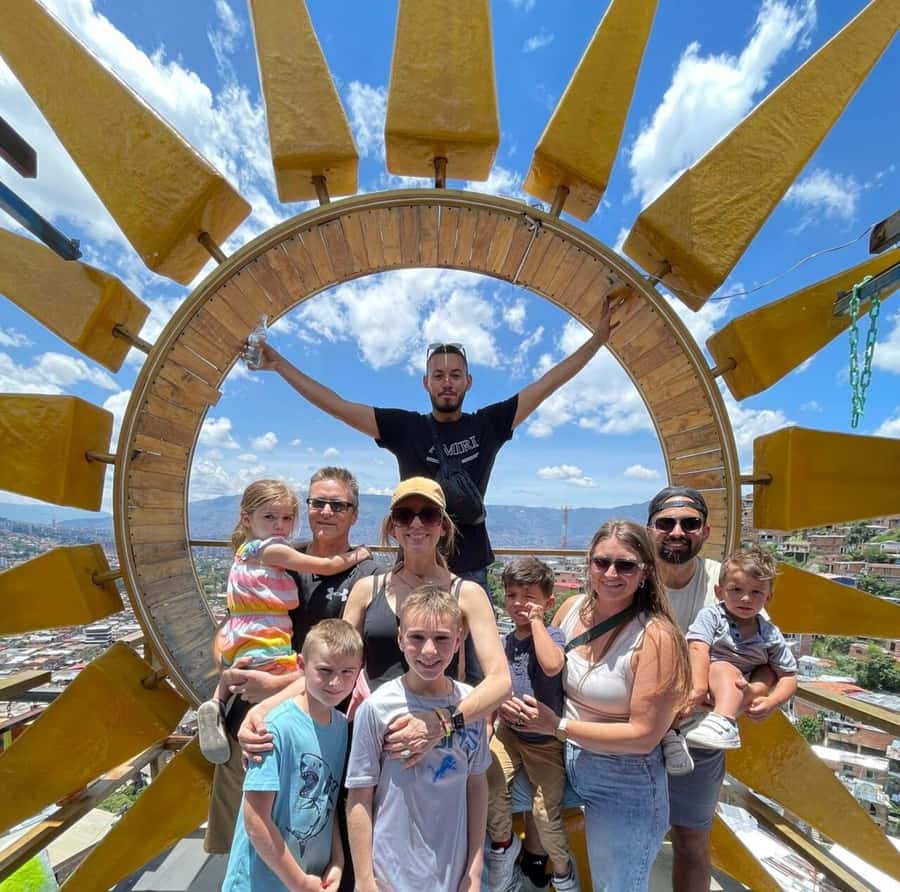
At $27 per person for about 4 hours, the value is strongest if you take advantage of the transport elements and the guiding. You’re not paying only for a walk and a few murals. The price includes metro tickets, bus tickets, and English and Spanish-speaking experienced guides.
That mix is the reason the tour ends up feeling efficient. You get multiple transit modes, guided context, and a neighborhood visit that you likely would not organize correctly on your own, especially with the timing and the uphill movement.
It also includes the kind of details you can’t easily DIY, like how to use the metro efficiently, what points to notice along the way, and how Comuna 13’s story fits into Medellín’s broader transformation. Guides are repeatedly praised for being organized and for making the day feel smooth.
One more value factor: a lot of reviews highlight that you’re able to interact with residents and that guides are well known locally. Even if you never meet the “famous guide” crowd, the general vibe is that your time in the neighborhood has a human filter, not a checklist filter.
Who should book this Comuna 13 tour (and who might skip)
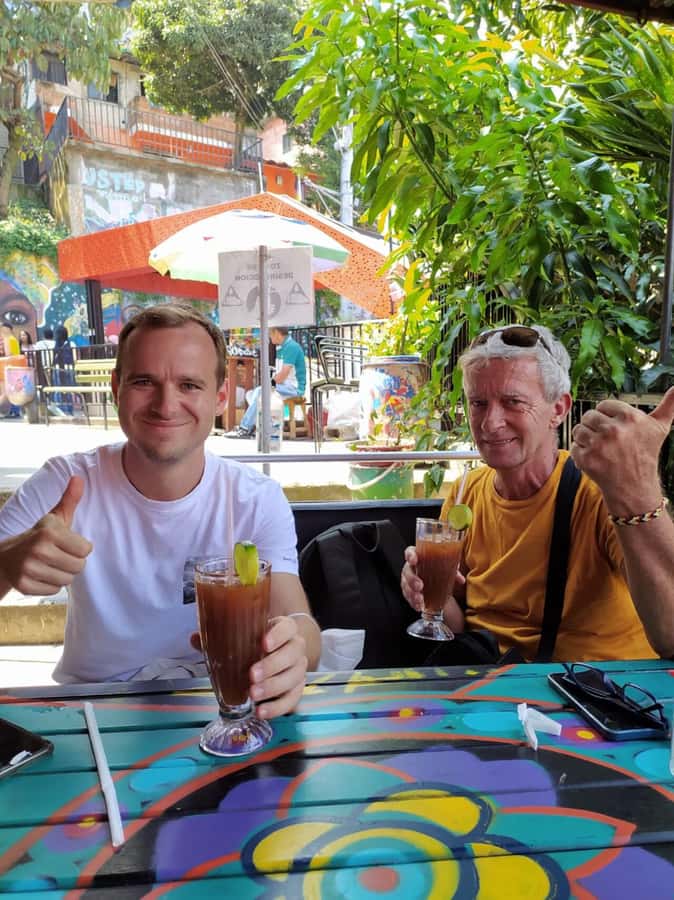
This tour is a great match if you want:
- Street art with real context, not just photos.
- Panoramic views from the cable car and observation deck.
- To use Medellín’s transit system in a guided, low-stress way.
- A guide who talks history and also keeps things light when the subject gets heavy.
It might not be your best fit if:
- You use a wheelchair or need a step-free route, because the tour is not suitable for wheelchair users or people with mobility impairments.
- You can’t handle steep climbs, stairs, and an active walking pace.
If you’re traveling with teens or adults who like history and photography, it tends to land well. If your top priority is a relaxed stroll with minimal effort, you might feel overworked.
Quick practical tips for your day
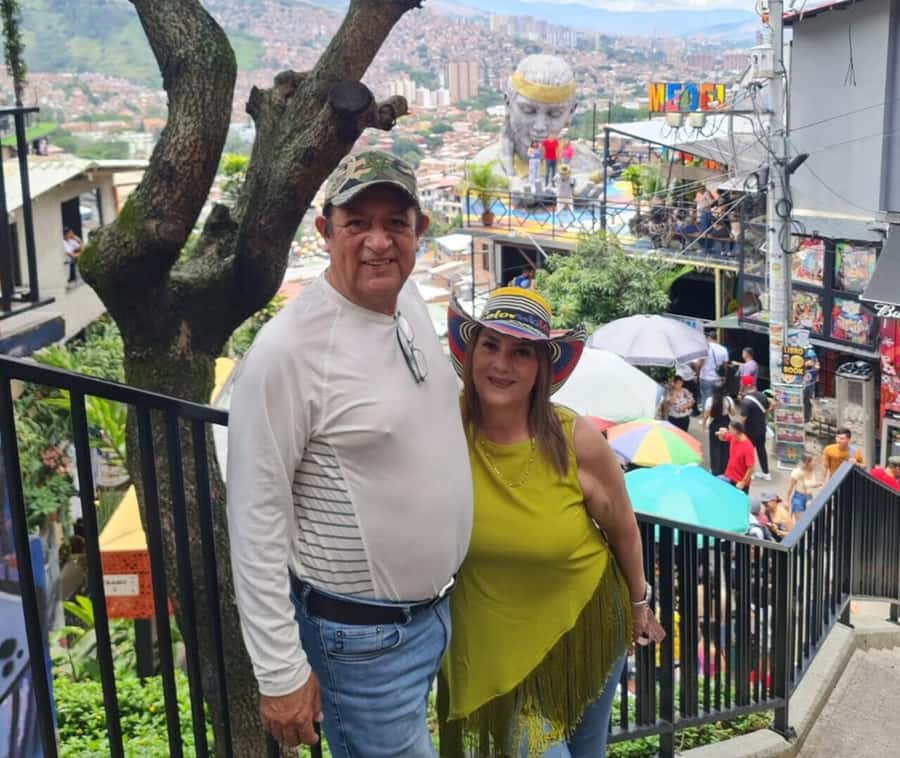
Bring comfortable shoes first, then your camera. After that, pack comfortable clothes so you can move and stay cool.
Leave luggage or large bags at your lodging. The tour does not allow them, and carrying big items makes crowded public transport harder.
Finally, be ready to ask questions. A big theme in reviews is that guides answer everything, and some go beyond Comuna 13 into Medellín’s politics and personal stories. If you want to understand the city’s resilience in a way that goes past headlines, this is where that happens.
FAQ
Where does the tour start and end?
The meeting point may vary depending on the option booked, but it includes Estación Poblado del metro as a starting location and drop-off location.
How long is the Comuna 13 graffiti tour?
The total duration is 4 hours.
How much does it cost?
The price is $27 per person.
What transportation is included during the tour?
The tour includes metro tickets, a cable car ride, and bus/coach rides.
Is there time to explore the street art and murals?
Yes. You’ll have time to take in the street art in Comuna 13 during the guided portion.
Is the tour wheelchair accessible?
No. It is not suitable for people with mobility impairments or wheelchair users.
What should I bring?
Bring comfortable shoes, a camera, and comfortable clothes.
Is luggage allowed?
No. Luggage or large bags are not allowed.
What language are the guides?
The tour offers guides who speak English and Spanish.
Should you book this Comuna 13 District Tour with a cable car ride?
If you want a half-day that mixes history, street art, and real transit, this is an easy yes. The $27 price works best when you care about more than sightseeing, when you want the neighborhood explained by a local guide, and when you can handle uphill walking and stairs.
If you’re limited by mobility or prefer step-free routes, skip it. For everyone else, it’s one of the most direct ways to understand why Medellín’s change is not just a story, it’s visible in the streets.
Recently reviewed around Medellín
- Coffee Tour – All inclusive – Medellín★ 4.0 · 4 reviews
- Paragliding Over Medellín + Gopro & Photos + Private transport.★ 5.0 · 4 reviews
- Shared Tour Commune 13 and Metro Cable La Aurora de Medellin★ 4.5 · 4 reviews
- Night Out Gay Bar Crawl in Medellin★ 4.0 · 4 reviews
- Medellín Spa: Hydrotherapy & Themed Massage with Teppanyaki★ 5.0 · 4 reviews
- White Water Rafting Near Medellin★ 5.0 · 4 reviews
- Bilingual private transport to the airport.★ 4.5 · 5 reviews
- African Music Roots Private Tour in Comuna 13, Medellin★ 5.0 · 5 reviews
Comuna 13, compared.
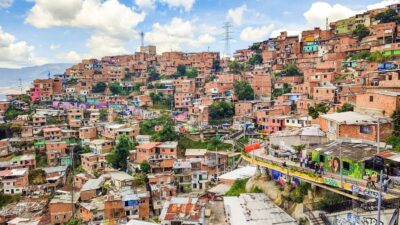
Comuna 13 Graffiti Tour, Cable Car & Street Food
Read our review →
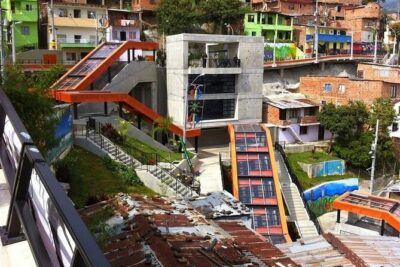
Comuna 13 Graffitour knows the urban art district of Medellín
Read our review →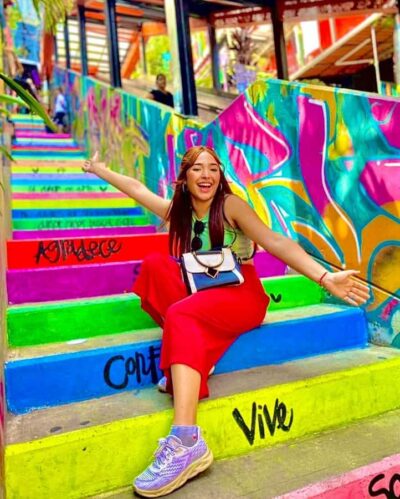

City tour Medellin + Comuna 13 + Graffititour Paisa for a day
Read our review →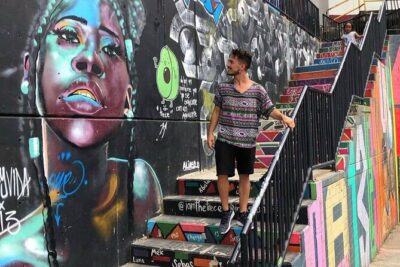
Guided Tour of Comuna 13 Medellín with Snacks Included
Read our review →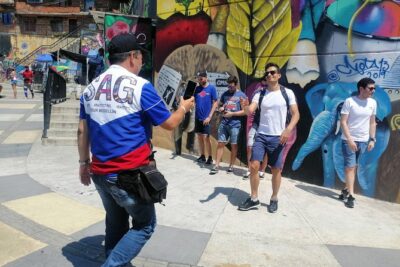
Comuna 13: Esmeralda más cata de café y cerveza tour Inolvidable
Read our review →
Browse the lists this tour appears in