
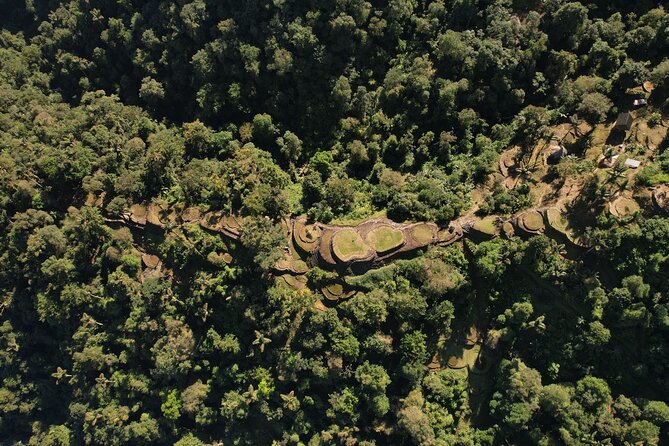
Reviewed · LOST CITY TREK
Lost City – Ciudad Perdida Colombia
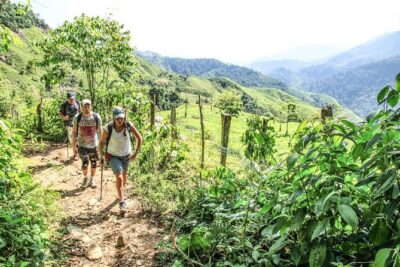
A hike to Ciudad Perdida is interesting because you are not just walking to ruins, you are walking through living mountain communities and into an older way of life. This trek also mixes long forest-and-step climbs with time to understand what you are seeing, not just snapping photos.
Two things I really like about this experience are the all-inclusive meals and accommodation included along the way, and the fact you get an English translator plus local guide support. It makes the trail more than a workout, it becomes a guided story you can follow step by step.
One drawback to keep in mind is the trekking difficulty. The official level is Alto, and the trail can turn slick and tough in bad weather, so you need solid shoes and realistic expectations for day-to-day walking.
Key highlights you should care about
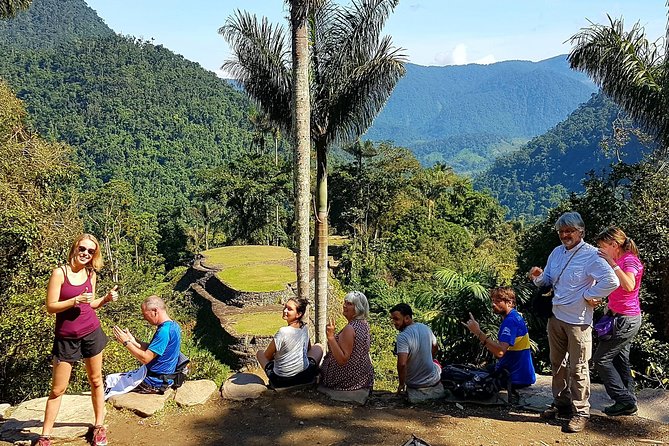
- Ciudad Perdida climb and guided time on the archaeological area, with time for your own pace and reflection
- Cultural visits on the trail, including a stop at the indigenous Mutanzi pueblo
- Mamey as your trek hub, with a 4×4 transfer and long walk segments that shape your days
- Real camp living, hammocks or beds with mosquiteros, plus options for tents in some nights
- Community connection built into the experience, with contributions to indigenous and peasant communities included
- Small group size (max 15), which helps keep the pace manageable
Why the Ciudad Perdida trek feels like more than a ruin visit
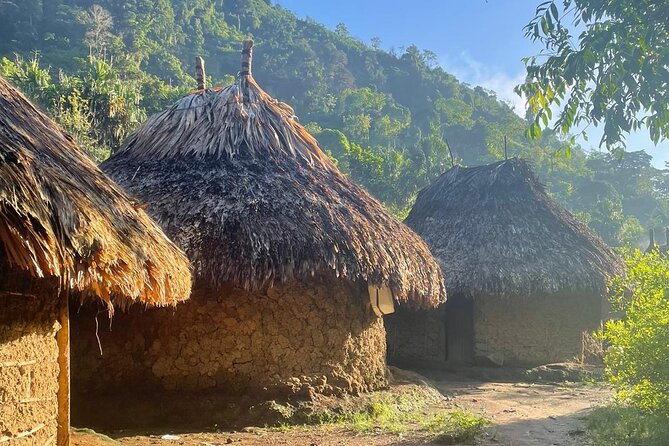
If you like travel that moves at walking speed, this is the kind of trip that works. You start outside Santa Marta, spend multiple days earning your way through the mountain, and only reach the Lost City after you have already met the people and rhythm of the region.
The real value here is that the experience connects culture, history, and the physical journey. You do have guided time at the archaeological zone, but you also get learning stops on the way, like the indigenous community visit at Mutanzi. That matters because it helps you understand what you are looking at when the stones finally appear.
You should also know this is not a sit-on-a-bus excursion. You are hiking across uneven terrain, carrying what you pack (no mules included), and spending nights in camp-style accommodations. For the right mindset, that is the point.
More City Tours in Santa Marta
- Hike for 4 days to the Lost City, Santa Marta
★ 5.0 · 3,308 reviews - 4-Day Lost City Small-Group Tour in Santa Marta
★ 5.0 · 254 reviews - 4-Day Walking Tour to Lost City of Sierra Nevada
★ 5.0 · 136 reviews
Day 1 from Santa Marta to Mamey: getting your boots muddy on purpose
Your day starts at 8:00 am with pickup timing depending on the option you choose. From there, you ride out for about three hours in a 4×4 to Mamey, a transfer that saves you from wasting your energy on logistics.
Once you arrive, you stop for lunch in the pueblo, then begin a four-hour walk toward the first camp. This is a great first-day “settle in” segment. It is long enough to feel like a real trek, but it is not the hardest climb of the whole journey.
That evening, you sleep in hamacas or beds with mosquiteros, then eat dinner at the camp. I like this setup because you get a real night outside, not a short taste. The drawback is that your comfort level will depend on bugs, humidity, and how well you handle basic camp conditions.
Day 2: the Mutanzi indigenous stop and Camp 2 to Camp 3
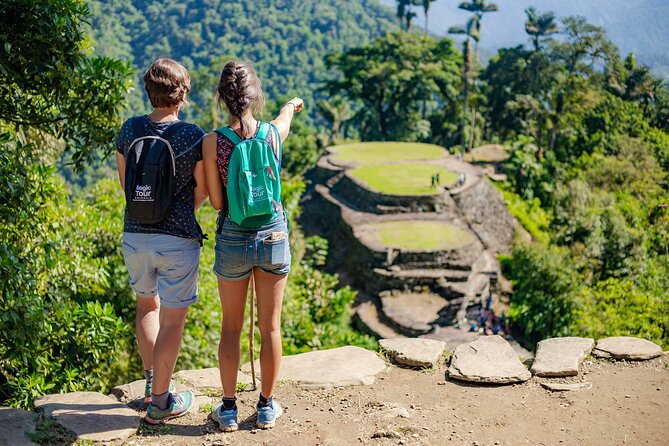
Day 2 begins with breakfast, then an early start from the first camp. You walk for about two hours toward the indigenous pueblo of Mutanzi. After that, there is a 40-minute walk to Camp 2, where you get hot lunch, a nice reset before the longer push.
Then comes the big day stretch. You walk for about four hours to reach the camp of Mamo Romualdo (Camp 3). This segment is where many people feel the total length of the hike. It is also where you learn best when you are not rushing. The guides use the walk time and camp gatherings to frame what you see and why it matters.
Night on Day 2 is another camp-style setup, with hamacas, beds, or tents, and you eat dinner in camp. If you are the type who hates uncertainty, this is where you should prepare mentally: you are in the outdoors with changing shelter options.
Day 3: the climb to the Ciudad Perdida and the slow time in the ruins
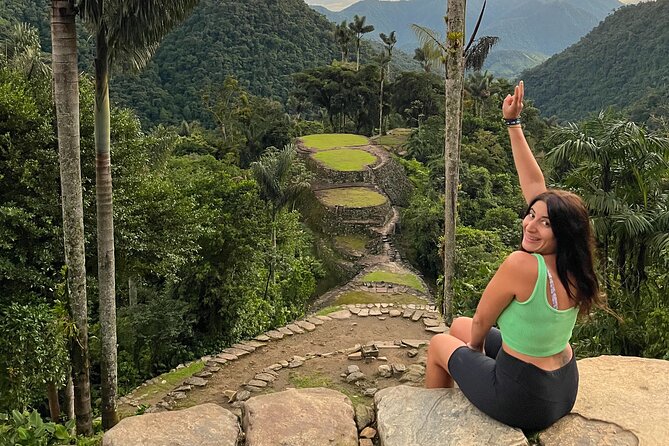
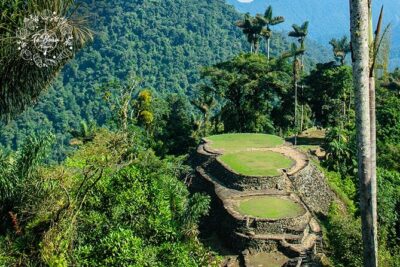
Day 3 is the “arrival day,” but it does not start with a gentle walk. You leave early from Camp 3, then climb for about one hour up to the Lost City.
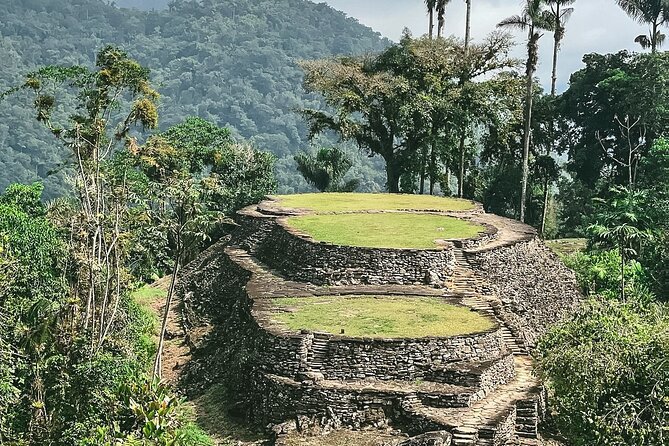
Once you get there, you have around two hours to explore the archaeological, ethnological, and historical zone. You also get time for your own pace at the site, including a chance to enjoy the mountain setting and focus your attention where you want it. I find that kind of unstructured time is the difference between a checklist tour and an experience you actually remember.
After the visit, you return to Camp 3 for lunch, then you tackle the long walk back down to Camp 2. That last segment of the day is about four hours. It can feel long if you spent the first half of the day focused and energized.
That night, you sleep in hamacas or beds, and dinner is served in camp again. This day is special, but it is also the day you should watch your energy management the most. Eat what they put in front of you, take breaks when offered, and do not try to “make up time” on your own.
More Lost City treks:
- Santa Marta: Multi-Day Trek to The Lost City
★ 4.8 · 40 reviews - Trek to Ciudad Perdida: 5 Days from Santa Marta
★ 4.5 · 19 reviews - Lost City Trek 4 days – 3 nights
★ 5.0 · 10 reviews - Ciudad Perdida “Teyuna” 4 Days Tracking Tour
★ 4.5 · 8 reviews
Day 4: the long trek back to Mamey and the ride to Santa Marta
Day 4 starts with breakfast, then an early exit from Camp 2. You walk for about seven hours to reach Mamey. This is the longest walking day by time, so plan to move steadily rather than fast.
Once you arrive, you have lunch, and then transfer back by 4×4 for about three hours to return toward your hotel or accommodation. This ride is your reward. It is also when you will realize how much the trek has taken out of you, in the normal way.
By the end of the day, you are not just tired, you are satisfied. The physical effort is part of what makes the Lost City feel earned.
Camp living: hammocks, mosquiteros, and what “included” really means
The biggest comfort win on this trek is that meals and accommodation are included. You get breakfast, lunch, and dinner across the days, and that removes a major stressor from trekking in a remote area.
Here’s what you should expect based on the schedule:
- No breakfast on the first day, so eat before you leave your starting point
- You will have multiple hot meals in camp, plus lunch stops during transfer and walking days
- Sleeping is mostly in hamacas or beds, with mosquiteros mentioned for at least the first night
- Depending on the night, you might sleep in tents, which can be helpful or just different, depending on conditions
Also pay attention to the note about baggage. Mules for carrying baggage are not included, so you should pack light enough to manage yourself. If you overpack, you will feel it by Day 2 or Day 3.
Guides, translator support, and community contributions on the trail
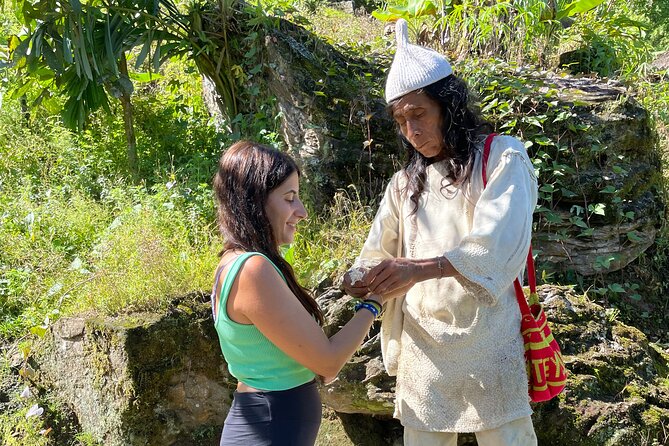
This trek is set up with a local guide and an English translator. That matters even if you speak some Spanish, because it helps you catch details you might miss while you are walking and watching where you place your feet. The best part is that the translation supports understanding during walks and camp talks, not just a quick summary at the end.
You also visit places that connect the trail to local life. The stop at Mutanzi is one of the clearest examples, and it sets a tone of respectful listening rather than tourism-only sightseeing.
One more piece I appreciate: contributions to indigenous and peasant communities are included. Even if you never see money change hands directly, the structure signals that the trek is tied to the people who live there and maintain the knowledge you are learning.
Fitness level and weather reality on a trekking level Alto
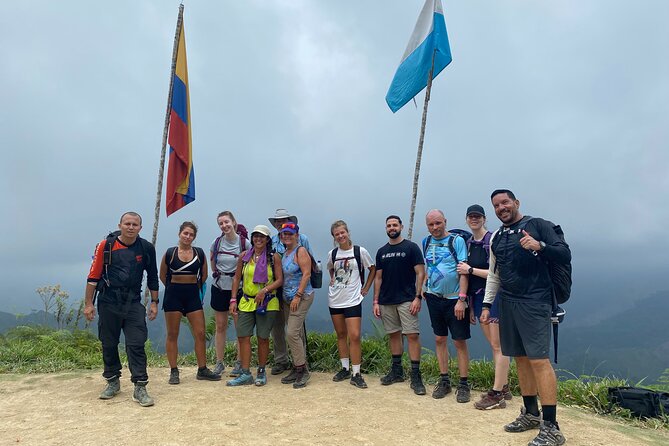
The official trekking level is Alto, and that is not marketing fluff. You should expect multiple long walking segments, plus uneven terrain. The itinerary includes a few big stretches, including about seven hours on Day 4, and multiple four-hour hikes plus uphill segments.
You also need to take weather seriously. The tour operates in all weather conditions. That means you should show up with rain gear and footwear you trust on slick ground.
If your fitness is “I can hike, but only on sunny flat trails,” this might feel hard. If you can handle steep, muddy walking for hours and you recover well at night, you will likely enjoy it more than you fear it.
A simple way to prepare: practice hiking with elevation if you can, and focus on endurance rather than speed. Your goal is to keep a steady rhythm, not win any personal challenges.
Price and value: is $600 per person fair for this kind of trek?
At $600 per person for about 4 days, the price looks steep at first glance. But compare what is actually included. You are not just paying for access to ruins.
You get:
- Accommodation for multiple nights in camp-style lodging
- All meals scheduled across the trek (with the exception of breakfast on the first day)
- A local guide and English translator
- Transportation out of Santa Marta and back, including 4×4 transfers
- The cultural program elements and the fact that community contributions are included
- A small group size (max 15), which usually means less chaos and more attention
Also, the experience is commonly booked about 23 days in advance, which suggests demand is real, and you may want to reserve early rather than wait.
Is it “budget”? No. Is it “pay once and stop worrying”? For many people, yes. The value is strongest if you do not want to plan meals, guides, permits, and multi-day logistics yourself.
What to pack for the Lost City trek from Santa Marta
You do not need fancy gear, but you do need practical gear that handles wet trails and long days.
Plan for:
- Sturdy footwear with traction for slick conditions
- Rain protection since the tour runs in all weather
- A light pack, because there are no mules for carrying baggage
- Bug-related comfort for camp nights with mosquiteros, especially if you are sensitive to bites
Also bring layers. Mountain weather can shift, and you will spend time moving, then sitting still in camp.
If you wear anything that is hard to dry, rethink it. You will want at least one set of clothes that can stay dry enough to sleep.
Should you book this Lost City trek with Magic Tour Colombia?
If you want a classic Lost City experience that is focused on guided understanding, community connection, and real time outdoors, I think this is a strong choice. The combination of a local guide, English translator, and scheduled cultural stops (like Mutanzi) gives you context, not just a viewpoint.
Book it if:
- You meet the moderate physical fitness expectation for hikes, and you are comfortable with Alto trekking days
- You are okay with camp sleeping like hamacas, beds, and possibly tents
- You want the convenience of meals and accommodation included
- You like small groups, since this caps at 15 people
Skip or reconsider if:
- You need a lot of comfort and predictability at night
- You hate long walking days, especially the multi-hour segments and the seven-hour return day
- You are not ready for all-weather trekking, including slick trails
If you do book, go in with a calm plan: pack light, move steady, and let the guides set the pace. When you arrive at Ciudad Perdida, you will feel why that climb and those camp nights were worth it.
FAQ
What is the duration of the Lost City trek from Santa Marta?
It runs for about 4 days.
Where does the trek start and what time does it begin?
The start time is 8:00 am from the listed meeting point.
Is breakfast on the first day included?
Breakfast on the first day is not included. You should plan to eat before the day begins.
What kind of accommodations are provided?
You sleep in hamacas or beds with mosquiteros on some nights, and on other nights you may sleep in hamacas, beds, or tents, depending on the camp.
How long and how hard is the walking each day?
The trek includes several multi-hour hikes, including early-day walks and a long seven-hour hike on Day 4. The trekking level is listed as Alto.
Does the tour provide an English translator and meals?
Yes. You get an English translator and meals as per itinerary (breakfast, lunch, dinner across the days, with the first-day breakfast not included).
What is the cancellation policy?
The experience is non-refundable and cannot be changed for any reason. If you cancel or ask for an amendment, the amount you paid is not refunded.
Recently reviewed around Santa Marta
- Private Boat Tour through Tayrona Park★ 4.0 · 4 reviews
- Santa Marta Beaches Private Boat Tour★ 5.0 · 4 reviews
- Magic Minca : Waterfalls, Cocoa Workshop and Coffee From Santa Marta★ 4.5 · 5 reviews
- Private transportation from Santa Marta to Barranquilla airport★ 5.0 · 5 reviews
- Discover Minca★ 4.0 · 5 reviews
- Friday Night Bar Crawl in Santa Marta, Colombia★ 5.0 · 5 reviews
- Private transportation from Santa Marta to Minca police station★ 5.0 · 5 reviews
- Santa Marta to or from Cartagena Private Transfer★ 5.0 · 5 reviews
Lost City Trek, compared.
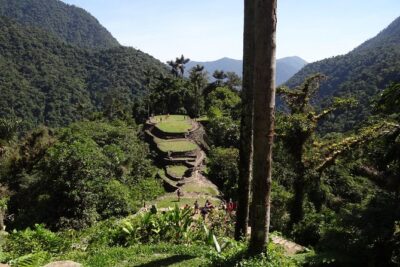
Hike for 4 days to the Lost City, Santa Marta
Read our review →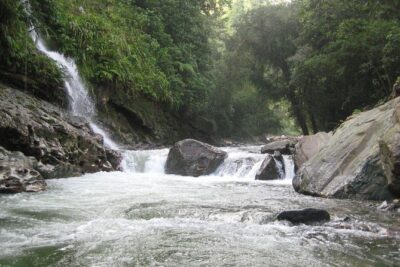
4-Day Lost City Small-Group Tour in Santa Marta
Read our review →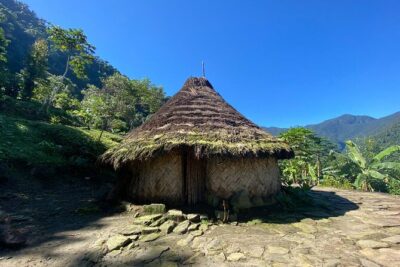
4-Day Walking Tour to Lost City of Sierra Nevada
Read our review →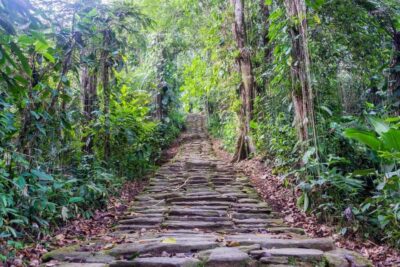
Trek to Ciudad Perdida: 5 Days from Santa Marta
Read our review →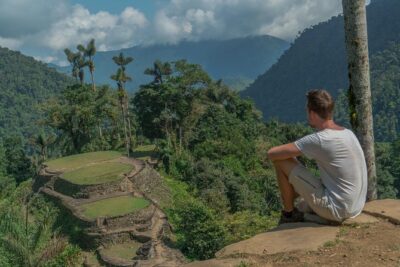
Browse the lists this tour appears in