
Reviewed · 3-DAY EXPERIENCES
The Magic and Ancestral Guajira-Cabo de la vela & Punta Gallinas-2 nights 3 Days
If you like places that feel remote, honest, and a little wild, this Guajira-to-Punta-Gallinas route is the kind of journey that sticks with you. I like how the day-by-day mix hits ancestral Wayuu culture and also delivers dramatic scenery like Punta Gallinas, the northernmost tip. One thing to keep in mind: this is a long, bumpy drive in a small vehicle, and some schedules can run late, so it is smart to plan extra time if you have flights.
This tour is built for small groups, with a maximum of 6 people, and it moves fast enough to see big highlights without feeling like you are constantly on the move for showy, expensive stops. You start at 7:30 am and sleep in traditional hammock style (Chinchorro), with meals included. If you are picky about comfort or timing, read this like a reality check before you book.
Why This Guajira Route Feels Special (Not Just Pretty)
This trip works because it ties together three very different “faces” of the peninsula. You start with salt flats that show how humans and nature share the same harsh environment. Then you move into cactus-and-mud Cabo de la Vela and Wayuu life, where you are not just looking at culture, you are meeting the people who live there. Finally, you reach the dunes and the far north, where the scale of space makes you slow down.
The best part is that the highlights are spaced so you do not just do sightseeing, you get small windows to absorb the place. The itinerary also keeps the group small, which matters in a remote region where logistics are never effortless.
Key Highlights to Pay Attention To
- Salinas de Manaure gives you a guided look at sea-salt production and even the microorganisms involved.
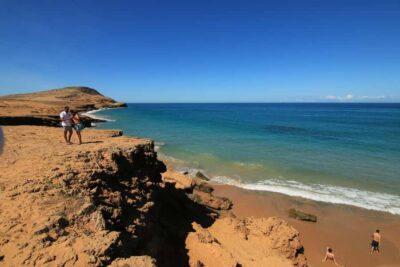
- Cabo de la Vela includes cactus-and-mud village scenes and a hike up to the Sugar Pylon (Ancestral Mountain).
- Aipiruhu dining with a Wayuu family is the cultural heart of Day 1, with a chance to try traditional food.
- Dunas de Taroa offers long dunes plus “virgin beach” time where sand meets the Caribbean.
- Punta Gallinas is the northernmost place in South America and Colombia, and it feels gloriously far from modern life.
- Chinchorro hammock accommodation keeps it tied to the local setting, even if it means basic comfort.
A few more Santa Marta days worth comparing
- Hike for 4 days to the Lost City, Santa Marta
★ 5.0 · 3,308 reviews - Lost City – Ciudad Perdida Colombia
★ 5.0 · 1,203 reviews - Sailing to Tayrona with Luis and his team: Unique!
★ 4.5 · 448 reviews
Salinas de Manaure, Where Salt Looks Like a Whole Industry
Your morning begins after a departure from Riohacha, heading to Salinas de Manaure, one of the most distinctive stops on the peninsula. You will see shallow pools of sea salt, piles of processed salt, and the physical setup that makes it work. What makes this more than a quick photo stop is that you get a guide from the area who explains the process, including how microorganisms play a role.
This kind of stop helps you understand why the Guajira feels the way it does. The environment is harsh, and people still build livelihoods inside it. Even if you are not a science nerd, it is the sort of guided detail that makes the geography feel real.
Practical tip: wear footwear you can walk in confidently. Salt areas can be uneven, and you are likely standing around for explanations.
Cabo de la Vela, Cactus-and-Mud Village Life Plus the Best Lighthouse Sunset
After the salt flats, you head toward Cabo de la Vela, described as one of the oldest villages in Colombia, built with cactus and mud wood. This stop is a blend of slow wandering and a bit of climbing.
On the schedule, you will visit the Sugar Pylon (Ancestral Mountain) and the Water Eye (Cultural Point). Those names are a clue that you are not only seeing buildings, you are seeing how the community’s landmarks relate to ancestry and daily life. Then the day ends with sunset at the lighthouse, said to be the best place on the cape for the view.
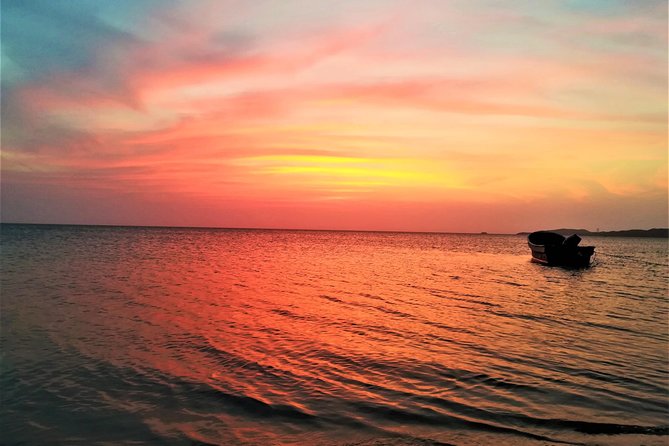
Why this matters: Cabo de la Vela is the point where the trip starts to feel like an “atmosphere” journey. You can smell the sea, feel the dry heat, and see how the coast shapes everything. Sunset is not just a timing bonus here. It is when the colors make the whole setting click.
Practical tip: bring sun protection. This part of the peninsula can feel like it has one job, making the sky bright.
Aipiruhu, Dinner and Conversation With a Wayuu Family
Day 1 also includes Aipiruhu, where you dine with a Wayuu family. This is the cultural moment that most people remember, because it is not staged as a show. You have time to learn about the surroundings and the ancestral way of life in the largest desert area in Colombia. You also get a chance to learn the language and taste traditional food.
A name you will hear in this part of the program is Pushaina family, and the experience is described as meeting the whole family in a close way. That word matters. You are not just passing through a viewpoint. You are in someone’s world for a meal.
This is also where you should set your expectations. Some travelers include notes about how child begging can happen in regions like this, and that it can feel complicated when it is coming from parents and neighbors rather than random street situations. I recommend you think about your approach in advance. If you want to help, ask your guide how to do it respectfully, instead of reacting on the spot.
Practical tip: come hungry and ready to be patient. Conversation and family time can take longer than you expect, and that is part of the value.
A different kind of day out of Santa Marta:
- Santa Marta: Sailboat day tour to Tayrona Park
★ 4.5 · 352 reviews - 4-Day Lost City Small-Group Tour in Santa Marta
★ 5.0 · 254 reviews - Full-Day Hiking Tour in Minca with coffee & Cocoa Workshop
★ 4.5 · 189 reviews - MINCA TOUR – Explore waterfalls and discover the origin of coffee and cocoa
★ 4.5 · 166 reviews
Day 2 Begins at Dunas de Taroa, Long Dunes and Virgin Beach Time
On Day 2 you go to Dunas de Taroa, described as a place with endless dunes and virgin beaches that meet the Caribbean Sea. This is your “postcard terrain” day, the one where pictures actually look like the real place.
The program includes about 1 hour 30 minutes here, which is enough time to get your bearings, walk the dunes, and enjoy some beach time. The key is that the dunes are not just scenery. They affect how you move. Sand changes footing quickly, and wind can make you work for each step.
Practical tip: if you plan to go down to the water, do it carefully and keep an eye on timing. Some schedules can feel loose on the ground, so stay close to your group and confirm where you are headed next.
Punta Gallinas, The Northernmost Edge of South America
Then comes Punta Gallinas, the northernmost place of South America and specifically in Colombia. This is the moment that makes the whole trip feel like a true “end of the road” experience. You will experience a calm pocket of life, far from civilization and the everyday rhythm of globalization.
The program time here is listed as 30 minutes with an included admission ticket. That short window is normal for remote points of interest, but it is also why the earlier parts of the day matter. If you arrived already rushed, 30 minutes can feel too short. If you arrive mentally ready to slow down, 30 minutes can feel like time expands.
One more practical detail: this area depends on weather and conditions. The cancellation note says the experience requires good weather, and there is also mention of a private boat ride if there are rains. So if you see rough weather indicators, keep your expectations flexible.
Mayapo on the Way Back, A Quiet Beach Pause With Blue Water
On Day 3, you stop at Mayapo on the way back to Riohacha. The description is simple: blue waters, white sand, and as much tranquility as this beach can offer. You get about 1 hour 20 minutes, and it works as a gentle landing after two big “wildness” days.
This is the kind of stop where you can do what you came for, not rush through photos. Sit in the shade, watch the water, and take a breather before the ride back.
Practical tip: keep a small day bag accessible. You might be switching between dune walking, beach time, and vehicle transfers quickly.
Price and Value: What You Get for About $244.62
At $244.62 per person for roughly 3 days, this tour has strong value for the Guajira Peninsula. The reason is not just the ticketed stops. It is that the price also bundles in a lot of the hard parts of remote travel: an air-conditioned vehicle, admission tickets, travel insurance, and meals across multiple days.
Included meals are listed as 3 lunches, 2 dinners, and 2 breakfasts. For a region where transport and timing can make things complicated, having meals handled is a big quality-of-life win.
You also get accommodation in traditional hammock style (Chinchorro), plus basic inclusions that help you avoid constant cash decisions. In addition, the group size maxes at 6 travelers, which can make the experience feel less like a conveyor belt.
What is not included is where you need to do your homework:
- Your transport connections from Palomino or Santa Marta are not included.
- A room upgrade is noted as COP 120,000 per person.
- There is an experience with the community fee listed as COP 50,000 per person.
- Fuel surcharge is mentioned as not included.
- If it rains, there may be a private boat ride cost.
- There is a note to carry a small backpack for excess baggage.
My take: the base price is fair if you are okay with basic comfort and you do not mind that timing and logistics in the Guajira can be messy. It is not a “luxury and on-time every minute” product.
Getting There and Staying on Schedule When Roads Are Part of the Adventure
The tour starts at 7:30 am. That early start is necessary because the day is built around long drives and far-off points.
Here is the reality check: the roads in this region can be rough, and one negative account described cramped seating, shaky drives, and luggage needing to be carried on the floor area near your feet. Another issue mentioned late starts and a lack of communication about timing in the dunes section.
So, how should you protect yourself?
- If you have flights the same day you finish the tour, add a buffer. Do not book a tight connection.
- Keep your essentials in a small backpack so you do not depend on where the group luggage ends up.
- When you stop at beaches and dunes, stay aware of the plan and check back with your driver or guide for timing before you go too far.
Small group travel can still feel chaotic when the destination is remote. The trick is to be ready for it, not shocked by it.
Accommodation and Meals: Chinchorro Style With Mixed Comfort Expectations
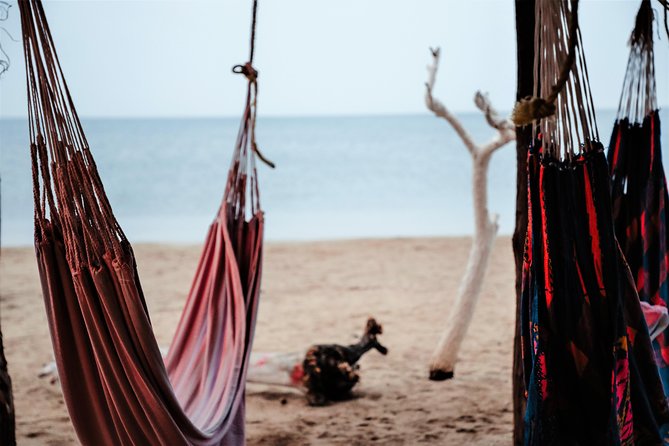
Accommodation is listed as sleeping in traditional hammock style (Chinchorro). That means you are trading typical hotel comfort for a more local, simple setup.
The included meals are a strong point. One positive account praised food that was plentiful and also mentioned lots of cerveza being available. That lines up with the idea that you are not coming hungry to remote stops.
But comfort can vary. A negative account criticized lodging conditions, including places without water and disorganization. I cannot promise you what every night will look like, so I suggest you pack your “comfort mindset” lightly. Bring what you can for heat, dust, and basic sanitation, since remote travel does not run on hotel standards.
The Culture Side: Valuable Contact, Plus a Few Real-World Warnings
This tour’s heart is the human part: meeting a Wayuu family in Aipiruhu and learning about ancestral life, language, and traditional food. That is the value you are paying for, and it is more meaningful than rushing through viewpoints.
At the same time, this region can come with tricky moments like child begging and informal toll-like stops. The provided tour notes include a candid criticism about mendicité and improvised tolls. The best way to handle this is to go in calm and practical:
- Avoid spontaneous handing out. Ask what is appropriate through your guide.
- Keep some small bills ready for legitimate fees, but do not feel pressured to comply with every roadside request without clarification.
- Remember that you are a visitor in someone’s home region, not a customer in a theme park.
Good guides help you navigate this with respect, and the program emphasizes Indigenous guidance. Still, your attitude matters as much as their instructions.
Who Should Book This Tour (And Who Might Want Something Else)
This tour suits you if you want:
- A small group experience and not a big bus parade
- A strong mix of Wayuu culture plus dramatic geography
- Included meals and tickets so you are not managing logistics constantly
- A destination that feels far from mainstream travel
It may not suit you if you:
- Need predictable timing down to the minute
- Expect luxury comfort
- Have a tight flight schedule and no buffer
- Are sensitive to basic accommodation conditions
If you are flexible, curious, and okay with rough roads being part of the price of admission, this is the kind of trip that feels like a story, not just a checklist.
Should You Book Sumaj Feeling Colombia for Guajira and Punta Gallinas?
My honest take: I would book this if you can travel with patience and you want authentic contact with Wayuu life plus the “end of the continent” feeling at Punta Gallinas. The strongest selling points are the guided salt flats, the Cabo de la Vela landmarks and lighthouse sunset, and the chance to share dinner with a Wayuu family.
Before you confirm, do two practical things:
- Budget for the not-included costs like the community experience fee (COP 50,000 per person) and the possible room upgrade (COP 120,000 per person).
- Build time in your schedule. Remote tours can run later than you expect, and you do not want your whole day hanging on one strict flight time.
If you want a trip that mixes human stories with big, dry, coastal scenery, this one is worth serious consideration.
FAQ
What is the duration of the Magic and Ancestral Guajira to Cabo de la Vela and Punta Gallinas tour?
The tour lasts about 3 days.
What time does the tour start?
The start time is 7:30 am.
What is included in the tour price?
Included are an air-conditioned vehicle, entrance tickets to all places, travel insurance, accommodation in traditional hammock style (Chinchorro), and meals (3 lunches, 2 dinners, and 2 breakfasts).
What extra costs should I plan for?
Not included are transport connections from Palomino or Santa Marta, fuel surcharge, room at COP 120,000 per person, excess baggage, private transportation boat ride if there are rains, additional lobster, and the experience with the community at COP 50,000 per person.
How big is the group?
The tour has a maximum of 6 travelers.
Does the tour depend on weather?
Yes. The experience requires good weather. If it is canceled due to poor weather, you are offered a different date or a full refund.
Is the tour suitable for everyone and can I bring a service animal?
Most travelers can participate, service animals are allowed, and the tour is near public transportation.
Recently reviewed around Santa Marta
- 2 Day Minca Tour with Bird Watching★ 5.0 · 15 reviews
- Tayrona, Snorkel & Beach★ 4.5 · 15 reviews
- Full Tour of Tayrona Park with Swimming in Cabo San Juan★ 3.5 · 15 reviews
- Private La Victoria Coffee Tour – Waterfalls & Sierra Nevada★ 5.0 · 17 reviews
- Tayrona National Park private tour: Hike to Cabo San Juan beach★ 5.0 · 19 reviews
- Trek to Ciudad Perdida: 5 Days from Santa Marta★ 4.5 · 19 reviews
- Bike Tour Taganga – Playa Grande★ 5.0 · 20 reviews
- Full Day Marinka Waterfall and Sierra Minca★ 4.5 · 21 reviews
3-Day Experiences, compared.
Tour the best of Narino 3 days with accommodation
Read our review →
3 days private mountain tour, nature and culture near Medellin
Read our review →
Tour to Punta Gallinas with Cabo de la Vela 3 Days
Read our review →Browse the lists this tour appears in