
Reviewed · COFFEE FARM TOURS
Explore the Coffee Process_From Tree to Cup & Fun by Jeep
This is the kind of coffee tour that feels like a hands-on morning in the Andes, not a rushed stop in a brochure. You ride out from Pereira in a classic Jeep, then spend a few hours on a working Colombian finca learning the tree-to-cup process from real farmers.
What I love most is the small-group feel, max 10, and the fact that Arvey and Elizabeth do more than explain coffee. They bring in farming, fruit trees, and sustainability, so you leave with context, not just samples. The only real drawback to keep in mind is that it is a working farm, so you should expect bugs and some outdoor time on uneven ground.
Jeep Into the Andes for Real Tree-to-Cup Coffee Lessons
- Max 10 people means you get personal attention, not a conveyor belt.
- Jeep pickup plus drop-off from your hotel keeps the day simple and stress-free.
- Sustainability-first coffee includes composting, vermiculture, and a nursery.
- Walk the plantation with fruit and cocoa alongside coffee, from guanabana to avocados.
- Learn multiple processing styles and taste coffee made as washed, honeyed, and natural.
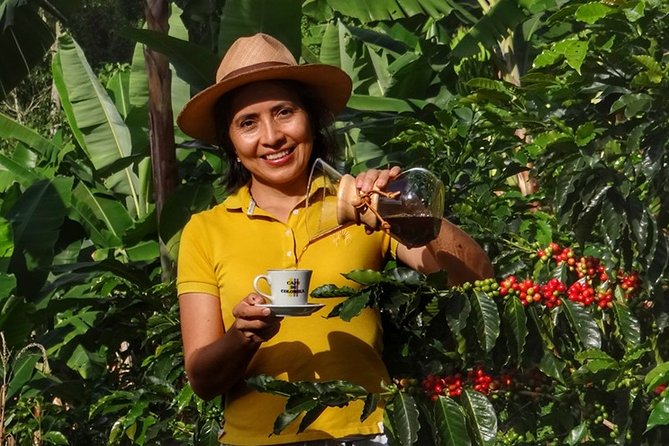
- You brew on site and get a simple Colombian method you can repeat at home.
Riding in a Jeep From Pereira, Then Getting to the Heart of Coffee
The best part of this tour starts before you even see the coffee plants. You get picked up and transferred by someone else, in a traditional Jeep that fits the region’s coffee culture and the Andean roads. It is one of those small details that changes the whole vibe of the day. You are already in “farm mode” by the time you arrive, with time to look out at the mountains around Pereira.
Once you are at the finca, the pace stays human. This is not a quick photo line. The tour is designed around the full workflow, from coffee cherry on the tree to processing and brewing. And because it is capped at 10 people, Arvey and Elizabeth can adjust explanations when questions pop up.
There is also a bigger message behind the day. The experience is described as award-winning and built on strict sustainability criteria, including clean agriculture. That matters because you are not only learning how coffee is made, you are learning why this farm style is meant to last.
More Coffee Experiences in Pereira
- Coffee Tour at the Finca del Café
★ 5.0 · 213 reviews - Full-Day Private Coffee Tour in Cocora Valley and Salento
★ 5.0 · 60 reviews - 2 Days Experience: Cocora, Salento, Filandia, Coffee & Hotsprings
★ 5.0 · 50 reviews
Andes Stop 1: Why the Drive and Timing Matter More Than You Think
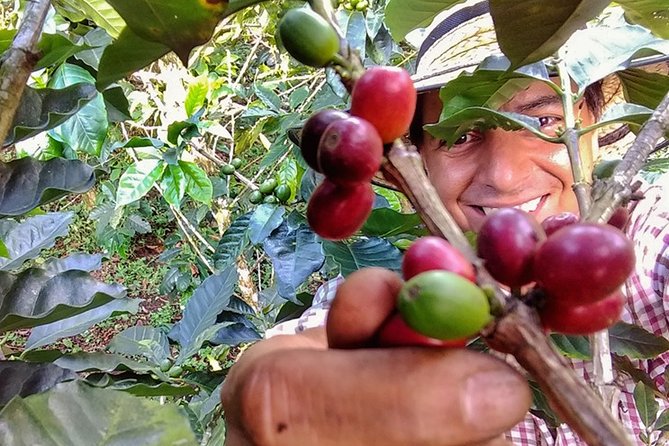
The route includes an Andes stop, which basically means you are heading into the higher, cooler mountain zone where coffee farms thrive. In coffee regions, the setting is not a backdrop. Elevation, shade, and weather patterns shape how plants grow and how cherries develop.
Even if you just care about the cup, the ride helps you understand what you are about to see. When you reach the finca, you will recognize how the mountain environment supports coffee and the other crops that grow alongside it. People often think coffee farms are only coffee bushes. Here you learn that it is a whole system.
Also, because pickup and drop-off are included, you can plan a clean half-day. You do not need to find transport, wrestle with directions, or build a second ticketing plan on the fly. That makes the experience easier to fit if you have a busy itinerary in Pereira and the Eje Cafetero area.
Meet Arvey and Elizabeth: Coffee Farmers With a Sustainability Story
This tour is led by Arvey and Elizabeth, and that pair energy matters. Arvey talks through the farm and the coffee process step by step, while Elizabeth focuses on brewing and the hands-on coffee side. One of the most memorable themes in the tour is how they frame the work as a shared life project, not a side hustle.
They also explain their “neo-peasants” perspective, plus culture and clean agriculture. That tone is important. It keeps the day from turning into just technical talk about processing and roasting. You get the human side of coffee farming in Colombia, the daily rhythm of tending plants, and the farm choices that shape flavor later.
Depending on the date, you may be guided by additional hosts. One visit mentioned a host named Pablo, so it is possible you encounter different guidance styles on different days. Either way, you are working with people who treat the farm like home.
Walking the Plantation: From Coffee Trees to Cocoa, Citrus, and Fruit
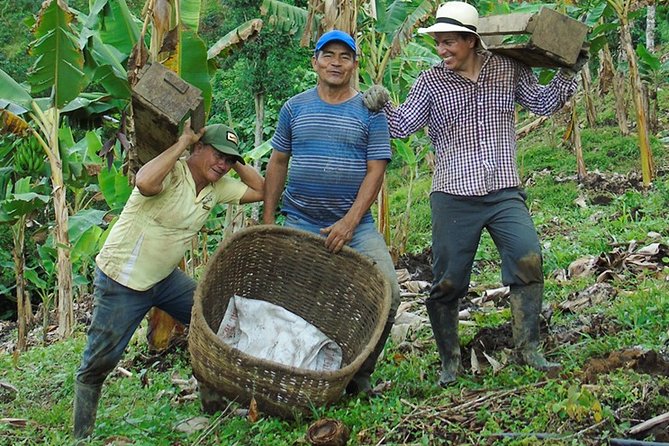
Once you are on the property, the tour becomes a living map. You walk through coffee plantings and also see a wide mix of fruit trees and other crops, including bananas, cocoa, avocado, orange, lemon, tangerine, guava, papaya, mango, and guanabana. You get the sense that coffee is only one chapter of the finca’s story.
This matters for your coffee understanding in a practical way. Coffee farms often survive and produce better when they are diversified, because mixed crops can support the soil and create shade patterns. In the same walk, you hear how different plants play roles on the farm. You are not only learning coffee terms. You are learning how a working ecosystem functions.
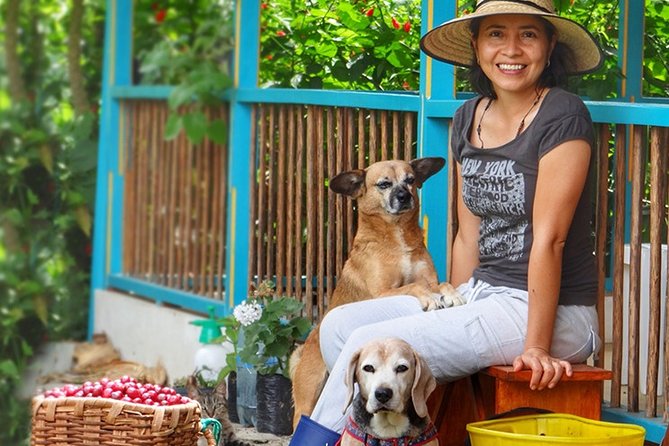
You will also see farm life up close. People note dogs on the property, plus chickens and roosters for eggs and other daily animal rhythms. You might also notice wild birds. That kind of detail is not just cute. It reinforces the idea that biodiversity is part of the farm’s plan.
More coffee farms around Pereira:
- Salento and Cócora Tour plus Coffee Farm from Pereira or Armenia
★ 5.0 · 40 reviews - Cocora, Salento and Coffee Experience
★ 5.0 · 22 reviews - Coffee Farm and Salento Walking Tour
★ 5.0 · 3 reviews - Half Day Bike Tour in Medellin – Local snack, Coffee or Beer
★ 5.0 · 2,509 reviews
The Farm’s Soil Toolkit: Compost, Vermiculture, and a Nursery
A lot of coffee tours stop at harvesting. This one keeps going into the behind-the-scenes work that makes coffee possible season after season.
You are shown where organic waste is composted, along with vermiculture and a nursery. Those pieces tell you a lot about the farm’s sustainability approach. Composting turns waste into soil inputs. Vermiculture uses worms to help convert organic matter into nutrient-rich material. A nursery shows long-term thinking, because healthy plant growth begins well before the coffee season you are tasting.
If you are the type of traveler who likes to know what happens when nobody is filming, this is one of the best segments. You get a clearer picture of why they talk about clean agriculture and careful production practices. The goal is not just to produce coffee, it is to maintain soil and plant health in a way that supports future harvests.
Stop 2: From Andes to Pereira, With Coffee Lessons Sticking
The tour includes a Pereira stop in the flow of the day, which usually means you return to town after the farm portion. That timing matters because you get to absorb the process while you are still in the environment where it happens.
Instead of learning coffee terms and then leaving immediately, you get the full sequence while everything is fresh: trees, processing, and brewing, all explained by the same people who run the farm. It is the kind of structure that helps you remember what affects flavor and how different steps change the end result.
Processing the Cherries: Washed, Honeyed, and Natural
This is where coffee geeks get their second wind. You learn about quality control and then how beans are processed after picking. The farm covers three main styles: washed, honeyed, and natural.
You will hear about fermenting and washing, plus drying steps tied to the final method. Even if you are not trying to memorize the chemistry, the key takeaway is simple. Processing changes the way sugars and compounds develop and how flavors come through after roasting.
The best way to understand it is to taste. You get to compare coffees prepared through different methods. That tasting is not just for fun. It is how you connect farm actions to cup results.
Roasting and Brewing: Learning the Colombian Method You Can Recreate
After processing, the day moves into roasting and brewing. Elizabeth guides you through how to prepare Colombian coffee, and the tour is very clear about the outcome: you should be able to make it at home later.
You learn about roasting as well, including the idea of a roasting curve. That might sound technical, but the point is practical. Roasting is where the green coffee becomes the aroma and flavor you recognize. When someone explains roasting in context of the farm’s bean styles, the lesson feels grounded, not abstract.
You also get to make coffee on site. People mention brewing multiple cups, and tasting what you made. That is valuable because it turns the tour from a lecture into a skill. If you want a souvenir, this beats magnets every time.
What’s Included: Coffee, Tea, Snacks, and the Small Touches That Add Up
You are included for coffee and/or tea, plus snacks. Entrance and guide are also included, so the package feels built for a smooth half-day rather than a menu of add-ons.
Snacks tend to be local and simple, and in past visits people have mentioned items like empanadas and patacones. Drinks can include coffee and also other refreshing options made with fruit from the farm, such as lemonade from fresh lemons. You should expect farm-fresh vibes, not fancy dining.
This part of the day is not about calories. It keeps you comfortable while you walk, taste, and learn. And since you are outside for part of the tour, snacks and warm drinks help the experience feel relaxed instead of snack-free.
Sustainability That You Can Actually See, Not Just Hear About
There are plenty of tours that say sustainable like a bumper sticker. This one tries to show it in real farm practices, with strict sustainability criteria called out in the tour description and supported by what you see: composting organic waste, vermiculture, and a nursery for long-term plant care.
The “neo-peasant” framing also matters. It suggests they are not treating farming as a factory. They talk about their lives and their culture, and they connect farming choices to how the coffee ends up in your cup.
This is also where the awards angle fits in a useful way. The tour notes major tourism and responsible tourism recognition. I do not treat awards as proof of anything by themselves. But here, the award claim lines up with the specific farm activities you are shown, so it feels less like marketing and more like an external stamp on a real operating style.
Small Group Comfort: Pace, Personal Attention, and Real Access Notes
This experience has a maximum of 10 travelers, which is why the explanations can stay detailed. You can ask questions without shouting. You can follow the steps at a natural pace. And you will likely have a clearer chance to connect with the guides, including Arvey and Elizabeth.
One practical note from experience feedback: parts of the route and demonstrations may be handicap friendly, with trails and demos described as wheelchair and blind accessible. If you have mobility needs or visual needs, this is encouraging. Still, because it is a working farm, conditions can change with weather and the day’s tasks, so it is worth asking before you go.
Another common practical note is bugs. Since this is a farm, you should expect insects. I recommend coming with mosquito repellent so you can focus on learning instead of swatting.
Price and Value: Is $115 Worth 4 Hours in the Mountains?
At $115 per person for about 4 hours, this is not a budget coffee stop. But it is also not a generic tasting. You are paying for several real components that usually cost extra elsewhere: hotel pickup and drop-off in the Pereira area, private transportation, entrance, a guide, snacks, and coffee and/or tea.
More importantly, you get a full sequence lesson. Many coffee tours show a section of the process. This one is framed as tree to cup, with processing styles you can compare and brewing you learn directly. The “learn to make it at home” promise is backed by the fact that you will roast and brew with guidance.
If you are already in Pereira, the value stacks up well because transportation is included. If you are coming from other cities, there is an additional $25 USD transportation cost, so factor that into your total plan.
For me, the value test is simple: do you leave knowing how different steps change flavor, and can you reproduce the method? With this kind of guided practice and tasting, you should.
Who Should Book This Jeep Coffee Tour
This is a strong fit if you want coffee education with real context. If you love seeing how food is made, you will appreciate the soil work, composting, and vermiculture. If you care about sustainability, you get concrete farm practices to point to, not just vague claims.
It also works well if you are traveling with someone who likes nature and local culture, not only coffee. The tour includes fruit trees, farm animals, and the Andean setting, so it stays interesting even if your coffee knowledge is basic.
If you are short on time and want a half-day plan in Pereira with included logistics, the Jeep pickup and drop-off helps. If you are sensitive to bugs or prefer strictly indoor activities, you will want to plan for farm conditions.
Should You Book This Tree-to-Cup Jeep Tour?
I would book it if you want your coffee experience to be interactive. The small group limit, the farm walk, the processing lessons for washed, honeyed, and natural, and the on-site brewing instruction all point to a tour that gives you more than a sip and a photo.
Skip it only if your idea of a perfect coffee day is mostly indoor, mostly tasting with minimal walking, or if you are not interested in sustainability and farming context. This experience is built around the farm, the plants, and the process.
If you’re heading to Pereira and you want one coffee-related thing that feels grounded and repeatable at home, this is a very solid choice.
FAQ
How long is the Coffee Process from Tree to Cup & Fun tour?
It’s about 4 hours.
How much does the tour cost?
The price is $115.00 per person.
Is hotel pickup and drop-off included?
Yes. Stress-free hotel pickup and drop-off are included.
What group size can I expect?
The tour limits the group to a maximum of 10 travelers.
What’s included in the tour price?
Coffee and/or tea, snacks, private transportation, and entrance and guide are included.
Do I need to pay extra if I’m staying outside Pereira?
Yes. Transportation from other cities has an additional cost of $25 USD.
What should I bring for a working farm visit?
Since it’s a farm, you should expect bugs. Bring mosquito repellent, and plan for outdoor walking.
Recently reviewed around Pereira
- Full Day Private Tour to Valle del Cócora and Salento★ 5.0 · 18 reviews
- Cocora, Salento and Coffee Experience★ 5.0 · 22 reviews
- Snowy Ruiz + Hot Springs from Pereira★ 5.0 · 27 reviews
- One way transfer from Pereira to Salento AND/OR Salento to Pereira★ 5.0 · 31 reviews
- Cocora, Salento and Filandia (The daughter of the Andes) Walking Tour in Quindio★ 5.0 · 35 reviews
- Salento and Cócora Tour plus Coffee Farm from Pereira or Armenia★ 5.0 · 40 reviews
- Salento, Cocora+Filand PREMIUM PLAN. exit: Pereira/Armenia.★ 5.0 · 47 reviews
- Salento, Cocora and Filandia Tour from Pereira or Armenia★ 5.0 · 24 reviews
Coffee Farm Tours, compared.
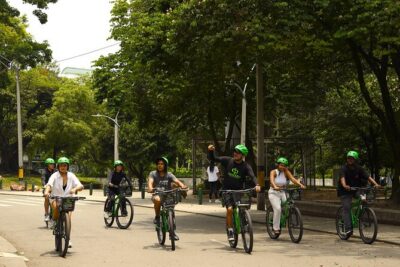
Half Day Bike Tour in Medellin – Local snack, Coffee or Beer
Read our review →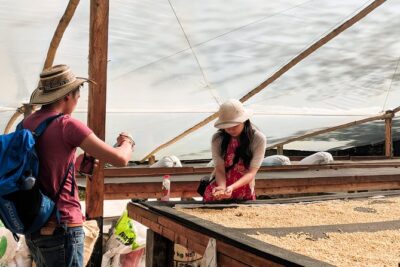
Half-Day Coffee Tour: From the Seed to the Cup, Farm & roastery
Read our review →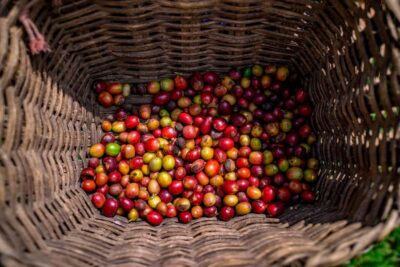
Coffee Tour with Transport, Snacks and Tastings
Read our review →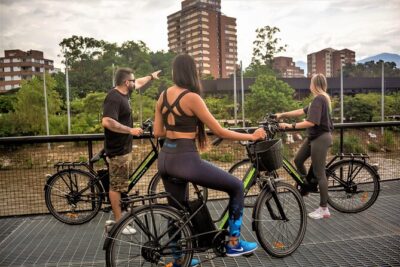
Electric Bike City Tour Medellin With Colombian Coffee and Snack
Read our review →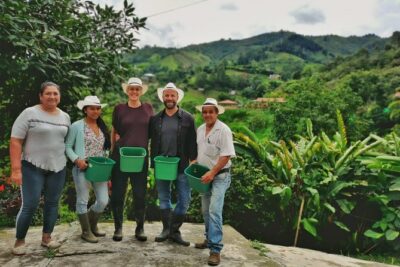
Private Coffee Farm Tour in Medellin: Real Authentic Experience
Read our review →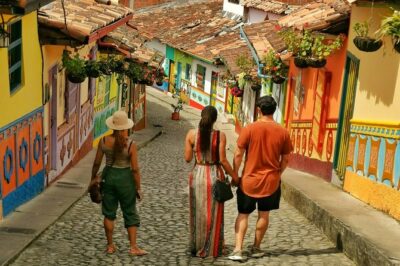
Guatape & Coffee Farm & El Peñol Rock & Quaint Town: Best Combo
Read our review →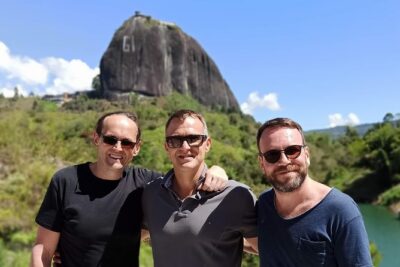
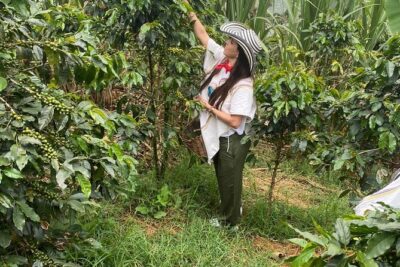
Coffee tour in Medellín with tastings and transportation
Read our review →Browse the lists this tour appears in