
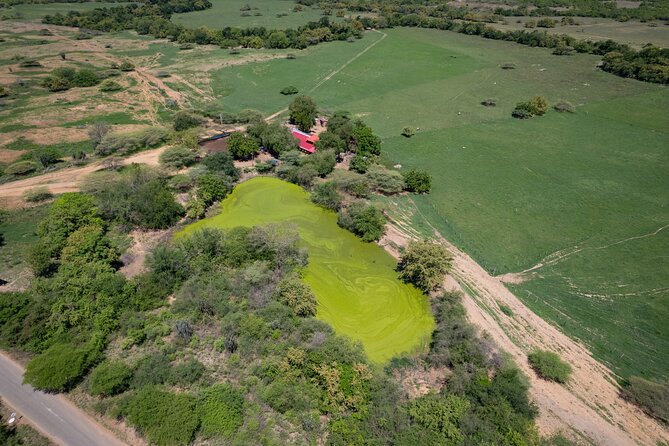
Reviewed · TATACOA DESERT
Community and Biodiversity Tour of the Tatacoa Desert from Neiva
The Tatacoa Desert is the kind of place where the colors look unreal, and a planned route makes a big difference. This day trip strings together town culture, river wildlife, and then the desert walks, ending with sunset and optional astronomy at Astrosur Uno.
I like that you get a small-group experience (up to 15 people) and a real pace instead of rushing straight to the desert. I also like that lunch is included and built around local Huila style food. Still, the itinerary is long, and there are a few stops that can feel like extra time if you mainly came for the desert.
One possible drawback to consider: this is a 14-hour circuit with multiple legs, optional add-ons (pool and observatory), and some parts that depend on conditions like sky clarity at night.
Key highlights (what you’ll really notice)
- Up to 15 people, so it feels more personal than big-bus touring
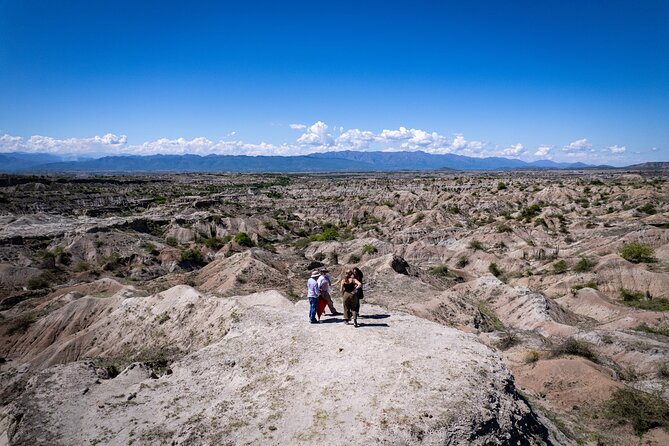
- Desert walking time is real, with two separate 4 km style hikes plus viewpoints
- Las Ventanas sunset comes with a refreshing drink, so you get a proper wrap-up moment
- Optional mineral pool and observatory are priced separately (10,000 COP each)
- Huila lunch is included, with meat or chicken or beef, rice or potato, salad, and a drink
- Natural reserve wildlife spotting is part of the Tatacoa segment, not just scenery
Why the Tatacoa Desert day trip from Neiva feels different
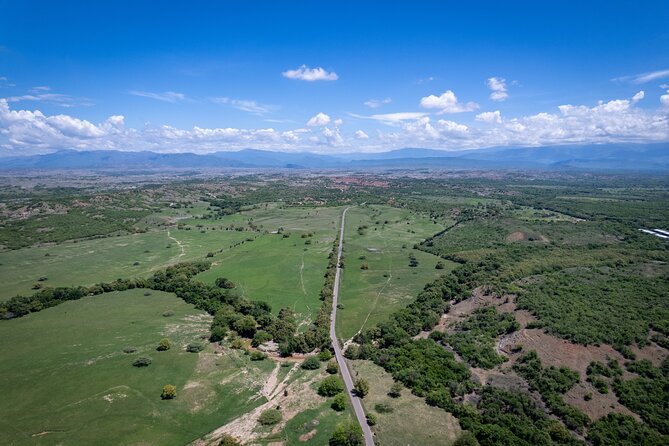
Most desert tours fall into one of two modes: either straight sightseeing with minimal context, or long nature treks with less structure. This one tries to do both. You start in Neiva at 8:00 am, then build toward the desert through a mix of town, river ecology, and finally the striking rock formations of Tatacoa.
The payoff is that you experience the Tatacoa in layers. First you get the wider region, with Villavieja and the Magdalena River. Then you get the desert itself, including hikes through areas shaped by older volcanic activity and ancient rivers. Finally you end with sunset views and optional star viewing, which is where the trip can feel truly memorable.
There’s also a practical value here. A fixed route with private transportation saves you from the hardest part of desert touring, figuring out how to move between scattered places with limited local options.
More Tatacoa desert trips:
- Neiva: Guided Day Trip to the Tatacoa Desert with Lunch
★ 4.8 · 76 reviews - Discover the Tatacoa Desert with a Local
★ 5.0 · 20 reviews - Community and Biodiversity Tour of the Tatacoa Neiva Desert
★ 4.7 · 14 reviews
Price and logistics: what $64 buys you for a 14-hour day
At $64 per person for a roughly 14-hour day, the value is mostly in what you don’t have to arrange. You get private transportation, travel insurance, and lunch. You also get admission tickets for several segments along the way, which adds up in Colombia when you’re paying entry fees across multiple stops.
A key detail: two attractions cost extra. The mineral pool activity (Hoyos or Natural Pool) is optional for 10,000 COP. The observatory entry for Astrosur Uno is also optional for 10,000 COP. If you’re hoping to do both, budget for them up front so you do not feel surprised later.
Also keep expectations aligned. This is not a short desert hit. It’s a full-day program with multiple stops, including some that are brief and pass quickly between rides and walks. If you hate long days, you may feel stretched by the time.
Start at Backpackers and Travelers Neiva, then head for Villavieja
Your day begins at the Backpackers and Travelers hostel in Neiva. The meeting time is 8:00 am, and you’ll have space to meet the group and get the tour briefing. That early talk matters more than it sounds. In desert regions, knowing what to bring and how the schedule flows can prevent frantic scrambling later.
From there you transfer toward Villavieja, about 70 minutes away. The Villavieja stop is short, but it’s built for context: a brief town walk and a museum look at local history and attractions. You’re not supposed to become an expert in one hour, but you should come away with a sense of place.
Why this helps: the Tatacoa looks like pure geology, but it sits inside a living region. When you understand what communities around Neiva and Villavieja connect to, the desert feels less like a movie set and more like a real environment people have learned to read.
Magdalena River spotting: quick, scenic, and a bit hit-or-miss
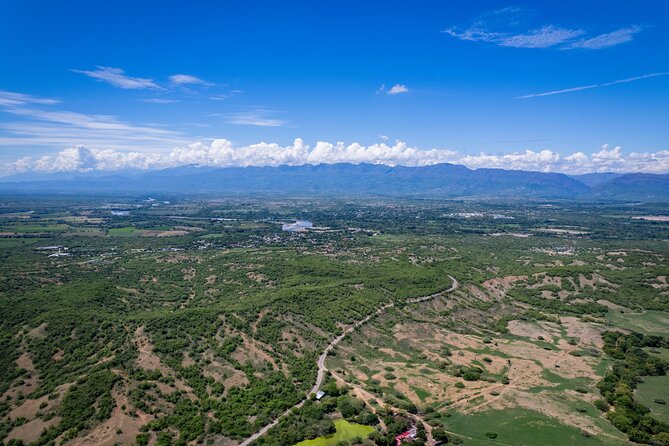
After Villavieja, you head to Puerto Fluvial Malecon Ferri motos for a river tour on the Magdalena. The stop is about 20 minutes, with flora and fauna spotting as the main focus.
This section can be satisfying if you enjoy animal-watching from a moving boat. It can also be a bit frustrating if you want nonstop action. One important reality check: you’re on a river, and conditions vary. Bring a flexible mindset here and treat it as a bonus stop on the way to the desert, not the centerpiece.
Still, it’s a smart inclusion. Seeing life associated with the Magdalena River makes the later desert stops more vivid. You’re moving from water-adjacent ecology to a dry, rocky world, and that contrast is part of what makes the day click.
A different kind of day out of Neiva:
- Tatacoa Desert Day Trip live, discover and connect
★ 4.0 · 9 reviews - HUILA VIEWPOINTS MANO DEL GIGANTE
★ 4.7 · 3 reviews
Entering the Tatacoa Natural Sanctuary: the wildlife part is real
Next comes the heart of the route, the Tatacoa Desert segment. You depart to the Backpackers and Travelers Neiva Natural Sanctuary within the desert. This portion is about 30 minutes and includes admission.
Here you’re meant to spot wildlife and native plants, with a focus on things like squids, iguanas, birds, and other flora and fauna. Even if you don’t see everything, this stop is valuable because it sets the desert up as living habitat, not just rock shapes.
Two practical notes for this part:
- Wear shoes you trust. Desert ground can be uneven, and you’ll be moving around.
- Keep your expectations grounded. Desert sightings are never guaranteed, but being alert and staying with the group helps your chances.
Xilópalos Valley hike: 4 km, mild difficulty, and petrified history
After the sanctuary, you head to Valle De Los Xilópalos. You get a 30-minute transfer, then a hiking route through the valley.
The route is about 4 kilometers with a mild difficulty level, taking roughly 110 minutes. The main attraction is the petrified wood remains called xylópalos. The valley looks grayish, tied to higher concentrations of phosphorus and silica. The explanation also points to the area’s older volcanic and river activity in the middle Miocene epoch, which is why the geological story is part of the walk.
This is one of those stops where the learning makes your eyes work better. If you only treat it as a stroll, you might miss what makes the valley distinctive. But if you pay attention to why the colors and textures are the way they are, the hike becomes a “read the ground” experience.
If you’re the type who loves photos, this section can deliver. Gray tones and fossil-like textures create a different look than the more famous red desert areas later in the day.
Lunch in Huila style: included fuel for the next walks
Lunch comes at the Valle De Los Xilópalos area. You get about an hour, and it’s included.
The traditional lunch is described as protein options like meat, chicken, or beef, plus a starch like rice or potato, salad, and a drink. It’s a good setup because the afternoon includes walking again, including the red desert segment.
This is one of the most practical inclusions in the whole itinerary. Desert days go wrong when people skip food or try to stretch snacks for too long. With lunch handled, you can focus on enjoying the terrain instead of managing hunger.
Piscina Mineral: optional, pay extra, and don’t over-plan around it
After lunch, you head to Piscina Mineral. The pool activity is optional, with an extra cost of 10,000 COP. The itinerary shows time set aside for this segment, with the pool itself starting around 2:00 pm and the overall stop running long enough that it’s clearly meant as a break.
If you want a cooling swim, this is your chance. If you don’t care about pool time, treat it as a rest stop, not a mission.
Here’s the balanced caution: it’s possible for this segment to feel like “down time” rather than an active highlight. One visitor experience described it as just an outdoor pool stop without much participation, which is a reminder that group energy varies. If you’re the kind of person who gets restless sitting too long, you may want to pick your moment for the pool and then rejoin the group with your head back in the desert mindset.
Desierto Gris and the Red Desert: the long walking hour that counts
Later in the afternoon, the schedule moves toward the red desert areas. The day shifts from gray tones toward red and ocher colors, with contrasting green cacti in the mix. There’s also a chance to spot wild animals like snakes, scorpions, lizards, eagles, and turtles, though you’ll need luck.
You then do a 4-kilometer walking tour through this red desert area, lasting about 105 minutes. This is the segment you should expect to feel more physically demanding than the early town stops. You’re walking in a dry environment, so plan for heat and uneven ground.
This is also where photos can look strongest. The red earth and the darker rock lines create a dramatic contrast with vegetation. If you have to choose between “just watching” and “walking slowly,” choose slowly. It’s the best way to see details without feeling rushed.
Las Ventanas Mirador at sunset: the built-in finale moment
At around 5:45 pm, you reach Las Ventanas Mirador. This stop is about 45 minutes and includes admission.
The big idea is sunset. You’ll be given a refreshing drink and you’ll have time at the viewpoint to take in the light changes. Even if clouds mess with your sunset, this stop is designed as a calmer pacing point after the red desert walking.
If your goal is to feel something from the day, this is where you do it. The desert can look spectacular under bright midday sun, but it often turns into something more atmospheric at golden hour.
Astrosur Uno observatory: optional stargazing and a practical photo tip
After the mirador, you head to the astronomical observatory Astrosur Uno. You depart around 6:30 pm and arrive around 7:00 pm. Observatory entry is optional and costs 10,000 COP.
This is the part where conditions matter. The experience notes that the tour requires good weather. That doesn’t just affect your comfort during the walking. It also affects how good the sky viewing will be.
If the sky cooperates, you’ll have star viewing and astronomy time for about 120 minutes. One smart practical tip: if you care about astrophotos, bring a small tripod and use a simple camera approach like a 30-second night mode exposure on your phone, assuming your setup stays steady. Clouds and wind are the enemy, but a tripod helps you get sharper results.
If you’re not into stargazing, this segment can still be worth it for atmosphere. If you do skip it, the rest of the day still gives you plenty.
The day’s pace: what to expect from 8:00 am to around 9:00 pm
The tour runs roughly 14 hours, with a return to the city of Neiva around 9:00 pm. That means you’ll need to plan as if this is a long hike day, even if half the time includes rides.
Small group helps here. With up to 15 people, you’re less likely to feel lost or stuck far from the guide during quick transitions. Still, you’ll be moving from stop to stop: Neiva meeting point, Villavieja, Magdalena River, Tatacoa sanctuary, Xilópalos hike, lunch, mineral pool optional stop, red desert walk, Las Ventanas sunset, and then the observatory.
Comfort and gear matter. At minimum, wear closed-toe shoes you can walk 4 kilometers on. Bring sun protection because you’ll be outdoors through most daylight hours. If you’re planning the optional pool, bring a way to keep your phone or camera dry.
Who this Tatacoa tour suits best
This tour fits best if you:
- Want a single organized day to see the Tatacoa Desert without transport headaches
- Like structured nature stops, with both walking and viewpoint time
- Enjoy a mix of culture and ecology, not just rock formations
- Are okay paying small add-ons for the mineral pool and the observatory
It may not suit you as well if you:
- Only want the desert and dislike extra stops
- Get irritated by long days with several short segments
- Are extremely sensitive to vehicle comfort and safety details, since experiences can vary and the road can be rough in rural regions
A final practical point: if you care about the quality of the guide-led experience, pay attention to how the group is briefed early. A solid start sets the tone for the rest of the day.
Should you book the Community and Biodiversity Tour of the Tatacoa Desert?
Yes, if your priority is a well-rounded Tatacoa day with real walking, sunset at Las Ventanas, and the option to add stargazing. The included lunch, private transport, and small group size are strong value anchors for $64.
Skip or reconsider if your main goal is just a quick desert photo stop. This itinerary is full-day, and some time blocks are intentionally brief or optional. If you’re sure you’ll only care about the red desert and the viewpoints, you might feel like other stops eat into the day.
If you do book, plan for a long outdoors day, bring the basics for sun and walking, and decide early whether you want both optional add-ons (pool and observatory). That simple mindset keeps the day feeling like a win, even when weather and sightings are not fully under your control.
FAQ
What time does the tour start in Neiva?
The meeting time is 8:00 am at the Backpackers and Travelers hostel in Neiva.
How long is the Tatacoa Desert tour?
It runs about 14 hours on average.
How much does it cost and is lunch included?
The price is $64 per person. Lunch is included and is described as traditional Huila style food with a protein, rice or potato, salad, and a drink.
What’s included in the tour price?
Included are private transportation, the traditional lunch, travel insurance, and admission tickets for several stops listed in the itinerary.
What activities cost extra?
The mineral pool activity is optional for 10,000 COP, and the Astrosur Uno observatory entry is also optional for 10,000 COP.
Where is the meeting point?
You meet at the Backpackers and Travelers hostel in Neiva.
What does the Tatacoa portion include?
It includes a visit to the Backpackers and Travelers Neiva Natural Sanctuary within the desert, plus hikes such as the Valle De Los Xilópalos route and the red desert walking tour.
Is the hiking difficult?
The Valle De Los Xilópalos hike is described as 4 kilometers with mild difficulty.
What if the weather is bad?
The experience requires good weather. If it’s canceled due to poor weather, you’ll be offered a different date or a full refund.
Can I cancel for a full refund?
Yes. You can cancel up to 24 hours in advance for a full refund.
Recently reviewed around Neiva
- Tatacoa Desert Day Trip live, discover and connect★ 4.0 · 9 reviews
- Discover the Tatacoa Desert with a Local★ 5.0 · 20 reviews
- HUILA VIEWPOINTS MANO DEL GIGANTE★ 4.7 · 3 reviews
- Neiva: Guided Day Trip to the Tatacoa Desert with Lunch★ 4.8 · 76 reviews
- Community and Biodiversity Tour of the Tatacoa Neiva Desert★ 4.7 · 14 reviews
Tatacoa Desert, compared.
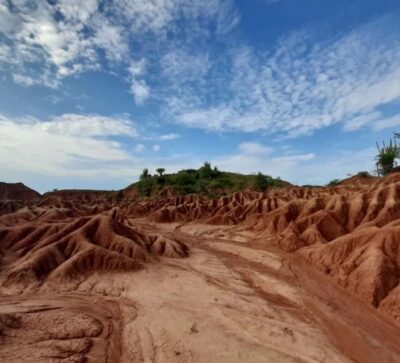
Neiva: Guided Day Trip to the Tatacoa Desert with Lunch
Read our review →
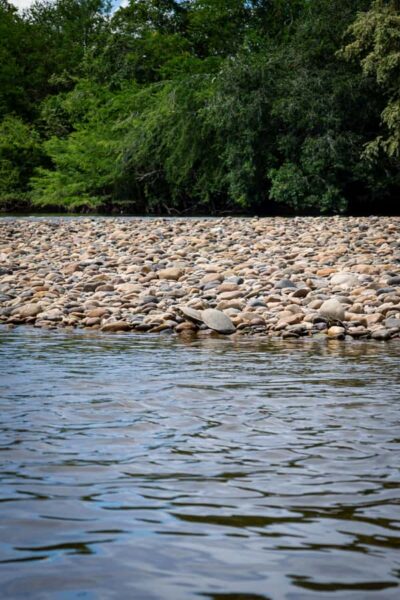
Community and Biodiversity Tour of the Tatacoa Neiva Desert
Read our review →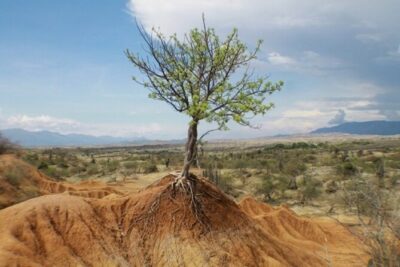
Desierto de la Tatacoa: paisajes y observación de estrellas.
Read our review →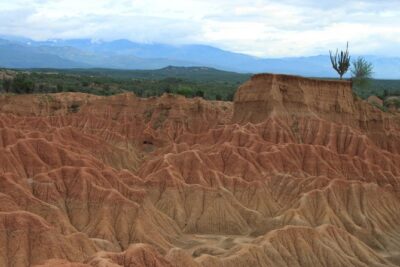
2-Day Private Tour to the Tatacoa Desert from Bogotá – Astronomy
Read our review →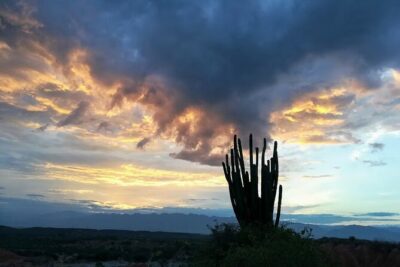
Tatacoa Desert Day Trip live, discover and connect
Read our review →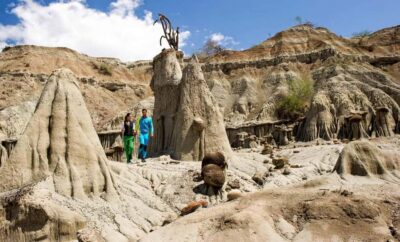
Day Trip to Tatacoa Desert (Horseback, Boat, Stargazing, ..)
Read our review →Browse the lists this tour appears in