
Reviewed · FOOD & DRINK
Food tour in Cali with exotic fruits, breads and drinks
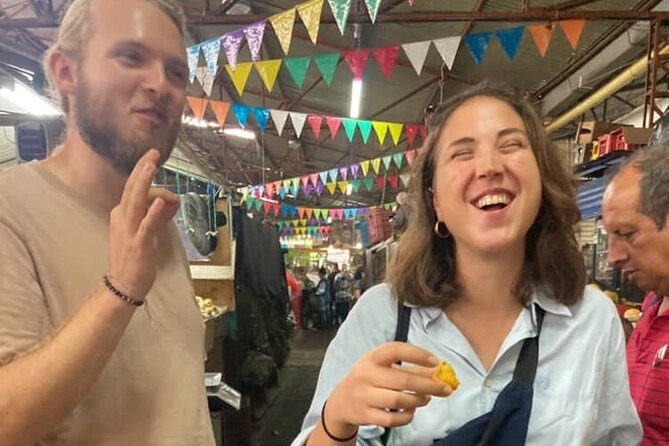
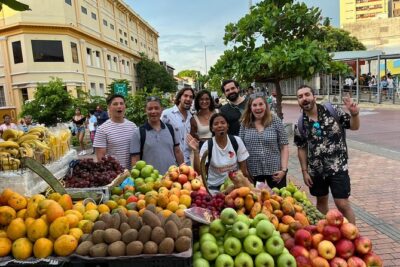
Cali food tours are often about big flavors, but this one is also about learning the fruit language fast, in the middle of an indoor market. In around 2 hours at Galería Alameda, you try tropical fruits, traditional breads, and classic drinks while picking up the kind of Spanish you actually use.
I love how the tastings are structured, not random. You get repeats of favorites like coffee and fruit, plus the traditional drinks lulada and shampoo, which makes the experience feel like a real food lesson. The one thing to watch for is meeting point confidence, because if you miss the start, you can lose time with no transport included.
Key highlights at Galería Alameda
- 2 traditional breads and a brunch-style bite: pandebono, almojábana, and empanada plus coffee
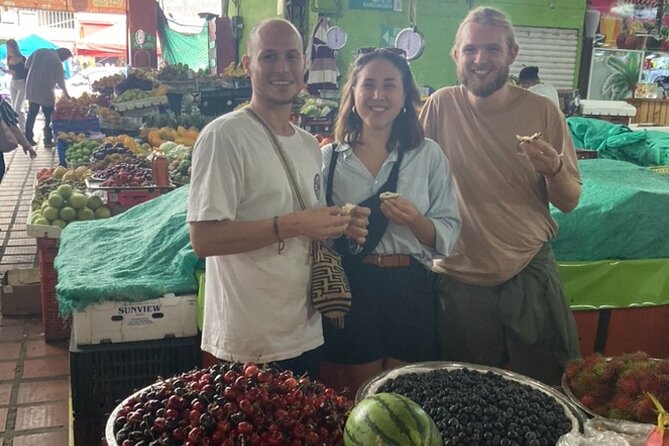
- 10+ tropical fruits in one go, including mangostino, chirimoya, pomegranate, zapote, guama, mamoncillo, and pitaya amarilla
- 2 signature local drinks, lulada and shampoo, tied to regional tastes
- Small group size (max 8), which keeps the pacing friendly in a busy market
- More than eating: you’ll hear about plants, crafts foods, and local myths around the market’s offerings
Why this Cali fruit and bread walk works so well
If you like the idea of travel by taste, this tour fits the way Cali likes to eat. You’re not doing a long sit-down meal where you order one safe thing and call it a day. Instead, you’re walking in and out of stalls at Galería Alameda, where you can actually see the produce, ask questions, and try flavors you might not know how to describe yet.
You also get a built-in reason to slow down. The format is designed around sampling, not speed. When someone hands you two breads and then a run of tropical fruits, you learn faster because your senses do the remembering. That matters in Cali, where the fruit scene is a big deal in everyday life, not just a tourist side show.
And yes, you’ll be practicing Spanish. The tour is set up so the food is the prompt for conversation, which is an easier way to engage than trying to memorize vocabulary in a vacuum.
More Food & Drink in Cali
- Street Food Tour
★ 5.0 · 157 reviews - The Cali Street Food Walking Tour
★ 5.0 · 81 reviews - Cali: Street Food Tour
★ 4.8 · 71 reviews
Timing, group size, and what 2 hours feels like
This is a short tour, about 2 hours. That’s a plus if you have only one window to explore food culture without turning your day into a full production. In a market, short is often smart, because you don’t want to spend all afternoon standing, waiting, and losing energy.
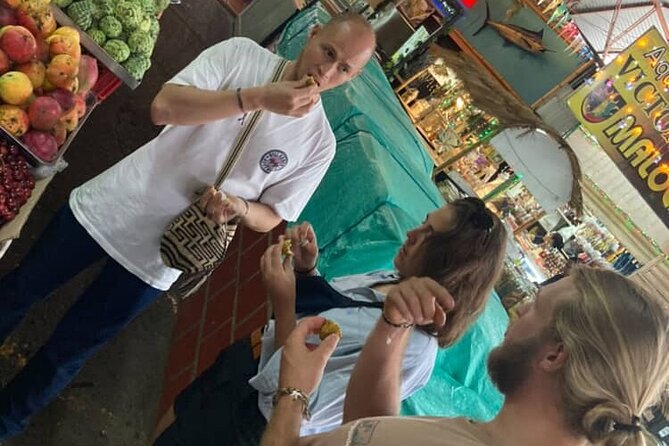
The tour caps at 8 travelers, so you’re not stuck in a huge pack. Smaller groups typically mean you can hear explanations clearly, ask follow-ups, and get your pacing right when fruit gets messy.
One practical note: private transportation isn’t included. So plan on getting yourself to the start point on time, since the tour is focused on walking within the market area and finishing at the market square.
Meeting point and where you end up
You start at Alameda Park, Calle 7A con Calle 7, La Alameda, Cali. The tour ends at the Galería Alameda, finishing in the market square.
For your planning, that means you can treat it like a neighborhood experience. Before you go, it helps to glance at the exact streets around Alameda so you feel confident arriving on foot or via local transport. Then after the tour, you’re already in the right spot to keep wandering and eating nearby, without needing a second “getting there” step.
Stop at Galería Alameda: the tastings that make it click
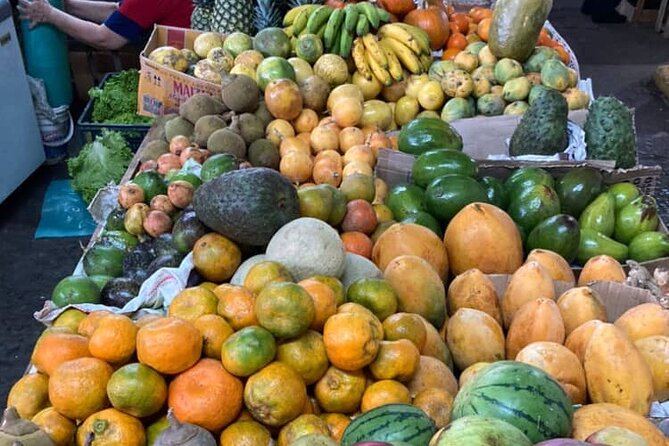
This tour’s heart is one main market stop at Galería Alameda. The focus is clear: breads, tropical fruit, and traditional drinks, with a bit of context to help you connect what you’re tasting to how locals think about it.
More fruit tastings in Cali:
- Medellín: Guided Exotic Fruits Tour
★ 5.0 · 202 reviews - Comuna 13 + Cable Car + Colombian Fruits Tasting: Private Tour
★ 5.0 · 167 reviews - Medellín Multi-sensory Tour in the market, +15 Exotic Fruits
★ 5.0 · 113 reviews - Guatape Town & Peñol Rock & Exotic Fruit Tasting | Private Tour
★ 5.0 · 90 reviews
The breads: comfort food that sets the baseline
You’ll try 2 traditional breads. The tour also includes coffee with pandebono, almojábana, and empanada. Even if you’ve had Colombian bread before, this combo helps you understand the bread role in daily snacking and breakfast culture.
If you’re the kind of eater who needs a base before going fruit-crazy, breads and coffee are perfect. They also give you a moment to reset your palate between sweet and acidic fruits.
The fruits: a fast education in tropical flavors
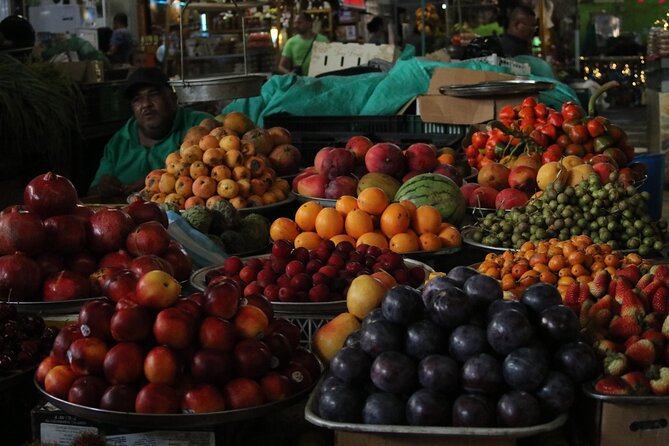
You’re offered 10 types of tropical fruits (plus additional fruits listed in the snacks). The exact list you’ll see includes favorites like mangostino, chirimoya, pomegranate, zapote, guama, mamoncillo, pitaya amarilla, and more.
Here’s what I like about the way this is set up. You’re not only trying the most famous fruit. You’re getting variety across textures and flavors. Some fruits are creamy, some are tangy, some are floral or earthy. When you taste enough in one sitting, you start noticing patterns like sweetness level, seed presence, and how fruit changes when it’s served fresh versus as a drink base.
Also, you’ll likely be hearing small explanations around plants and local uses. That doesn’t turn you into a botanist, but it helps you talk about what you’re tasting instead of just saying good or weird.
The drinks: lulada and shampoo
Two traditional drinks are included: lulada and shampoo.
What’s useful here is that drinks often reveal the “working flavors” behind a market. If you taste a fruit in solid form and then in a mixed drink, you get a better sense of how locals balance sweetness, thickness, acidity, and aroma.
It’s also a fun way to cool down if Cali is hot when you go. Markets can run warm indoors, and fruit drinks give you a change of pace without leaving the experience.
The extra context: plants, crafts foods, and myths
This stop isn’t just a tasting line. You’ll learn about plants, crafts foods, and myths connected to what you’re eating.
I like this part because it makes the food feel less like random samples and more like culture. Even if you forget the details later, the mental link stays. You remember the fruit and bread, but now you also remember that someone can explain where it comes from, how it’s used, and why people keep returning to it.
Spanish practice without the classroom feeling
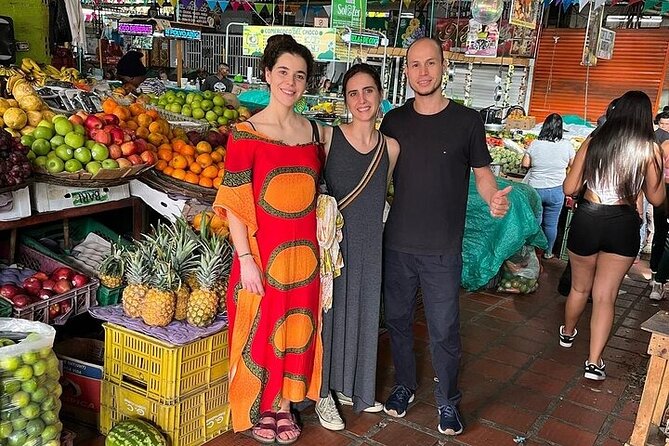
Because the tour is designed around tasting, you’re using Spanish in small, repeatable moments: what something is, how it’s described, and how to ask what to try next.
From a practical angle, this is what makes language practice feel doable. If you freeze when faced with full conversations, food gives you a structure. You can focus on learning a few phrases that you’ll use right then.
If your guide is Marlon, you may recognize the style described in past experiences: clear explanations, patience with limited Spanish, and a friendly vibe that makes questions feel normal. (Not every guide will be the same, but that kind of approach is exactly what makes market tours work.)
Value for the price: why this is a bargain at $19.22
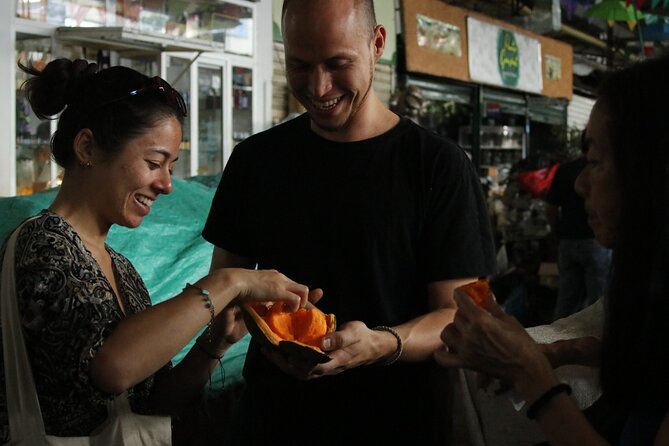
At $19.22 per person for about 2 hours, this tour is strong value because the cost is doing multiple jobs at once.
You’re not just paying for “a guide.” You’re paying for:
- Admission ticket included
- A set of fruit tastings (with 10 tropical fruits called out, plus more listed)
- 2 traditional drinks (lulada and shampoo)
- A coffee and brunch-style snack with pandebono, almojábana, and empanada
- Time in a market setting where you can learn and taste in one place
The tricky part with food tours is always comparison. Cheap tours often include only a couple samples. This one sets expectations with a real quantity of items, which is why the recommendation rate is high.
The main “cost” you should consider is not money, it’s your willingness to try unfamiliar fruit. If you’re picky or only want classic flavors, you might not get the full value. But if you like discovery, this is priced like a fun morning snack, not like a fancy meal.
Logistics to think about before you go
Two things matter most in how this goes smoothly.
First, transport isn’t included. That means the start time and meeting point really are on you. The most common frustration with short tours is missing the pickup moment. If you book, double-check the exact meeting location details and keep your message notifications on.
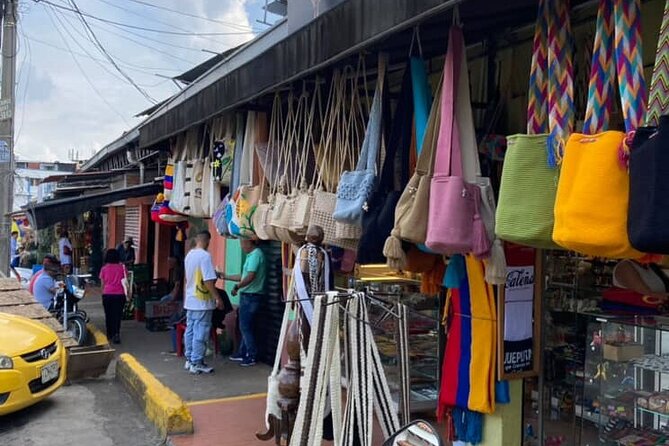
Second, it’s an indoor market. That usually means comfort gear: wear shoes that handle crowded floors, and expect the experience to be active, not sit-and-stare.
One more thing: service animals are allowed, and most travelers can participate. So if you’re traveling with a mobility aid or need a steadier pace, this format may still work, as long as you can handle market movement for about 2 hours.
Who should book this food tour, and who might skip it
This is ideal if you:
- Want a concentrated food experience in a short window
- Like trying lots of tropical fruit instead of just one or two items
- Care about practicing Spanish through real-life context
- Enjoy learning quick stories about local foods, plants, and market culture
You might skip it if you:
- Hate tasting new fruit flavors and textures
- Want a private driver or a fully custom agenda
- Are unsure about arriving on time to a specific meeting point
Should you book Galería Alameda’s fruit, bread, and drink tour?
Yes, I think you should book it if your goal is simple: eat your way through Cali fruit culture, learn a few words along the way, and keep the schedule tight. For the price, you’re getting a real sampling plan, not just a quick “try this and move on” stop.
My call comes down to two practical factors: short duration and strong included food value. If you’re the type who enjoys trying mangostino, chirimoya, zapote, and pitaya amarilla, plus washing it down with lulada and shampoo, this will feel like an efficient win.
Just go in with a small mindset shift. This isn’t about finding the single best fruit. It’s about tasting widely, learning what you like, and leaving Galería Alameda with new food favorites you can actually order later.
FAQ
How long is the food tour in Cali?
It’s about 2 hours.
What is included in the tour price?
You get tropical fruit snacks, 2 traditional drinks (lulada and shampoo), and a brunch with coffee plus pandebono, almojábana, and empanada. An admission ticket is included as well.
What fruits and foods can I expect to try?
The tour includes many tropical fruits such as mangostino, chirimoya, pomegranate, zapote, guama, mamoncillo, and pitaya yellow, plus other fruits. You’ll also try 2 traditional breads and the brunch items listed above.
Where do I meet the group?
The meeting point is Alameda Park, Calle 7A con Calle 7, La Alameda, Cali, Valle del Cauca.
Where does the tour end?
You’ll finish at Galería Alameda, in the market square.
Is transportation included?
No. Private transportation is not included.
Can I cancel for a refund?
Yes, you can cancel for a full refund up to 24 hours in advance of the experience start time. Canceling within 24 hours does not receive a refund.
Recently reviewed around Cali
- RiCo Salsa Tour: Cali Real★ 5.0 · 15 reviews
- Tour Cali on a high-capacity cruiser motorcycle – Cristo Rey & Yanaconas★ 5.0 · 19 reviews
- Saturday Night Bar Crawl in Cali, Colombia★ 5.0 · 20 reviews
- Spa Bosque el Descanso Miravalle★ 5.0 · 20 reviews
- Cali City Tour★ 4.5 · 20 reviews
- Private Arrival or Departure Transfer: Alfonso Bonilla Aragón Airport★ 4.5 · 21 reviews
- Cali private city tour★ 5.0 · 23 reviews
- Friday Night Street Salsa and Bar Crawl in Cali, Colombia★ 4.5 · 24 reviews
Food & Drink, compared.

Comuna 13 Graffiti Tour, Cable Car & Street Food
Read our review →
Half Day Bike Tour in Medellin – Local snack, Coffee or Beer
Read our review →


Rumbero Gastrotour through Medellín and Street Food
Read our review →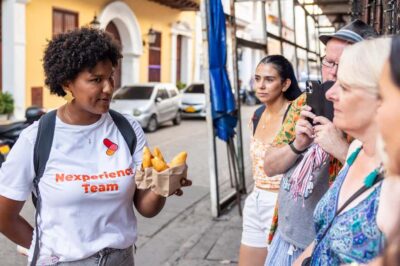
Browse the lists this tour appears in