
Reviewed · TATACOA DESERT
Desierto de la Tatacoa: paisajes y observación de estrellas.
The Desierto de la Tatacoa works because it gives you two totally different kinds of awe, desert color by day and star-gazing at night from a dark-sky astronomical observatory. I love the mix of El Cuzco’s red terrain for photos and the guided sky session that explains what you’re actually seeing. One possible drawback: you’ll spend serious hours on the road, and you should be ready for a roughly 3-hour hike.
This is also a well-run, people-first trip. With Ana on the host side and Caesar as the driver, the schedule stays smooth, and the small details matter when you’re traveling with kids or just want the day to feel easy. It’s a private tour with a bilingual guide/host, so you’re not stuck translating your own questions in the dark.
Key highlights you should not miss
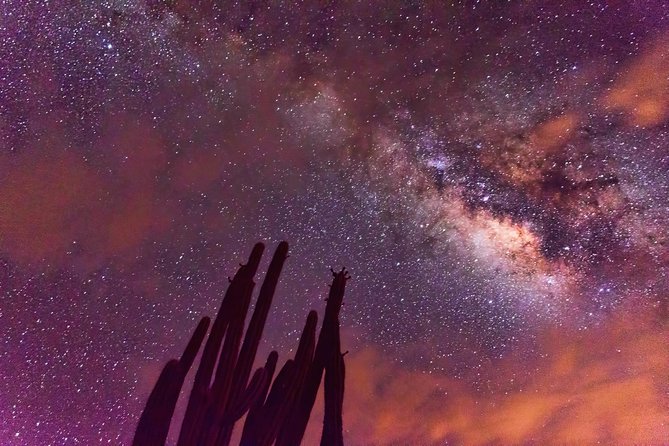
- Dark-sky stargazing near the equator at the La Tatacoa Municipal Astronomical Observatory, with a professional astronomer
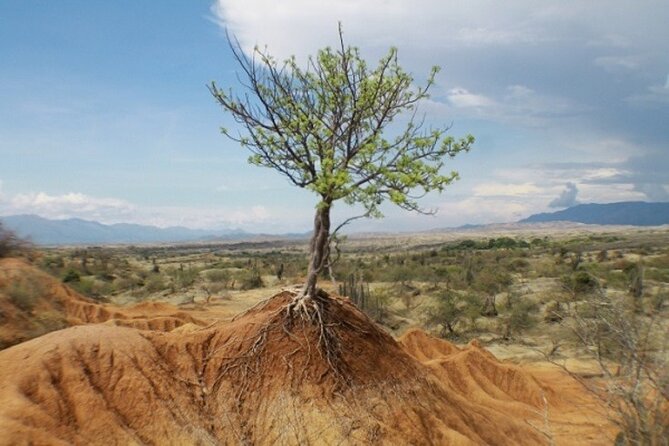
- El Cuzco photo stop in a reddish, arid zone where the views look like a movie set
- Villavieja town time that adds local customs and practical context, not just walking for walking’s sake
- Magdalena River wildlife chance, including sightings like iguanas, turtles, birds, and more
- Valley of the Xilópalos hike with specific passes like Paso de la Culebra, Valle de las Hermosas, and Paso de la Señorita
Why Tatacoa feels special for stargazing
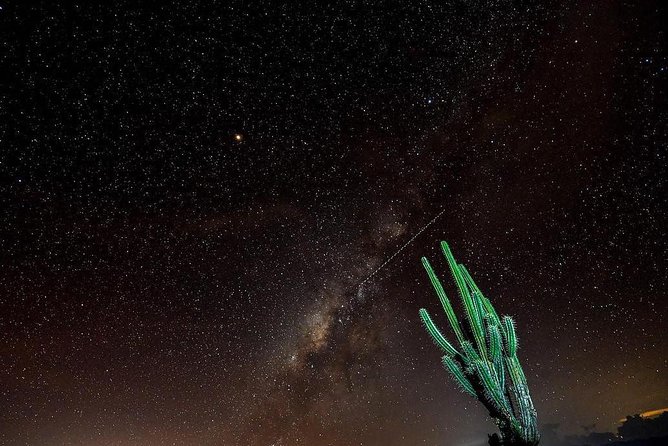
Tatacoa’s big advantage is simple: you’re going to a place with much less light pollution than major cities. The observatory experience is built around that. You’re not just handed a telescope and told good luck. You’re guided through what the sky is doing, with a professional astronomer explaining the constellations from a spot described as geographically privileged near the equator.
The tour also makes the viewing feel tangible. You go from daytime desert scenery into night skies in the same trip window. That contrast helps your brain register what’s different about this place. One minute you’re looking at rock and dust tones, the next you’re learning how to find patterns in the stars.
And yes, the star session is tied to real astronomy points: you can observe some of the 88 constellations during the program. That matters because it turns night photography from random shots into something purposeful. Even if you only catch a few constellations clearly, you’ll leave with names and a sense of where things sit in the sky.
More Tatacoa desert trips:
- 2-Day Private Tour to the Tatacoa Desert from Bogotá – Astronomy
★ 4.0 · 9 reviews - Neiva: Guided Day Trip to the Tatacoa Desert with Lunch
★ 4.8 · 76 reviews - Community and Biodiversity Tour of the Tatacoa Desert from Neiva
★ 5.0 · 29 reviews
Bogotá to Villavieja: the long drive, handled well
You start with pickup from your Bogotá hotel or accommodation and then head to the Huila state. The drive is about 6 hours, with breaks along the way. One neat detail here is that you have different pickup time options. Depending on whether you prefer a day road trip or a night one, you may arrive in Villavieja with more time to rest, or you may go more directly into scheduled activities.
This matters more than it sounds. Long transfers can make a trip feel rushed. Here, the schedule is designed so you don’t lose the entire first day to the road. After you arrive near the desert in Villavieja, you check in, get time to rest, and only then start the desert and observatory parts.
The tour also builds in a return drive on day 3, about 8 hours back toward Bogotá, with a roadside stop for lunch or a break. That means the trip is slightly “transport-heavy,” but it’s consistent and planned, not chaotic.
Day 1 in Tatacoa: El Cuzco before the stars
Day 1 is paced like a classic arc: get oriented in the desert, learn the setting, then switch to night skies.
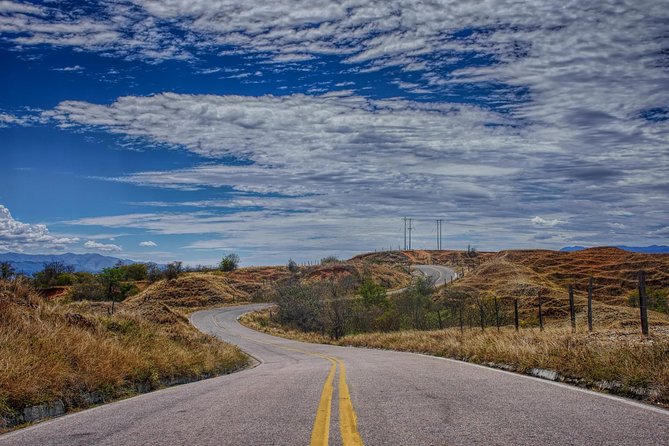
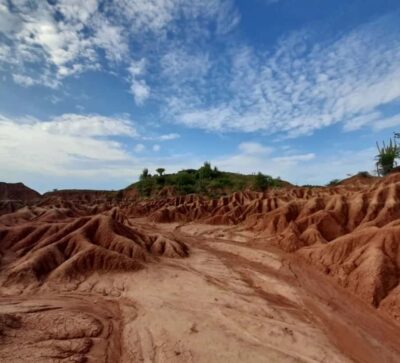
First, you arrive in Villavieja and check into lodging. Then you head into the desert for the first area called El Cuzco. This is described as a reddish, arid zone. Translation: you get that dramatic color and texture that makes Tatacoa so recognizable. This is your “get your bearings” area, and it’s also a good photography stop because the terrain is open and visually bold.
A potential drawback with any Tatacoa-style desert visit is that the views are impressive, but the experience can feel a bit exposed if you’re not used to dry, open environments. The good news is that the tour keeps the desert segment to a manageable block, and you’re not doing a full-day hike on day 1.
Then comes the main event at night: Astronomical Observatory Tatacoa. You register and enter the La Tatacoa Municipal Astronomical Observatory. From there, you watch the sky with a professional astronomer who explains constellations and what you’re seeing. The program is designed for the conditions described as close to the equator and free from significant light interference.
In practice, this is what makes the stargazing feel like an activity, not just a quiet walk. If you like learning, you’ll appreciate the structured explanation. If you’re only looking for photos and wonder, you’ll still benefit because the guide helps you aim and recognize patterns instead of guessing.
The Villavieja foundation: town walk plus Magdalena River time
Day 2 adds something that makes the trip feel real beyond the desert: Villavieja culture and the river system that shapes daily life in the region.
You start with a town tour exploring the town center. The focus is on history and local customs. Even if your plan is mostly about nature and stars, this part gives you context for what you’re seeing. It turns the trip from sightseeing into understanding how people live near these landscapes.
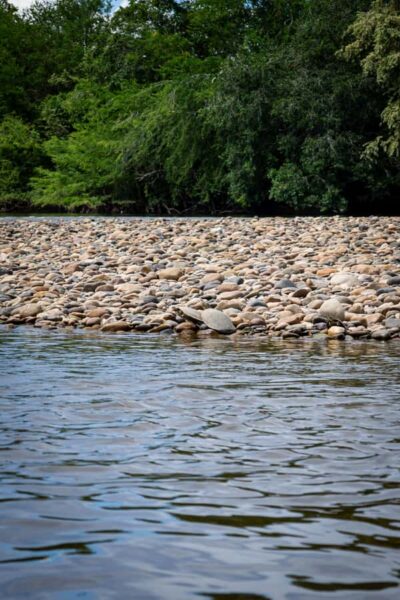
Then you head toward the Magdalena River for a trip that connects you to local economy and local fauna. The tour framing is practical, not just scenic. The river is described as a place where you can learn about livelihoods and also spot wildlife in the area.
One of my favorite parts of this concept is that you’re not only looking at animals on land. From the water time, sightings can include animals people love to talk about, like iguanas, turtles, birds, and more. Specific animals aren’t guaranteed, but the chance is there because you’re traveling along the river ecosystem rather than doing a short stop from the road.
You return to the hotel for lunch time and rest. That recovery window matters because day 2 can get active again.
A few more Bogotá days worth comparing
- Bogotá Bike Tour
★ 5.0 · 3,329 reviews - Bogota: Bicycle City Tour
★ 4.9 · 2,156 reviews - Zipaquirá: Salt Cathedral Group Tour with Pickup
★ 4.8 · 1,606 reviews - La Candelaria, Monserrate and Museums Bogotá Private City Tour
★ 5.0 · 1,567 reviews
Xilópalos Valley hike: Paso de la Culebra and the 3-hour trail
Day 2’s second half is the active one: the Valley of the Xilópalos hike. It’s described as about three hours and includes visits to natural areas such as Paso de la Culebra (Snake Pass), Valle de las Hermosas (Valley of the Beautiful Ones), and Paso de la Señorita (Miss Pass).
This is the section that tends to make people remember the trip, because it combines movement, changing views, and guided context. In the reviews shared with me, people also highlighted the value of having a local guide on the trail, for example Gladys, who explained what you were seeing. That’s the difference between a photo walk and a hike with meaning.
A consideration here is physical effort. Three hours walking on desert terrain is not a marathon, but it is not a stroll. Plan around your stamina. If you have knee issues or a tight comfort level with uneven ground, you’ll want to think carefully. The upside is that the tour builds the hike after you’ve had time to settle in and after breakfast, so you’re not starting exhausted.
If you go, focus on the small things that make the route feel alive: the way the terrain changes between passes, and how the trail narration helps you interpret the rock and plant patterns. Even if you’re not a geology person, the guided explanations tend to click fast in this kind of environment.
Day 3 return to Bogotá, with a practical lunch stop
Day 3 is straightforward: check out of the hotel and begin the return to Bogotá. The drive is about 8 hours, and there’s a stop at a roadside restaurant for lunch or a break.
This is the day to keep your expectations calm. You’re not adding another “big activity” on the schedule. Instead, the goal is to get you home without turning the trip into a grind. Since you already packed the desert exploration and observatory viewing into days 1 and 2, day 3 functions as a clean exit.
If you’re the kind of traveler who hates tight timing on travel days, this is a nice finish. You have time to eat, recover, and then settle in during the drive.
Lodging and breakfasts: how the included meals affect your energy
The package includes two nights of lodging and breakfast (3). That’s not a small detail. When you’re in a remote place, meals and logistics can multiply stress. Here, breakfast is handled for you, which helps you start each day with less decision-making.
Lunches and dinners are not included, so you’ll have to plan for food costs on your own. But since you do get free time in Villavieja on day 1, you can treat meals as a flexible part of the day rather than a fixed timetable that can drag you along.
In the experience, the lodging base also supports a family-friendly rhythm. People described how relaxing the hostel or lodging time felt, especially during breakfast and the evening before stargazing. That matters because a star session can be mentally demanding, even when you’re sitting down. You want a place to unwind first.
What you get for $716: value in the bundled pieces
Let’s talk money in a practical way. The price is $716 per person and it includes:
- air-conditioned vehicle and private transportation
- two nights lodging
- insurance policy
- bilingual tour guide/host
- entrances
- breakfast for 3 mornings
Lunches, drinks, and dinners are not included.
So where does the value actually come from? It’s not just the desert name. You’re paying for a bundle of hard-to-simplify parts: long transport from Bogotá, private logistics, lodging, and paid entry to desert and observatory experiences. Those are the items that can be expensive or annoying to organize on your own.
Also, the guide adds real value. Stargazing is one of those experiences where guidance changes everything. A professional astronomer and the observatory setup are not “optional extras.” They’re the main reason the night feels meaningful.
One more point: since it’s a private tour/activity, you’re not squeezed into a big crowd where you can’t ask questions. That can matter a lot when you’re traveling with kids or when you just want a smoother experience.
Who this Tatacoa stargazing tour suits best
This trip is a strong match if you want:
- stargazing with explanation, not just dark-sky sightseeing
- a balanced mix of desert viewpoints, river time, and one proper hike
- a trip that feels structured but not overly technical
It also seems especially good for families. In the feedback I received, people specifically pointed out it worked well for an 8-year-old during Semana Santa, because the activities line up with what kids can handle, and the guides keep it understandable.
It can also work for couples or solo travelers who like learning as they go. The astronomy session and the trail commentary create that “I’m seeing more than pretty stuff” feeling.
If you hate long car days, you may find this too much. You’re looking at about 6 hours out and 8 hours back from Bogotá, plus time on your feet.
Tips I’d use to make the most of it
You don’t need special gear to enjoy Tatacoa, but a few practical choices can make a difference.
- Wear comfortable walking shoes for the three-hour Xilópalos hike.
- Bring a camera setup you can use easily at night. You’ll be at an observatory, and your experience will improve if you’re ready to capture what you’re learning.
- Charge your devices early. The night session is a time when you might want photos and also references from the guide’s explanations.
- Plan for snacks only if you need them. Lunch isn’t included, and you do have free time in Villavieja, so you can handle hunger without panicking.
Should you book the Desierto de la Tatacoa star observation tour?
If your main goal is stargazing that’s actually explained, plus a day-to-night flow from red desert terrain into a guided observatory session, this is an easy yes. The itinerary is built around variety: El Cuzco for visual impact, Villavieja for context, the Magdalena River for wildlife chances, and the Xilópalos hike for the active highlight.
If you’re someone who gets cranky after long transfers, make sure you’re comfortable with the ride times. Otherwise, you’ll likely feel like the trip hits the right note: memorable scenery, a guided sky session near the equator, and enough variety to keep the days from blurring together.
FAQ
How long is the Desierto de la Tatacoa tour?
It lasts about 3 days.
Where does the tour start?
Pickup starts in Bogotá from your hotel or accommodation.
How far is the drive to reach Tatacoa?
The journey to the nearest town to the desert, Villavieja, is approximately 6 hours, with breaks.
Do I get lodging included?
Yes. The price includes two nights of lodging.
Does the tour include tickets to the desert and observatory?
Yes. Admission tickets are included.
What does the stargazing part involve?
You visit the La Tatacoa Municipal Astronomical Observatory and observe some of the 88 constellations with a professional astronomer.
Is there a hike?
Yes. On day 2, you hike for about 3 hours in the Valley of the Xilópalos, including stops such as Paso de la Culebra, Valle de las Hermosas, and Paso de la Señorita.
Are meals included?
Breakfast is included for 3 mornings. Lunches, drinks, and dinners are not included.
Is this tour private?
Yes. It is a private tour/activity, and only your group participates.
What is the cancellation policy?
You can cancel for a full refund up to 24 hours in advance of the experience start time.
Recently reviewed around Bogotá
- Visit and live a colombian coffee plantation (group tour)★ 4.5 · 4 reviews
- Villa de Leyva Food Tour at Sunset★ 5.0 · 4 reviews
- Private Coffee Tour in Cachipay★ 5.0 · 4 reviews
- Bike Tour in Bogota★ 5.0 · 4 reviews
- Tour Nocturno de Tejo y Salsa en Bogotá★ 5.0 · 4 reviews
- Hike to the Rocky mountains of Sutatausa Private Day Tour★ 5.0 · 5 reviews
- Andrés Carne de Res Chía: VIP Entry with Cover & Welcome Cocktail★ 5.0 · 5 reviews
- Salt Cathedral Tour along with the Legendary Lake Guatavita★ 5.0 · 5 reviews
Tatacoa Desert, compared.
Neiva: Guided Day Trip to the Tatacoa Desert with Lunch
Read our review →
Community and Biodiversity Tour of the Tatacoa Desert from Neiva
Read our review →
Community and Biodiversity Tour of the Tatacoa Neiva Desert
Read our review →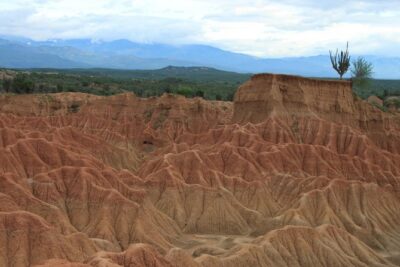
2-Day Private Tour to the Tatacoa Desert from Bogotá – Astronomy
Read our review →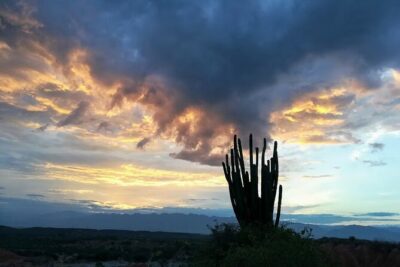
Tatacoa Desert Day Trip live, discover and connect
Read our review →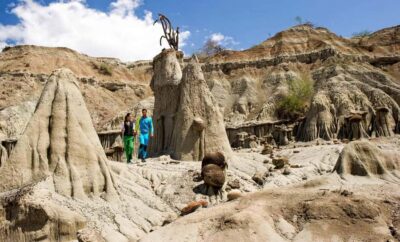
Day Trip to Tatacoa Desert (Horseback, Boat, Stargazing, ..)
Read our review →Browse the lists this tour appears in