
Reviewed · LA CANDELARIA
Bogotá: Guided La Candelaria Walking Tour
La Candelaria is one of those Bogotá neighborhoods where you can read the country with your feet. You’ll pass Baroque, Art Deco, and colonial-looking corners within minutes, then hit street art alleys that feel way more current than the stone and balconies suggest. The tour is interesting because it connects the architecture to the bigger story of Colombia’s social and political past, without drowning you in dates.
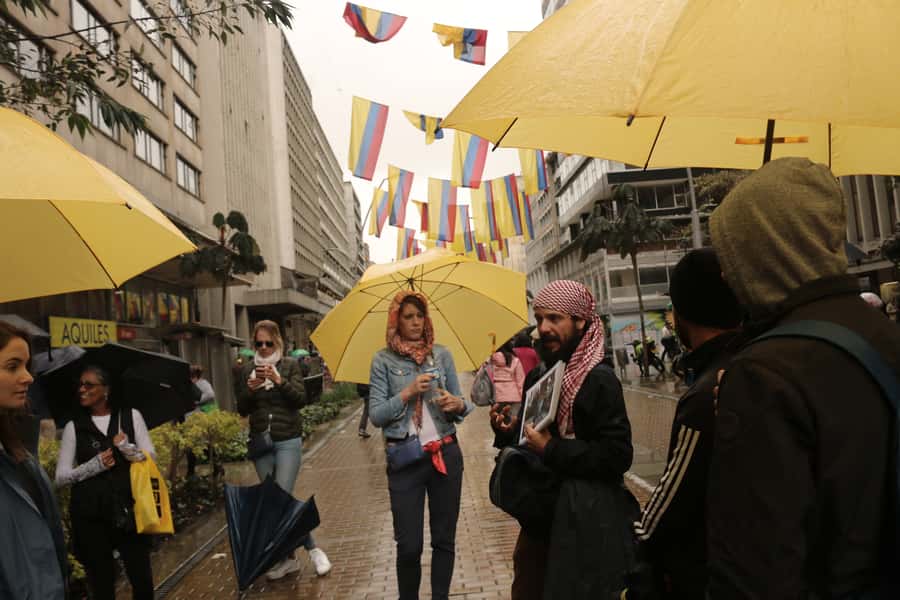
What I love most is the stop-and-savor approach, especially the local fruit tastings that make the walk feel human instead of museum-like. I also like that the guide focuses on street art and historic context, so the colorful walls come with meaning, not just decoration. One drawback to plan for: this is a walking tour in all weather, so bring the basics and don’t expect long stretches of shelter.
Key Points You Will Actually Care About
- Local fruit tastings that give you a real taste of the region, not just a token snack.
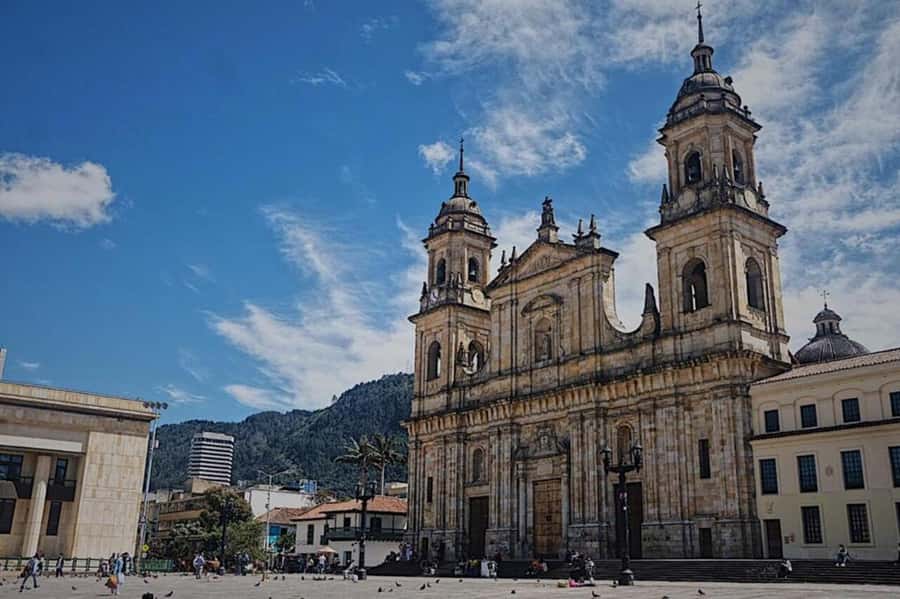
- Architecture contrasts across La Candelaria, from colonial-style details to Art Deco-era faces.
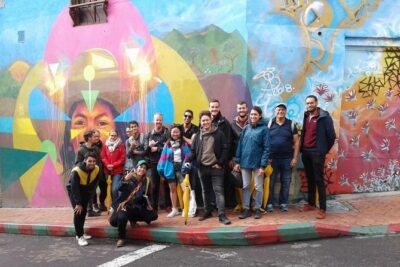
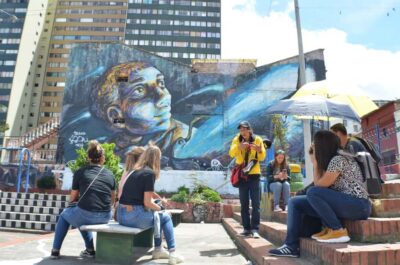
- Street art with context, where you learn what you’re looking at and why it matters.
- La Concordia market time to mingle with locals and see the neighborhood beyond the main sights.
- Big-history stops around Bolívar Square and key downtown corridors like Carrera Septima.
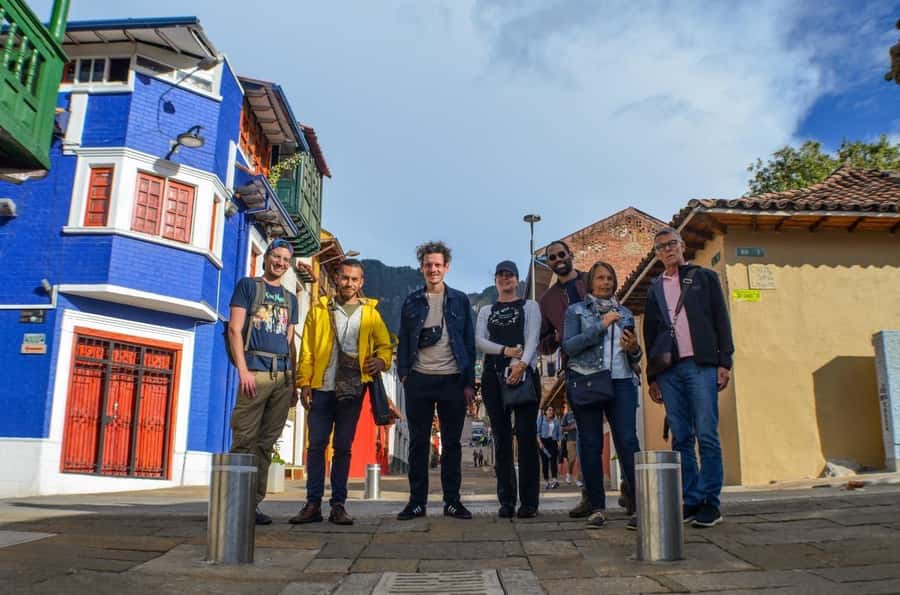
- Small group pacing, with guides praised for energy and clear English.
La Candelaria’s Old and New Mix Makes Bogotá Feel Understandable
La Candelaria is the part of Bogotá where the city’s layers show up fast. One minute you’re looking at older facades and ornate building shapes, the next you’ll be walking through a corridor where modern street art and everyday street life take over. That contrast is the whole point of doing this tour on foot, because you experience the neighborhood as a sequence, not as a checklist.
The guides do a good job connecting what you see to why it exists. You’ll learn how major Colombia events shaped local life, and you’ll also understand how the neighborhood became known as a cultural melting pot. In practice, that means the story behind a building or mural feels linked to the streets you’re standing on, not like a lecture from the curb.
If you’re a first-timer, this is a smart way to get oriented. If you’ve been in Bogotá a few days, it still helps, because you start noticing patterns in the architecture and the politics that you would otherwise miss.
More Walking Tours in Bogotá
- Graffiti Tour: a fascinating walk through a street art City
★ 5.0 · 1,074 reviews - Walking Tour in La Candelaria Bogotá
★ 5.0 · 859 reviews - Bogotá Tour: Monserrate, Food, City Walk & Botero Museum
★ 5.0 · 328 reviews
Walking First, Sampling Second: How the Tour Feels in Real Life
This is a 3 to 7 hour guided walk, built around frequent stops rather than one long march. Most of the experience is active, with short pauses to look closely, take photos, and hear the backstory. The small-group size helps here, since you can ask questions without shouting over a crowd.
From the start, you’ll want your essentials ready: comfortable shoes, a camera, sunscreen, and water. Bring a little extra water than you think, because Bogotá weather can change on you during the day, and the tour runs in all weather conditions.
Meeting point can vary depending on the booked option, so plan to arrive early. And if you’re combining this day with a bike tour, it’s a good idea to keep a lighter schedule afterward. The walking covers a lot of downtown ground, and you’ll likely want time to decompress with coffee (more on that later).
One more practical note: guides on this tour have been singled out for energy and clear explanations, including English skills. Names that have come up often include Lesley, Sara, Juana, Luis, Jose, and Luis again in different groups. Even if your guide is someone else, you can expect that style, not a slow, read-from-a-book pace.
Fruit, Chocolate, Coffee, and Coca Tea: The Food Stops That Actually Teach
The most delightful part of this tour is how food fits into the route. You’re not just handed a snack and moved along. Instead, the guide uses tastings to connect geography, local habits, and everyday life to what you’re seeing outside.
You can expect refreshing local fruit tastings as a core part of the experience. Some groups also mention additional treats like chocolate and Colombian coffee. A few guides include coca tea tasting as well, which is a nice cultural touch and an easy way to slow down and chat.
Here’s why this matters for you: it breaks the mental load. History and architecture are heavy topics, even when the guide makes them clear. The food stops give you short resets, and they also create a natural moment to ask questions like, what should I try next, what’s worth tasting in other neighborhoods, and how do Colombians usually start their day.
This is also where the tour feels less touristy. Even when you’re at a well-known site, the market and food moments bring you back to daily rhythms. If you’re picky about tours that only “look” authentic, this one tends to deliver because the tastings are part of the neighborhood experience.
La Concordia Market: Your Best Chance to See the Neighborhood Side
When the route turns toward La Concordia market, the tone changes in the best way. You’re moving from famous downtown sights into a place where you can mingle with locals and watch everyday commerce unfold. That shift is what makes this stop worth your time, especially if you’ve already done a couple of photo-heavy city walks.
The guide helps you focus on what’s in front of you. Instead of rushing through stalls, you’ll get time to learn what you’re seeing, and you’ll often get food tastings that feel more like a local habit than a tour offering. In many cases, guides also point out details that help you understand the market’s role in the surrounding neighborhood life.
One tradeoff to understand: markets can be chaotic by nature. Even with a guide, you’ll want to keep your space and keep an eye on your belongings. If you prefer calm, controlled sightseeing, think of this segment as the “lively” part of the walk, not the quiet museum wing.
Still, if you want Bogotá that feels real and not staged, this is one of the strongest blocks of the tour.
More of La Candelaria:
- La Candelaria, Monserrate and Museums Bogotá Private City Tour
★ 5.0 · 1,567 reviews - Shared Tour of the Historic Candelaria in Bogotá
★ 5.0 · 1,551 reviews - Bogota + Monserrate Private City Tour, Museums, Candelaria.
★ 5.0 · 1,015 reviews - Graffiti Tour in La Candelaria Bogotá
★ 5.0 · 315 reviews
Carrera Septima and the Gold Museum Area: Big-City Life With Historical Meaning
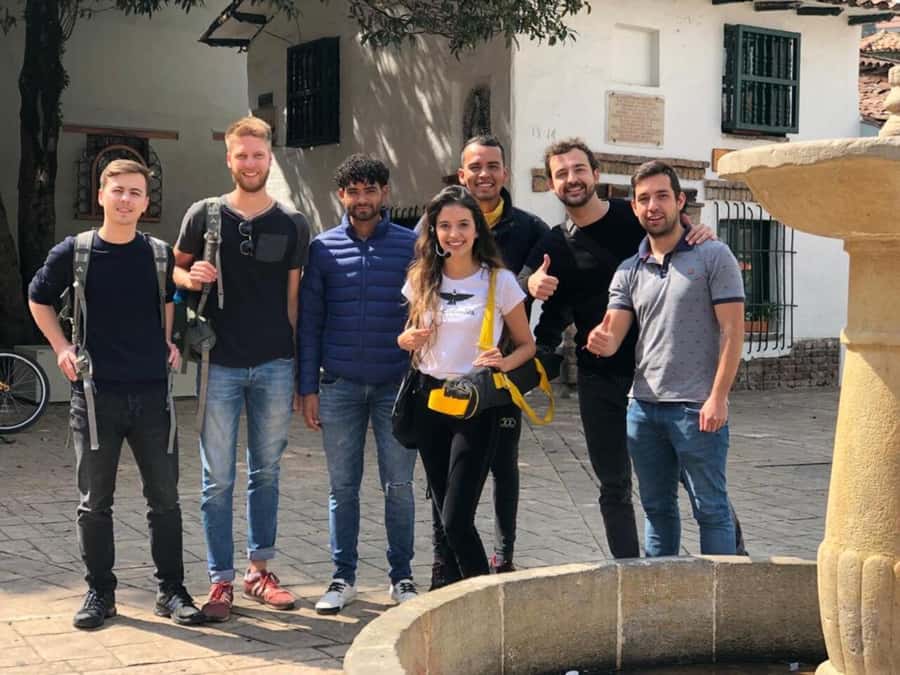
You’ll walk through central corridors like Carrera Septima, which is one of those Bogotá arteries that helps you see how the city functions beyond the historic postcards. This part of the tour matters because it links the older and newer Bogotá in an obvious way: you’re moving through streets where daily life continues even as the neighborhood carries heavy historical symbolism.
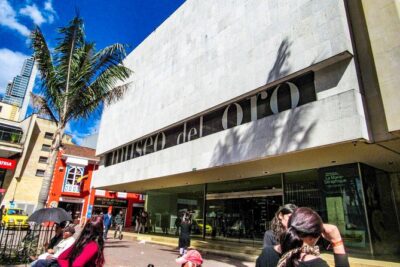
You’ll also hear about the broader context around the Gold Museum area. Even if you don’t go inside, it’s useful to understand why this zone is so culturally important. The guide’s job is to help you read the geography, so when you later choose whether to visit a museum on your own, you’ll know exactly what role that site played in the bigger story.
In some groups, guides add optional value by steering you toward nearby cultural stops. One guide, for example, has been mentioned as taking people into the Botero Museum as a bonus. Another common add-on is coffee at the end of the walking portion. These extras depend on timing and the group, so treat them as possible bonuses, not guaranteed add-ons.
The payoff for you is momentum. You finish the walk with a clearer sense of where to spend more time later, and you’re not starting your second day with a blank map.
Bolíva r Square and Colombia’s Complex Past, Explained Without Making It Heavy
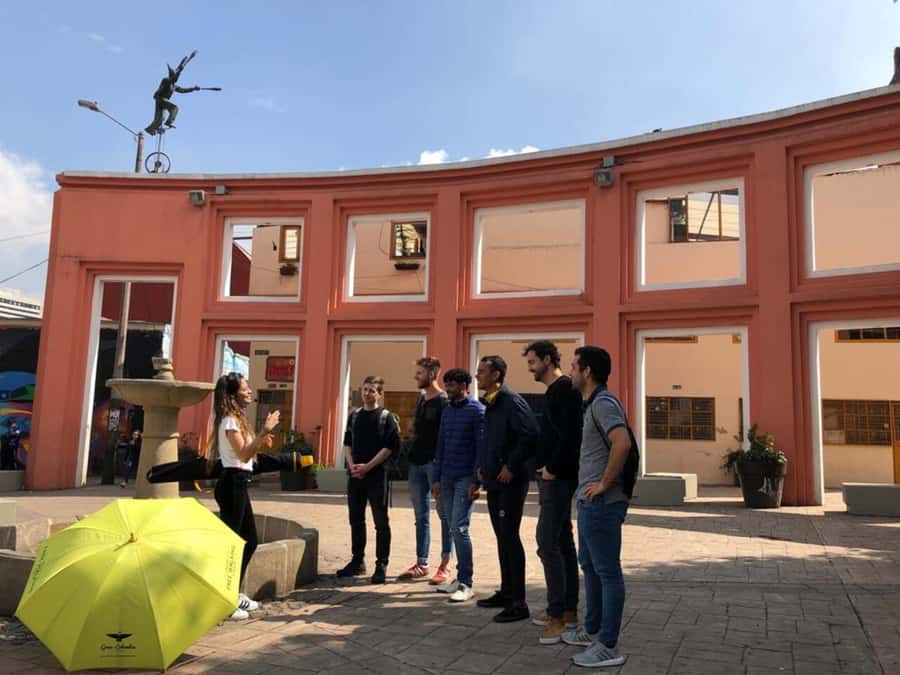
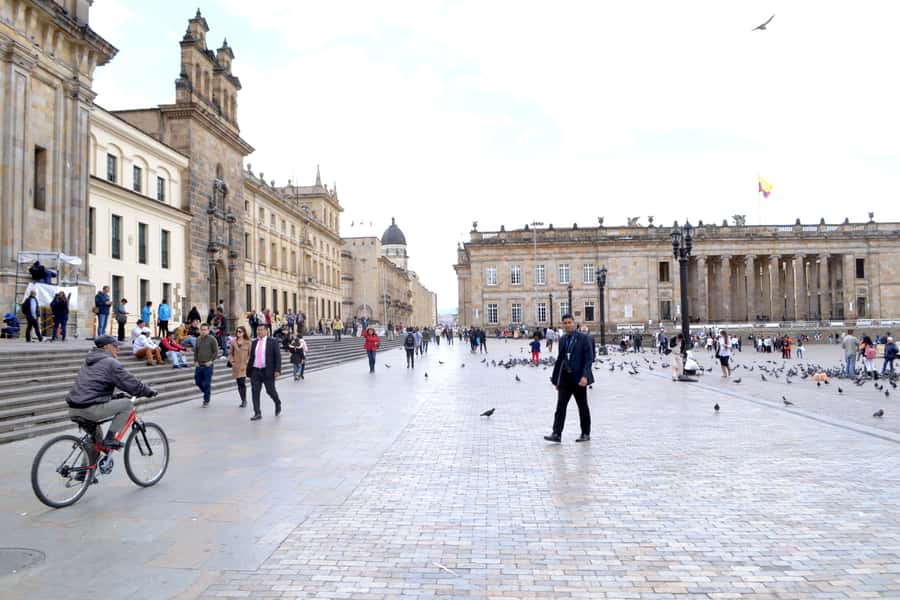
Bolívar Square is where the tour’s history focus tightens up. This is a place tied to national memory, and the guide helps you understand Colombia’s resilience and complexity without turning it into doom-and-gloom storytelling.
The way the tour frames the square and surrounding areas tends to be practical. Instead of overwhelming you with every event, you get the key threads that explain how the country’s social and political history connects to what you see in the streets. That approach is especially helpful if this is your first time learning the material.
If you’re the kind of traveler who wants context, you’ll probably love how the guide turns the square into something you can “feel” rather than something you just stare at. If you’re more casual about history, you’ll still get enough to make the landmarks click. Either way, you walk away with better understanding, not just photos.
Also, the route typically finishes in a way that sets you up for the rest of your day. Several guides are praised for giving restaurant and coffee recommendations after the tour, which is a real quality-of-life bonus when you’re hungry and trying to choose well.
Timing, Pace, and Value: Why $16 Often Feels Like a Steal
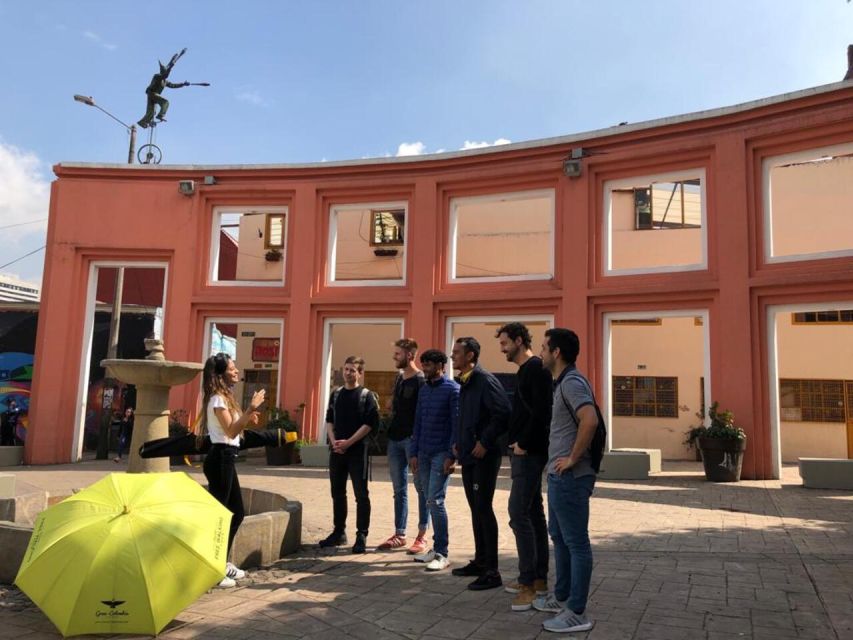
At $16 per person, this tour sits in the budget-friendly zone, especially for a guided experience that covers multiple landmark areas. The value comes from the blend: history, architecture, street art, market time, and food tastings. It’s not just one neighborhood with one theme. It’s a connected walkthrough of downtown Bogotá.
The duration is wide, 3 to 7 hours, so how long you end up out there depends on the option you book and how the route flows with the group. That range can be good for you if you want flexibility, but it also means you should avoid stacking another big activity too tightly right after. Leave buffer time, especially if you want to visit any museums mentioned during the tour.
Pace is another factor. Many people highlight that small groups allow a comfortable speed. You can ask questions, take photos, and still keep moving. That’s the sweet spot for a walking tour, because the city doesn’t wait for you, but you also shouldn’t feel like you’re being dragged.
If you’re deciding whether this is worth it compared to self-guided wandering, the best argument is this: the guide turns the city’s details into meaning. Without that, you’d likely miss why certain streets matter, why street art is placed where it is, and why markets and squares matter to Colombian life.
Who Should Book La Candelaria Walking Tour (and Who Might Skip It)
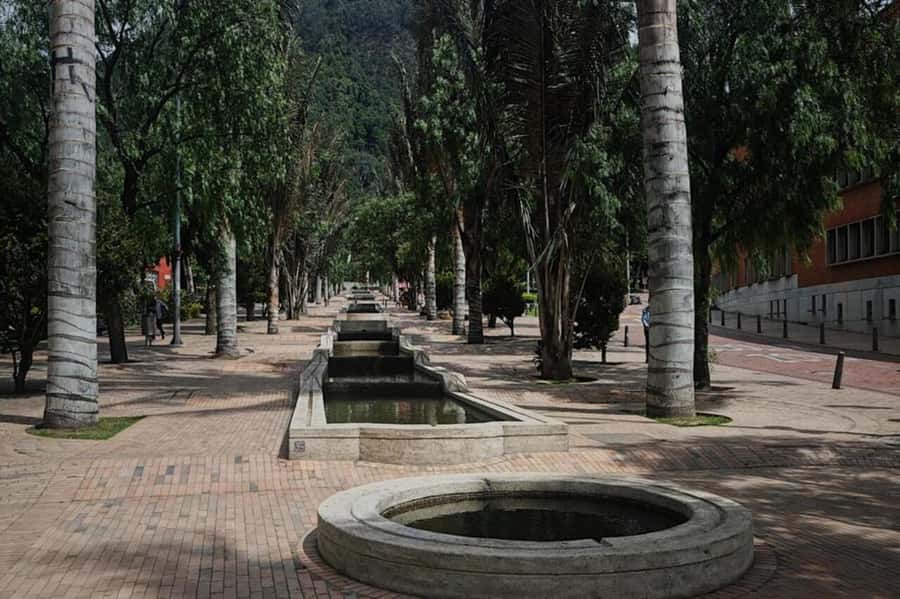
I’d suggest booking this if you want a strong first introduction to Bogotá’s downtown without missing the neighborhood’s complexity. It’s also a good match if you love street art, enjoy architectural variety, and you’re happy walking for hours as long as the stops keep things interesting.
If you’re coming from another city and feel overwhelmed by big-city scale, this tour helps you get your bearings fast. The history portion gives you a framework, and the fruit and coffee stops keep you from feeling overloaded.
You might consider another option if you dislike markets, hate weather-related walking, or prefer structured museum time over street-level context. Since it runs in all weather, you’ll want to respect that reality.
Should You Book This Tour? My Practical Decision Guide
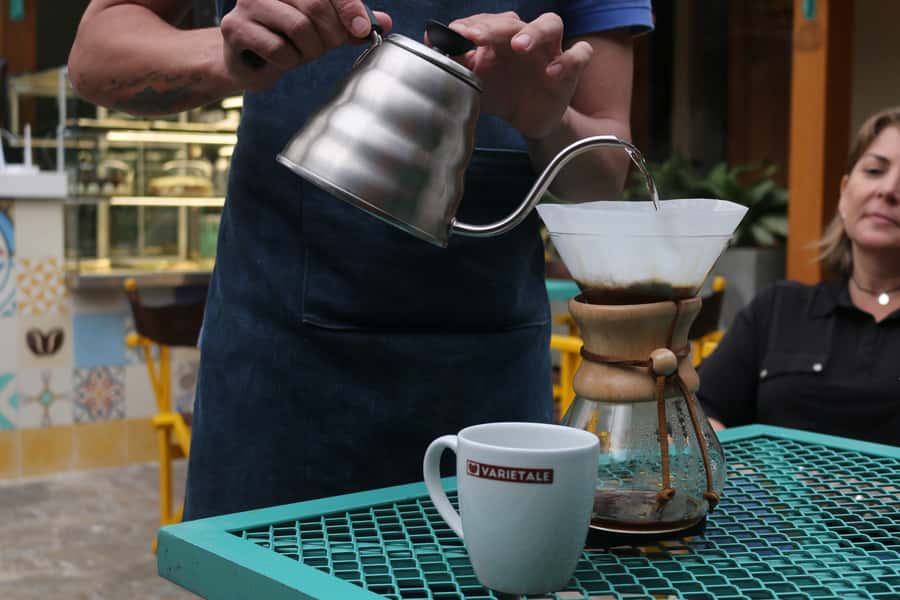
If you want a guided walk that gives you architecture, street art meaning, a market experience, and food tastings for a very reasonable price, book it. The consistently praised elements, like strong guide energy, clear explanations in English, and smart focus on Colombia’s social and political past, are exactly the ingredients that make a first-time downtown visit smoother.
If you’re short on time, choose a shorter option. If you’re there for a few days and want a deeper orientation, lean into the longer window so the route can breathe. Either way, wear comfortable shoes, drink water, and come with a camera ready. This tour is the kind where a few good photos make sense later, but the real win is understanding the streets while you’re still walking them.
FAQ
How long is the La Candelaria walking tour?
The duration is listed as 3 to 7 hours, depending on the option and starting times available.
Is the tour offered in English and Spanish?
Yes. The live tour guide is available in Spanish and English.
What food is included during the tour?
Food tastings are included, including refreshing local fruit. Some experiences may also include other tastings like coffee or coca tea, depending on the guide and route flow.
What should I bring?
Bring comfortable shoes, a camera, sunscreen, and water.
Does the tour run in bad weather?
Yes. The tour takes place in all weather conditions.
Can I combine it with a bike tour on the same day?
If you wish, you can add a bike tour and enjoy both activities on the same day.
Recently reviewed around Bogotá
- Visit and live a colombian coffee plantation (group tour)★ 4.5 · 4 reviews
- Villa de Leyva Food Tour at Sunset★ 5.0 · 4 reviews
- Private Coffee Tour in Cachipay★ 5.0 · 4 reviews
- Tour Nocturno de Tejo y Salsa en Bogotá★ 5.0 · 4 reviews
- Bike Tour in Bogota★ 5.0 · 4 reviews
- Hike to the Rocky mountains of Sutatausa Private Day Tour★ 5.0 · 5 reviews
- Andrés Carne de Res Chía: VIP Entry with Cover & Welcome Cocktail★ 5.0 · 5 reviews
- Salt Cathedral Tour along with the Legendary Lake Guatavita★ 5.0 · 5 reviews
La Candelaria, compared.
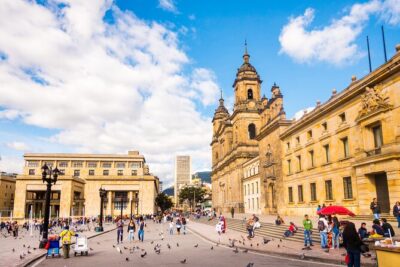
La Candelaria, Monserrate and Museums Bogotá Private City Tour
Read our review →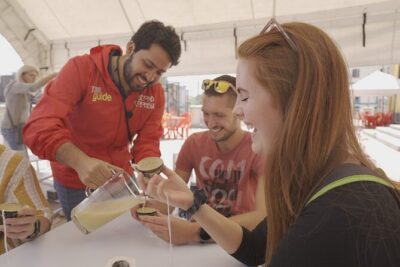
Shared Tour of the Historic Candelaria in Bogotá
Read our review →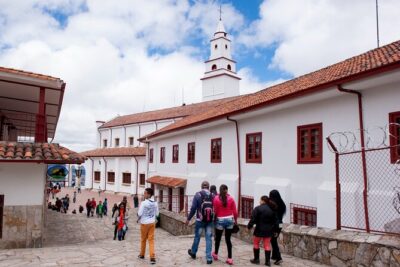
Bogota + Monserrate Private City Tour, Museums, Candelaria.
Read our review →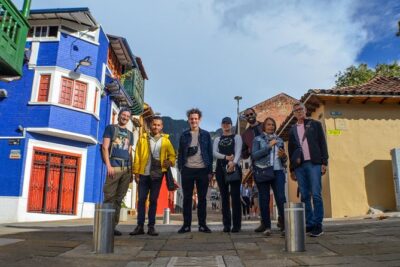
Private Tour in Bogota : Monserrate, Museums and Candelaria
Read our review →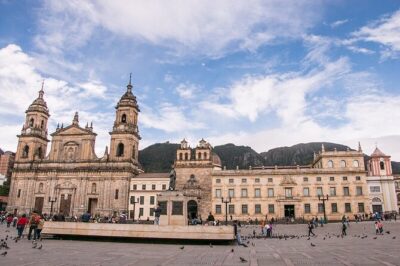
Private Bogotá Tour: Candelaria, Gold Museum, Optional Monserrate
Read our review →Browse the lists this tour appears in