Reviewed · BOGOTÁ TOURS
Breaking Borders: Bogota Gansters Story
Breaking Borders: Bogota Gansters Story is interesting because it swaps the usual Bogotá sightseeing for a guided walk inside the story of a neighborhood. You’ll hear how Barrio Egipto went from armed control and the drug trade to a community built on hope, youth activities, and new choices.
I love the fact that the tour is led by people who lived the old reality. You may meet guides such as Andrea, Harold, Monkey, Gigio, Raul, Mr. Pumpkin, and Gildardo, and they share what it actually cost, and what it takes to change. I also love the mural walk, where graffiti becomes a map of memory and meaning, not just street art.
One drawback to think about: this is not a soft, fluffy experience. You’ll hear about violence and trauma, and you’ll do some climbing on Egipto’s hills, so comfortable shoes matter, and a calmer pace might be better if you prefer lighthearted tours.
Key things to know before you go
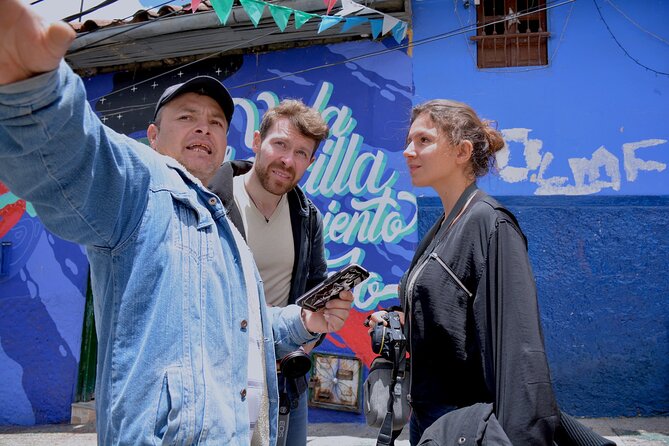
- Former members of those groups guide the walk, so you hear first-person context, not a talking-points script
- Graffiti and murals explain Egipto’s transformation, street by street, symbol by symbol
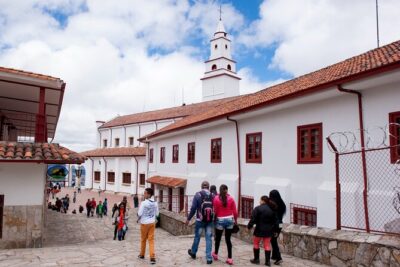
- A church setting at Egipto (and La Candelaria origins) gives the trip real local grounding
- A community football field is part of the story of change, especially for young people
- Hotel pick-up and drop-off can be included, if you choose the transportation option
- You get a snack plus traditional chicha, which helps you keep going during the climb
From Chorro de Quevedo into Egipto’s real story
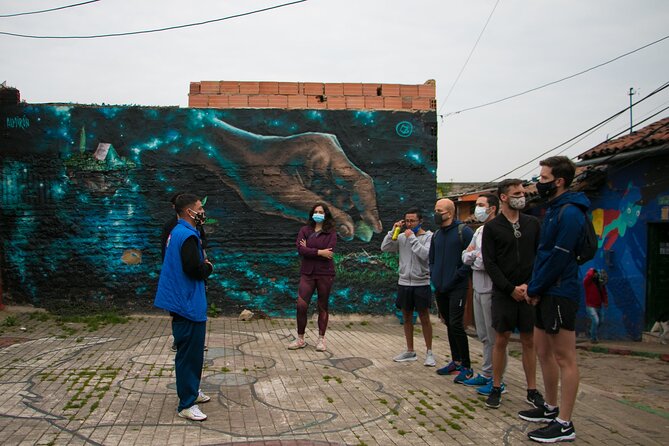
This tour works because it starts at a place that feels like Bogotá’s origin point, not its postcard version. Your meeting point is Plazoleta Chorro de Quevedo in La Candelaria. It’s the birthplace area of the city, and it sets the tone: you’re not just going somewhere new, you’re understanding how Bogotá got to this moment.
Then you head toward Egipto’s entrance, and the whole experience becomes a guided “how did this happen?” lesson. You’ll walk through streets where murals tell the story of transformation, and you’ll be told why tourism, community work, and youth programs can change the direction of a neighborhood.
If you want Bogotá that feels human, this is the route.
A few more Bogotá days worth comparing
- Bogotá Bike Tour
★ 5.0 · 3,329 reviews - Bogota: Bicycle City Tour
★ 4.9 · 2,156 reviews - Zipaquirá: Salt Cathedral Group Tour with Pickup
★ 4.8 · 1,606 reviews
Stop 1: Chorro de Quevedo and the Breaking Borders mission
You start at Chorro de Quevedo and meet your guide. Right away, the tour frames what Breaking Borders is trying to do, and how visitors can support change without turning people into props.
From there, you move through La Candelaria toward Nuestra Señora de Egipto, the church at the entrance of Barrio Egipto. The church isn’t just a landmark. It’s tied to local life, including the festivities on January 6, which is when the area comes alive and community identity shows up strongly.
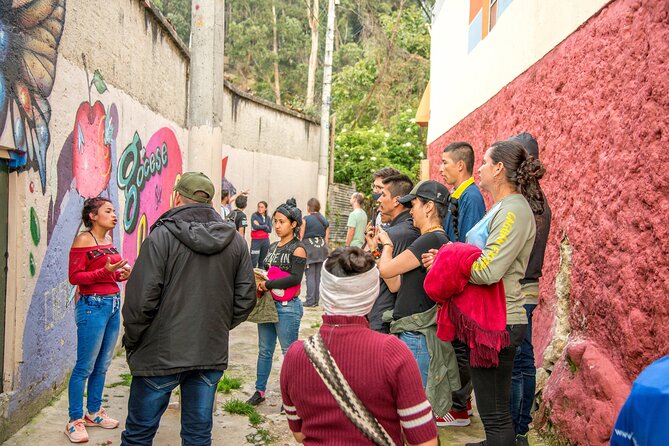
This first stretch is also where the mural interpretation matters most. You’ll see graffiti art that explains the neighborhood’s history, and your guide will give you the story behind the images. That’s a big part of why this tour doesn’t feel like a standard walking route. You’re being taught to read what you’re seeing.
What I like about this first stop: it helps you arrive in Egipto with context. You’re not shocked by what you see because you’ve already been given the background.
What to consider: it can be emotionally intense early. Even if you keep a cheerful travel mindset, the stories start in a real place.
Spotting meaning in the graffiti walk
Graffiti here is not random scribbles. You’ll be walked through the meanings behind the images as you go along. That turns street art into a language of memory.
One of the strongest parts of the experience is how your guides connect artwork with lived reality: what led people into the armed groups, what damaged families and community trust, and what new structures are trying to replace the old cycle.
This is where the guides’ own history becomes more than a headline. Guides such as Harold, Monkey, and others you might meet do not just tell you the plot. They explain the logic of their choices back then, and what they want visitors to understand now.
You also get bilingual help, since the tour includes a bilingual expert guide (English and Spanish). That matters on tours like this, where misunderstandings can turn into disrespect fast. Clear translation keeps the experience honest.
Stop 2: Climbing Egipto hills for church life and the youth football field
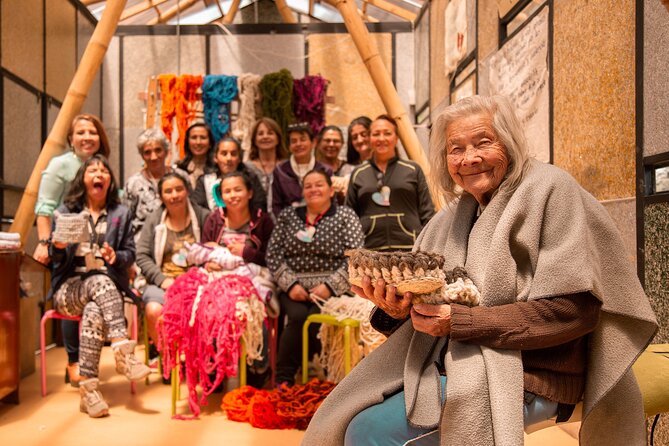
After the contextual walk, the tour shifts into Egipto itself. You’ll climb the hills and explore a neighborhood that still faces challenges, but where hope is visible in daily life and community spaces.
A key stop is Iglesia de Egipto. Visiting the church helps ground what you’re hearing in something practical: community rhythms, faith, and local support systems that exist alongside any program aimed at reducing violence.
Then you’ll see the new community football field, described as a symbol of progress for youth. It’s not only a place to play. It’s part of how the neighborhood rebuilds social fabric. A football field gives kids and teens something structured, something positive, and something that reduces idle time. It also gives families a safer way to imagine the future.
What I think you’ll remember from this section is the contrast. You’ll understand how change can be slow, uneven, and still real. The field becomes a sign that youth opportunities are not just an idea, they’re showing up on the ground.
Possible drawback: the climb and hillside walking mean you should plan for steady movement, not strolling. If you prefer flat routes, this might be harder than a typical city tour.
A different kind of day out of Bogotá:
- La Candelaria, Monserrate and Museums Bogotá Private City Tour
★ 5.0 · 1,567 reviews - Shared Tour of the Historic Candelaria in Bogotá
★ 5.0 · 1,551 reviews - Bogotá: Guided La Candelaria Walking Tour
★ 4.8 · 1,229 reviews - Graffiti Tour: a fascinating walk through a street art City
★ 5.0 · 1,074 reviews
Guides you can trust, from first-hand stories to bilingual support
The heart of this tour is the people. The guides are not only friendly, they’re carrying real weight. If you’re lucky, you’ll be guided by someone who is fluent in both storytelling and translation of experience into something you can understand.
Based on past guests, you might meet guides such as:
- Andrea, Harold, and Monkey
- Gigio
- Raul
- Mr. Pumpkin
- Gildardo (sometimes noted as Gildardo Arango)
Even when the tour stays respectful and organized, you should expect a personal tone. Several experiences mention former members of those groups sharing what it was like, what pulled them into that life, and why they chose to leave it.
This also shapes safety. A lot of tours into sensitive areas rely on vague rules like be careful. This one leans more on guidance and local presence. Guests have reported feeling safe during the walk, and that fits the fact that you’re moving with people who know how to navigate the neighborhood while keeping the group respectful.
One more nice detail: the tour includes a personal guide from the Egipto neighborhood. That’s valuable because it shifts the experience from sightseeing to community interpretation.
What you eat and drink, and what to bring
Included in the experience:
- Local snack
- Traditional chicha drink
- Private transportation to and from your hotel if you select that option
- Bilingual expert guide
- A personal guide from Egipto
Alcoholic drinks are not included, but you can purchase them. The tour also does not include lunch unless something is specifically added for your booking.
This is one of those tours where snacks are not a gimmick. You’ll be walking and climbing, and a quick bite helps you stay present instead of counting minutes until you can sit down.
What to bring:
- Comfortable shoes for uneven ground and hills
- A bit of cash for personal expenses, plus any add-ons like souvenir photos
- A light layer if the weather shifts, because Bogotá mornings and afternoons can feel very different
Tipping comes up in the real world. One past guest said they wished they could tip more, especially since they ended up spending extra cash for other parts of the experience. My practical advice: bring some extra cash so you’re not forced into awkward math mid-tour.
Price and value: why $91 can be worth it
At $91 per person for about 3 hours, this tour isn’t priced like a generic walking tour. You’re paying for three things you won’t get on a standard route: first-hand guidance, bilingual interpretation, and neighborhood-based involvement.
You also get optional private transport with hotel pick-up and drop-off if you choose that add-on. That’s a real convenience in Bogotá, and it can help you arrive relaxed and ready to listen.
A few other notes that help you judge value:
- Tours are often booked around 20 days in advance, so planning ahead is smart.
- It’s a private tour, meaning it’s only your group. That matters because personal stories land better in a smaller, quieter setting.
- The experience includes a snack and chicha, so you’re not burning time searching for food during the day.
Is it perfect value for every traveler? No. If you want a quick checklist of monuments, this might feel too serious. But if you want Bogotá with context and real people driving the conversation, the price starts making sense quickly.
Who this tour fits best, and who should rethink it
This works best for you if:
- You want meaningful travel, where the “why” matters as much as the “what”
- You’re comfortable hearing about crime and trauma, and you can handle stories told with honesty
- You like guided interpretation, especially when graffiti and community spaces become part of the lesson
- You appreciate support for programs that create real opportunities, like youth activities tied to the football field
You might want to skip it if:
- You prefer classic sightseeing only, with no heavy context
- You hate hillside walking or have mobility limits that make climbing hard
- You want a strictly light, entertainment-style tour
Also, if you’re traveling with kids, the good news is that the experience is described as suitable in general, and children must be accompanied by an adult. That said, ask yourself if your family can handle serious topics in a respectful way.
Should you book Breaking Borders in Bogotá?
Book it if you want Bogotá that feels lived-in, not packaged. The guides’ own accounts, the mural walking, and the Egipto stop with the church and youth football field create a rare combo: history, present-day change, and a clear place where hope shows up physically.
Skip it if your ideal day is mostly flat walking, quick photos, and minimal emotional intensity.
If you do book, I’d come prepared with two mindsets: first, listen to understand, not to judge. Second, think of your ticket as part of supporting the people who are building a different future for Egipto.
FAQ
How much does the tour cost?
The price is $91.00 per person.
How long is the tour?
It runs for about 3 hours.
Where do I meet the guide?
You meet at Plazoleta Chorro de Quevedo, Cl. 12b #2-98, Antonio Nariño, Bogotá, Colombia.
Is hotel pick-up and drop-off included?
Private transportation to and from your hotel is included if you choose the transportation option.
What is included in the tour?
It includes a bilingual expert guide (English, Spanish), a personal guide from Egipto, a local snack and traditional chicha, and optional private hotel transport as selected.
Is the tour private?
Yes. It’s a private tour/activity, so only your group participates.
What should I wear or bring?
Wear comfortable clothes and shoes, and it’s recommended to bring cash for personal expenses. The tour involves walking and climbing.
Is alcohol included?
No. Alcoholic drinks are not included, though they may be available to purchase.
Is there free cancellation?
Yes. You can cancel for a full refund up to 24 hours in advance of the experience start time.
What if I’m traveling with children or service animals?
Children must be accompanied by an adult, and service animals are allowed. The tour also notes that most travelers can participate.
Recently reviewed around Bogotá
- Visit and live a colombian coffee plantation (group tour)★ 4.5 · 4 reviews
- Villa de Leyva Food Tour at Sunset★ 5.0 · 4 reviews
- Private Coffee Tour in Cachipay★ 5.0 · 4 reviews
- Tour Nocturno de Tejo y Salsa en Bogotá★ 5.0 · 4 reviews
- Bike Tour in Bogota★ 5.0 · 4 reviews
- Hike to the Rocky mountains of Sutatausa Private Day Tour★ 5.0 · 5 reviews
- Andrés Carne de Res Chía: VIP Entry with Cover & Welcome Cocktail★ 5.0 · 5 reviews
- Salt Cathedral Tour along with the Legendary Lake Guatavita★ 5.0 · 5 reviews
Bogotá Tours, compared.
Zipaquirá: Salt Cathedral Group Tour with Pickup
Read our review →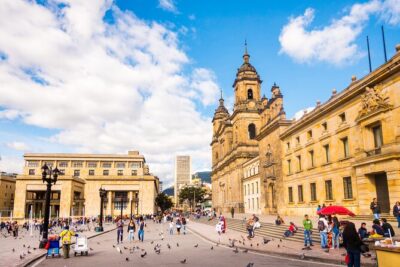
La Candelaria, Monserrate and Museums Bogotá Private City Tour
Read our review →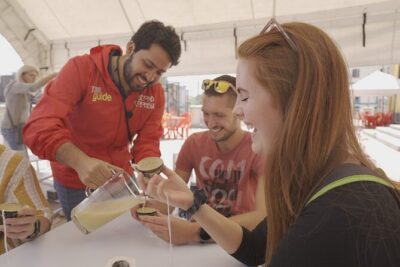
Shared Tour of the Historic Candelaria in Bogotá
Read our review →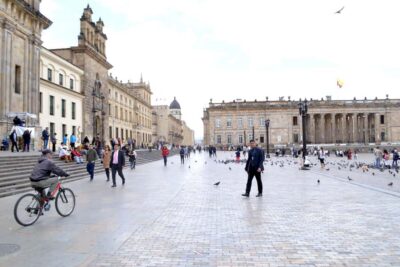
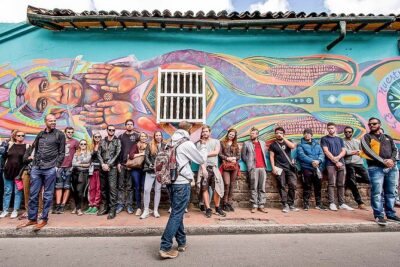
Graffiti Tour: a fascinating walk through a street art City
Read our review →