
Reviewed · BIRDWATCHING
Birdwatching, Nature & photography in Sumapaz National Park
Sumapaz National Park birdwatching is interesting because you get a high-altitude páramo world so close to Bogotá it feels like a shortcut to another planet. I especially like the small group size (max 6) because it keeps the pace calm and makes it easier for your guide to get you on the right birds. I also like the hands-on birding approach, with guides using calls and careful spotting, which matters a lot when birds are singing but hiding.
The main thing to consider is that this is cold, breezy, and often wet at altitude. You are not doing big hiking trails, so you still need to plan for weather and time spent standing or slowly moving near the road.
Key takeaways before you go
- Páramo megascale: Sumapaz is the largest páramo in the world, full of glacial lagoons and endemic life
- Hard-to-see specialties: guides focus on birds like Apolinar’s Wren and Green-bearded Helmetcrest
- Birding from the road: terrain is not for heavy hiking, so it is more about patience and positioning than long walks
- Photography support: calling plus fast spotting improves your odds of photographing small, skittish birds
- Real value day: transfers, breakfast, lunch, coffee or tea, water, soda, and admission are included
- Small group attention: max 6 travelers makes it feel like a guided outing, not a cattle-call
Why Sumapaz National Park birdwatching feels so different from the usual day trip
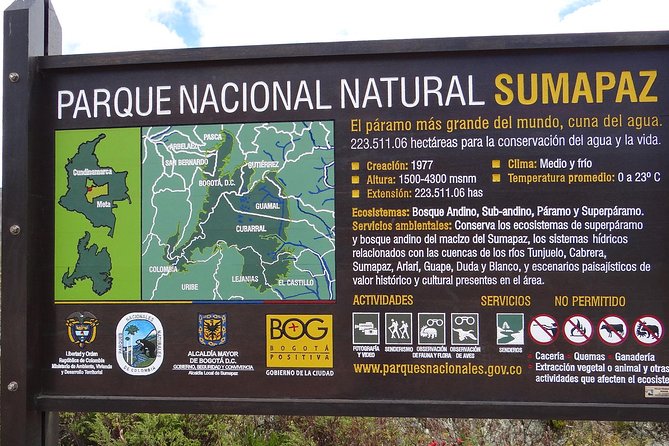
Sumapaz National Park sits around 2,800 to 3,200 meters above Bogotá, and that elevation shapes everything. The páramo and the Andean forests create a mix of habitats that birds use differently, and you can often feel the change the moment you step out.
This is also a water place. The páramo includes lagoons of glacial origin, and it functions as one of the country’s major water sources. Even if birds are your priority, the setting helps you understand why so much wildlife concentrates here.
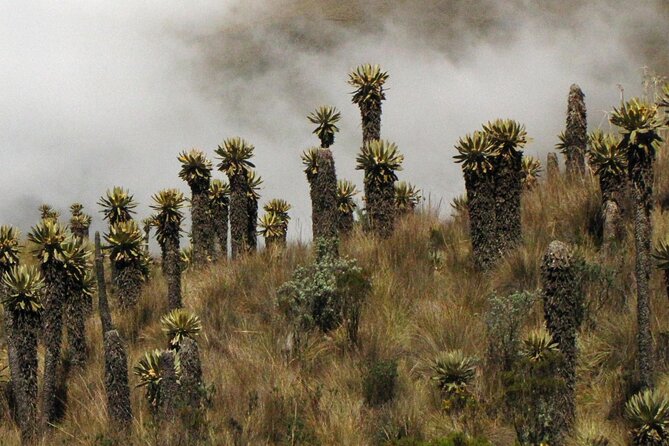
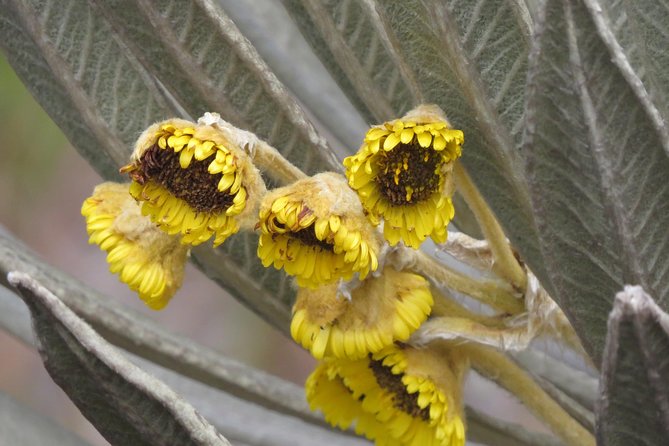
And yes, the vegetation has a look you do not forget. You can see Espeletia, often called frailejones, which are famous to this region. For bird photographers, those plant zones matter too, because many nectar feeders and songbirds work the edges.
More Birdwatching in Bogotá
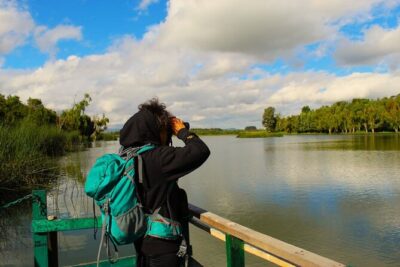
- Bird watching in Bogota wetlands with Bakata Bird
★ 5.0 · 29 reviews - Birdwatching day in Chingaza and Observatorio de Colibries
★ 5.0 · 23 reviews - Hummingbird Birdwatching Encounter – Half Day
★ 4.5 · 22 reviews
The 5:00 am start: timing, pacing, and altitude reality checks
This tour runs long, about 8 to 10 hours, and it starts early, around 5:00 am. That timing is not random. At altitude, birds can get active in the morning, and the drive from Bogotá also eats time, since Sumapaz is roughly one and a half hours away.
A practical bonus is that you get breakfast on the way plus coffee or tea during the day, along with bottled water and soda/pop. When you are dealing with cool air, hunger hits faster, so having that steady fuel helps you keep your energy for spotting and photographing.
Altitude also affects your body and your camera. In the páramo you may find it chilly and breezy, sometimes cold and wet with fog or rain. Plan on layers and on taking breaks without feeling rushed, because you are birdwatching, not racing the clock.
Expert guide spotting: how this day improves your odds of seeing the tough birds
The most praised part of this experience is the guidance, and you can feel why. Several guides named in past trips, including Camilo Orjuela, Leon Sanchez, and Oswaldo Cortez, are described as skilled at finding difficult species. That is exactly what you want when a bird is calling constantly but refusing to show itself clearly.
The technique matters. In high-altitude habitats, you often hear birds before you can see them, and small differences in calls can mean the difference between success and empty views. Guides use calling and spotting skills to move you from guessing to actually locating.
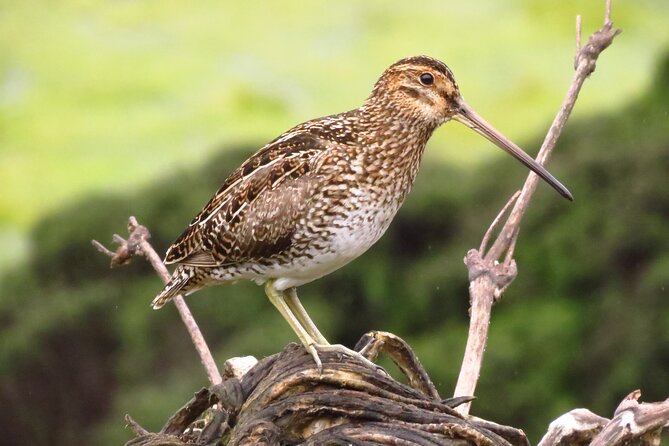
If you care about photography, this is where the guide adds real value. People describe how it can be hard to see and then photograph birds like Tawny Antpitta and Apolinar’s Wren. With patience, good calling, and quick positioning, you are more likely to get a usable shot even when visibility is tricky.
Parque Nacional Natural Sumapaz: páramo lagoons, frailejones, and the bird targets
The core of the day is your visit to Parque Nacional Natural Sumapaz. You are in the páramo zone and nearby Andean forests, with habitat that supports both water-associated species and upland forest birds. Birding here tends to be about watching for movement in specific plant zones and along the edges your guide knows.
The park’s páramo is a system with lagoons of glacial origin, and that water backdrop helps explain the mix of species you might encounter. You may also hear stories about the wildlife that lives here, such as spectacled bears and deer, though your day is designed around birdwatching.
More National Parks in Bogotá
- From Bogotá: Chingaza National Park Eco Tour
★ 4.7 · 28 reviews - Chingaza National Park Day Tour from Bogotá: Andean Wilderness
★ 4.0 · 14 reviews - Bogotá: Sumapaz National Park Hike Tour
★ 4.9 · 13 reviews - Birding & Nature to Chicaque Cloud Forest Nature Reserve
★ 5.0 · 11 reviews
Bird list you can realistically look for
You should treat any species list as a target set, not a guarantee, but Sumapaz is known for a strong lineup. The birds named for this area include:
- Apolinar’s Wren (also described as singing loudly and endemic to the area)
- Tawny Antpitta
- Pale Bellied Tapaculo
- Silvery-throated Spinetail
- Red-rumped Bush-Tyrant
- Red-crested Cotinga
- Black-chested Buzzard Eagle
- Many-striped Canastero
- Andean titi spinetail
- Chestnut-winged Cinclodes
- Plain-capped Ground-Tyrant
- Andean Ruddy Duck
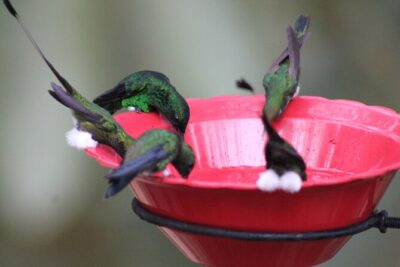
Add to that the hummingbird element that birders love. Past visitors specifically mention the Green-bearded Helmetcrest feeding, another regional endemic tied to the high-altitude zone. If hummingbirds are your focus, this park can deliver, especially when visibility is good.
The “birding from the road” detail that changes your expectations
One very specific thing to know before you book: the terrain is not built for big hikes. Many birdwatching stops happen along roads or from easy access points. That can be great because it keeps energy for birding, but it also means the experience is not about trekking to dramatic viewpoints.
This is perfect if you want steady time for scanning. It is less ideal if you expected long trail time, waterfalls, and intense hikes.
When weather turns, your day plan stays simple
Sumapaz weather can change fast, and at this altitude that often means chilly conditions, wind, and wet fog. Past visitors describe cold, rainy, and foggy moments, even when the birding is still excellent.
Here is what that means for you. Bring a rain shell, not just a light jacket, and use layers you can adjust when the wind drops or you warm up after finding a bird. Gloves can help if you plan to use your camera often, because cold hands lead to missed focus and dropped shots.
Also, expect some days to be more visual than others. When fog clears, birds may be easier to spot and photograph, and your guide can work faster. If visibility stays low, you still benefit from calling and scanning, and the best guides do not panic when the weather does not cooperate.
Food breaks that keep the birding flowing
This trip includes lunch, plus a day built around taking the edge off early-morning cold. Breakfast on the way helps you start birding by mid-morning without feeling like you have to choose between food and species.
Coffee or tea, bottled water, and soda/pop are also included. That sounds basic, but it is practical in a high-altitude setting where you can get dehydrated and cold at the same time.
In at least one described day, lunch included a stop at a private reserve near Bogotá, Reserva Chiguaza, hosted by Daniel and Luis, who are also bird guides. That kind of add-on makes the day feel more like a guided nature outing than a single long stretch of waiting. Even if your day differs slightly, the consistent pattern is that you get a real break, not just a snack.
Transfers and small-group logistics: where the value comes from
This is not just a ticket and a driver. Round-trip transfers are included from many Bogotá hotels, and you get private transportation as part of the package. With a start time around 5:00 am, that “door-to-door” part matters, because you do not want to figure out buses in the dark.
The group size cap is 6 travelers, and that is a meaningful detail for birding. Smaller groups make it easier for your guide to reposition you when a bird calls from a new spot. It also reduces the scramble that happens when everyone crowds forward at the same time.
Price is $370.00 per person for an approximately 8 to 10 hour day. For birders, the real question is whether the package reduces friction: transportation, meals, drinks, admission, and guided time are bundled. Based on what people highlight most, the guidance and the built-in comfort appear to justify the cost if you take species seriously.
Language is also part of your value equation. The tour is offered in English, and guides are described as fluent, which helps when you want to understand habitat and behavior, not just get a list of birds.
What to pack for Sumapaz: practical gear for cold, wet, and cameras
The day is not long, but it is high, and it can be chilly and wet. Use that as your packing rule: dress for the weather you might get at 2,800 to 3,200 m, not just the morning forecast.
A good approach is:
- Layered clothing for cold and wind
- A rain shell for wet conditions
- Warm hat and gloves if you get cold easily
- Binoculars if you want to scan efficiently
- A camera with a lens suited for birds, since many sightings may be small or quick
Also, keep your plan simple. Because birding happens from roads or near access points, you do not need heavy hiking gear. You do need quick access to your camera and lenses, so your hands do not become the problem when the bird finally shows up.
Who this birding day suits best, and who might want a different plan
This tour is a strong fit if you:
- want birdwatching focused on high-Andes páramo species
- care about endemic birds like Apolinar’s Wren and Green-bearded Helmetcrest
- prefer guided scanning over hiking miles
- want enough comfort to stay outside for long enough to get real sightings
It may be less ideal if you:
- want strenuous hiking and trail scenery all day
- cannot handle early starts around 5:00 am
- get miserable in cold, breezy, rainy conditions without strong layers
The nice part is that most people can participate, and the experience is built to keep you engaged even when the weather is not perfect.
Should you book the Sumapaz National Park birdwatching day from Bogotá?
I think you should book this if birds are your main goal and you want a guide who actually helps with the hard species. The combination of a small group, expert spotting and calling, and a day that includes meals and transfers is exactly what makes birdwatching efficient instead of frustrating.
You should also book it if you enjoy botany and habitat, because Espeletia and the páramo setting matter here, not just the bird checklist. If you are mainly chasing classic viewpoints and long hikes, you might feel underwhelmed since birding is often done from easy access points rather than steep trails.
If you want a calm, guided day that turns Sumapaz into a real birdwatching experience, this is a very solid choice.
FAQ
What time does the Sumapaz birdwatching tour start?
The start time is 5:00 am, with pickup arranged by the guide.
How long is the tour?
The tour runs about 8 to 10 hours.
Is pickup from Bogotá included?
Yes. Round-trip transfers from many Bogotá hotels are included, and the guide will pick you up at your hotel or the airport on the day of the birding tour.
What’s included in the price besides the guide?
The tour includes private transportation, breakfast, lunch, coffee and/or tea, bottled water, soda/pop, and admission.
How many people are in the group?
This experience has a maximum group size of 6 travelers.
Will I be birdwatching from walking trails?
The information provided indicates birding is done during the park visit, and terrain is not described as hike-focused. You should expect birdwatching that prioritizes road or easy access rather than strenuous hiking.
Can I bring service animals?
Yes, service animals are allowed.
More Photography Tours in Bogotá
- Historical and Photography Tour in Bogota
★ 5.0 · 7 reviews - Botanical Garden José Celestino Mutis Photo Tour in Bogota
★ 5.0 · 6 reviews - Photography in Bogotá Private Tour. (6 Hrs.)
★ 5.0 · 5 reviews - From Medellín: Paragliding Tour with GoPro Photos & Videos
★ 4.9 · 1,210 reviews
Recently reviewed around Bogotá
- Visit and live a colombian coffee plantation (group tour)★ 4.5 · 4 reviews
- Villa de Leyva Food Tour at Sunset★ 5.0 · 4 reviews
- Private Coffee Tour in Cachipay★ 5.0 · 4 reviews
- Tour Nocturno de Tejo y Salsa en Bogotá★ 5.0 · 4 reviews
- Bike Tour in Bogota★ 5.0 · 4 reviews
- Hike to the Rocky mountains of Sutatausa Private Day Tour★ 5.0 · 5 reviews
- Andrés Carne de Res Chía: VIP Entry with Cover & Welcome Cocktail★ 5.0 · 5 reviews
- Salt Cathedral Tour along with the Legendary Lake Guatavita★ 5.0 · 5 reviews
Birdwatching, compared.
Bird watching in Bogota wetlands with Bakata Bird
Read our review →
Cock of the Rock Birdwatching in Jardin with Professional Guide
Read our review →
Birdwatching day in Chingaza and Observatorio de Colibries
Read our review →
Cartagena Fishing, Crabbing, Birdwatching Experience + Lunch
Read our review →
Browse the lists this tour appears in