
Reviewed · SANTA MARTA TOURS
TOUR DE 2 DIAS AL CABO DE LA VELA, LA GUAJIRA
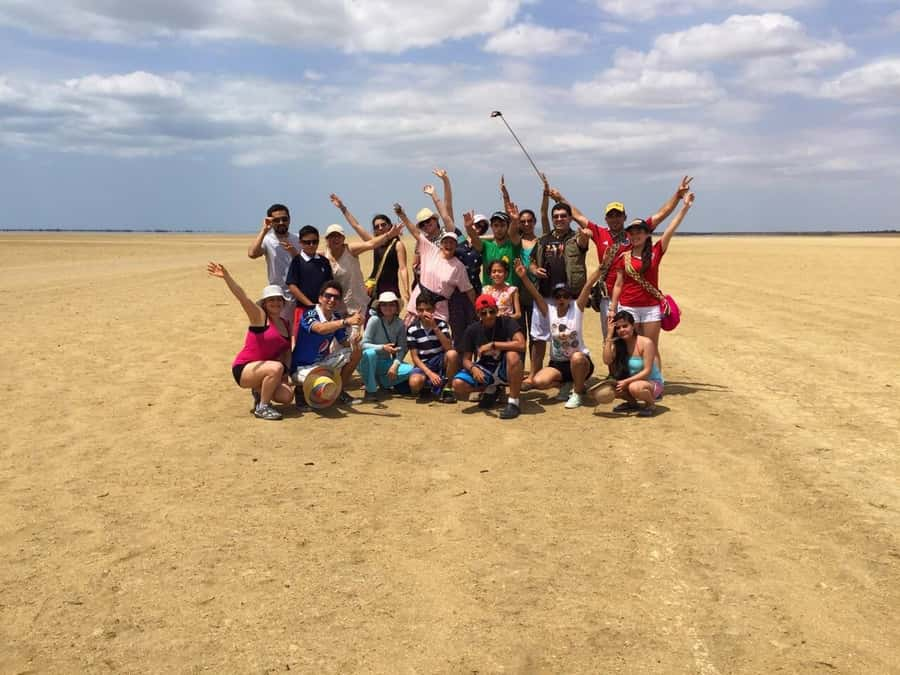
What makes this trip interesting is that it pushes you beyond the usual Caribbean circuit and into La Guajira, where the Wayuu culture and desert-meets-sea views feel genuinely remote. I especially like that you get an all-inclusive format with one night in a ranchería plus two days of feeding, so you spend less time figuring things out. You also get real cultural stops, from Uribia to the cape, instead of only quick roadside photos.
The one drawback to consider is that you need to trust the local operation and driver quality. In the feedback I saw, one guest liked the wild, off-route feeling but noted limited English and an unwelcoming driver. Another guest raised serious concerns about road behavior and professionalism, so you should go in with clear expectations and ask questions ahead of time.
Key takeaways before you commit
- Wayuu ranchería stay at Cabo de la Vela: dinner, sea-facing time, and culture-focused visits that go beyond checkpoints.
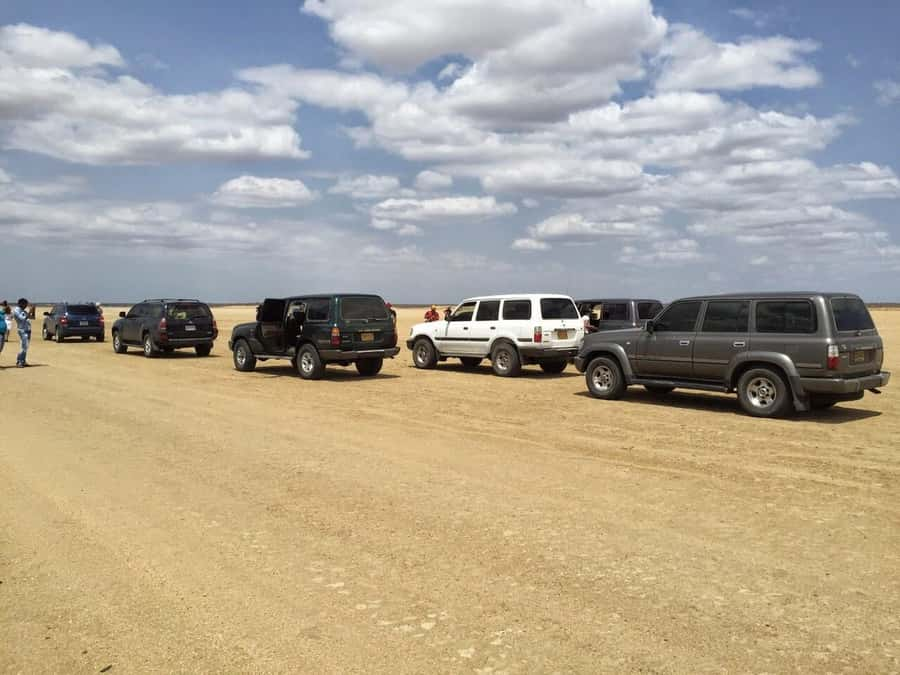
- Off-the-beaten-track roads: expect a long ride on sandy tracks and plan for clothes that can get dirty.
- Two days of feeding included: you are covered for meals across both days, with breakfast built into the route.
- Uribia + lunch at a Wayuu ranchería: you get a mix of logistics and culture, not just scenery.
- Manaure salt flats next day: a contrasting environment that balances the coast with something truly different.
- Private group: small and direct tends to mean less waiting, but you still need to confirm how the vehicle and guide will work.
From Santa Marta to La Guajira, a fast look at the flow
This is a 36-hour, all-inclusive style excursion that runs from Santa Marta (including the Rodadero and Bello Horizonte areas). You pick up at your hotel, you ride inland and along the coast, and you end up spending the night in a ranchería near Cabo de la Vela. The big idea here is not speed. It is depth for a short window.
You should picture two full days of movement with a clear rhythm: morning views, a cultural stop around midday, an overnight experience that centers the Wayuu community, then a second-day natural stop at the Manaure salt flats, before heading back for lunch and then the ride to Santa Marta.
Because it is private-group and you are in a small bubble, it can feel more personal, especially when the guide keeps the pace moving between stops. Still, because La Guajira is remote, you will feel road time. That is part of the deal, and it is also why the trip feels different.
A few more Santa Marta days worth comparing
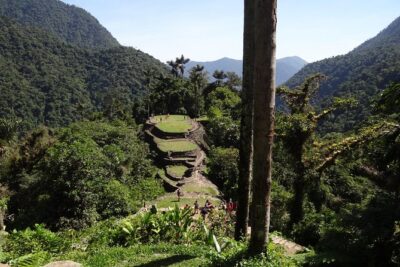
- Hike for 4 days to the Lost City, Santa Marta
★ 5.0 · 3,308 reviews - Lost City – Ciudad Perdida Colombia
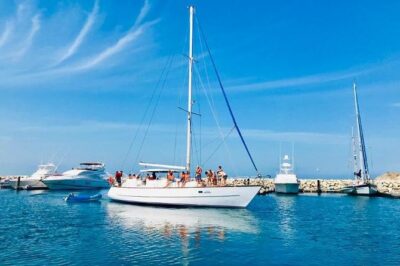
★ 5.0 · 1,203 reviews - Sailing to Tayrona with Luis and his team: Unique!
★ 4.5 · 448 reviews
The Palomino stop and the Sierra Nevada peaks you might spot
The day starts with pickup from your hotel in the Santa Marta area. You meet in the hotel lobby about 10 minutes early, and the guide will contact you or check with reception so you can find the group without playing phone tag.
Your route includes a stop in Palomino. If you have been to Colombia’s coast before, this is one of those names that sounds familiar, but the point here is less about ticking a box and more about breaking up the drive. It is a practical pause before you go deeper into La Guajira territory.
Then you hit the part that depends on the weather: if the sky is clear, you may be able to spot the Colón and Bolívar peaks of the Sierra Nevada de Santa Marta. Even if you do not see them, the value is that the trip is timed for viewpoints. And you may also get a typical coastal road breakfast during this stretch. Road breakfast on a long day is the kind of detail that keeps the whole trip from feeling like nonstop logistics.
What I like for your experience: having breakfast built into the drive means you are not stuck paying extra while you wait. What to watch: morning visibility can be hit or miss, so treat peak views as a bonus, not a promise.
Riohacha, Uribia, and the moment you get grounded in the region
After the early route and coastal breakfast, you continue toward Riohacha. This is the practical hub where the trip transitions from “travel day” into “culture day.”
From there, the next major anchor is Uribia, described as the indigenous capital of Colombia. You make a supply stop there, and that matters more than it sounds. Remote trips need real logistics, and those supply stops are usually where schedules stay flexible. You also get a sense of scale: Uribia is not a postcard stop. It is a place where the culture and daily rhythm come first.
If you are the type who likes context, this is where the trip starts making sense. You are not just being driven to beautiful places. You are being routed through the living systems that connect the coast, the desert, and the Wayuu communities.
Lunch at a Wayuu ranchería, and why this stop matters
By noon, the tour aims to arrive for lunch at a selected typical Wayuu ranchería. This is one of the most meaningful segments of the trip because you are not simply passing by. You sit down and eat in a setting tied to daily life.
Because your feeding is included across two days, this lunch is not a scramble to find something later. For many long-distance tours, that is where value gets lost. Here, the structure keeps you fed and keeps the timing more predictable.
One more practical note: lunch at a ranchería also sets you up for the rest of the day. You will likely be moving again soon after, and eating early helps you enjoy the late-afternoon highlights without feeling worn out.
A different kind of day out of Santa Marta:
- Santa Marta: Sailboat day tour to Tayrona Park
★ 4.5 · 352 reviews - 4-Day Lost City Small-Group Tour in Santa Marta
★ 5.0 · 254 reviews - Full-Day Hiking Tour in Minca with coffee & Cocoa Workshop
★ 4.5 · 189 reviews - MINCA TOUR – Explore waterfalls and discover the origin of coffee and cocoa
★ 4.5 · 166 reviews
Cabo de la Vela: sea-facing ranchería living and culture at a slower pace
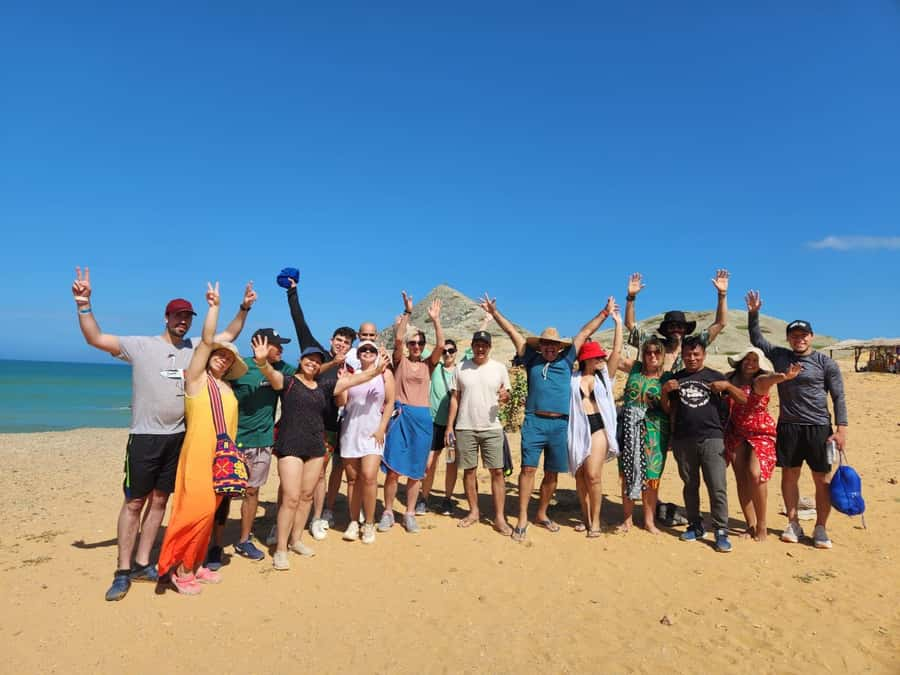
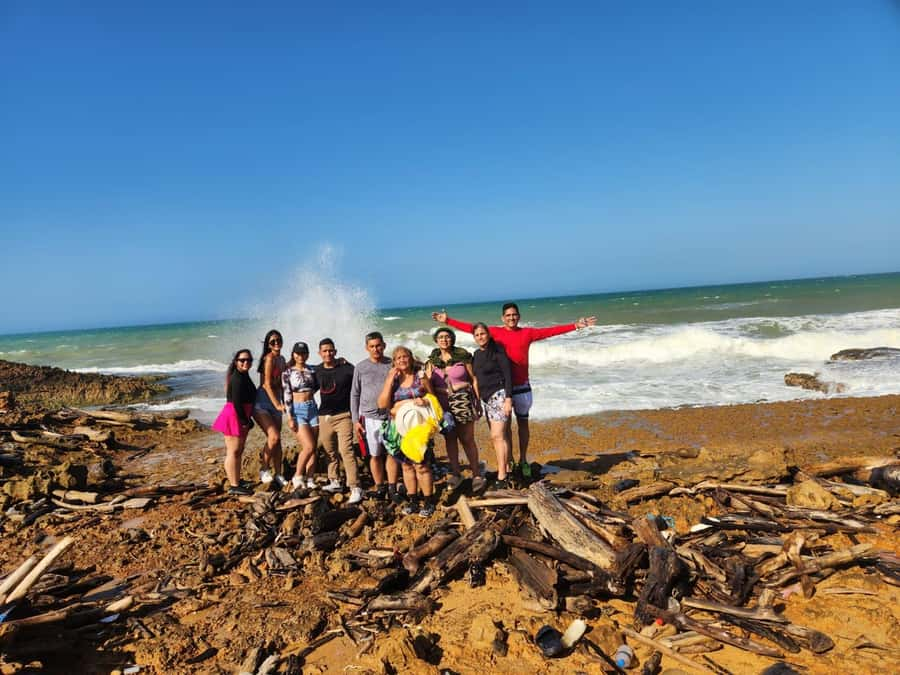
The heart of the experience happens at the cape, Cabo de la Vela. Here, you stay at a Wayuu ranchería facing the sea. This is not just a place to sleep. It is part of the show.
Expect a day of guided visits built around Wayuu cultural landmarks and coastal mood. The itinerary includes:
- a visit to the sugar pylon
- Virgin’s beach
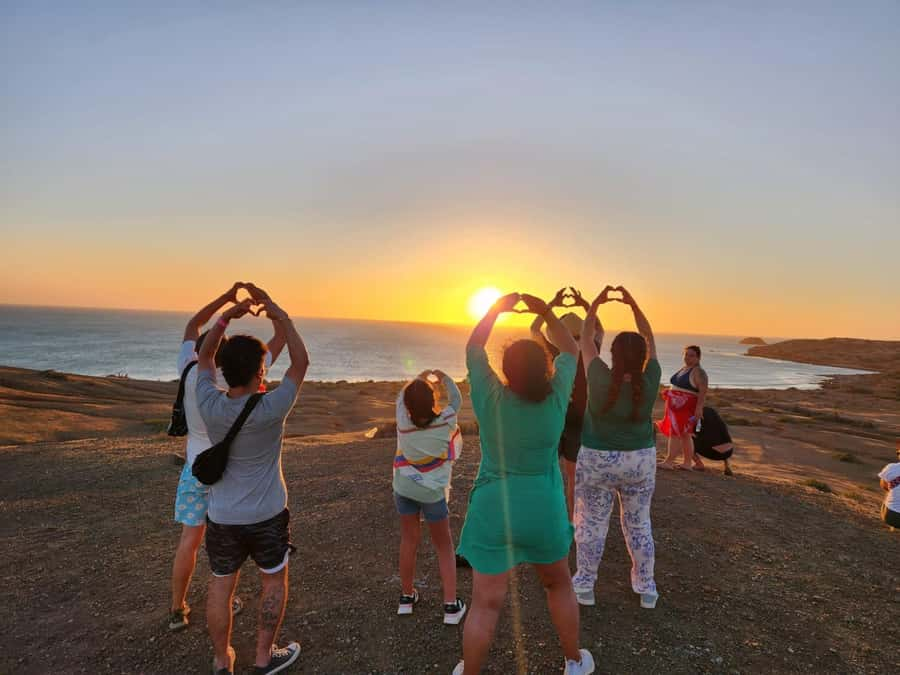
- Guajiro sunset at the lighthouse
- dinner at the ranchería
The sugar pylon stop is one of those details that signals you will go beyond the most obvious scenic spots. Pylon visits tend to be tied to local stories and local geography, and in a trip like this, they help connect the physical landscape to community meaning.
Then you get the coast moments. Virgin’s beach is the kind of name you remember because it carries place-based identity, and it fits with the way La Guajira mixes faith, local traditions, and shoreline life. Finally, sunset at the lighthouse is where the setting takes over. If you have ever watched the coast change color, you will know this is a payoff moment. Bring patience. Cabo de la Vela does not do rushed.
Dinner at the ranchería brings the culture closer again. You are not eating in a hotel dining room that could be anywhere. Even if the exact menu is not specified, the experience format keeps the meal tied to the ranchería setting, which is the point.
What to watch for: this part of the trip is all about being out and about. If you are sensitive to wind, heat, or dust, plan to pace yourself and keep your water and snacks (cash is suggested for purchases) ready.
Manaure salt flats the next day: a big change of scenery
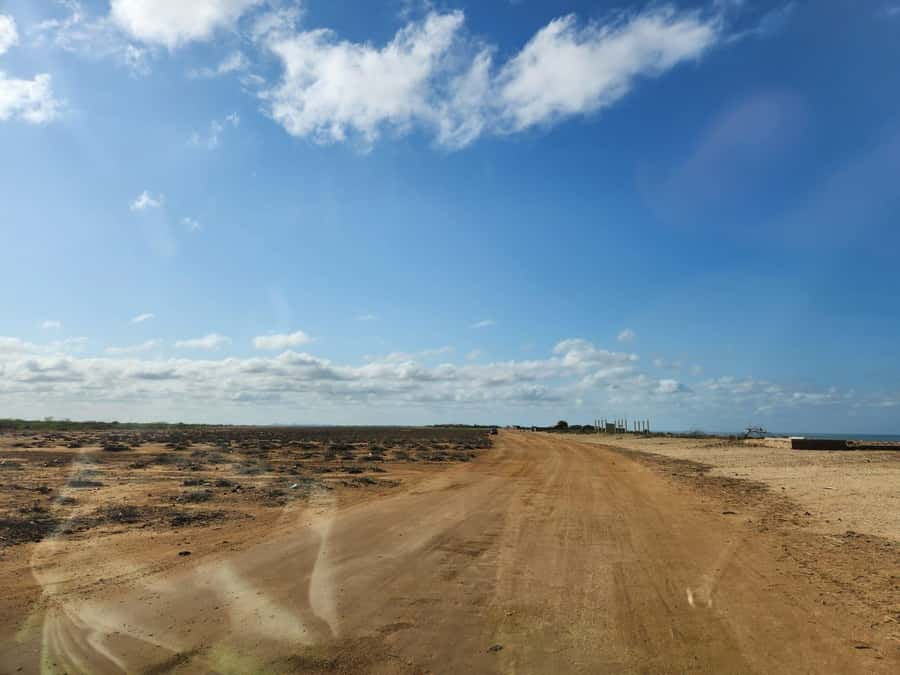
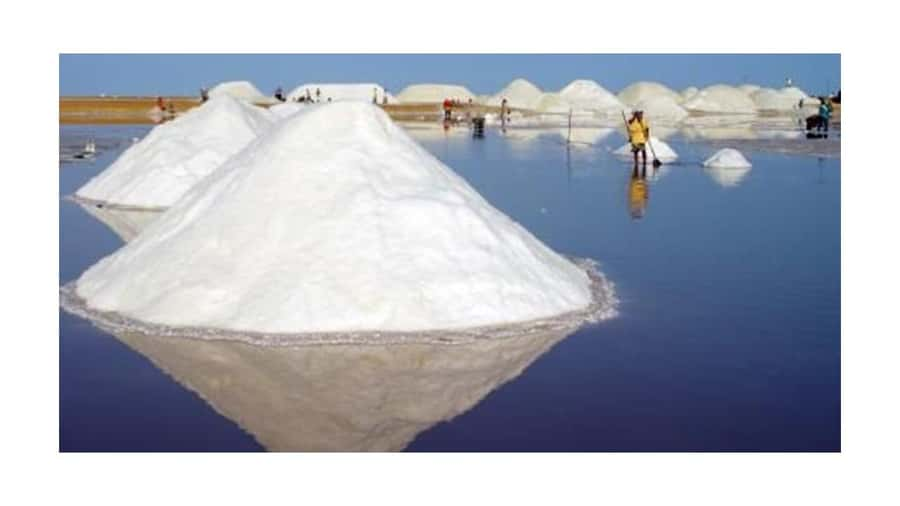
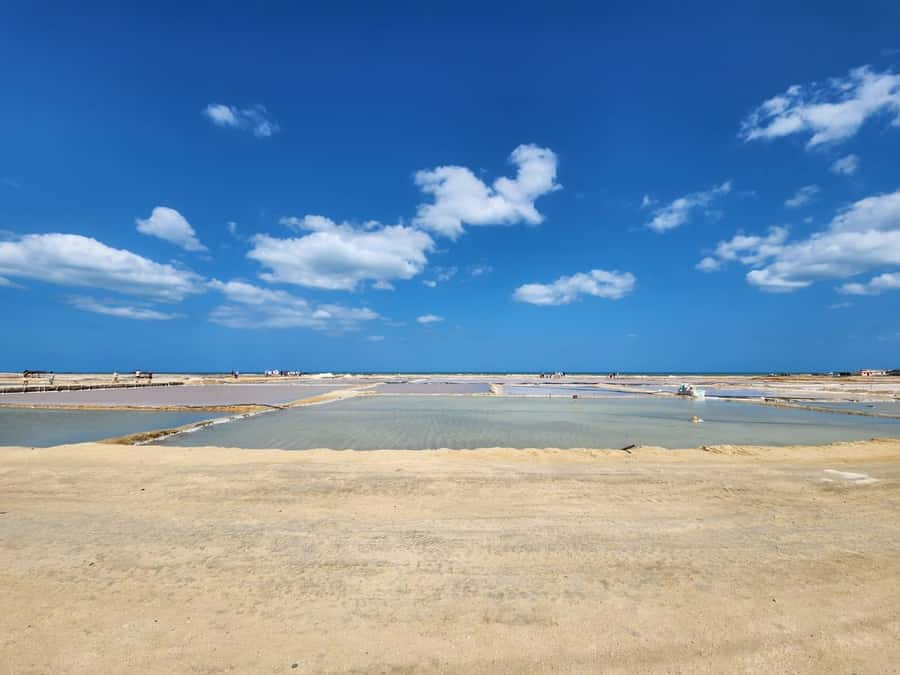
The following day continues the adventure toward Manaure salt flats. This is a real environmental contrast with Cabo de la Vela. Instead of the coast and community-centered visits, you are moving into a natural setting that looks and feels different at every angle.
It is also the kind of stop that rewards you for arriving with curiosity. Salt flats are visual and strange in the best way. Even if the surface looks simple at first glance, the reflections, the scale, and the way the terrain stretches can make you slow down.
Afterward, you return toward Riohacha for lunch. Then the tour continues back to Santa Marta. This sequencing is practical: you have one major nature stop, you eat in a more structured way mid-day, then you travel back before the day ends.
If you are trying to manage fatigue, this is where you should judge your energy level. The first day is heavier on culture and movement, and the second day adds a nature highlight plus the return ride. Wear comfortable closed-toe shoes and keep expectations flexible if timing shifts due to road conditions.
Price and what $279 really covers for a 36-hour ride
At $279 per person for about 36 hours, the value is strongest when you look at what is included, not just the headline cost.
Included:
- transport throughout the trip
- accommodation for one night in a ranchería
- two days of feeding
- travel insurance
- professional guide
For a remote route like La Guajira, transport and overnight lodging are usually the expensive parts. Here, they are built in, along with meals. That combination matters because it reduces the risk of spending extra at the last minute, and it keeps the schedule coherent.
The tour is also described as all-inclusive, which in your mind should mean fewer separate payments for core parts like sleep and food. You are still responsible for anything outside what is listed, and the “not included” line is unspecified. So I would treat anything beyond meals, lodging, transport, and guide support as potentially extra.
Bottom line: if you want a culture-and-coast experience without managing the logistics yourself, this price can make sense. If you prefer to travel with a lot of control over each stop, you might feel boxed in by a fixed day structure.
Guide and safety: how I would protect your trip
This section is important, because the quality of the guide and driver can make or break a remote tour.
The feedback I saw had two very different tones:
- One guest liked the trip’s wild remoteness and noted the long sandy track required to reach the area. That same guest said the driver acted as a guide but was not very empathetic, and English was limited.
- Another guest raised serious concerns about professionalism, licensing, and driver behavior at checkpoints. They also described road rules being violated and an uncomfortable interaction around an added stop that would require extra payment.
I am not saying you will have those problems. But I am saying you should not ignore them. For a private group where you cannot easily switch vehicles or routes mid-day, your best move is to confirm expectations upfront.
Practical checks I recommend before booking or right at pickup:
- Ask who the guide is and how communication will work if you do not speak Spanish well.
- Clarify the plan for stops so you do not get pressured into extra paid additions.
- Ask about the vehicle type you will use and whether the driver is an experienced local operator for this route.
- If you have any concerns about road safety or behavior, bring them up early, before you are hours away from help.
A remote trip is often worth it. Just make sure the people driving the experience take it seriously.
What to bring for dirty roads, warm days, and evening wind
The tour gives a clear packing list, and it is there for a reason. La Guajira is not a place where you want your best outfit.
Bring:
- a change of clothes
- cash
- clothes that can get dirty
- closed-toe shoes
Why this matters: you are traveling on remote tracks and spending time in settings where dust and sand are realistic. Closed-toe shoes protect your feet during walking at beaches, on uneven paths, and at viewpoints. Cash is handy because rural areas and community settings can involve small payments, purchases, or tips, depending on the moment.
Also, treat night at the ranchería as a separate packing problem. Even if the listing does not specify bedding or room details, you should assume you may want extra comfort items like a light layer. The sea can cool things down faster than you expect.
Who this Cabo de la Vela trip fits best
This tour fits travelers who want culture with a capital C, and scenery that feels far from mass tourism.
You will likely love it if:
- you care about observing Wayuu culture respectfully and in context
- you enjoy road trips and do not mind hours in a vehicle
- you like practical all-inclusive structure, especially included meals and lodging
- you want a private-group feel while still seeing multiple anchor sites
You might think twice if:
- you need fluent English during every moment
- you get stressed by remote driving conditions and unpredictable timing tied to weather
- you strongly prefer highly formal, regulated touring with minimal improvisation
If you are curious, flexible, and willing to slow down, this is the kind of itinerary that can turn into a story you keep.
Should you book Tour de 2 Días al Cabo de la Vela, La Guajira?
I would book it if your top goal is a Wayuu-centered experience that includes real time at Cabo de la Vela, not just a quick stop, and if you value the included ranchería night and meals. The price can be fair for what is covered, given the remoteness and full-day movement.
I would pause and do extra homework if safety and professionalism are deal breakers for you. The concerns I saw are not small complaints, so ask firm questions about the guide and vehicle, confirm what is planned versus what might be offered for extra cost, and make sure you are comfortable with the plan before you leave Santa Marta.
If you get clear answers and you are ready for a rugged, off-route part of Colombia, this trip can be a memorable way to experience La Guajira in a way most people skip.
FAQ
How long is the Tour de 2 Días al Cabo de la Vela, La Guajira?
It lasts about 36 hours.
What is the price per person?
The price is $279 per person.
Where does pickup happen?
Pickup is included from any hotel in Santa Marta, Rodadero, and Bello Horizonte. You need to be in the hotel lobby 10 minutes before pickup.
What language is the tour guide?
The tour guide speaks Spanish.
Is this a private group?
Yes, it is a private group.
What is included in the tour price?
Included are transport, accommodation for one night in a ranchería, two days of feeding, travel insurance, and a professional guide.
What should I bring?
Bring a change of clothes, cash, clothes that can get dirty, and closed-toe shoes.
Is there free cancellation?
Yes, you can cancel up to 24 hours in advance for a full refund.
Recently reviewed around Santa Marta
- Private Boat Tour through Tayrona Park★ 4.0 · 4 reviews
- Santa Marta Beaches Private Boat Tour★ 5.0 · 4 reviews
- Magic Minca : Waterfalls, Cocoa Workshop and Coffee From Santa Marta★ 4.5 · 5 reviews
- Private transportation from Santa Marta to Barranquilla airport★ 5.0 · 5 reviews
- Discover Minca★ 4.0 · 5 reviews
- Friday Night Bar Crawl in Santa Marta, Colombia★ 5.0 · 5 reviews
- Private transportation from Santa Marta to Minca police station★ 5.0 · 5 reviews
- Santa Marta to or from Cartagena Private Transfer★ 5.0 · 5 reviews
Santa Marta Tours, compared.
Hike for 4 days to the Lost City, Santa Marta
Read our review →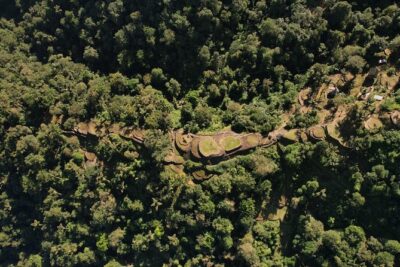
Sailing to Tayrona with Luis and his team: Unique!
Read our review →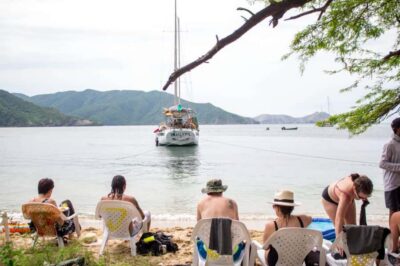
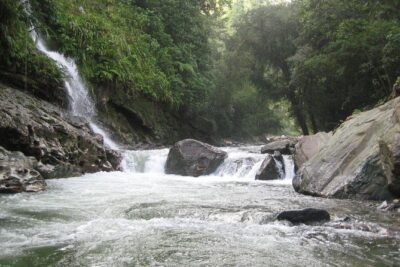
4-Day Lost City Small-Group Tour in Santa Marta
Read our review →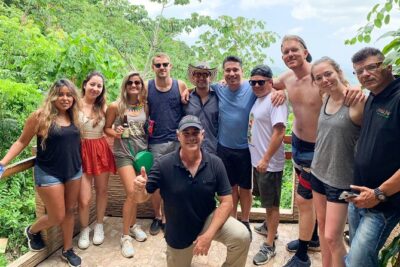
Full-Day Hiking Tour in Minca with coffee & Cocoa Workshop
Read our review →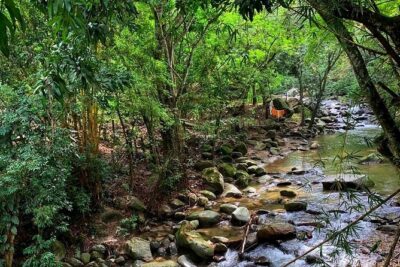
MINCA TOUR – Explore waterfalls and discover the origin of coffee and cocoa
Read our review →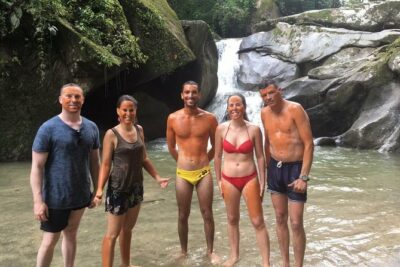
Eco-Hike in Minca: Coffee Tour, Waterfall & Chocolate Experience!
Read our review →Browse the lists this tour appears in