
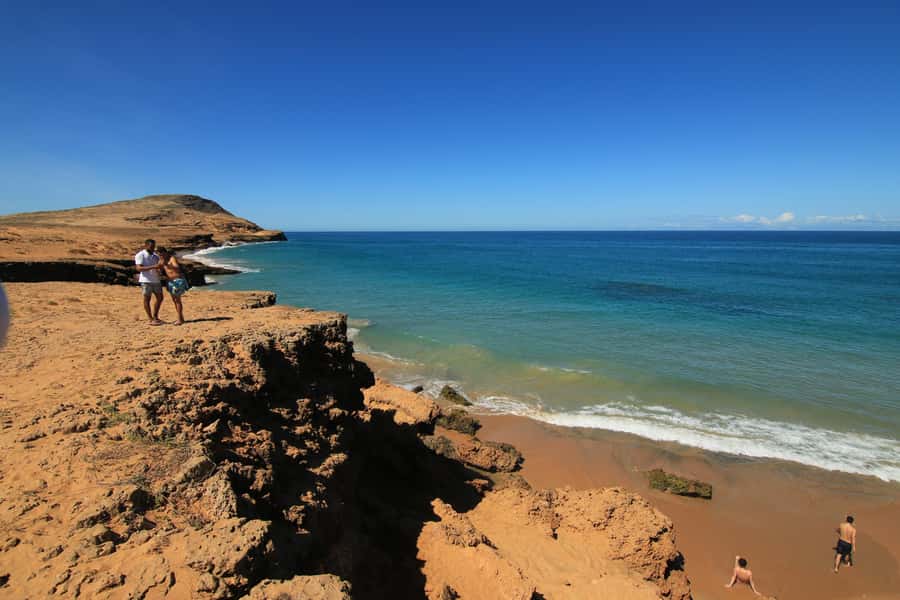
Reviewed · 3-DAY EXPERIENCES
Tour to Punta Gallinas with Cabo de la Vela 3 Days
Cabo de la Vela and Punta Gallinas are the kind of places that feel like they are on another planet, and the fun part is how the trip builds toward the big views over time. I love the mix of beaches and viewpoints plus the stop at the Manaure salt flats, because it keeps changing what you see every few hours. The main drawback to plan for is the heat, long road segments, and the sleeping style, since you’ll do nights in hammocks or rooms depending on what you reserve.
This is also a small-group tour, limited to 6 people, so you actually move as a unit with a Spanish baquiano guide. You’ll spend most of Day 1 in Cabo de la Vela on a beach-hopping route, then Day 2 pushes out to Punta Gallinas with dunes, a lighthouse, and sunset at Punta Aguja. The other consideration is cultural sensitivity: when you pass through indigenous communities, you have to respect privacy and you may get approached by families asking for snacks or coffee while you travel.
Key highlights I’d mark as worth your attention
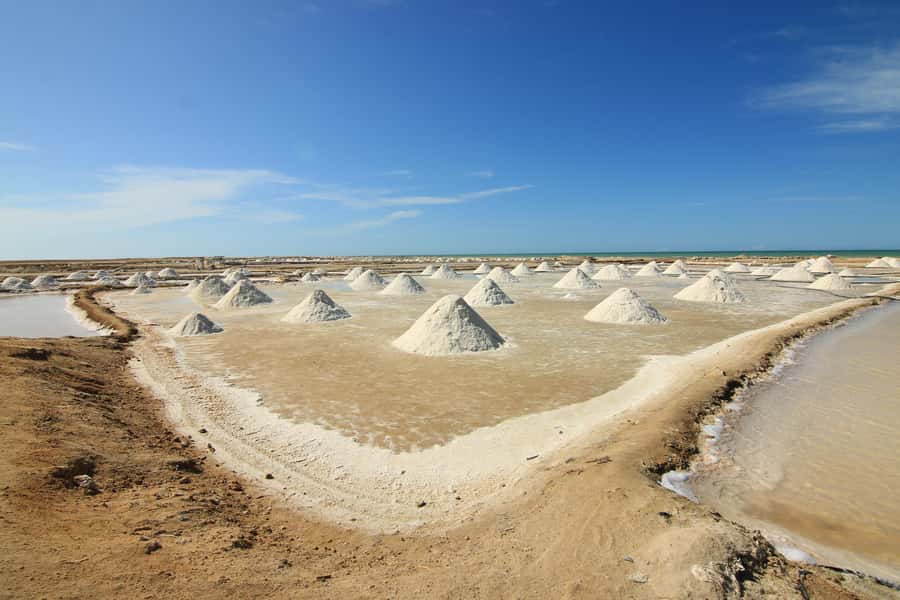
- Manaure salt flats en route to Cabo de la Vela for that quick, visual stop that changes the whole vibe
- Small group, shared transport (limited to 6) means fewer people and more time with your guide
- Wayuu community meeting with privacy rules so you can connect the right way
- Two sunset rounds: the Cabo de la Vela lighthouse and Punta Aguja at Punta Gallinas
- Overnight style choices: hammocks or a room depending on your reservation
- Mayapo on Day 3 when wind, waves, and sandy beach time make it easier to relax
Riohacha to Cabo de la Vela: day 1 is all about getting your bearings
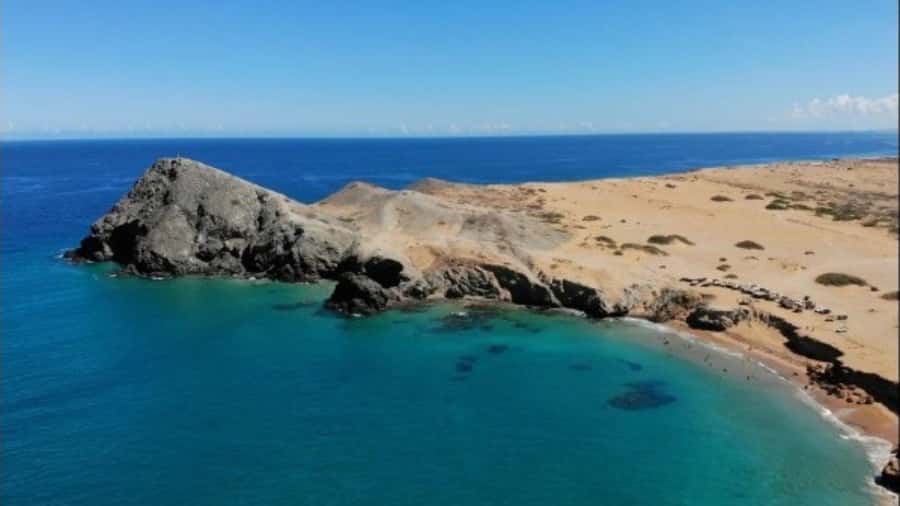
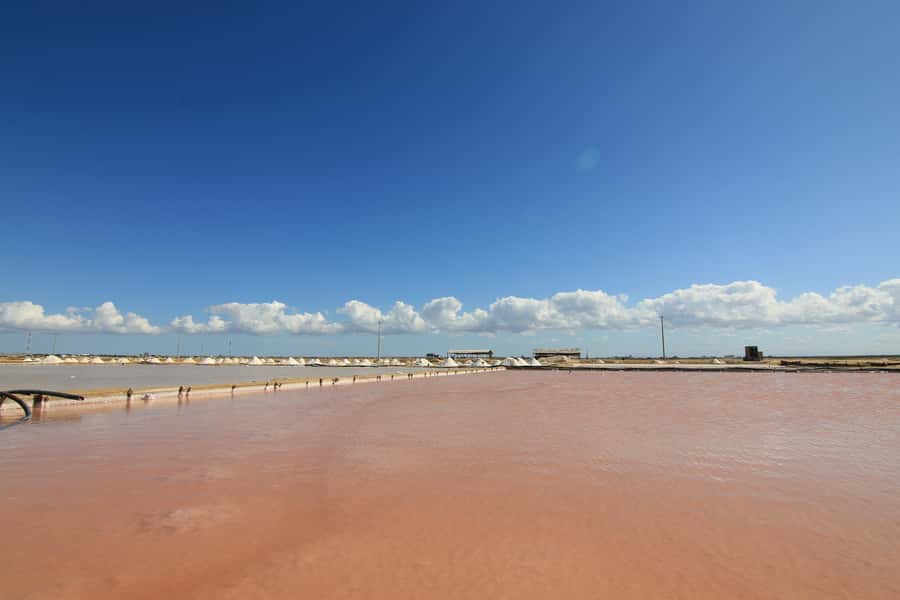
Your 3 days start in Riohacha. From there, you head toward Cabo de la Vela, and the route is part of the experience, not just the transfer. The tour passes through the Manaure salt flats first, which is a nice early reminder that La Guajira does not do gentle scenery. You’re not just driving toward beaches, you’re moving through a landscape of salt, sky, and glare.
Once you arrive at Cabo de la Vela, lunch comes quickly, so you’re not stuck hungry while everyone is adjusting to the heat. Then the afternoon is built like a beach route with multiple stops, including Dorada Beach, Pilón de Azúcar, and Ojo de Agua. You’ll also get a sunset payoff from the lighthouse, which is a classic way to end a long day because the views usually feel calmer once the sun starts dropping.
Dinner follows, and then sleep. Depending on your reservation, you’ll either sleep in comfortable hammocks or in a room. That matters because some people expect “comfortable” to mean hotel beds, but the tour is flexible and the setting can feel more rustic. If you’re sensitive to sleeping conditions, pick your accommodation option carefully.
A few more Santa Marta days worth comparing
- Hike for 4 days to the Lost City, Santa Marta
★ 5.0 · 3,308 reviews - Lost City – Ciudad Perdida Colombia
★ 5.0 · 1,203 reviews - Sailing to Tayrona with Luis and his team: Unique!
★ 4.5 · 448 reviews
Manaure salt flats: the shortcut detour that makes the whole trip feel bigger
The Manaure salt flats stop is one of those moments that hits even if you only get a short visit. The value here is timing. Because it’s on the way to Cabo de la Vela, you get to see a different “type” of La Guajira before the beach phase takes over.
Practical tip: the salt and sun can be hard on your eyes. Bring sunglasses and use sunscreen early, not after you’re already squinting. If you’re planning to swim later the same day, you’ll also want to manage your water and timing so you’re not dehydrated by the time you reach the first beach stop.
Also, keep your expectations realistic. This is a stop on the route, not a long hiking or photography-only session. It’s best treated as a quick, visual reset that keeps your brain awake during the transfer.
Cabo de la Vela beaches plus the lighthouse sunset, in the right order
Day 1 gives you a steady sequence of beaches instead of one long stop. That’s good for first-time visitors, because it helps you learn what you like in La Guajira fast.
Here’s how the beach time usually feels based on the route you’ll follow:
- Dorada Beach, your first “jump in and unwind” feeling
- Pilón de Azúcar, with walk time and a chance to swim
- Ojo de Agua, another swim and stroll stop that keeps the afternoon active
- Lighthouse at the end of the day for sunset viewing
The lighthouse timing is smart. If you try to do the sunset too early, you miss the payoff. If you wait too late, you’re racing the light. In this itinerary, you get the contemplative part right after you’ve had swim and walk time, so your body is ready for a slower pace.
One more detail to take seriously: the tour notes that there will be showers with salt water. Avoid getting water in your eyes or mouth. For brushing your teeth, use your bottle of purified water. This sounds minor until you’re standing there sweaty and tired, so I’d file it under “do it right the first time.”
Day 2 from Cabo de la Vela to Punta Gallinas: desert driving and dunes of Taroa
After breakfast on Day 2, you head out toward Punta Gallinas. The drive is long and you do a mix of highway time and off-road segments, including jeep or SUV legs (the schedule lists a 3-hour segment and later another jeep time). This is not a slow, stroll-around tour. It’s a road adventure where you get rewarded at specific stops.
A lunch stop comes in Bahía Honda at a beachfront restaurant. This matters because it breaks up the day and gives you a proper meal before the next big chunk of travel.
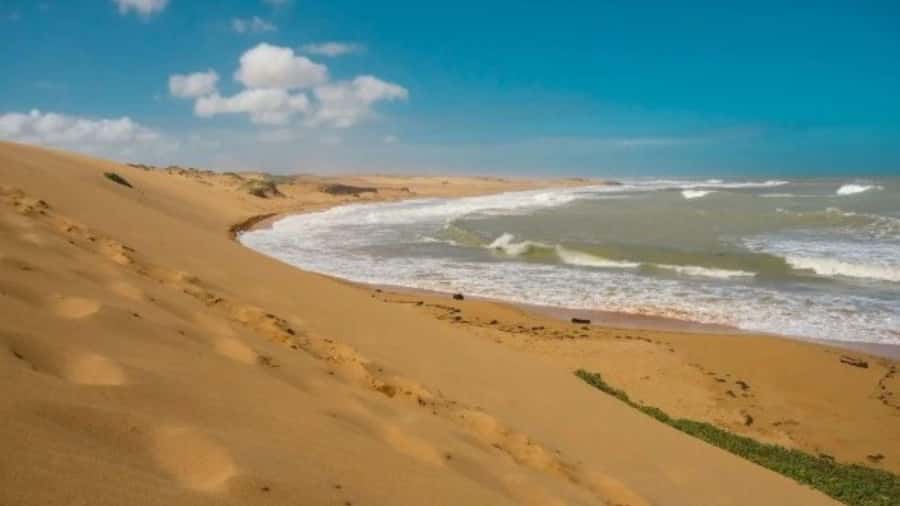
Then the trip crosses arid desert to Las Dunas de Taroa. When you arrive, you get time to take in the view, and if you want, you can take a bath there. This stop is about scale. Dunes make distances feel different, and you’ll likely understand why Punta Gallinas is famous for its dramatic scenery as soon as you see the sand shapes in person.
Later, you visit the lighthouse and go to Punta Aguja beach to watch the sunset. That second sunset is a major highlight because it changes the mood from Day 1. Cabo de la Vela’s sunset is more of a beach-and-horizon feeling, while Punta Aguja can feel sharper and more remote once you’re actually near Punta Gallinas.
When night comes, you go to the ranchería for dinner and rest. Again, sleeping is in hammocks or in a room depending on what you reserved. If you’re the type who needs a proper bed to recharge, rooms are worth considering.
A different kind of day out of Santa Marta:
- Santa Marta: Sailboat day tour to Tayrona Park
★ 4.5 · 352 reviews - 4-Day Lost City Small-Group Tour in Santa Marta
★ 5.0 · 254 reviews - Full-Day Hiking Tour in Minca with coffee & Cocoa Workshop
★ 4.5 · 189 reviews - MINCA TOUR – Explore waterfalls and discover the origin of coffee and cocoa
★ 4.5 · 166 reviews
The Wayuu community stop: cultural respect, privacy, and what to expect socially
A big part of this trip is meeting the Wayuu Indigenous community. The tour also gives clear guidance: respect people’s privacy and do not take photos without proper authorization.
This is not a “look at the culture like a show” kind of stop, and I like that the rules are stated plainly. If you want to connect, do it through conversation and manners, not through your camera roll.
There’s also a social reality to factor in. In one set of experiences, I heard that families, including children and women, may ask passengers for snacks, coffee, or other small items during the drive. The driver handled it in a way that kept things moving, but it can still catch you off guard.
My practical advice: go with your expectations set. If that kind of interaction makes you uncomfortable, you’ll do better mentally if you remind yourself why it happens and stick to the boundaries your guide supports. If you do want to respond kindly, wait for guidance rather than jumping straight into an impulse.
Punta Gallinas and Punta Aguja: the sunset spot that earns the long day
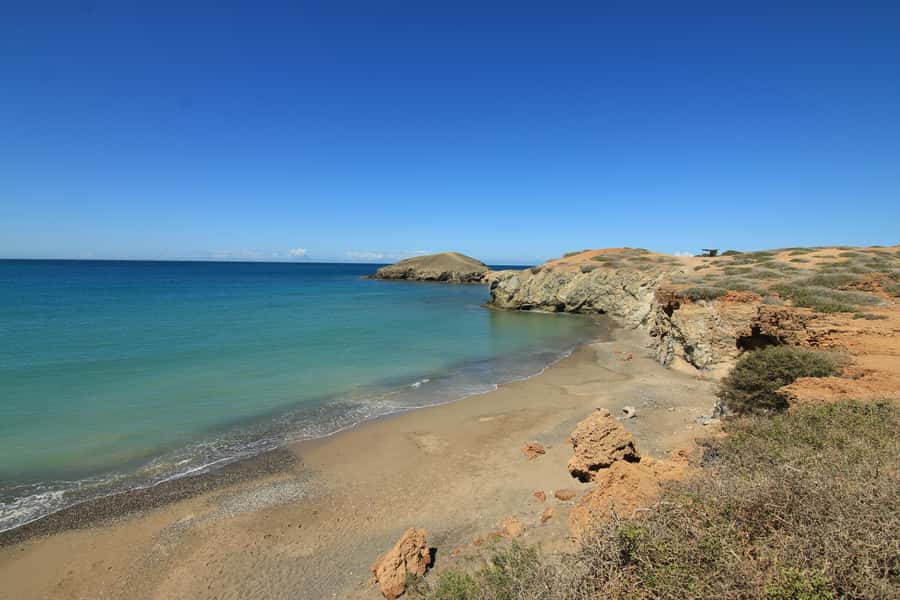
Punta Gallinas is the reason many people book this tour, and the best way to enjoy it is to treat it as a finish line you’ve earned. After the dunes and lighthouse time, you reach Punta Aguja beach for sunset. This is the moment when the whole itinerary clicks into focus.
The reason this works well is simple: the tour doesn’t just toss you at a viewpoint. You’ve already had beach time and desert time, so when you arrive at Punta Aguja, it feels like a real payoff instead of a random photo stop. You also get swimming options along the way, so you’re not just standing around in the heat.
Bring the basics that keep you comfortable: sunscreen, sunglasses, and a sun hat. Punta Gallinas days can be intense. Even if the sky is clear, the sun can still feel relentless, especially when you’re surrounded by sand that reflects light.
Day 3 Mayapo: windy beach time and a gentler reset before Riohacha
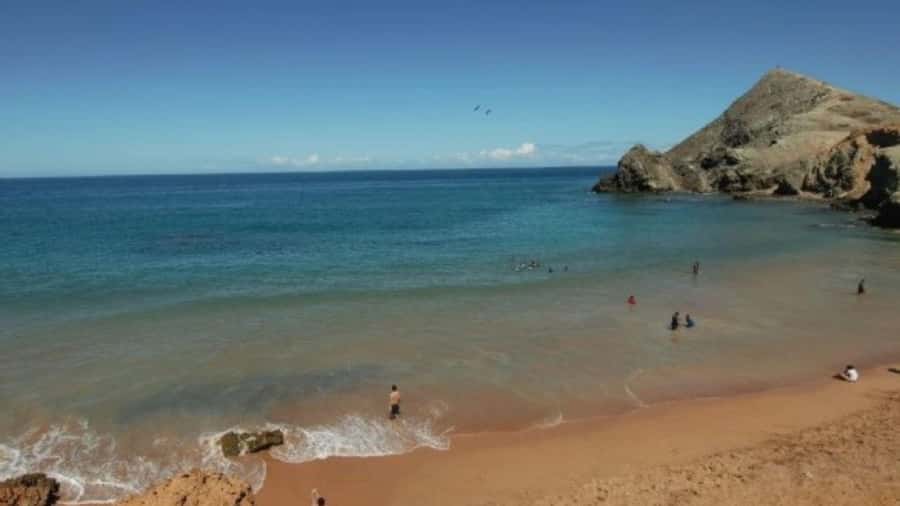
On Day 3, you leave the ranchería in the morning and head to the beaches of Mayapo. You’ll have lunch and then get time to enjoy the beach, including swimming time.
This stop is described as ideal for water sports because there are good winds, good waves, and sandy beaches. You don’t need to book a specific activity to enjoy it. Even if you just want sand and swim time, the conditions help because the shoreline tends to have that lively ocean energy.
Then, in the middle of the afternoon, you return to Riohacha to end the tour. This is a good pacing choice. You’re not leaving the best part and then immediately starting another long stretch. You get a final relaxed beach day, then you head back.
Transportation, timing, and group size: the logistics that shape your comfort
The tour uses transportation by van in shared capacity for up to 6 people. Then some legs involve jeep or SUV segments, including a 3-hour ride, a 2.67-hour segment, and later a 6-hour jeep time.
That matters because comfort on this type of route is about expectations. You will spend meaningful time in vehicles, often with sun exposure outside. If you’re prone to motion sickness, plan accordingly. If you’re okay with road time, you’ll appreciate how the stops are placed to break up the day.
The guide is Spanish, and the group is small, which usually helps with the rhythm. A small group also means you can ask practical questions and get personal timing suggestions, like when to swim and when to cool down.
One more note: the tour is not suitable for pregnant women and people over 95 years. That aligns with the physical demands of long travel days and rural conditions.
Price and value: what $439 per person really covers
The price is $439 per person for 3 days. On paper, it sounds like a lot until you list what’s included. This tour covers:
- Accommodations (hammocks or rooms depending on your reservation)
- Food: 2 breakfasts, 3 lunches, 2 dinners
- Transportation: shared van for the group, plus jeep or SUV legs as part of the itinerary
- Activities described on the route (beach stops, salt flats stop, viewpoints, community visit)
- A Spanish baquiano guide
- Medical assistance insurance
So you’re not paying just for driving. You’re paying for access to far-flung areas, guidance, meals, and the structure that keeps you from turning this into a complicated self-drive trip.
What’s not included includes “expenses not specified in the plan,” and the tour also notes to bring cash. It does not spell out what kind of cash expense, so I treat that as a “be prepared” line rather than a clear fee. In practice, I’d bring a buffer for small extras like drinks and any on-site needs that pop up once you’re there.
What to pack for La Guajira heat and saltwater routines
The tour is clear about what to bring, and I agree with every item. Pack these:
- Sunglasses
- Sun hat
- Swimwear
- Change of clothes
- Sunscreen
- Beachwear
- Cash
- Reusable water bottle
The climate notes average temperatures around 22 to 30 °C, with maximums up to 42 °C. That’s not a minor detail. You’ll be outside for viewpoints, beach walks, and travel stops. If you wait until you feel bad before you apply sunscreen, you’ll pay for it.
Also plan for saltwater showers. Avoid opening your eyes and mouth in the saltwater shower. For brushing your teeth, use your bottle of purified water. Bring that bottle and keep it within reach.
Finally, timing matters if you travel in October and November. Those months are rainy, and changes or modifications may happen because some activities may not be carried out due to weather. I’d build extra flexibility into your expectations if your dates fall in that window.
Booking fit: who this tour suits, and who should think twice
This is a strong match if you want:
- A small-group adventure (limited to 6)
- A mix of beaches, dunes, and lighthouse sunset viewpoints
- The chance to visit the Manaure salt flats on the route
- A community interaction that comes with privacy and photo rules
- A structured plan with meals and lodging included
It may not be your best match if:
- You dislike hammocks or you need guaranteed hotel-style bedding every night
- You get drained by heat and long vehicle days
- You prefer a low-social-interaction trip, because community stop areas and travel days can involve direct requests for small items
- You’re traveling during rainy months and can’t be flexible if activities shift
Should you book Punta Gallinas with Cabo de la Vela for 3 days?
If you’re excited by dramatic views, beach time, and a road-trip feel with real remoteness, I think this is worth booking. The value is solid because you’re getting meals, lodging, and transport tied to specific stops, not a “good luck getting there” situation. The sunset double hit, Cabo de la Vela beach circuit, and Punta Gallinas viewpoint timing make it a well-paced package.
If you’re sensitive to sleeping conditions, heat, or you need a very calm, socially detached travel style, pause and think. Choose the reservation that matches your comfort level, and go in with respect for community privacy and local interactions. Do that, and you’ll come away with a trip that feels like La Guajira, not a checklist.
FAQ
What is included in the 3-day tour price?
The tour includes the activities on the route, accommodations, 2 breakfasts, 3 lunches, and 2 dinners, transportation by van in shared capacity for up to 6 people, sleep in comfortable beds, medical assistance insurance, and a Spanish baquiano guide.
Where does the tour start and end?
It starts in Riohacha and ends back in Riohacha on Day 3.
How big is the group and what language is the guide?
The group is limited to 6 participants, and the live tour guide is Spanish.
What kind of lodging do you get at night?
You sleep in comfortable hammocks or in a room depending on what you have reserved.
What are the main stops during the trip?
You’ll visit Uribia (visit), Cabo de la Vela (including Dorada Beach, Pilón de Azúcar, Ojo de Agua Beach, and the lighthouse), Manaure salt flats en route, Las Dunas de Taroa, Bahía Honda for lunch, Punta Agujas for sunset, Punta Gallinas (including dinner and breakfast), and the beaches of Mayapo.
What should I bring for the tour?
Bring sunglasses, a sun hat, swimwear, a change of clothes, sunscreen, beachwear, cash, and a reusable water bottle.
Are there rules for photography in indigenous communities?
Yes. When passing through indigenous communities, you should respect their privacy and do not take photos without their proper authorization.
Recently reviewed around Santa Marta
- Private Boat Tour through Tayrona Park★ 4.0 · 4 reviews
- Santa Marta Beaches Private Boat Tour★ 5.0 · 4 reviews
- Magic Minca : Waterfalls, Cocoa Workshop and Coffee From Santa Marta★ 4.5 · 5 reviews
- Private transportation from Santa Marta to Barranquilla airport★ 5.0 · 5 reviews
- Discover Minca★ 4.0 · 5 reviews
- Friday Night Bar Crawl in Santa Marta, Colombia★ 5.0 · 5 reviews
- Private transportation from Santa Marta to Minca police station★ 5.0 · 5 reviews
- Santa Marta to or from Cartagena Private Transfer★ 5.0 · 5 reviews
3-Day Experiences, compared.
Tour the best of Narino 3 days with accommodation
Read our review →
The Magic and Ancestral Guajira-Cabo de la vela & Punta Gallinas-2 nights 3 Days
Read our review →
3 days private mountain tour, nature and culture near Medellin
Read our review →
Browse the lists this tour appears in