This is the kind of Medellín tour that does not try to soften the story. You spend a focused 4 hours looking at Escobar’s impact on the city and the years of violence that followed, with stops tied to memory, money, fear, and consequences.
I especially like how the tour uses real places, not vague talk. You see the neighborhoods and landmarks connected to Escobar and his family, then you get the bigger explanation for how drugs moved and why Medellín changed so fast.
One drawback to consider is the subject matter is heavy. Even when the guide keeps it clear and respectful, you should expect a somber tone at the victims site and at the cemetery.
Key things that make this tour worth your time

- Private guide with English live commentary, specialized in Pablo Escobar history
- Inflexión Park (Victims Park), a grounding stop that shifts the focus from myth to people
- Montesacro Cemetery, a direct tie to Escobar’s final chapter
- Pablo Escobar Mural and neighborhood stops, where street-level visuals meet historical context
- Barrio la América, linked to Escobar’s own neighborhood building efforts
- Rise and fall explained alongside the real-world logic of drug trafficking in Colombia
Why Medellín’s Escobar story hits harder in 4 hours
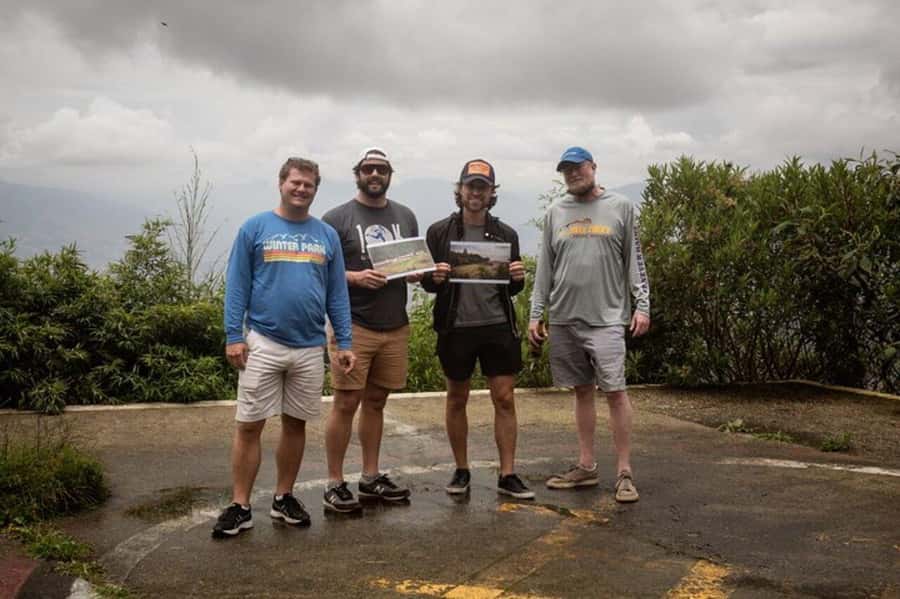
Medellín is known for reinvention. But you cannot understand the city today without acknowledging the years when violence and cartel power shaped daily life. This tour keeps the timeline tight, so you do not get lost in facts, you get a readable story.
What makes it work is that it treats Escobar as both a human force and a system. You learn about his rise, the fall, and the shifting pressure between the cartel, the government, and the rival groups that took advantage of the chaos.
The best part is the balance: the tour looks at iconic locations, but it also insists you remember victims. That is why the victims-focused stop matters more than a simple photo stop.
A few more Medellin days worth comparing
- Medellin: Comuna 13 Graffiti Tour, Cable Car & Street Food
★ 4.8 · 9,046 reviews - Comuna 13 Graffiti Tour with Street Food
★ 5.0 · 7,503 reviews - Guatapé Tour: Piedra del Peñol with Boat Tour, Breakfast, Lunch
★ 5.0 · 7,035 reviews
El Poblado pickup and the value of a private, air-conditioned ride
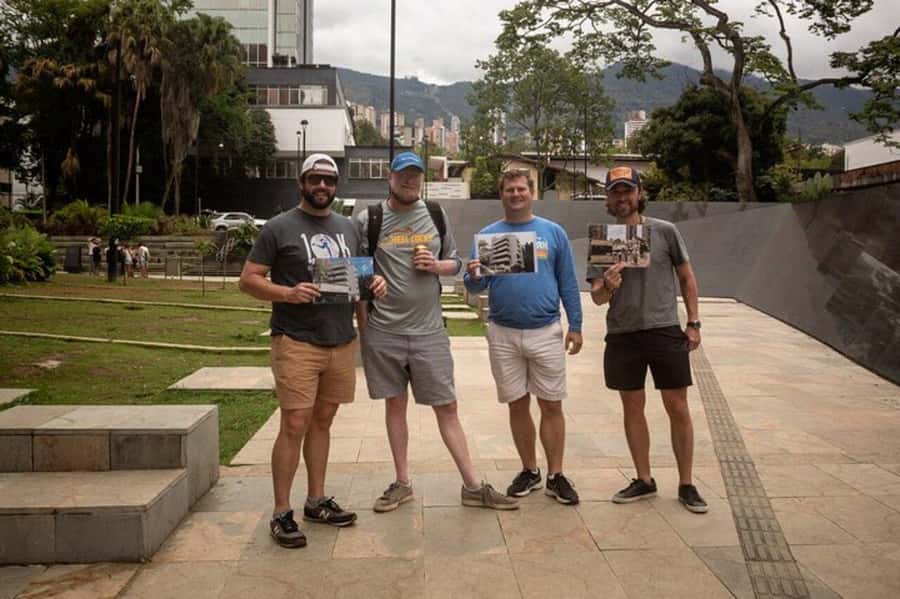
Most of your comfort is handled up front. You get pickup in El Poblado, and you return there at the end, which is a big deal in a city where it can take time to move between neighborhoods.
You also ride in an air-conditioned vehicle for the day’s driving. For a 4-hour tour, that matters because it keeps the schedule tight. You spend more time listening and less time waiting.
Price-wise, $64 per person for a private guided tour is usually a fair deal, especially when it includes the specialized guide plus all taxes and fees. You are paying for access and explanation, not just transportation.
Inflexión Park, the Victims Park, and why you should start here
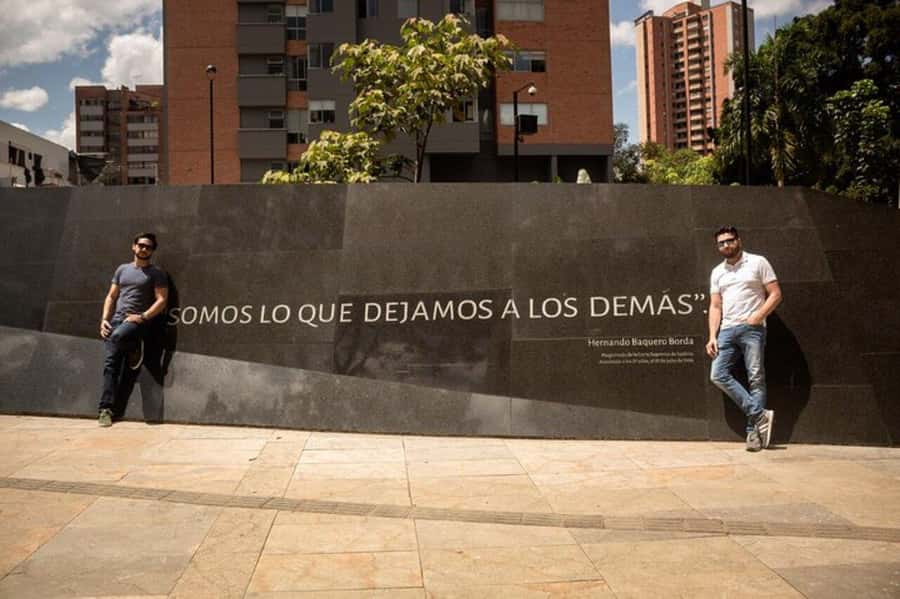
The tour begins with Conmemorativo Inflexión Park, with about an hour for a guided visit. This is a smart opening move. Before you chase murals and names, you get the human anchor.
Inflexión is built for remembrance. You are learning about the darkest days of Medellín, when the Escobar years and the Medellín Cartel turned violence into a daily threat. This stop sets the emotional tone, so the later locations do not feel like a scavenger hunt.
If you want to get the most from the rest of the tour, pay attention here. When your guide connects the dots between events and what you see, you will understand why these places still matter to locals.
A small practical note: since it is a memorial-style visit, dress and behave accordingly. Keep your phone away unless your guide tells you it is appropriate to capture images.
Montesacro Cemetery and the weight of visiting the final chapter
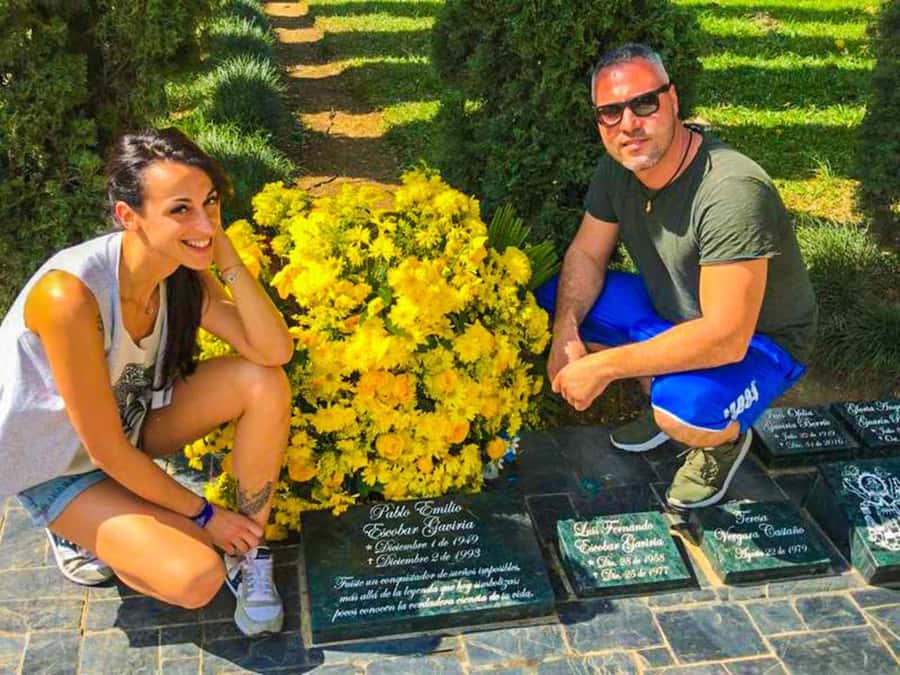
Next is Montesacro Cemetery, again with about an hour guided. This is where the Escobar story stops being legend and becomes physical, specific, and final.
The highlights of the tour explicitly include visiting the places where Pablo Escobar lived and his grave, and the cemetery stop is the logical place where that connection is made. Even if you already know the headlines, being in the cemetery context forces a slower, more reflective pace.
What I like about doing this on a guided tour is clarity. A good guide can explain how the conflict shaped the city, and how people carried the fear and grief forward after Escobar fell.
One thing to keep in mind: this stop can be emotionally intense. If you are sensitive to topics involving death and violence, treat it like a solemn experience, not a quick photo moment.
A different kind of day out of Medellin:
- Day Trip To Guatapé with ,Breakfast, Lunch and Boat Ride
★ 5.0 · 2,996 reviews - Comuna 13 Graffitour knows the urban art district of Medellín
★ 5.0 · 2,856 reviews - Tour to Guatape, Piedra del Peñol, lunch, snacks boat trip
★ 5.0 · 2,658 reviews - Half Day Bike Tour in Medellin – Local snack, Coffee or Beer
★ 5.0 · 2,509 reviews
The Pablo Escobar mural stop, and how street art becomes storytelling
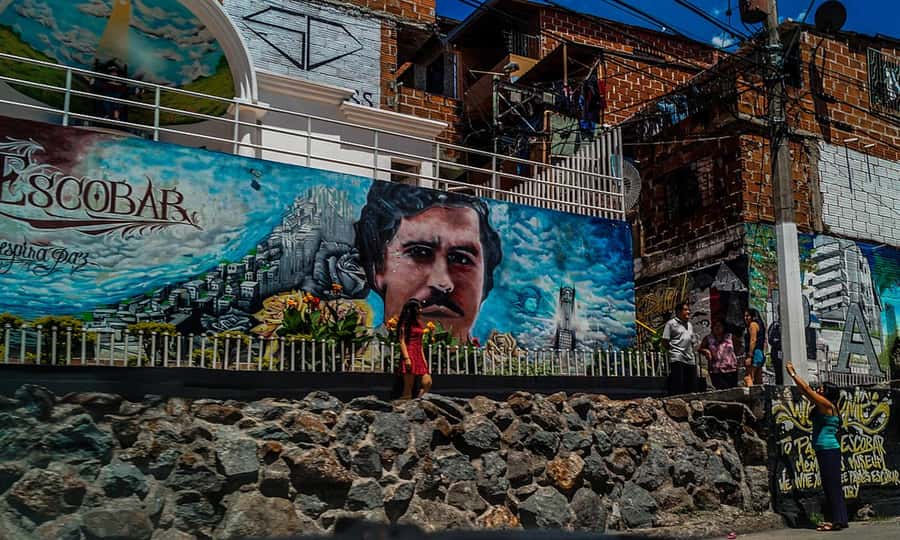
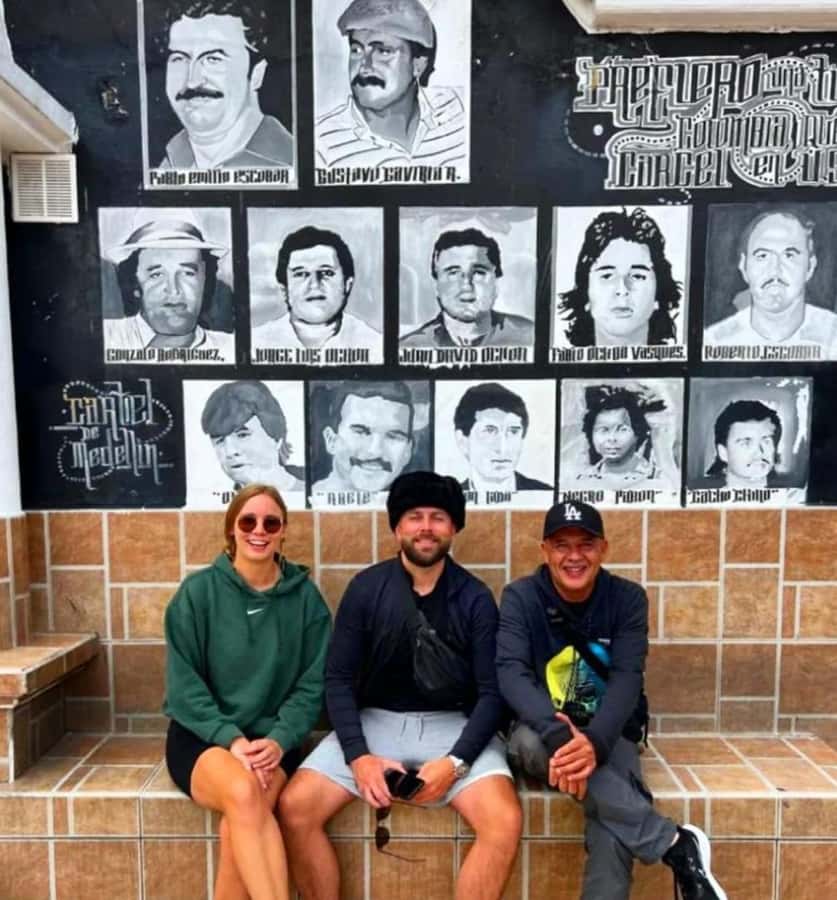
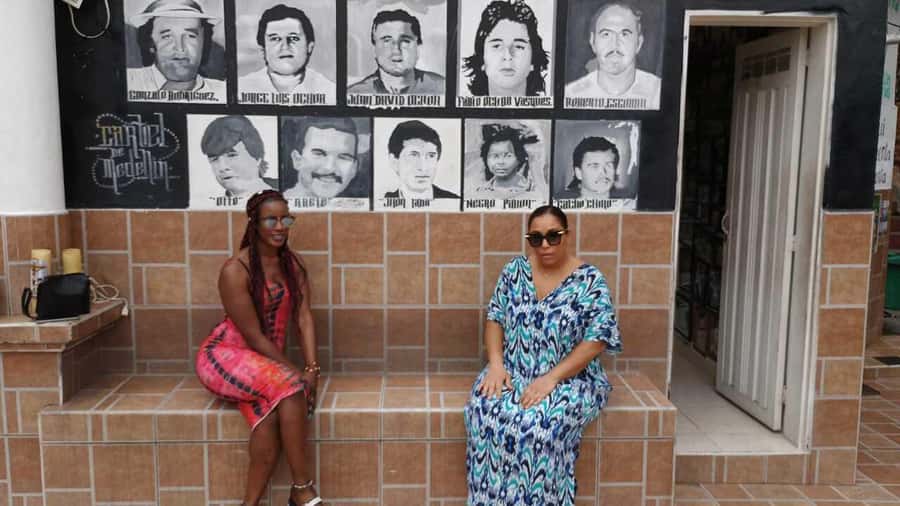
You then move to the Pablo Escobar Mural, with about an hour of guided time. A mural is not the same thing as a textbook. But in Medellín, street visuals often hold memory, identity, and local interpretation.
On this tour, the mural stop is not just for aesthetics. It is used as a marker in the story, helping you connect where Escobar’s name sits in the city’s physical geography.
This is also where the guide’s explanation of the rise and fall tends to feel most useful. When you can point at an actual location and hear the timeline unfold, the story stops being abstract. You start to understand how power and fear showed up in real streets and neighborhoods.
If you plan to take photos, do it respectfully and only when you can do it without blocking others. The tour experience works best when you stay present.
El Dorado area and Escobar-linked neighborhoods: seeing the places, not just the legend
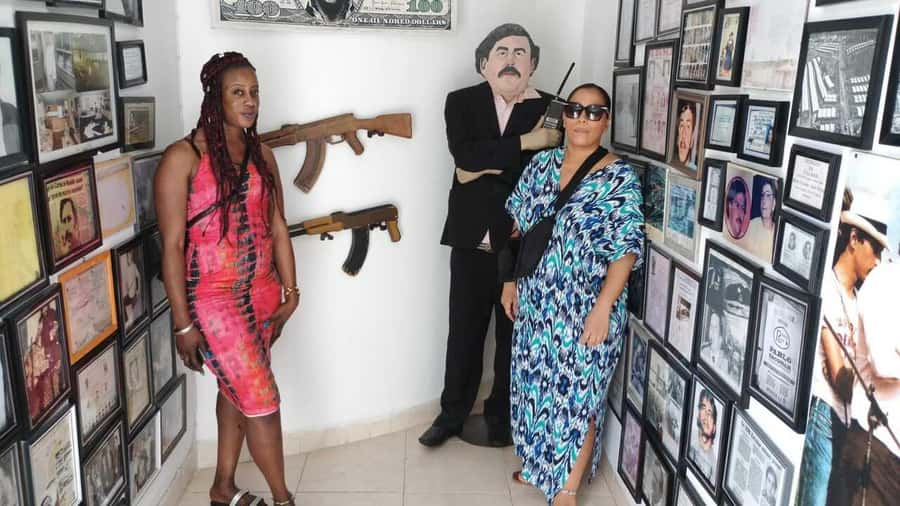
The tour framework includes the El Dorado neighborhood, described as where he grew up, and also includes the neighborhood he constructed himself. Your route ties these ideas to the stops you visit, especially as you move from murals into the residential areas associated with him.
What makes these neighborhood-focused stops valuable is that they explain scale. People often imagine cartel life as remote and cinematic. On the ground, it is tied to ordinary housing, street layouts, and everyday movement.
You get a guided story that helps you connect the locations to the personal sides of Escobar’s life, including his family angle. You also learn how the conflict changed the city around him, and why new power players kept pushing after he fell.
A caution: neighborhood sites can feel tense depending on time of day and how you behave. Keep it calm, listen to your guide, and do not wander.
Barrio la América: the neighborhood he shaped, seen through a modern lens
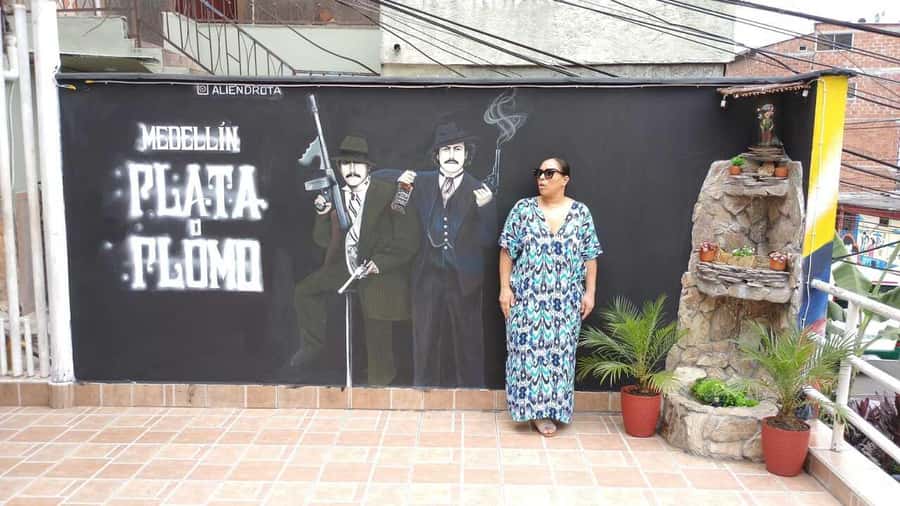
A key stop is Barrio la América, with about an hour guided. This is the neighborhood stop that aligns with the highlight about the neighborhood he constructed himself.
The reason I like this part is that it shows how “building” and “control” can blur in a cartel context. Escobar’s influence was not only violent. It also showed up in material changes, and in how people experienced safety, pressure, jobs, and fear.
You also get help understanding the social impact. The guide’s job here is to keep the story grounded so you do not romanticize a violent era. That matters, because the visuals around these sites can tempt you to treat them like an amusement theme.
If you want an honest take of Medellín’s transformation, this is one of the most important stops. It helps you see why the city moved on, and how the past still lingers in physical space.
How your guide explains the drug traffic dynamics in Colombia
One of the stated highlights is learning about the dynamic of traffic of drugs in Colombia. This is the part that separates a good tour from a memorization session.
The guide typically frames Escobar’s story inside the larger system: how routes, leverage, and competition worked, and why control often shifted quickly. You also hear about the violent escalation during the years when the Medellín Cartel and the government clashed, and how Los Pepes fit into the conflict narrative after Escobar became a target.
You should not expect a technical lecture. What you want is the cause and effect. When your guide connects events to locations you are standing near, it turns history into something you can actually track.
This is also where the tour’s private format helps. You can ask for clarification if something is confusing, and you can slow down if a stop hits you emotionally.
What the itinerary feels like day to day
The whole tour runs about 4 hours, which is a workable length for a subject this intense. You are not stuck all day. You get a compact arc: victims and remembrance, cemetery and finality, then murals and neighborhood connections, finishing back in El Poblado.
Because each major stop is about an hour, you can absorb the guide’s narration instead of rushing through everything. That pacing helps you connect the story rather than collecting disconnected facts.
Also, the private setup keeps the group calmer. In a tour covering violence and memory, being in a group that stays respectful really matters. A private group makes it easier for your guide to tailor the pace to your questions and attention span.
English-language guide, and how to get the best from them
The tour uses a live guide in English, and multiple people have praised the guides for speaking clearly and sharing a lot of useful context. Names like Andrés and Daniel show up in feedback as examples of guides who communicate well and explain the connections that an ordinary walk-by would miss.
So here is what you should do to get more value. Come with two questions ready:
- How did Medellín’s situation change after Escobar fell?
- What is the most misunderstood part of the story people focus on?
Then, when your guide points out a place, ask what it represents in the timeline. You will walk away with a clearer mental map.
Tips for a respectful, smoother experience
You are covering dark days and sensitive places, so small choices make a big difference.
- Wear comfortable shoes for walking inside and around guided stops.
- Keep your tone respectful around memorial spaces, especially at Inflexión Park and the cemetery.
- Bring a small bottle of water if you know you get thirsty during city walking.
- If you take photos, follow the guide’s cues and avoid blocking others.
If you are the type who likes to take notes, bring your phone or a small notebook. This tour is fact-rich, and the timeline comes faster than you might expect.
Who this tour suits best
This experience is a strong fit if you want:
- A guided, place-based understanding of Pablo Escobar’s rise and fall
- A balance of iconic locations and victims-focused remembrance
- A compact schedule that does not eat half your vacation
It is also a good pick if you care about context. If you only want murals and street photos, you might find the story-heavy parts less fun. If you want the city explained with real locations and a clear narrative, you will likely feel like the time was well spent.
Price and value, what you are paying for
At $64 per person for about 4 hours, you are paying for three things that add up:
- A specialized local guide focused on Escobar history
- Private time in an air-conditioned vehicle, with pickup and return in El Poblado
- Stops and guided entry time at the major locations connected to the story
Could you do a cheaper self-guided version? Maybe, if you are happy with reading and guessing. But when you have an expert organizing the timeline and explaining the drug trafficking dynamics in Colombia, the value often shifts from cost to understanding.
For most visitors, the deciding factor is whether you want the story connected to the streets you are seeing. If yes, this price is generally reasonable for what you get.
Should you book this private history tour?
Book it if you want a short, serious, guided route through Medellín’s Escobar era, with Inflexión Park and Montesacro Cemetery giving the context you need, not just the spectacle.
Pass or rethink it if you are not comfortable with topics involving violence, death, and memorial sites. Also reconsider if you are looking for a light entertainment style tour.
If you like clarity, respect, and a well-paced timeline, this is the kind of private experience that helps you understand Medellín as it is now, not just as it was in the headlines.
Recently reviewed around Medellin
- Coffee Tour – All inclusive – Medellín★ 4.0 · 4 reviews
- Paragliding Over Medellín + Gopro & Photos + Private transport.★ 5.0 · 4 reviews
- Shared Tour Commune 13 and Metro Cable La Aurora de Medellin★ 4.5 · 4 reviews
- Medellín Spa: Hydrotherapy & Themed Massage with Teppanyaki★ 5.0 · 4 reviews
- Night Out Gay Bar Crawl in Medellin★ 4.0 · 4 reviews
- White Water Rafting Near Medellin★ 5.0 · 4 reviews
- Bilingual private transport to the airport.★ 4.5 · 5 reviews
- African Music Roots Private Tour in Comuna 13, Medellin★ 5.0 · 5 reviews
Private, compared.
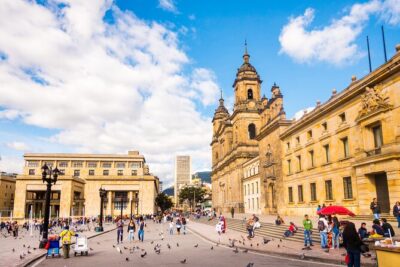
La Candelaria, Monserrate and Museums Bogotá Private City Tour
Read our review →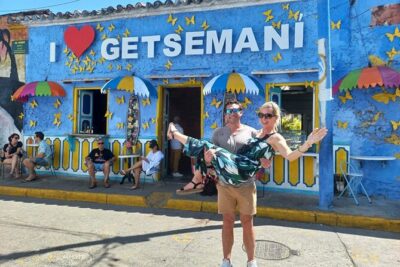
Private Walking Tour in Cartagena Walled City & Getsemaní
Read our review →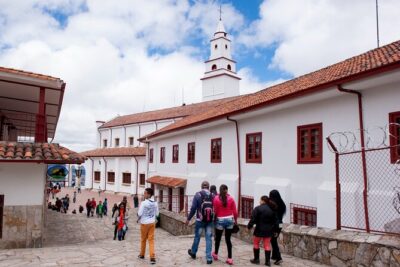
Bogota + Monserrate Private City Tour, Museums, Candelaria.
Read our review →
Private Coffee Farm Tour in Medellin: Real Authentic Experience
Read our review →
Private City Tour, Monserrate, Emerald and Botero
Read our review →
Bogota Zipaquira Salt Cathedral Private Tour + Lunch
Read our review →