Medellín has a reputation that travels faster than truth. This Pablo Escobar-focused tour is interesting because it walks you through the physical places tied to the Medellín cartel era, then explains what those spaces meant for the city then and what they became after. I especially like the small group size, because questions do not feel like a chore. I also like the stop at La Catedral, since it is where the story shifts from rumors to real-world choices.
The main thing to consider is the subject matter. This is not a casual sightseeing loop, and some sites hit harder than you expect, so you should go in with the right mood, not a Netflix one.
Key Things I’d Prioritize Before You Go
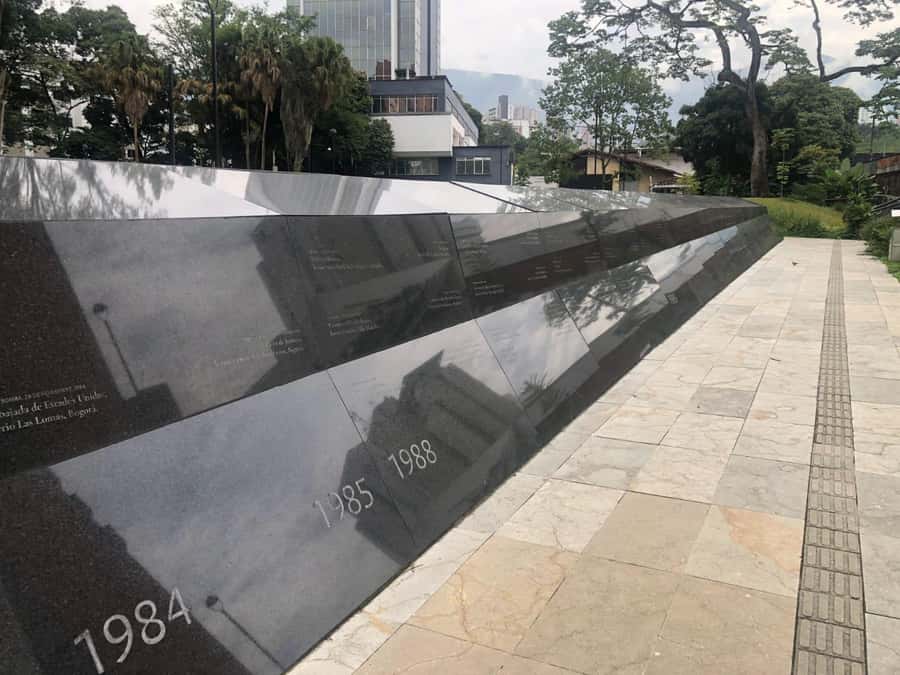
- Small group (up to 4): more time at each stop and easier back-and-forth questions with the guide.
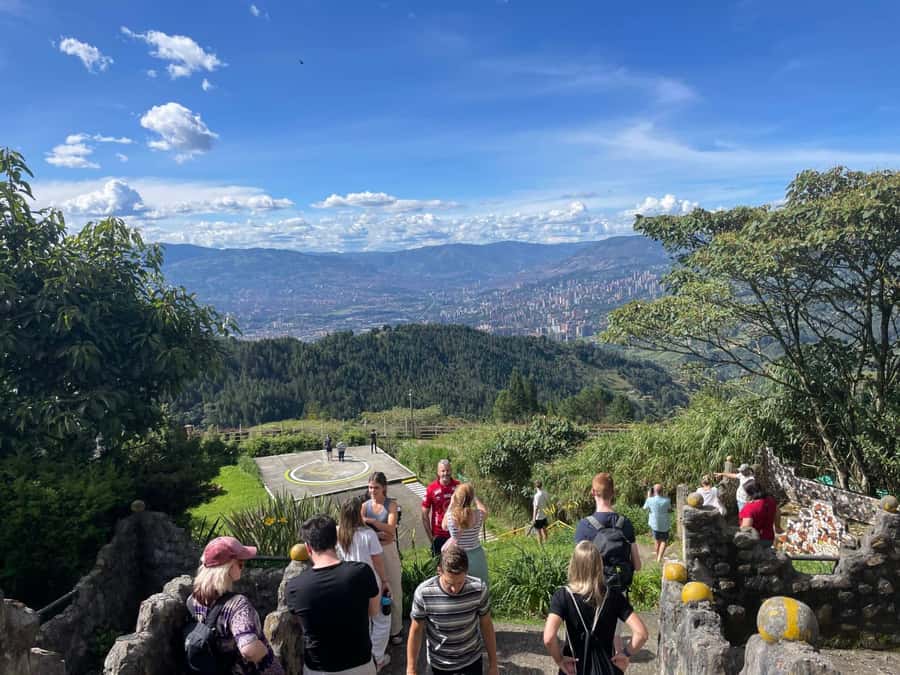
- La Catedral visit: Escobar’s self-built prison site, plus the view angle that helps you grasp the scale.
- Photo-led storytelling: the guide uses visuals to keep the timeline clear and less chaotic.
- Five major Escobar-related places: memorial park house, prison site, teen-life area, grave visit, and the hiding place where he was found.
- Bilingual guiding (Spanish and English): you can follow fully even if the group is mixed.
- A timing strategy for traffic: pickup and routing are planned to keep the day smooth rather than stretched.
Entering the Escobar Story Where It Actually Happened
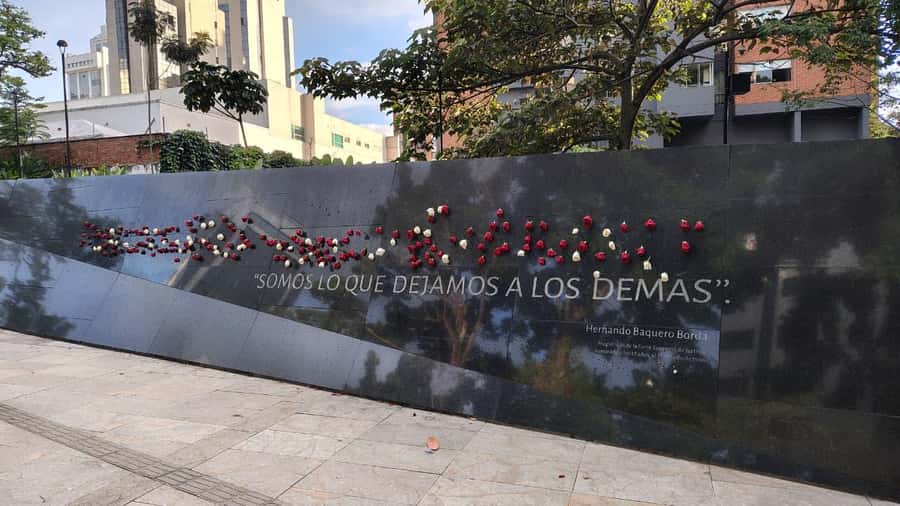
If you only know Pablo Escobar from pop culture, Medellín can feel like a set. This tour is built to break that illusion. You are not just looking at a name on a map. You are seeing the neighborhoods, the landmarks, and the surviving physical reminders that shaped daily life for people in Antioquia.
What makes this experience work is the way the guide frames the topic. The tour is not about glamorizing. It is about context, including how Escobar became a drug dealer and how Medellín and Colombia carried the consequences long after the gunfire and headlines faded.
And yes, the vibe is serious. But it is also human. A good example is that the guide often answers questions in a way that makes room for the victims and for the city’s recovery, not just Escobar’s own story.
A few more Medellin days worth comparing
- Medellin: Comuna 13 Graffiti Tour, Cable Car & Street Food
★ 4.8 · 9,046 reviews - Comuna 13 Graffiti Tour with Street Food
★ 5.0 · 7,503 reviews - Guatapé Tour: Piedra del Peñol with Boat Tour, Breakfast, Lunch
★ 5.0 · 7,035 reviews
Pickup, Vehicle Feel, and Why the Timing Matters in Medellín
You get picked up from two options depending on where you are staying, one in Laureles (at Éxito, Primer Parque de Laureles) and one in Poblado (with the tour finishing at Éxito Wow Poblado). The afternoon meeting point is planned around rush hour, with the route optimized by shifting pickup to the primer parque de laureles.
The day runs about 270 minutes (around 4.5 hours). That is long enough to cover the key sites without rushing you at each stop. It is also short enough that you do not lose the thread halfway through.
This experience is built for a car-based format and a small group. That means less time parked on the curb while everyone plays “where are we meeting?” It also makes it easier to ask questions during the drive when the guide is still fresh with the details.
Stop One: The Memorial Park at One of Escobar’s Houses
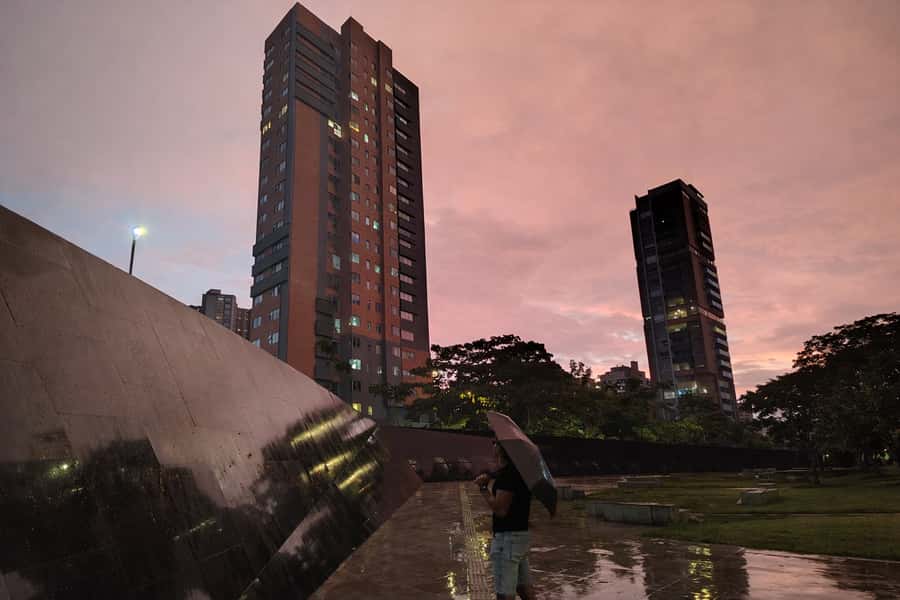
The first major site connects the man to a place, then shows how that place got repurposed. You start at one of his houses, now turned into a memorial park. This is the opening tone you want: a transition from mythology to geography.
What I like about starting here is how quickly it forces you to understand the contradiction at the center of the Escobar era. A home can be a private space, and it can also become a public symbol once the world decides it matters.
You will have time to take photos. The guide also uses visuals to help you picture what the site looked like during the height of the cartel period, which makes the contrast easier to grasp.
Practical note: the tour can have strong sun at certain times, so sunscreen is not optional. The day is also structured so you can step out and reorient instead of staying locked in the vehicle the whole time.
Stop Two: La Catedral and the Uneasy Meaning of a “Prison” Built by a Fugitive
Then comes the stop many people mark as a highlight: La Catedral. This is the self-built prison Escobar created for himself. Even if you know the name, seeing the site is what makes the story land.
Why this stop hits: La Catedral was designed to be controlled. That is the point. The guide’s explanation focuses on what the site reveals about power, safety, and the bizarre everyday reality in the cartel years. You also get the mountain setting and the view elements that help you understand how Escobar tried to control his environment, not just his enemies.
A key consideration: access can vary. One example from the tour experience is that a helipad area shown in promotional material may not be accessible at the time of your visit. This is usually the kind of thing that happens with sites over time, so come with flexible expectations about what you will be able to step onto.
Even with that, the main sight itself stays meaningful. It is one of the clearest places on the tour to understand how the cartel era mixed violence with construction, planning, and ego.
A different kind of day out of Medellin:
- Day Trip To Guatapé with ,Breakfast, Lunch and Boat Ride
★ 5.0 · 2,996 reviews - Comuna 13 Graffitour knows the urban art district of Medellín
★ 5.0 · 2,856 reviews - Tour to Guatape, Piedra del Peñol, lunch, snacks boat trip
★ 5.0 · 2,658 reviews - Half Day Bike Tour in Medellin – Local snack, Coffee or Beer
★ 5.0 · 2,509 reviews
Quick Context Stops: Where the City’s Story Shows Up Between Big Sites
Between the major landmarks, you make practical stops that keep the tour grounded. One scheduled stop is at Restaurante Pastelería Emmy, with time to visit for about 25 minutes. Think of it as a buffer for getting water, using facilities if needed, and regrouping before the next phase.
There is also a stop at Cancha El Dorado, where you get short time on site (about 15 minutes). The value here is timing and context. These are the kinds of places where the guide can talk about how local life functioned and how the cartel era shaped ordinary routines, without turning the day into one long monologue.
And there is a GPS-pin style stop (67R64C97+6P2). That kind of stop matters because it often represents a specific location tied to Escobar’s early life as a teenager, without turning it into a theme park. You are not just collecting photos. You are learning what to look at.
Stop Three and Four: Teen Years Context, Then Jardínes Montesacro for the Grave
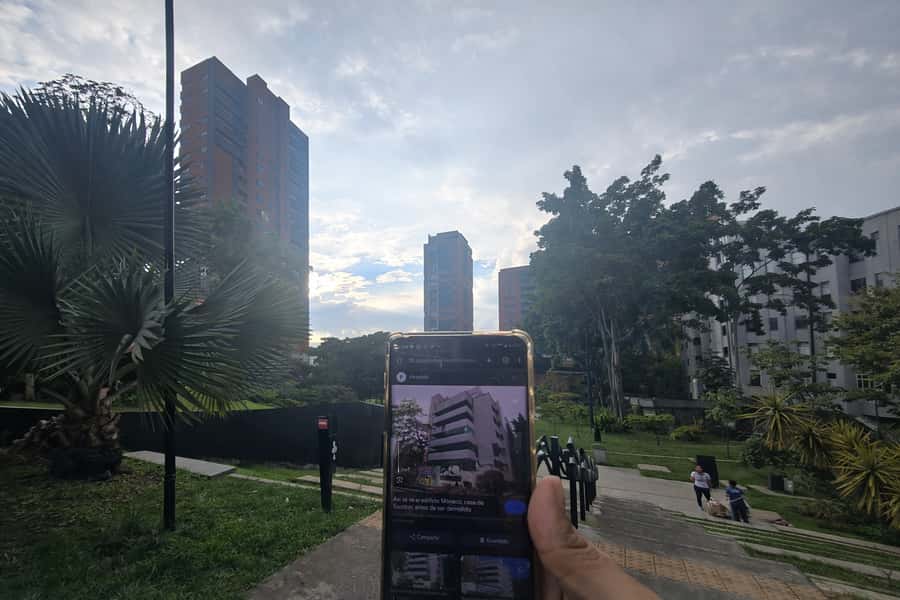
After La Catedral, the tour moves into the “how did this person become this person” phase. The route includes the place where Escobar grew up as a teenager. The goal is not to make you feel sorry for him. It is to help you understand the steps, the environment, and how criminal networks can form when opportunities and pressures collide.
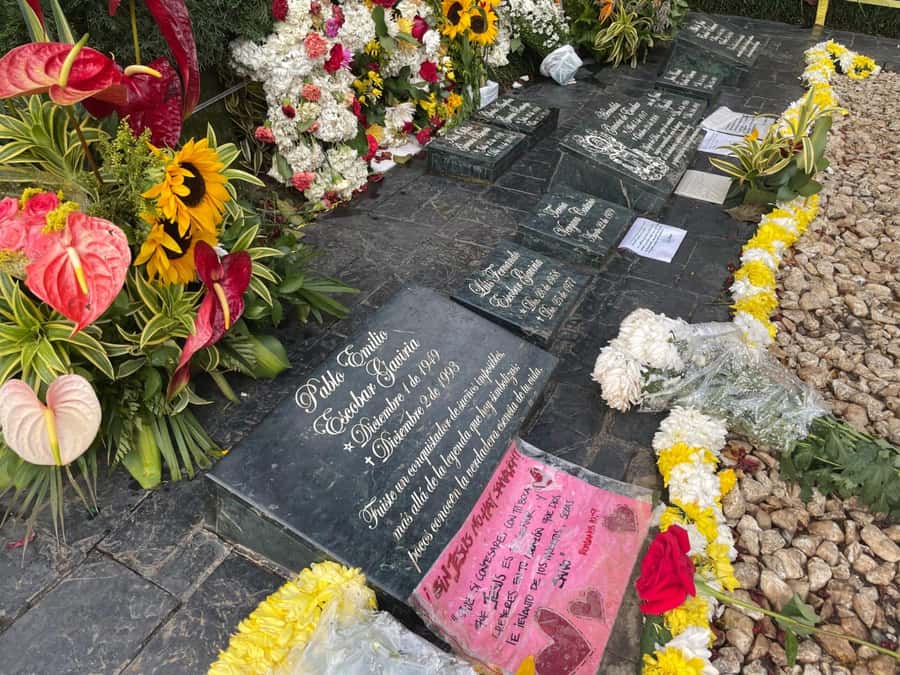
You then visit Jardínes Montesacro, which is where Escobar is buried. A grave visit is always emotional for some people and uncomfortable for others. That is normal. The guide’s approach keeps it respectful and grounded in context, which helps you stay focused on the meaning rather than getting lost in morbid fascination.
What you can do during these stops is key. The tour gives you time to stand in place, take photos if you want, and absorb the guide’s explanations. This matters because Escobar’s legacy is not just historical trivia. It is attached to real consequences that affected Medellín’s neighborhoods for decades.
Stop Five: The House Where Escobar Was Hiding When He Was Found
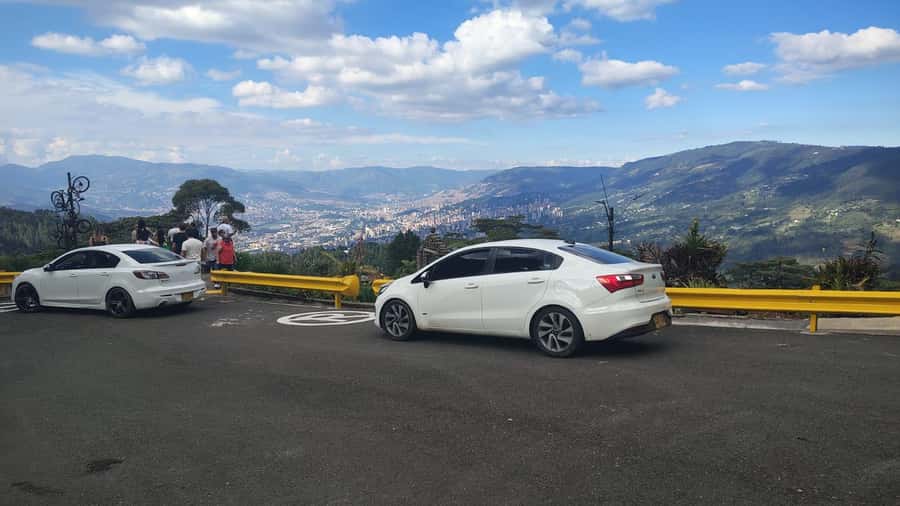
The final major site ties the story to the end of the manhunt. You visit the house where he was hiding and found, connected to where he was ultimately shot. This is the closing chapter with a very physical setting.
I like finishing here because it puts the “why” next to the “what happened.” By now you have already visited the memorial home, La Catedral, the teen-life context, and the grave. So the last stop does not feel random. It feels like a sequence clicking into place.
You also get a final chance to take photos and let questions land. With a small group, it is easier to ask one more thing without feeling like you are holding the tour back.
The Guide Makes It, Especially When the Story Has Two Sides
This tour is guided in English and Spanish, with an actual live guide leading the day. Names that appear in the experience include Juan and Juan Eduardo, plus Eduardo as a common version. In practice, the guide approach is what you are paying for.
The biggest praise point you should care about is how the guide uses visuals, often pictures and other visual material. This helps you follow a timeline that can otherwise feel like a blur. Instead of hearing vague claims, you can look at the same images the guide is referencing and connect events to locations.
Another strong point is how the guide handles sensitive topics. A good operator here does not treat victims like background noise. You get the serious context around consequences and memory, not just the headline moments.
If you want a two-way experience, the small group format helps. You can ask about specific dates, about the cartel world, or about why Medellín used to be seen as so difficult to visit. The guide can answer without shrinking the tour into one endless lecture.
There is also an optional add-on: meeting Escobar’s brother (still alive, and used to be associated with the Medellín cartel). This is described as another tour with a separate fee. If you are curious, you can ask about it, but treat it as its own experience rather than a quick side quest.
Price and Value: Is $50 Worth It for a 4.5-Hour Tour?
At $50 per person for about 270 minutes, the value depends on your expectations. If you want a quick drive-by photo session, this is not built for that. If you want a structured, serious explanation of major places tied to Escobar and Medellín’s transformation, then it is priced to be fair.
Two reasons I think the math works:
- Time plus access: you are spending real time at multiple key sites, not just stopping for a quick look.
- Small group: fewer people means more question time and less waiting around.
There is also a special promotion currently listed as 20% off during a designated month. If that discount is active when you book, it makes the value even easier to justify.
Bottom line: this is a good deal if you care about context and want a guide who can explain it clearly in either English or Spanish.
What to Bring (and What to Leave Behind) for a Smooth Day
This is one of those tours where your packing choices matter more than you think.
Bring:
- Sunscreen, since the first part of the tour can have strong sun
- Passport, with a copy accepted if needed
- Personal medication
- Some cash for water or small needs on the day
Be ready for occasional checkpoints. One practical tip included with the tour info is that a police stop can happen and you should have a passport copy if asked.
Not allowed:
- Weapons or sharp objects
- Pets (assistance dogs are allowed)
- Intoxication
- Smoking in the vehicle, and smoking indoors
- Valuables
- Feeding animals, plus items like surfboards or skateboards
- Fireworks, alcoholic drinks in the vehicle
- Making fire
- Speakers
Do not ignore these. They are written rules for keeping things calm and avoiding hassles.
Also, bathroom timing is built in. There is a bathroom at the third stop, and if you need one before or after that stop number, you should ask.
Who This Tour Suits, and Who Might Want a Different Day
This tour is a strong match if you:
- Want a history-centered Medellín experience, not just crime trivia
- Prefer a small group and conversational Q&A
- Like when a guide uses photos and visuals to clarify the timeline
- Are curious about how the city changed after the cartel years
It is less suitable if:
- You are traveling with children under 8
- You are over 75, since the tour notes it is not suitable
- You dislike serious, sensitive subject matter tied to violence and its aftermath
And because you are visiting a grave and other heavy sites, I recommend treating this as a “learn and reflect” outing, not a party plan.
Should You Book This Medellín Tour?
Book it if you want to understand Medellín beyond the usual postcard spots, and you want a guide-led, photo-supported story that connects Escobar’s life to the places that still exist. The small group limit of 4, the La Catedral stop, and the focus on context are exactly what make this worth your time.
Skip it if your goal is only quick photos or if you are not comfortable with heavy historical material. Also, if you need frequent bathroom access outside the scheduled window, plan for the fact that one bathroom is specifically mentioned at the third stop.
If you go in prepared with sunscreen, patience, and a respectful mindset, this tour is one of the better ways to see how Medellín went from feared to rebuilding its identity, without pretending the past disappeared.
FAQ
How long is the history tour in Medellín?
The duration is listed as 270 minutes, about 4.5 hours.
What languages are available?
The tour guide provides Spanish and English.
How many people are in the group?
The group is limited to 4 participants.
Where do pickups happen?
Pickup is included from two options: Éxito, Primer Parque de Laureles, and a separate meeting option in Poblado. You are told the exact location by message.
How many stops and what kinds of places are visited?
You visit five different Escobar-related places, including a memorial park at one of his houses, La Catedral, the place where he grew up as a teenager, his grave, and the house where he was hiding and found when he was shot. There is also additional driving time between stops.
Is transportation included?
Yes, transportation is included from the two meeting points.
Is there a bathroom during the tour?
There is a bathroom at the third stop. If you need one before or after that stop, you can ask.
Do I need cash or can I buy snacks on the tour?
Snacks or drinks are not included. The tour notes that you should bring some cash in case you want to buy water or something, and it is possible to stop if you need something.
Recently reviewed around Medellin
- Coffee Tour – All inclusive – Medellín★ 4.0 · 4 reviews
- Paragliding Over Medellín + Gopro & Photos + Private transport.★ 5.0 · 4 reviews
- Shared Tour Commune 13 and Metro Cable La Aurora de Medellin★ 4.5 · 4 reviews
- Medellín Spa: Hydrotherapy & Themed Massage with Teppanyaki★ 5.0 · 4 reviews
- Night Out Gay Bar Crawl in Medellin★ 4.0 · 4 reviews
- White Water Rafting Near Medellin★ 5.0 · 4 reviews
- Bilingual private transport to the airport.★ 4.5 · 5 reviews
- African Music Roots Private Tour in Comuna 13, Medellin★ 5.0 · 5 reviews
Medellín Tours, compared.
Comuna 13 Graffiti Tour, Cable Car & Street Food
Read our review →
Guatapé Tour: Piedra del Peñol with Boat Tour, Breakfast, Lunch
Read our review →
Day Trip To Guatapé with ,Breakfast, Lunch and Boat Ride
Read our review →
Comuna 13 Graffitour knows the urban art district of Medellín
Read our review →
Tour to Guatape, Piedra del Peñol, lunch, snacks boat trip
Read our review →
Half Day Bike Tour in Medellin – Local snack, Coffee or Beer
Read our review →